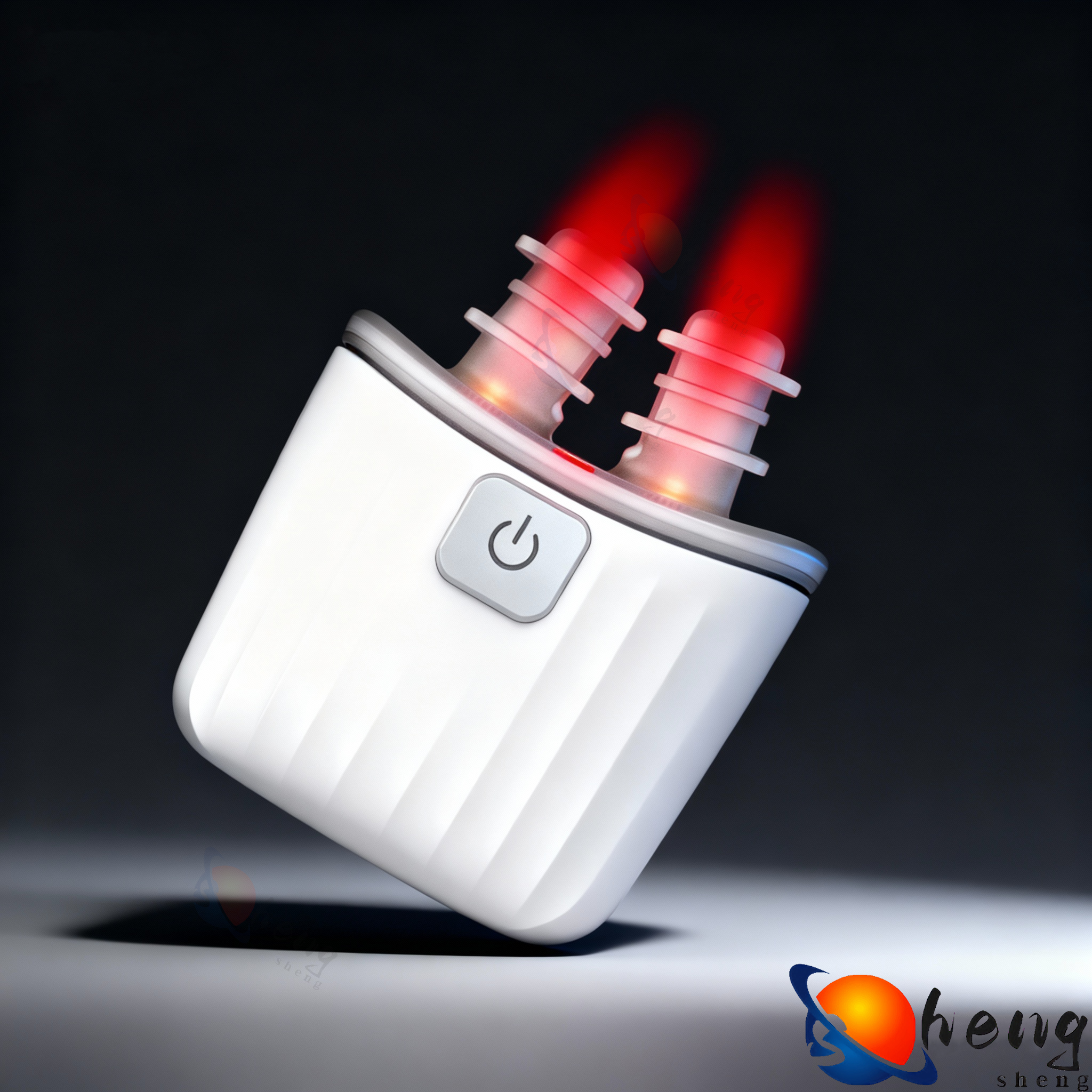
Comprehensive Muscle and Joint Rehabilitation for Long-Term Recovery
Laser treatment for TMJ disorder provides comprehensive muscle and joint rehabilitation that addresses the complex interconnected systems responsible for proper jaw function, offering patients a pathway to long-term recovery rather than temporary symptom management. The sophisticated therapeutic mechanisms of laser energy work simultaneously on multiple tissue types, including muscles, ligaments, cartilage, and bone, creating a synergistic healing environment that promotes optimal joint function and stability. This multi-system approach is particularly important for TMJ disorders, which often involve dysfunction in several anatomical structures that must work together harmoniously for proper jaw movement and comfort. The laser treatment for TMJ disorder stimulates collagen synthesis and tissue remodeling processes that strengthen weakened joint structures while improving flexibility and range of motion in restricted areas. This dual action of strengthening and mobilizing creates a more balanced and functional temporomandibular joint system that is better equipped to handle the demands of daily activities such as chewing, speaking, and yawning without pain or dysfunction. The rehabilitation effects of laser therapy extend beyond the immediate treatment area, as improved jaw function often leads to reduced compensation patterns in the neck, shoulders, and upper back muscles that may have developed secondary tension due to altered jaw mechanics. Progressive laser treatment sessions build upon previous improvements, creating a cumulative effect that continues to enhance joint function and reduce the likelihood of symptom recurrence. The biological mechanisms activated by laser treatment for TMJ disorder include enhanced cellular metabolism, improved tissue oxygenation, reduced inflammatory mediators, and optimized nerve function, all of which contribute to comprehensive rehabilitation of the entire temporomandibular system. Patients typically experience not only pain relief but also improved jaw strength, better coordination of jaw movements, and increased confidence in using their jaw for normal functions without fear of triggering symptoms. This comprehensive rehabilitation approach makes laser treatment for TMJ disorder particularly valuable for patients with chronic or recurrent TMJ problems who need lasting solutions rather than temporary fixes, providing them with the tools and tissue health necessary for long-term success and improved quality of life.

 EN
EN