EN
EN



Modern medicine has witnessed remarkable advancements in recent decades, with laser light therapy emerging as one of the most promising non-invasive treatment modalities. This innovative approach harnesses the power of specific wavelengths of light to stimulate cellular processes, reduce inflammation, and accelerate healing across a wide range of medical conditions. From treating chronic pain to addressing various inflammatory disorders, laser light therapy represents a paradigm shift toward precision medicine that targets root causes rather than merely managing symptoms.
The therapeutic potential of laser light lies in its ability to deliver precise amounts of energy directly to target tissues without causing collateral damage to surrounding healthy cells. This specificity makes it an ideal treatment option for conditions affecting sensitive areas such as the nasal passages, ears, and other delicate anatomical structures. Healthcare professionals increasingly recognize the value of integrating laser-based therapies into their treatment protocols as evidence continues to mount regarding their efficacy and safety profile.
Scientific Foundations of Laser Light Therapy
Photobiomodulation Mechanisms
The therapeutic effects of laser light therapy stem from a complex biological process known as photobiomodulation, where specific wavelengths of light interact with cellular components to trigger beneficial physiological responses. When laser light penetrates tissue, it is absorbed by chromophores within cells, particularly cytochrome c oxidase in the mitochondrial respiratory chain. This absorption leads to increased production of adenosine triphosphate, the cellular energy currency that powers essential metabolic processes.
Research has demonstrated that optimal wavelengths typically fall within the red and near-infrared spectrum, ranging from 630 to 850 nanometers. These wavelengths possess the unique ability to penetrate tissue effectively while minimizing absorption by water and hemoglobin, allowing the therapeutic light to reach target areas with maximum efficiency. The depth of penetration varies depending on the specific wavelength used, with longer wavelengths generally achieving greater tissue penetration.
Cellular Response Pathways
At the cellular level, laser light therapy initiates a cascade of beneficial biological responses that contribute to healing and tissue repair. The initial photochemical reaction triggers increased mitochondrial activity, leading to enhanced oxygen consumption and improved cellular metabolism. This metabolic boost provides cells with the energy necessary to perform repair functions more efficiently, ultimately accelerating the healing process.
Additionally, laser light therapy has been shown to modulate the production of reactive oxygen species, which play crucial roles in cellular signaling and immune responses. By maintaining optimal levels of these molecules, the therapy helps create an environment conducive to healing while preventing excessive oxidative stress that could impede recovery. The treatment also influences the release of various growth factors and cytokines that promote tissue regeneration and reduce inflammatory responses.
Clinical Applications in Modern Medicine
Otolaryngological Conditions
One of the most significant applications of laser light therapy lies in treating various ear, nose, and throat conditions that have traditionally been challenging to address with conventional treatments. Chronic rhinitis, characterized by persistent nasal inflammation, often responds favorably to targeted laser therapy sessions. The anti-inflammatory properties of specific wavelengths help reduce mucosal swelling and improve nasal airflow, providing patients with sustained relief from congestion and associated symptoms.
Sinusitis, another common condition affecting millions of people worldwide, has shown promising responses to laser light therapy protocols. The treatment's ability to penetrate deep into sinus tissues allows for direct targeting of inflammatory processes while promoting drainage and reducing bacterial colonization. Patients often experience significant improvement in symptoms such as facial pain, pressure, and nasal obstruction following a series of properly administered laser therapy sessions.
Hearing-Related Disorders
Tinnitus, the perception of ringing or buzzing sounds in the ears without an external source, represents one of the most challenging conditions for healthcare providers to treat effectively. Traditional approaches often focus on symptom management rather than addressing underlying causes, leaving many patients with limited treatment options. Laser light therapy offers a novel approach by potentially improving circulation in the inner ear and reducing inflammation that may contribute to tinnitus symptoms.
Otitis media, particularly chronic forms that resist conventional antibiotic treatments, has also shown positive responses to laser therapy interventions. The treatment's ability to reduce inflammation and promote tissue healing makes it particularly valuable for addressing persistent middle ear infections. By targeting the underlying inflammatory processes, laser light therapy can help restore normal ear function and prevent complications associated with chronic otitis media.
Precision and Safety Advantages
Non-Invasive Treatment Protocols
The non-invasive nature of laser light therapy represents a significant advantage over traditional surgical interventions, particularly for patients who may not be suitable candidates for more aggressive treatments. The absence of incisions, anesthesia requirements, or recovery periods makes this therapy accessible to a broader patient population, including elderly individuals and those with underlying health conditions that increase surgical risks.
Treatment sessions are typically brief, lasting between 10 to 30 minutes depending on the specific condition and protocol used. Patients can resume normal activities immediately following treatment, making laser light therapy an attractive option for busy individuals who cannot afford extended recovery periods. The cumulative effects of multiple sessions often provide sustained improvement in symptoms, with many patients experiencing long-lasting benefits.
Minimal Side Effects Profile
Unlike many pharmaceutical interventions, laser light therapy demonstrates an exceptionally favorable safety profile with minimal risk of adverse effects when administered properly. The most commonly reported side effects are mild and transient, including temporary skin warmth or slight redness at the treatment site that typically resolves within minutes to hours following therapy.
The absence of systemic effects makes laser light therapy particularly appealing for patients who experience intolerance to medications or those taking multiple drugs where additional pharmaceutical interventions might lead to concerning interactions. This safety profile allows healthcare providers to offer treatment to patients who might otherwise have limited therapeutic options due to contraindications to conventional treatments.
Technology and Device Considerations
Professional-Grade Equipment
The effectiveness of laser light therapy depends significantly on the quality and specifications of the equipment used for treatment delivery. Professional-grade devices typically feature precise wavelength control, consistent power output, and specialized applicators designed for specific anatomical areas. These sophisticated systems allow healthcare providers to deliver optimal therapeutic doses while ensuring patient safety and treatment consistency.
Advanced laser therapy devices often incorporate multiple wavelengths within a single system, allowing practitioners to customize treatment protocols based on individual patient needs and specific conditions being addressed. The ability to adjust parameters such as power density, treatment duration, and pulse characteristics provides healthcare providers with the flexibility needed to optimize outcomes for diverse patient populations.
Home-Use Devices and Accessibility
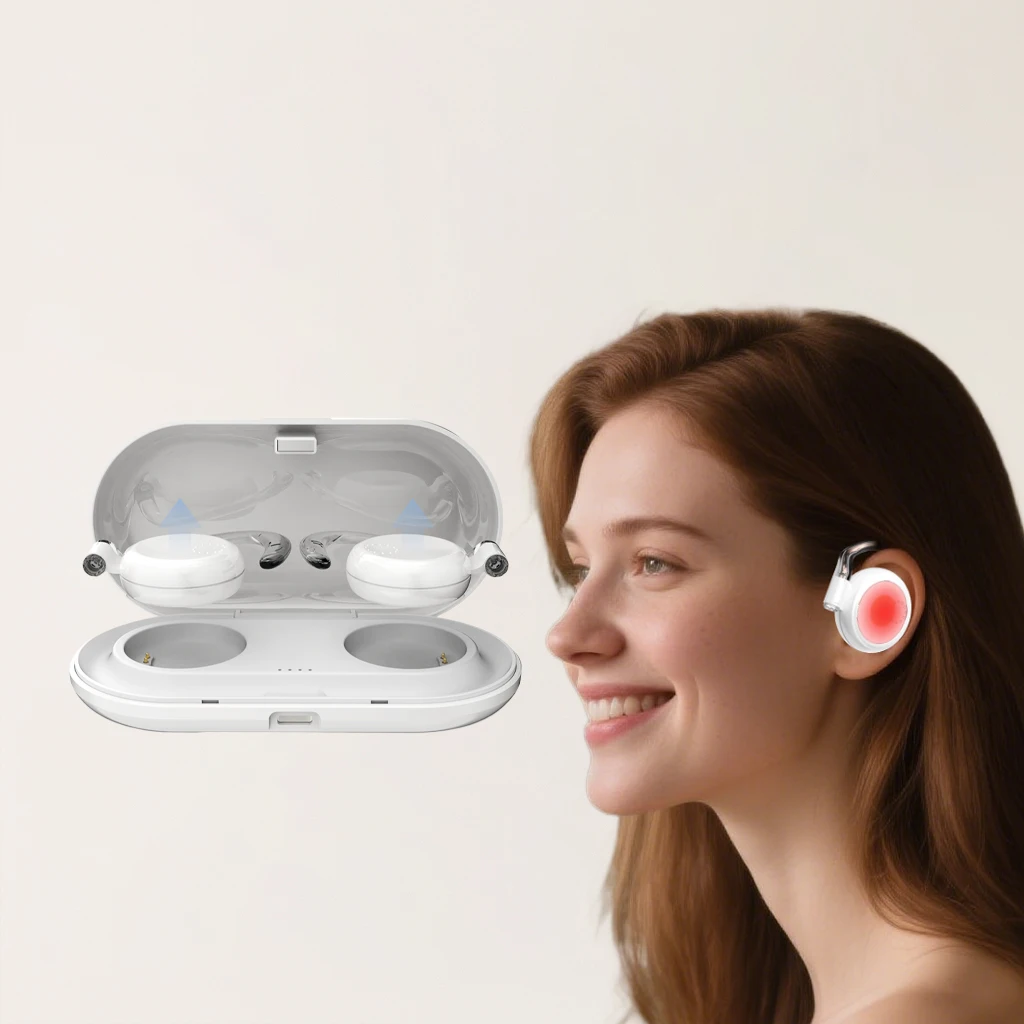
Recent technological advances have led to the development of consumer-grade laser therapy devices that allow patients to continue treatment protocols at home under professional guidance. These devices typically feature lower power outputs and built-in safety mechanisms to prevent misuse while still providing therapeutic benefits. The availability of home-use options significantly improves treatment accessibility and allows for more frequent therapy sessions that may enhance overall outcomes.
When selecting home-use laser therapy devices, patients should prioritize units that have been properly tested and validated for safety and efficacy. Devices should feature appropriate wavelengths for the intended therapeutic applications, consistent power output, and clear usage instructions. Healthcare provider oversight remains essential even with home-use devices to ensure proper treatment protocols and monitor patient progress.
Future Directions and Research
Emerging Applications
Current research continues to expand the potential applications of laser light therapy across numerous medical specialties. Investigators are exploring its use in neurological conditions, wound healing, musculoskeletal disorders, and even certain dermatological conditions. Preliminary studies suggest promising results in areas such as cognitive enhancement, depression treatment, and accelerated recovery following surgical procedures.
The integration of laser light therapy with other treatment modalities represents another exciting area of development. Combination protocols that incorporate laser therapy alongside conventional treatments may provide synergistic effects that enhance overall therapeutic outcomes. Research into optimal timing, sequencing, and parameter combinations continues to refine these multimodal approaches.
Technological Innovations
Advances in laser technology continue to improve the precision and effectiveness of therapeutic applications. Development of new wavelengths, improved delivery systems, and enhanced targeting capabilities promise to expand the range of conditions that can be effectively treated with laser light therapy. Innovations in device miniaturization and portability are also making these treatments more accessible to patients in various settings.
The incorporation of artificial intelligence and machine learning algorithms into laser therapy systems may soon allow for personalized treatment protocols based on individual patient characteristics and real-time treatment responses. These intelligent systems could optimize parameters automatically during treatment sessions, maximizing therapeutic benefits while minimizing any potential risks.
FAQ
How long does each laser light therapy session typically last?
Most laser light therapy sessions range from 10 to 30 minutes, depending on the specific condition being treated and the device parameters used. The treatment area size and desired therapeutic dose also influence session duration. Healthcare providers typically establish individualized protocols that specify exact timing for optimal results.
Is laser light therapy painful or uncomfortable?
Laser light therapy is generally painless and well-tolerated by most patients. Some individuals may experience mild warmth at the treatment site, but this sensation is typically pleasant rather than uncomfortable. The non-invasive nature of the treatment means there are no needles, incisions, or other potentially painful procedures involved.
How many treatment sessions are usually required to see results?
The number of sessions varies significantly based on the condition being treated, its severity, and individual patient factors. Some patients notice improvement after just a few sessions, while others may require 10 to 20 treatments for optimal results. Healthcare providers typically recommend an initial series of treatments followed by maintenance sessions as needed.
Can laser light therapy be combined with other treatments?
Yes, laser light therapy can often be safely combined with other treatment modalities, including medications, physical therapy, and conventional medical treatments. However, patients should always consult with their healthcare providers before combining therapies to ensure compatibility and optimize treatment protocols. Some combinations may provide synergistic benefits that enhance overall therapeutic outcomes.