EN
EN



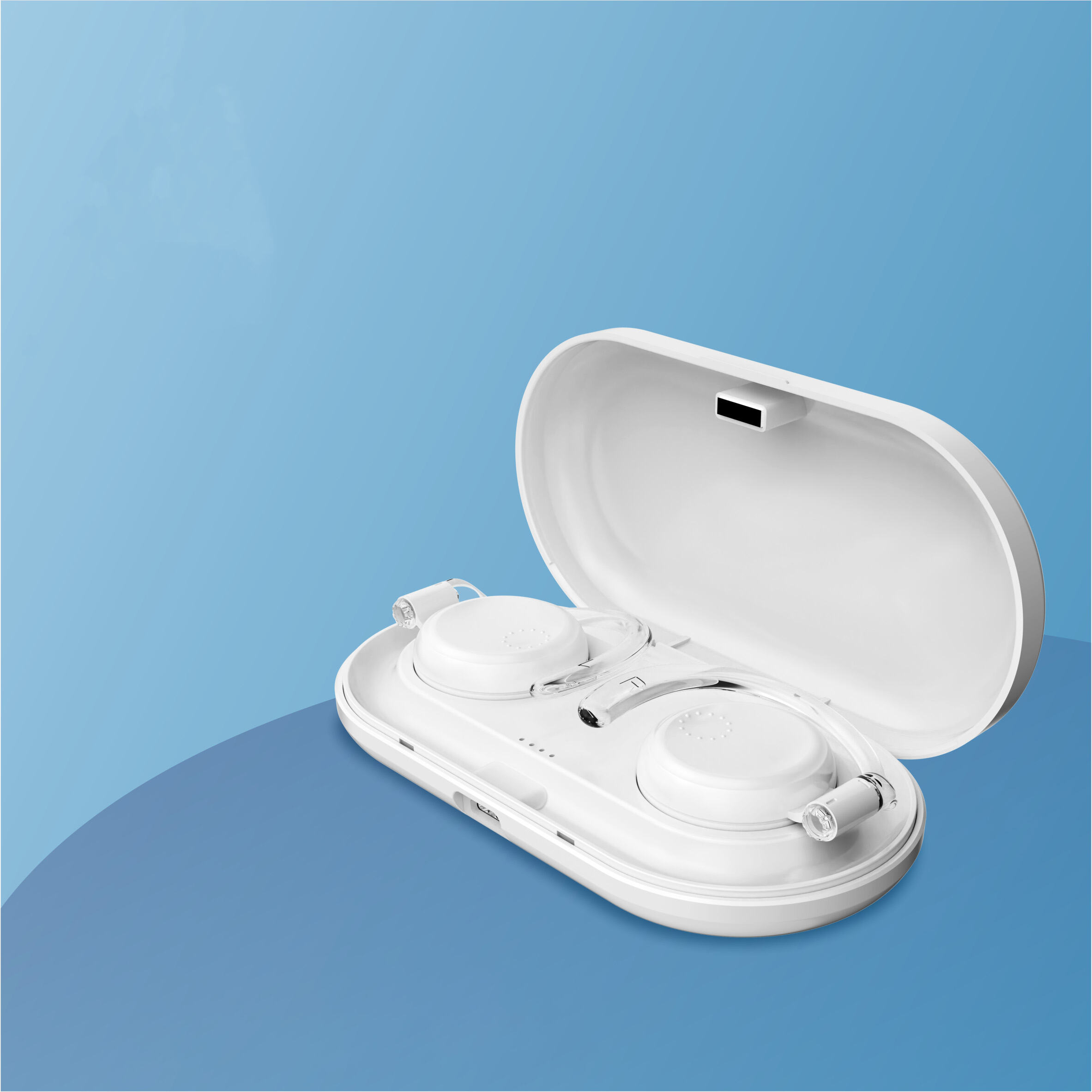
Medical professionals and healthcare practitioners increasingly rely on advanced therapeutic technologies to deliver precise, non-invasive treatments for various conditions. Modern laser light therapy has emerged as a cornerstone treatment modality that combines scientific precision with patient safety, offering remarkable benefits across numerous medical applications. The evolution of laser light therapy has transformed how clinicians approach pain management, wound healing, and inflammatory conditions, providing patients with effective alternatives to traditional pharmaceutical interventions.
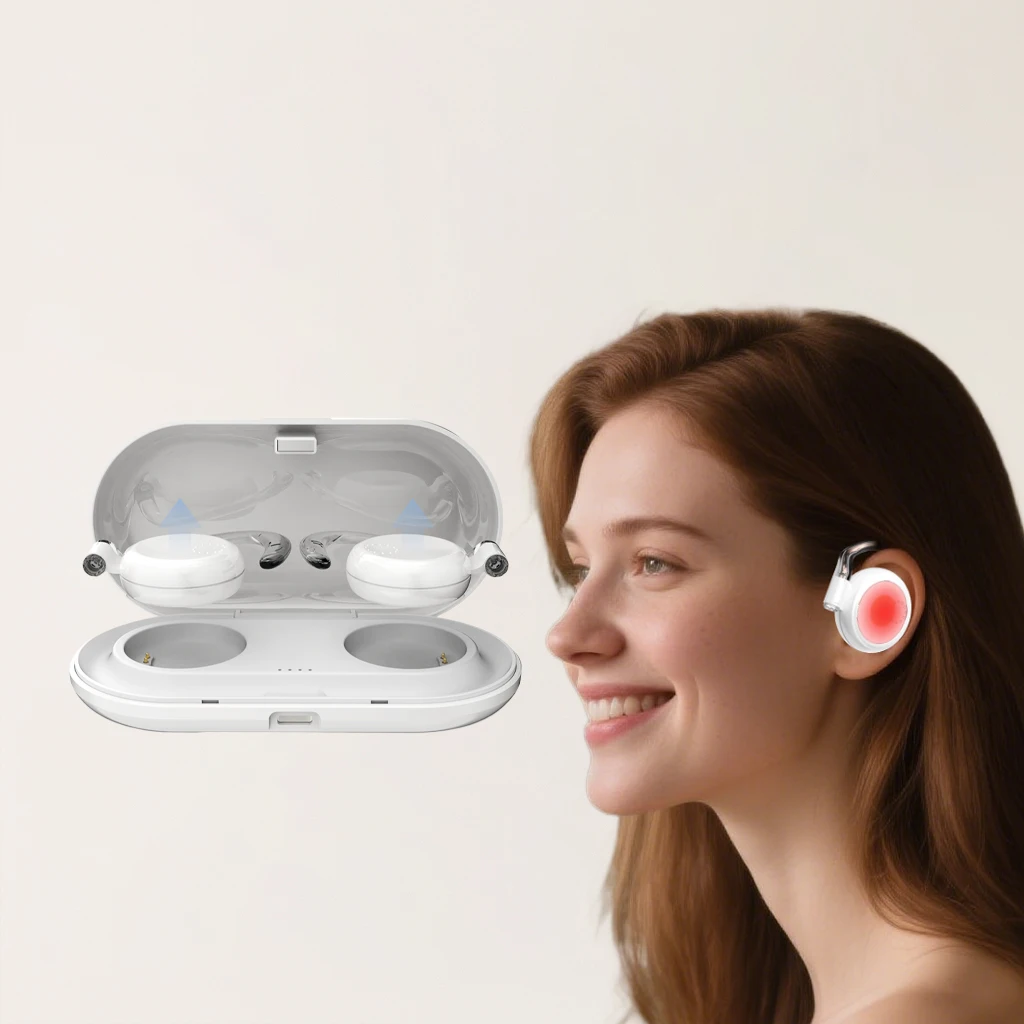
The therapeutic applications of laser light therapy extend far beyond conventional treatment boundaries, encompassing everything from sports medicine rehabilitation to chronic pain management. Healthcare facilities worldwide have integrated these sophisticated systems into their treatment protocols, recognizing the substantial advantages they offer in terms of treatment precision, reduced side effects, and improved patient outcomes. The technology harnesses specific wavelengths of light to stimulate cellular processes, promoting natural healing mechanisms while minimizing tissue damage and reducing recovery time.
Scientific Foundation of Laser Light Therapy
Photobiomodulation Mechanisms
The scientific principles underlying laser light therapy center on photobiomodulation, a complex biological process where specific wavelengths of light interact with cellular chromophores to initiate therapeutic responses. When laser light therapy penetrates tissue at optimal wavelengths, typically ranging from 660 to 940 nanometers, it activates cytochrome c oxidase within mitochondria, subsequently enhancing ATP production and cellular metabolism. This fundamental biochemical reaction forms the basis for the therapeutic effects observed in clinical applications.
Research demonstrates that laser light therapy influences multiple cellular pathways simultaneously, including nitric oxide release, modulation of reactive oxygen species, and activation of transcription factors that regulate gene expression. These cascading effects result in reduced inflammation, enhanced tissue repair, and improved circulation at the treatment site. The precision of modern laser systems allows practitioners to target specific tissue depths and cellular populations, maximizing therapeutic benefits while minimizing unwanted effects on surrounding healthy tissue.
Wavelength Optimization Strategies
Different wavelengths of laser light therapy demonstrate varying penetration depths and biological effects, making wavelength selection crucial for treatment success. Red light wavelengths between 660-670 nanometers primarily affect superficial tissues and are particularly effective for wound healing, skin conditions, and surface-level inflammatory processes. Near-infrared wavelengths ranging from 810-940 nanometers penetrate deeper into tissues, making them ideal for treating musculoskeletal conditions, joint disorders, and deeper inflammatory conditions.
The selection of appropriate parameters for laser light therapy requires comprehensive understanding of tissue optics, absorption coefficients, and scattering properties. Advanced laser systems incorporate multiple wavelengths simultaneously, allowing practitioners to address both superficial and deep tissue conditions within a single treatment session. This multi-wavelength approach enhances treatment efficiency and improves patient outcomes by targeting different cellular populations and tissue layers concurrently.
Clinical Applications and Treatment Protocols
Pain Management and Musculoskeletal Disorders
Laser light therapy has established itself as a primary treatment modality for various pain syndromes and musculoskeletal conditions, offering significant advantages over traditional pain management approaches. Clinical studies consistently demonstrate the efficacy of laser light therapy in reducing pain intensity, improving range of motion, and accelerating tissue healing in conditions such as arthritis, tendinitis, and chronic back pain. The non-invasive nature of these treatments eliminates risks associated with pharmaceutical interventions while providing sustained pain relief.
Treatment protocols for musculoskeletal conditions typically involve multiple sessions scheduled over several weeks, with parameters adjusted based on patient response and condition severity. The ability to precisely control laser output parameters, including power density, pulse frequency, and treatment duration, allows practitioners to customize treatments for individual patient needs. This personalized approach to laser light therapy maximizes therapeutic outcomes while minimizing treatment time and associated costs.
Wound Healing and Tissue Regeneration
The application of laser light therapy in wound care represents one of the most well-documented and successful uses of this technology in modern healthcare. The therapy accelerates all phases of wound healing, from initial inflammatory response through tissue remodeling and scar formation. Laser light therapy stimulates fibroblast proliferation, enhances collagen synthesis, and promotes angiogenesis, resulting in faster wound closure and improved tissue quality.
Clinical protocols for wound healing applications vary based on wound type, size, and patient factors, but generally involve daily or every-other-day treatments until wound closure is achieved. The precise energy delivery capabilities of modern laser systems ensure optimal therapeutic doses while preventing tissue damage from excessive energy exposure. This controlled approach to laser light therapy treatment has revolutionized wound care management, particularly for diabetic ulcers, surgical wounds, and chronic non-healing wounds.
Advanced Treatment Modalities
Neurological and Cognitive Enhancement
Emerging research in laser light therapy applications has expanded into neurological conditions and cognitive enhancement, with promising results for conditions such as traumatic brain injury, stroke recovery, and neurodegenerative diseases. The therapy's ability to cross the blood-brain barrier and influence neuronal metabolism opens new possibilities for treating previously intractable neurological conditions. Studies indicate that laser light therapy can improve cerebral blood flow, reduce neuroinflammation, and promote neuroplasticity.
Treatment protocols for neurological applications typically involve transcranial delivery of near-infrared light, with specific parameters optimized for brain tissue penetration and therapeutic effect. The non-invasive nature of laser light therapy makes it particularly attractive for neurological applications, as it avoids the risks associated with surgical interventions while providing measurable improvements in cognitive function and neurological recovery.
Specialized Therapeutic Applications
The versatility of laser light therapy extends to specialized medical applications, including treatment of tinnitus, sinusitis, and other conditions affecting the head and neck region. These applications leverage the therapy's anti-inflammatory properties and ability to improve local circulation to address symptoms and underlying pathophysiology. The precise targeting capabilities of modern laser systems allow treatment of specific anatomical regions without affecting surrounding tissues.
Specialized treatment protocols often combine multiple wavelengths and delivery methods to optimize therapeutic outcomes for specific conditions. The development of portable, user-friendly laser light therapy devices has made these treatments more accessible to patients, allowing for home-based treatment regimens under professional supervision. This accessibility has significantly expanded the reach and impact of laser light therapy in modern healthcare delivery.
Technology Advancement and Safety Considerations
Equipment Design and Safety Features
Modern laser light therapy systems incorporate advanced safety features and quality control mechanisms to ensure consistent, safe treatment delivery. These systems include real-time monitoring of laser output, automatic shut-off mechanisms, and built-in dosimetry calculations that prevent overtreatment and ensure optimal therapeutic doses. The integration of computer-controlled parameters eliminates human error in treatment delivery while maintaining precise control over all aspects of the therapy.
Safety protocols for laser light therapy encompass both equipment-related and procedural aspects, including proper eye protection, skin assessment, and contraindication screening. The development of Class 3B and Class 4 laser systems with appropriate safety interlocks has made laser light therapy increasingly safe for clinical use while maintaining therapeutic effectiveness. Regular calibration and maintenance protocols ensure consistent performance and safety compliance throughout the equipment lifecycle.
Future Developments and Innovation
The future of laser light therapy technology focuses on enhanced precision, improved portability, and expanded therapeutic applications. Emerging developments include artificial intelligence integration for treatment optimization, miniaturized delivery systems for targeted applications, and combination therapies that integrate laser light therapy with other treatment modalities. These innovations promise to further expand the clinical utility and accessibility of laser-based treatments.
Research continues to explore novel applications of laser light therapy, including its potential for treating metabolic disorders, enhancing athletic performance, and supporting healthy aging processes. The growing body of clinical evidence supporting these applications drives continued innovation in laser technology and treatment protocols, ensuring that laser light therapy remains at the forefront of modern therapeutic interventions.
FAQ
How does laser light therapy differ from traditional treatment methods
Laser light therapy offers a non-invasive alternative to traditional treatments, utilizing specific wavelengths of light to stimulate natural healing processes without the need for medications or surgical interventions. Unlike conventional therapies that often focus on symptom management, laser light therapy addresses underlying cellular dysfunction to promote genuine healing and tissue regeneration. The treatment is painless, has no known side effects when properly administered, and can be combined with other therapeutic approaches for enhanced outcomes.
What conditions respond best to laser light therapy treatment
Laser light therapy demonstrates exceptional effectiveness for inflammatory conditions, pain syndromes, wound healing applications, and tissue repair processes. Conditions such as arthritis, tendinitis, chronic back pain, diabetic ulcers, and various skin conditions typically respond very well to treatment. The therapy is also increasingly used for neurological conditions, tinnitus, sinusitis, and other inflammatory disorders affecting the head and neck region, with clinical success rates continuing to improve as treatment protocols are refined.
How many laser light therapy sessions are typically required for optimal results
The number of laser light therapy sessions required varies significantly based on the condition being treated, its severity, and individual patient factors. Acute conditions may show improvement within 3-6 sessions, while chronic conditions typically require 10-20 sessions for optimal results. Most treatment protocols involve 2-3 sessions per week initially, with session frequency decreasing as improvement occurs. Many patients experience some benefit within the first few sessions, with cumulative improvements continuing throughout the treatment course.
Are there any contraindications or safety concerns with laser light therapy
Laser light therapy is generally considered very safe when administered by trained professionals using appropriate equipment and protocols. The main contraindications include pregnancy, active cancer in the treatment area, and certain medications that increase photosensitivity. Proper eye protection is essential during treatment, and the therapy should not be applied directly over the thyroid gland or areas of active infection. When performed correctly, laser light therapy has an excellent safety profile with no reported serious adverse effects in clinical literature.