EN
EN



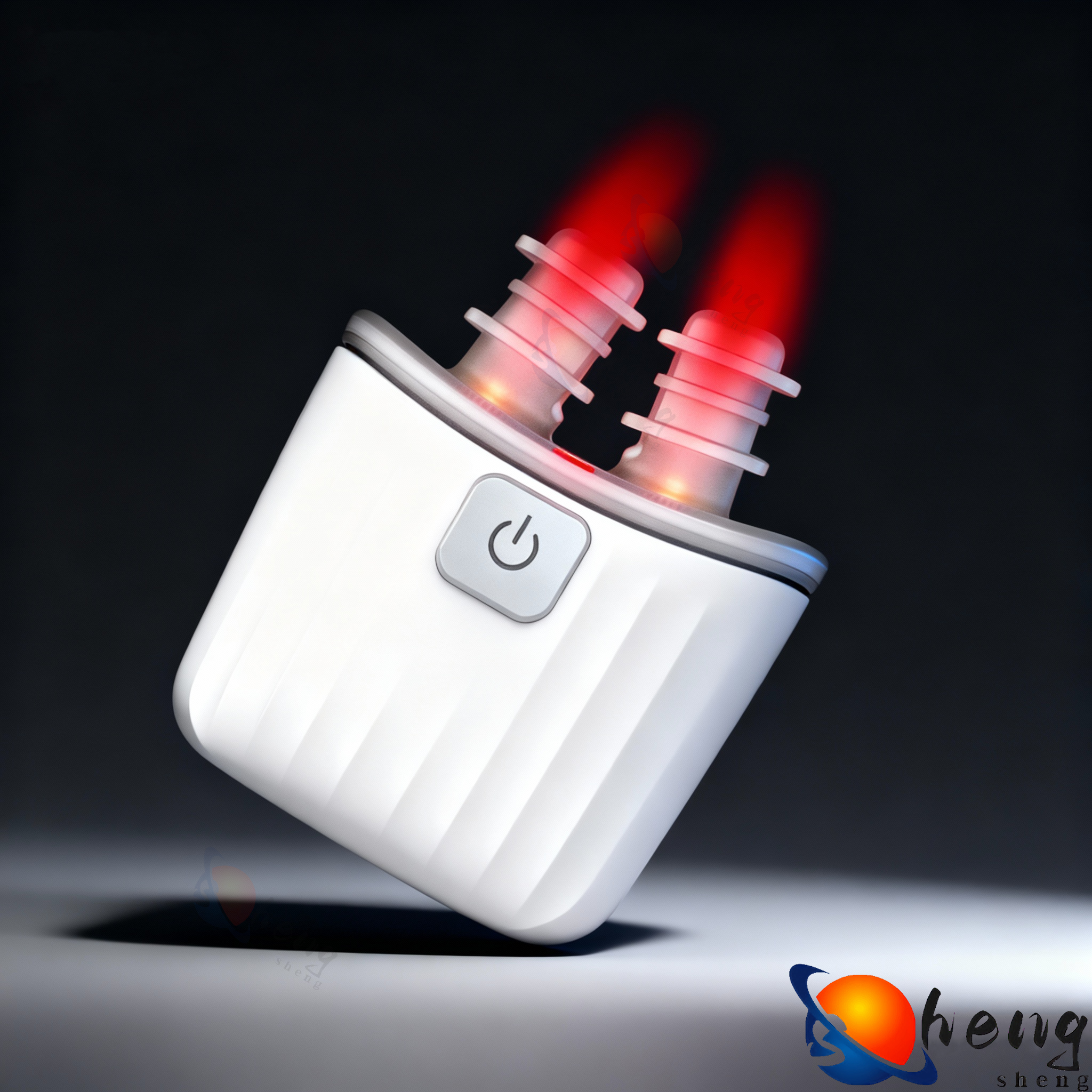
Modern medical technology has witnessed remarkable advancements in recent years, with treatment with laser emerging as one of the most sought-after therapeutic approaches across various medical disciplines. This revolutionary technology has transformed how healthcare professionals address conditions ranging from cosmetic concerns to complex medical disorders. The growing popularity of treatment with laser stems from its precision, minimal invasiveness, and impressive clinical outcomes that traditional methods often cannot match.

The surge in demand for laser-based treatments reflects a broader shift toward patient-centered care that prioritizes comfort, efficiency, and superior results. Healthcare providers worldwide are increasingly incorporating laser technology into their practice protocols, recognizing its potential to deliver targeted therapeutic effects with reduced recovery times. This paradigm shift has made treatment with laser accessible to a wider patient population seeking effective alternatives to conventional medical interventions.
Scientific Foundation of Laser Therapy
Photobiomodulation Principles
The scientific basis of treatment with laser lies in photobiomodulation, a process where specific wavelengths of light interact with cellular structures to promote healing and regeneration. This mechanism involves the absorption of photons by cellular chromophores, particularly cytochrome c oxidase in mitochondria, leading to enhanced cellular metabolism and improved tissue function. Research has demonstrated that treatment with laser can stimulate ATP production, increase protein synthesis, and accelerate cellular repair processes.
Clinical studies have consistently shown that controlled light energy can penetrate tissue layers and trigger beneficial biological responses without causing thermal damage. The wavelength specificity of treatment with laser allows practitioners to target specific tissue depths and cellular components, making it possible to address various medical conditions with remarkable precision. This scientific understanding has paved the way for evidence-based laser applications across multiple medical specialties.
Tissue Interaction Mechanisms
The interaction between laser light and biological tissues involves complex mechanisms that determine treatment outcomes. Treatment with laser operates through photochemical, photothermal, and photomechanical effects, each contributing to specific therapeutic benefits. The photochemical pathway involves direct molecular changes triggered by light absorption, while photothermal effects utilize controlled heating to achieve desired tissue modifications.
Understanding these mechanisms enables healthcare professionals to optimize treatment parameters for maximum efficacy. The depth of penetration, power density, and exposure duration in treatment with laser protocols must be carefully calibrated based on the target tissue characteristics and intended therapeutic goals. This scientific approach ensures consistent results while minimizing potential adverse effects.
Medical Applications and Specialties
Dermatological Applications
Dermatology represents one of the most established fields for treatment with laser applications, encompassing both medical and cosmetic procedures. Laser technology has revolutionized the management of various skin conditions, including acne, rosacea, pigmentation disorders, and vascular lesions. The precision offered by treatment with laser allows dermatologists to target specific skin layers without affecting surrounding healthy tissue.
The versatility of laser systems enables practitioners to address diverse dermatological concerns using different wavelengths and delivery methods. Treatment with laser has become the gold standard for hair removal, tattoo removal, and skin resurfacing procedures, offering patients predictable outcomes with minimal downtime. The continuous development of new laser technologies has expanded treatment possibilities and improved patient satisfaction rates significantly.
Pain Management and Rehabilitation
Physical medicine and rehabilitation specialists increasingly rely on treatment with laser for managing chronic pain conditions and accelerating tissue healing. Low-level laser therapy has demonstrated effectiveness in treating musculoskeletal disorders, neuropathic pain, and inflammatory conditions. The anti-inflammatory and analgesic properties of treatment with laser make it an attractive alternative to pharmaceutical interventions for many patients.
Clinical evidence supports the use of treatment with laser in sports medicine for managing acute injuries and enhancing recovery processes. The non-invasive nature of laser therapy allows athletes to continue training while receiving treatment, making it particularly valuable in competitive sports environments. This application has contributed significantly to the growing acceptance of treatment with laser among healthcare professionals and patients alike.
Technological Advancements and Innovation
Device Miniaturization and Portability
Recent technological developments have led to significant miniaturization of laser devices, making treatment with laser more accessible and convenient for both practitioners and patients. Portable laser systems now offer therapeutic capabilities previously available only in clinical settings, expanding treatment opportunities to home care and remote locations. This advancement has democratized access to treatment with laser for conditions affecting the ear, nose, and throat.
The integration of smart technology and user-friendly interfaces has simplified the operation of laser devices while maintaining safety standards. Modern treatment with laser systems incorporate automated safety features, preset treatment protocols, and real-time monitoring capabilities that ensure optimal therapeutic outcomes. These innovations have reduced the learning curve for healthcare providers and enhanced patient compliance with treatment regimens.
Wavelength Optimization and Targeting
Advanced research in photonics has led to the development of laser systems with optimized wavelength selection for specific therapeutic applications. Treatment with laser now utilizes multiple wavelengths simultaneously to achieve synergistic effects and address complex medical conditions more effectively. This multi-wavelength approach allows practitioners to customize treatment protocols based on individual patient needs and tissue characteristics.
The precision targeting capabilities of modern laser systems enable treatment with laser to reach previously inaccessible anatomical locations with minimal invasiveness. Fiber-optic delivery systems and specialized applicators have expanded the scope of laser applications to include internal organs and delicate structures. This technological evolution continues to drive the adoption of treatment with laser across various medical specialties.
Patient Benefits and Advantages
Reduced Recovery Time and Invasiveness
One of the primary factors driving the popularity of treatment with laser is its minimally invasive nature, which translates to significantly reduced recovery times compared to traditional surgical procedures. Patients undergoing laser treatments typically experience less post-treatment discomfort, minimal scarring, and faster return to normal activities. This advantage has made treatment with laser particularly appealing to individuals with busy lifestyles who cannot afford extended recovery periods.
The precision of laser technology minimizes collateral tissue damage, preserving healthy structures while targeting specific problem areas. Treatment with laser procedures often require no anesthesia or only local numbing, reducing the risks associated with systemic medications. This safety profile has expanded the candidate pool for laser treatments to include patients who may not be suitable for conventional surgical interventions.
Cost-Effectiveness and Long-Term Value
The economic advantages of treatment with laser extend beyond immediate procedural costs to include long-term healthcare savings. The reduced need for multiple treatment sessions, decreased medication requirements, and lower complication rates associated with laser therapy contribute to overall cost-effectiveness. Patients often find that treatment with laser provides superior value when considering both immediate results and long-term benefits.
Insurance coverage for treatment with laser has expanded as clinical evidence demonstrates its efficacy and cost-effectiveness compared to traditional treatments. Healthcare systems worldwide are recognizing the economic benefits of incorporating laser technology into standard treatment protocols. This trend has made treatment with laser more accessible to patients across different socioeconomic backgrounds.
Future Trends and Developments
Artificial Intelligence Integration
The integration of artificial intelligence with treatment with laser systems represents the next frontier in medical laser technology. AI-powered algorithms can analyze patient data, optimize treatment parameters, and predict outcomes with unprecedented accuracy. This technological convergence promises to enhance the precision and effectiveness of treatment with laser while reducing operator dependency and improving consistency.
Machine learning capabilities enable laser systems to adapt treatment protocols in real-time based on tissue response and patient feedback. This dynamic approach to treatment with laser ensures optimal therapeutic outcomes while minimizing adverse effects. The continuous learning capabilities of AI systems will contribute to the ongoing refinement of laser treatment protocols across various medical applications.
Personalized Medicine Applications
The future of treatment with laser lies in personalized medicine approaches that tailor laser parameters to individual patient characteristics and genetic profiles. Advanced diagnostic tools combined with laser technology enable practitioners to develop customized treatment plans that maximize efficacy for each patient. This personalized approach to treatment with laser represents a significant advancement in precision medicine.
Biomarker analysis and genetic testing are increasingly being incorporated into treatment with laser protocols to predict patient response and optimize outcomes. This scientific approach ensures that patients receive the most appropriate laser treatment for their specific condition and biological profile. The ongoing research in this area continues to expand the possibilities for personalized treatment with laser applications.
FAQ
What conditions can be effectively treated with laser therapy
Treatment with laser has proven effective for a wide range of medical conditions including chronic pain, wound healing, inflammatory disorders, and various dermatological concerns. Specific applications include arthritis, neuropathy, sports injuries, acne, hair removal, and skin rejuvenation. The versatility of laser technology allows practitioners to address both acute and chronic conditions across multiple medical specialties.
How safe is laser treatment compared to traditional methods
Treatment with laser is generally considered safer than many traditional medical interventions due to its non-invasive nature and precise targeting capabilities. Modern laser systems incorporate multiple safety features including automatic shut-off mechanisms, real-time monitoring, and controlled energy delivery. The risk profile of treatment with laser is significantly lower than surgical procedures, with minimal side effects and rare complications when properly administered.
What should patients expect during laser treatment sessions
Most treatment with laser sessions are comfortable and require no anesthesia, with patients experiencing only mild warmth or tingling sensations during the procedure. Treatment duration varies depending on the condition and area being treated, typically ranging from a few minutes to an hour. Patients can usually resume normal activities immediately after treatment with laser sessions, making it a convenient option for busy individuals.
How many sessions are typically required for optimal results
The number of treatment with laser sessions required varies based on the specific condition, severity, and individual patient response. Most therapeutic applications require multiple sessions scheduled over several weeks or months to achieve optimal results. Your healthcare provider will develop a customized treatment plan that outlines the expected number of sessions and treatment schedule based on your specific needs and goals.