EN
EN



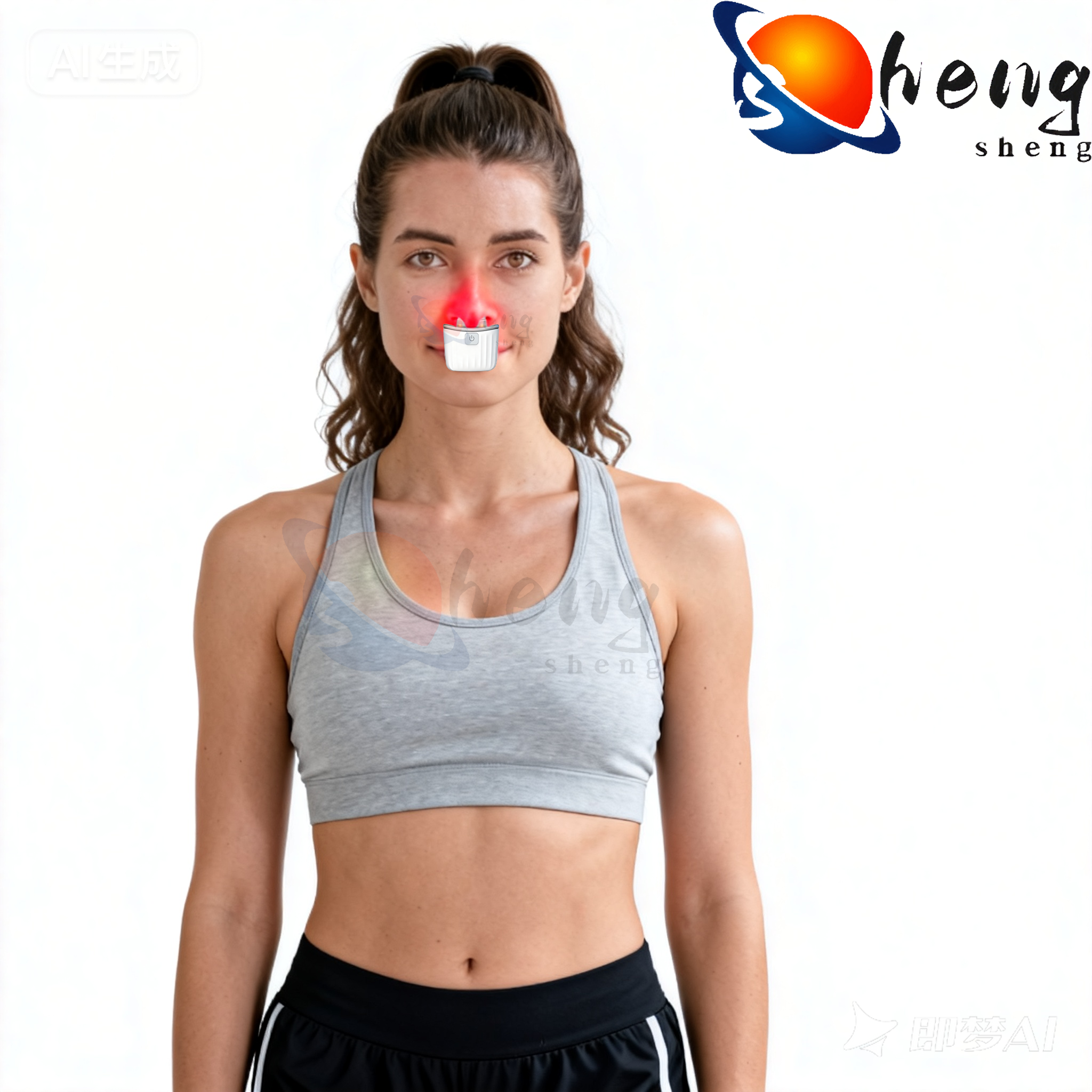
Modern dermatological practices have embraced advanced technologies to address various skin conditions, with treatment with laser emerging as one of the most effective and versatile approaches. This revolutionary technology harnesses the power of focused light energy to target specific skin concerns, offering patients remarkable results with minimal downtime. The precision and controlled nature of treatment with laser make it an ideal choice for addressing everything from acne scars and pigmentation issues to signs of aging and various dermatological conditions.

The science behind laser therapy involves the delivery of concentrated light beams that penetrate the skin at specific wavelengths, targeting particular chromophores within the tissue. This targeted approach allows practitioners to address specific skin concerns while preserving surrounding healthy tissue. Treatment with laser works by creating controlled thermal injury to stimulate the body's natural healing processes, promoting collagen production and cellular regeneration that ultimately leads to improved skin texture, tone, and appearance.
Understanding the Mechanisms of Laser Skin Treatment
Photobiomodulation and Cellular Response
The fundamental principle underlying treatment with laser lies in photobiomodulation, a process where specific wavelengths of light interact with cellular components to trigger beneficial biological responses. When laser energy is absorbed by target tissues, it initiates a cascade of cellular events that promote healing and regeneration. The mitochondria within skin cells respond to this light energy by increasing ATP production, enhancing cellular metabolism and accelerating the natural repair processes.
This cellular stimulation through treatment with laser results in increased collagen synthesis, improved blood circulation, and enhanced lymphatic drainage. The controlled thermal effect creates microscopic zones of injury that prompt the skin to produce new, healthy tissue while breaking down damaged or unwanted structures. This process is particularly effective for addressing scarring, hyperpigmentation, and signs of photoaging.
Wavelength Selection and Tissue Targeting
Different laser wavelengths penetrate the skin to varying depths and target specific chromophores, making treatment with laser highly customizable for different conditions. Red and near-infrared wavelengths, typically ranging from 630 to 850 nanometers, are commonly used for their ability to penetrate deeper into the dermis while promoting healing without causing surface damage. These wavelengths are particularly effective for stimulating collagen production and reducing inflammation.
The selectivity of laser wavelengths allows practitioners to target specific skin concerns with precision. Treatment with laser can be tailored to address melanin for pigmentation issues, hemoglobin for vascular lesions, or water content for resurfacing procedures. This targeted approach ensures maximum therapeutic benefit while minimizing damage to surrounding healthy tissue, resulting in faster healing times and reduced side effects.
Clinical Applications in Dermatological Conditions
Acne and Post-Inflammatory Hyperpigmentation
Treatment with laser has proven exceptionally effective in managing acne and its associated complications, including scarring and post-inflammatory hyperpigmentation. The antibacterial properties of certain laser wavelengths help eliminate Propionibacterium acnes, the bacteria responsible for inflammatory acne lesions. Additionally, the anti-inflammatory effects of laser therapy reduce redness and swelling associated with active breakouts.
For post-acne concerns, treatment with laser stimulates collagen remodeling to improve the appearance of atrophic scars while targeting melanin deposits to reduce hyperpigmentation. The controlled thermal injury promotes the formation of new, healthy tissue that gradually replaces scarred areas. Multiple sessions of laser therapy can significantly improve skin texture and reduce the visibility of acne-related damage.
Age-Related Skin Changes and Photoaging
The natural aging process, combined with cumulative sun exposure, leads to various skin changes that can be effectively addressed through treatment with laser. Fine lines, wrinkles, age spots, and loss of skin elasticity are common concerns that respond well to laser therapy. The stimulation of collagen and elastin production helps restore skin firmness and reduces the appearance of aging signs.
Treatment with laser for photoaging typically involves promoting cellular turnover and encouraging the formation of new, healthy skin cells. The process helps even out skin tone, reduce pigmentation irregularities, and improve overall skin texture. Regular laser treatments can maintain these improvements and prevent further signs of aging when combined with proper skincare and sun protection.
Treatment Protocols and Clinical Considerations
Patient Assessment and Treatment Planning
Successful outcomes with treatment with laser begin with thorough patient assessment and individualized treatment planning. Practitioners must evaluate skin type, condition severity, patient expectations, and any contraindications before developing a treatment protocol. The Fitzpatrick skin type classification system helps determine appropriate laser parameters and treatment intervals to minimize risks and optimize results.
Treatment with laser requires careful consideration of factors such as medication use, recent sun exposure, and underlying medical conditions that may affect healing. A comprehensive consultation allows practitioners to set realistic expectations and develop a treatment schedule that aligns with the patient's lifestyle and goals. Pre-treatment skin preparation may include the use of specific skincare products to optimize treatment outcomes.
Safety Protocols and Risk Management
The safety profile of treatment with laser is excellent when proper protocols are followed and appropriate equipment is used. Modern laser devices incorporate advanced safety features such as skin cooling systems, adjustable parameters, and built-in sensors that monitor treatment delivery. Practitioners must be properly trained in laser physics, skin anatomy, and emergency procedures to ensure patient safety.
Potential side effects of treatment with laser are generally mild and temporary, including slight redness, mild swelling, or temporary changes in pigmentation. Proper post-treatment care, including sun protection and appropriate skincare, minimizes these risks and promotes optimal healing. Patients should be educated about what to expect during and after treatment to ensure compliance with aftercare instructions.
Technological Advances in Laser Therapy
Fractional Laser Technology
Fractional laser technology represents a significant advancement in treatment with laser, offering improved results with reduced downtime compared to traditional full-field treatments. This approach creates thousands of microscopic treatment zones while leaving surrounding tissue intact, promoting faster healing and reducing the risk of complications. The fractional method allows for deeper penetration and more effective treatment of various skin concerns.
Treatment with laser using fractional technology can be customized for different conditions by adjusting parameters such as pulse duration, energy density, and treatment coverage. This versatility makes fractional lasers suitable for addressing everything from mild texture irregularities to deep acne scars and significant photoaging.
Combination Therapies and Multi-Modal Approaches
Contemporary aesthetic medicine increasingly employs combination approaches that integrate treatment with laser alongside other therapeutic modalities. Combining laser therapy with radiofrequency energy, ultrasound, or topical treatments can enhance results and address multiple skin concerns simultaneously. These multi-modal approaches often provide superior outcomes compared to single-treatment methods.
The synergistic effects of combined treatments allow practitioners to customize treatment with laser protocols for individual patient needs. For example, combining ablative and non-ablative laser treatments can address both surface irregularities and deeper structural concerns in a single session. This approach maximizes treatment efficiency while minimizing the total number of sessions required.
Clinical Outcomes and Evidence-Based Results
Efficacy Studies and Patient Satisfaction
Extensive clinical research demonstrates the effectiveness of treatment with laser for various dermatological conditions. Studies consistently show significant improvements in skin texture, tone, and overall appearance following laser therapy protocols. Patient satisfaction rates are typically high, with most individuals reporting noticeable improvements within weeks of treatment and continued enhancement over several months.
Long-term follow-up studies indicate that treatment with laser provides lasting results, particularly when combined with appropriate maintenance protocols and proper skincare. The stimulation of collagen production continues for months after treatment, leading to progressive improvement in skin quality. Regular maintenance sessions can help sustain these benefits and prevent the recurrence of certain conditions.
Comparative Analysis with Alternative Treatments
When compared to traditional treatment methods, treatment with laser offers several advantages including precision targeting, minimal invasiveness, and predictable results. Unlike chemical peels or dermabrasion, laser therapy can be precisely controlled to affect only specific tissue layers while preserving surrounding healthy skin. This precision reduces healing time and minimizes the risk of complications.
The versatility of treatment with laser allows practitioners to address multiple skin concerns with a single technology, making it a cost-effective solution for both patients and practice owners. The ability to customize treatment parameters for individual patient needs ensures optimal outcomes while maintaining high safety standards throughout the treatment process.
Future Directions and Emerging Technologies
Artificial Intelligence and Treatment Optimization
The integration of artificial intelligence into treatment with laser protocols represents the next frontier in personalized aesthetic medicine. AI-powered systems can analyze skin conditions, predict treatment outcomes, and automatically adjust laser parameters for optimal results. These technologies promise to enhance treatment precision while reducing the risk of human error in parameter selection.
Machine learning algorithms are being developed to analyze treatment responses and continuously refine treatment with laser protocols based on outcomes data. This approach will enable practitioners to achieve more consistent results while identifying the most effective treatment parameters for specific patient populations and skin conditions.
Novel Laser Wavelengths and Delivery Methods
Research into new laser wavelengths and delivery methods continues to expand the possibilities for treatment with laser applications. Emerging technologies include ultra-short pulse lasers, novel wavelength combinations, and advanced cooling systems that further enhance patient comfort and treatment outcomes. These innovations promise to make laser therapy even more effective and accessible to a broader range of patients.
The development of portable and user-friendly laser devices is making treatment with laser more accessible for various clinical settings. These advancements include improved safety features, simplified operation protocols, and enhanced treatment monitoring capabilities that ensure consistent results across different practice environments.
FAQ
How many sessions of laser treatment are typically required for optimal results?
The number of treatment with laser sessions required depends on the specific condition being addressed, skin type, and individual response to therapy. Most patients see initial improvements after 3-4 sessions, with optimal results typically achieved after 6-8 treatments spaced 2-4 weeks apart. Maintenance sessions may be recommended every 3-6 months to sustain results and prevent recurrence of certain conditions.
What should patients expect during recovery from laser skin treatment?
Recovery from treatment with laser is generally mild, with most patients experiencing slight redness and possible mild swelling that subsides within 24-48 hours. Some treatments may cause temporary darkening of pigmented lesions before they flake off naturally. Patients should avoid sun exposure, use gentle skincare products, and follow specific aftercare instructions provided by their practitioner to ensure optimal healing and results.
Are there any contraindications or risks associated with laser skin treatments?
While treatment with laser is generally safe, certain conditions may contraindicate therapy, including active infections, recent isotretinoin use, pregnancy, or certain autoimmune disorders. Potential risks include temporary pigmentation changes, mild scarring, or infection if aftercare instructions are not followed. A thorough consultation with a qualified practitioner helps identify any contraindications and ensures appropriate treatment selection.
Can laser treatments be combined with other aesthetic procedures?
Treatment with laser can often be safely combined with other aesthetic procedures such as chemical peels, microneedling, or injectable treatments, though timing and sequencing are important considerations. Combination approaches may enhance overall results and address multiple skin concerns simultaneously. Your practitioner will develop an appropriate treatment plan that considers the compatibility and timing of different procedures to maximize benefits while minimizing risks.