EN
EN



The medical field has witnessed remarkable advancements in recent decades, with laser technology emerging as one of the most revolutionary innovations in surgical and therapeutic applications. Treatment with laser has transformed how healthcare professionals approach various medical conditions, offering unprecedented precision, reduced recovery times, and improved patient outcomes. This sophisticated technology harnesses the power of focused light energy to perform intricate procedures that were once considered impossible or extremely risky. As medical practitioners continue to explore the vast potential of laser-based interventions, patients worldwide are experiencing the transformative benefits of these cutting-edge treatments.
Understanding Laser Technology in Medical Applications
Fundamentals of Medical Laser Systems
Medical laser systems operate on the principle of stimulated emission of radiation, creating coherent light beams with specific wavelengths tailored for particular therapeutic applications. Treatment with laser involves the precise delivery of photons to targeted tissues, enabling healthcare providers to perform procedures with exceptional accuracy. These systems utilize various types of lasers, including carbon dioxide, neodymium-doped yttrium aluminum garnet, and diode lasers, each designed for specific medical applications. The controlled energy delivery allows surgeons to achieve therapeutic goals while minimizing damage to surrounding healthy tissues.
The sophistication of modern laser systems enables real-time monitoring and adjustment of parameters such as power output, pulse duration, and beam focus. This level of control ensures that treatment with laser procedures can be customized to individual patient needs and specific medical conditions. Advanced feedback mechanisms and computer-guided systems further enhance the precision and safety of laser-based interventions, making them increasingly attractive to medical professionals across various specialties.
Evolution of Laser Medicine
The journey of laser technology in medicine began in the 1960s and has undergone continuous refinement and expansion. Early applications focused primarily on ophthalmology and dermatology, but the scope of treatment with laser has expanded dramatically to encompass virtually every medical specialty. Technological advances have led to the development of more efficient, compact, and user-friendly laser systems that can be integrated into various clinical settings.
Contemporary laser systems feature enhanced safety protocols, improved beam delivery mechanisms, and sophisticated cooling systems that protect both patients and operators. The integration of artificial intelligence and machine learning algorithms has further revolutionized treatment with laser by enabling predictive analytics and automated parameter optimization. These developments have significantly reduced the learning curve for medical professionals while improving treatment outcomes and patient safety.
Precision and Accuracy in Surgical Procedures
Enhanced Surgical Precision
One of the most significant advantages of treatment with laser is the unparalleled precision it offers in surgical procedures. Laser beams can be focused to extremely small diameters, sometimes measuring just micrometers, allowing surgeons to target specific tissues with remarkable accuracy. This level of precision is particularly valuable in delicate procedures involving critical structures such as nerves, blood vessels, and organs where even minor deviations could result in serious complications.
The ability to control the depth of tissue penetration with laser energy enables surgeons to perform layer-by-layer tissue removal or modification. Treatment with laser allows for selective tissue ablation, where only the targeted pathological tissue is removed while preserving surrounding healthy structures. This precision translates to better functional outcomes, reduced risk of complications, and improved patient satisfaction rates across various surgical specialties.
Minimally Invasive Approaches
Laser technology has enabled the development of minimally invasive surgical techniques that significantly reduce patient trauma and recovery times. Treatment with laser often eliminates the need for large incisions, as procedures can be performed through small ports or natural body openings. This approach results in less tissue damage, reduced bleeding, and faster healing compared to traditional surgical methods.
The minimally invasive nature of many laser procedures allows patients to return to their normal activities more quickly, reducing the overall healthcare burden and improving quality of life. Treatment with laser has become the preferred approach for many conditions where traditional surgery would require extended hospitalization and lengthy recovery periods.
Reduced Bleeding and Improved Hemostasis
Coagulation Properties of Laser Energy
Laser energy possesses unique hemostatic properties that make it invaluable in surgical procedures where bleeding control is critical. The thermal effects of treatment with laser cause immediate coagulation of blood vessels, sealing them as the procedure progresses. This simultaneous cutting and coagulation capability reduces intraoperative bleeding significantly, improving surgical visibility and reducing the need for blood transfusions.
The ability to achieve hemostasis during tissue cutting is particularly beneficial in highly vascularized tissues or in patients with bleeding disorders. Treatment with laser provides surgeons with confidence when operating in challenging anatomical areas where conventional electrocautery might be insufficient or inappropriate. The precise control over coagulation depth and extent helps prevent excessive thermal damage to surrounding tissues while ensuring adequate hemostasis.
Advantages in Vascular Procedures
Vascular applications of laser technology have demonstrated exceptional results in treating various circulatory conditions. Treatment with laser enables precise vessel sealing and reconstruction procedures with minimal risk of bleeding complications. The technology is particularly effective in treating varicose veins, where laser energy is delivered directly into the vessel lumen to cause controlled thermal injury and subsequent vessel closure.
The endovenous laser treatment approach has become the gold standard for many vascular conditions due to its effectiveness and low complication rates. Treatment with laser in vascular applications offers patients excellent cosmetic results with minimal scarring and rapid return to normal activities. The precision of laser energy delivery ensures that only the targeted vessels are affected, preserving the integrity of surrounding tissues and structures.
Faster Healing and Recovery Times
Accelerated Tissue Regeneration
The unique interaction between laser energy and biological tissues promotes faster healing through several mechanisms. Treatment with laser stimulates cellular metabolism and increases local blood flow, creating an optimal environment for tissue regeneration. The precise nature of laser energy delivery minimizes collateral tissue damage, reducing the inflammatory response and accelerating the natural healing process.
Low-level laser therapy, also known as photobiomodulation, has demonstrated significant effects on wound healing at the cellular level. Treatment with laser can enhance collagen synthesis, promote angiogenesis, and stimulate the migration of healing cells to the treatment site. These biological effects result in faster wound closure, improved tissue quality, and reduced scar formation compared to conventional treatment methods.
Reduced Post-Operative Complications
The precision and sterile nature of laser procedures significantly reduce the risk of post-operative complications such as infections and dehiscence. Treatment with laser creates a sterile field during the procedure, as the high energy effectively destroys bacteria and other microorganisms in the treatment area. This antimicrobial effect contributes to lower infection rates and improved healing outcomes.
The reduced tissue trauma associated with laser procedures translates to less post-operative pain and swelling. Patients undergoing treatment with laser often require fewer pain medications and experience shorter recovery periods compared to traditional surgical approaches. The improved patient experience and faster return to normal activities make laser procedures increasingly attractive to both patients and healthcare providers.
Applications Across Medical Specialties
Ophthalmology and Vision Correction
Ophthalmology was among the first medical specialties to embrace laser technology, and treatment with laser has become indispensable in modern eye care. Refractive surgery procedures such as LASIK and PRK have transformed vision correction, offering patients freedom from glasses and contact lenses. The precision of laser energy allows for microscopic reshaping of the cornea, correcting refractive errors with remarkable accuracy.
Retinal disorders, including diabetic retinopathy and macular degeneration, benefit significantly from laser interventions. Treatment with laser can seal leaking blood vessels, destroy abnormal tissue growths, and preserve vision in patients with progressive retinal diseases. The non-invasive nature of many ophthalmic laser procedures allows for outpatient treatment with minimal discomfort and rapid visual recovery.
Dermatology and Cosmetic Applications
Dermatological applications of laser technology continue to expand, offering solutions for both medical and cosmetic concerns. Treatment with laser can effectively remove unwanted hair, eliminate pigmented lesions, and improve skin texture and appearance. The selective photothermolysis principle allows different laser wavelengths to target specific chromophores in the skin, achieving desired results while preserving surrounding healthy tissue.
Aesthetic laser procedures have gained tremendous popularity due to their effectiveness and minimal downtime. Treatment with laser for skin rejuvenation, wrinkle reduction, and scar improvement offers patients non-surgical alternatives to traditional cosmetic procedures. The controlled thermal effects of laser energy stimulate collagen production and tissue remodeling, resulting in improved skin quality and appearance over time.
Safety Considerations and Risk Management
Enhanced Safety Protocols
Modern laser systems incorporate numerous safety features designed to protect both patients and healthcare providers during treatment procedures. Treatment with laser requires adherence to strict safety protocols, including appropriate eye protection, controlled access to treatment areas, and comprehensive training for all personnel involved. Advanced laser systems feature automatic shut-off mechanisms, beam guards, and real-time monitoring systems that enhance overall safety.
The development of smart laser systems with integrated safety algorithms has significantly reduced the risk of adverse events during laser procedures. Treatment with laser now benefits from automated parameter adjustment based on real-time tissue feedback, preventing overtreatment and reducing the possibility of thermal damage. These technological advances have made laser procedures safer and more predictable than ever before.
Training and Certification Requirements
Proper training and certification are essential components of safe laser practice in medical settings. Healthcare providers must complete comprehensive education programs that cover laser physics, tissue interactions, safety protocols, and clinical applications specific to their specialty. Treatment with laser requires ongoing education and competency assessment to ensure optimal patient outcomes and minimize risks.
Professional organizations and regulatory bodies have established guidelines and standards for laser use in medical practice. These frameworks ensure that treatment with laser is performed by qualified practitioners using appropriate equipment and following established safety protocols. Continuous professional development and peer review processes help maintain high standards of care in laser medicine.
Future Developments and Emerging Technologies
Advanced Laser Systems and Techniques
The future of treatment with laser holds exciting possibilities as researchers continue to develop more sophisticated systems and techniques. Femtosecond lasers, which deliver ultra-short pulses of energy, are revolutionizing precision surgery by enabling tissue modification at the molecular level. These advanced systems offer unprecedented control over laser-tissue interactions, opening new possibilities for previously untreatable conditions.
Artificial intelligence integration is transforming treatment with laser by enabling predictive modeling, automated treatment planning, and real-time parameter optimization. Machine learning algorithms can analyze patient data and treatment outcomes to optimize laser parameters for individual cases, improving results while reducing treatment times and costs.
Expanding Clinical Applications
Researchers are continuously exploring new applications for laser technology across various medical specialties. Treatment with laser is showing promise in areas such as cancer therapy, where photodynamic therapy combines laser light with photosensitizing drugs to selectively destroy malignant cells. Regenerative medicine applications are investigating the use of laser energy to stimulate stem cell activity and promote tissue regeneration.
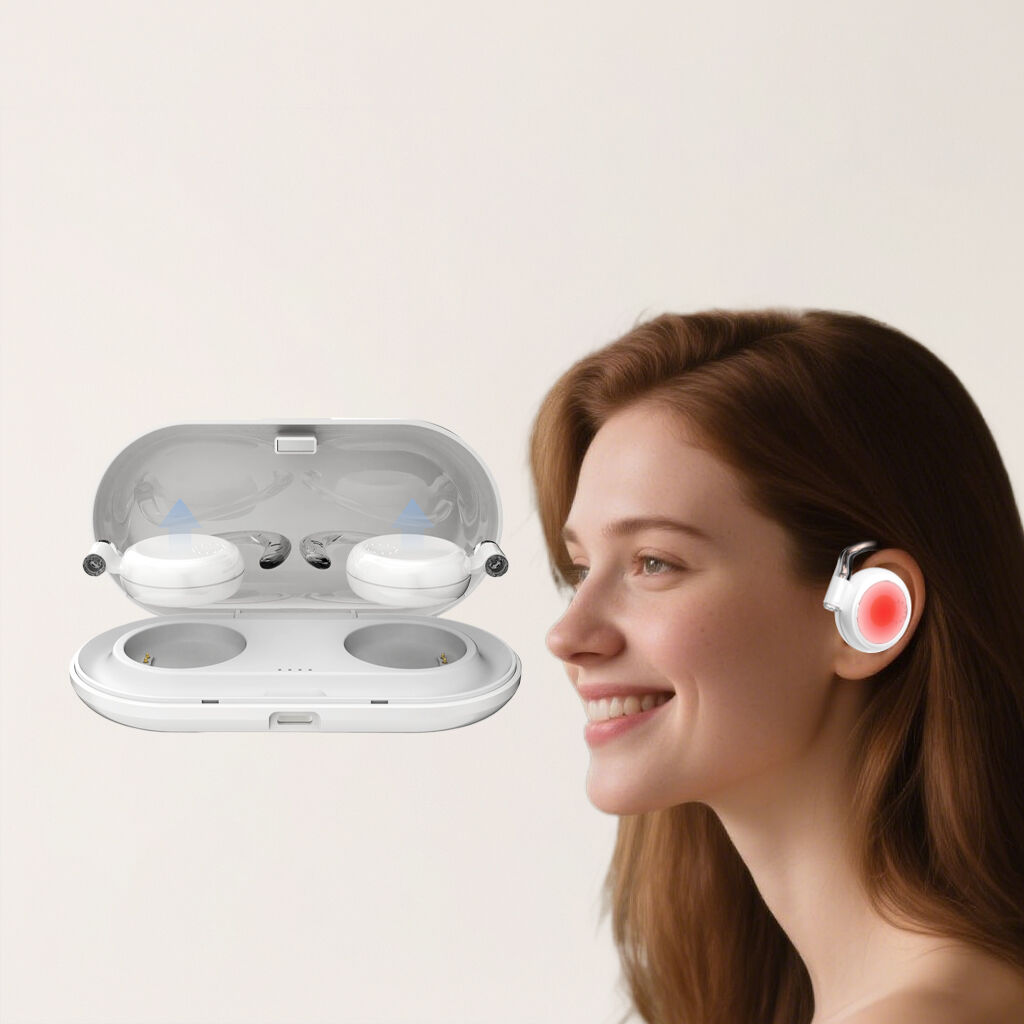
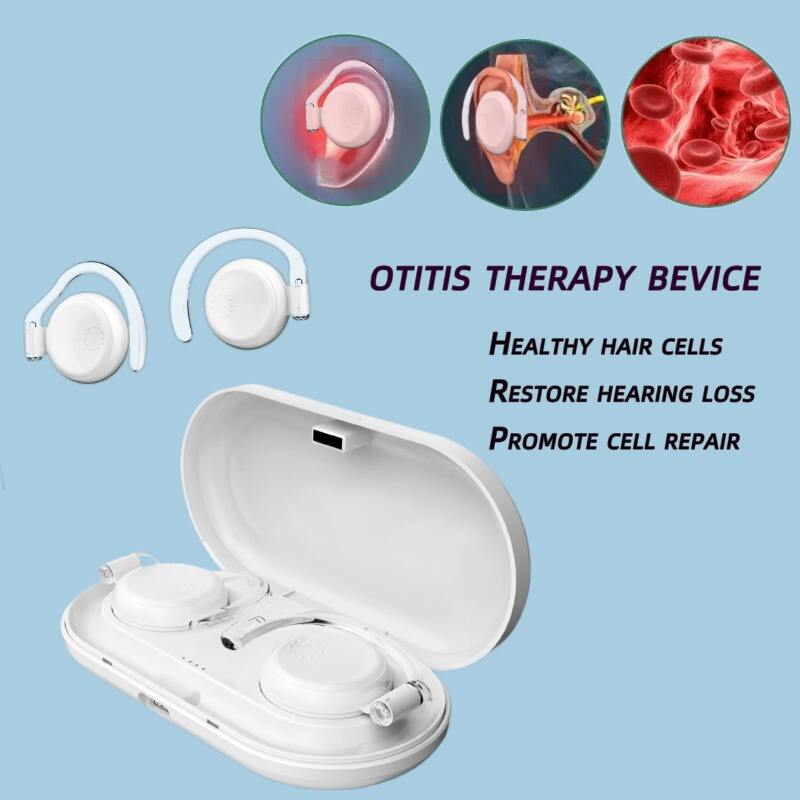
The miniaturization of laser systems is enabling the development of portable and wearable devices for home-based treatments. Treatment with laser may soon be accessible for routine self-care applications, allowing patients to manage certain conditions independently under professional guidance. These developments could revolutionize healthcare delivery by making advanced laser therapies more accessible and cost-effective.
FAQ
What types of medical conditions can be treated with laser therapy
Treatment with laser can address a wide range of medical conditions across multiple specialties. In ophthalmology, laser therapy is used for vision correction, retinal disorders, and glaucoma management. Dermatological conditions such as acne scars, pigmented lesions, vascular malformations, and unwanted hair respond well to laser treatment. Surgical applications include tumor removal, cardiovascular procedures, and urological interventions. Additionally, low-level laser therapy shows promise in pain management, wound healing, and inflammatory conditions.
How safe is treatment with laser compared to traditional surgical methods
Treatment with laser is generally considered safer than traditional surgical methods due to its precision and minimally invasive nature. The risk of bleeding, infection, and scarring is typically reduced with laser procedures. However, safety depends on proper equipment maintenance, adequate training of healthcare providers, and adherence to established protocols. Modern laser systems incorporate multiple safety features and real-time monitoring capabilities that enhance patient protection. As with any medical procedure, potential risks should be discussed with qualified healthcare professionals.
What should patients expect during recovery from laser procedures
Recovery from treatment with laser varies depending on the specific procedure and individual patient factors. Generally, patients experience less post-operative pain, swelling, and scarring compared to traditional surgical approaches. Many laser procedures are performed on an outpatient basis, allowing patients to return home the same day. Recovery times are typically shorter, with most patients resuming normal activities within days to weeks rather than months. Specific post-treatment care instructions will be provided by healthcare providers to optimize healing and prevent complications.
Are there any limitations or contraindications for laser treatment
While treatment with laser offers numerous benefits, certain limitations and contraindications exist. Patients with specific medical conditions, such as active infections at the treatment site, certain autoimmune disorders, or pregnancy, may not be suitable candidates for laser procedures. Some medications and skin conditions can affect laser treatment outcomes or increase complication risks. Age, skin type, and previous treatments may also influence suitability for laser therapy. A thorough medical evaluation and consultation with qualified practitioners is essential to determine the appropriateness of treatment with laser for individual patients.
Table of Contents
- Understanding Laser Technology in Medical Applications
- Precision and Accuracy in Surgical Procedures
- Reduced Bleeding and Improved Hemostasis
- Faster Healing and Recovery Times
- Applications Across Medical Specialties
- Safety Considerations and Risk Management
- Future Developments and Emerging Technologies
- FAQ