EN
EN



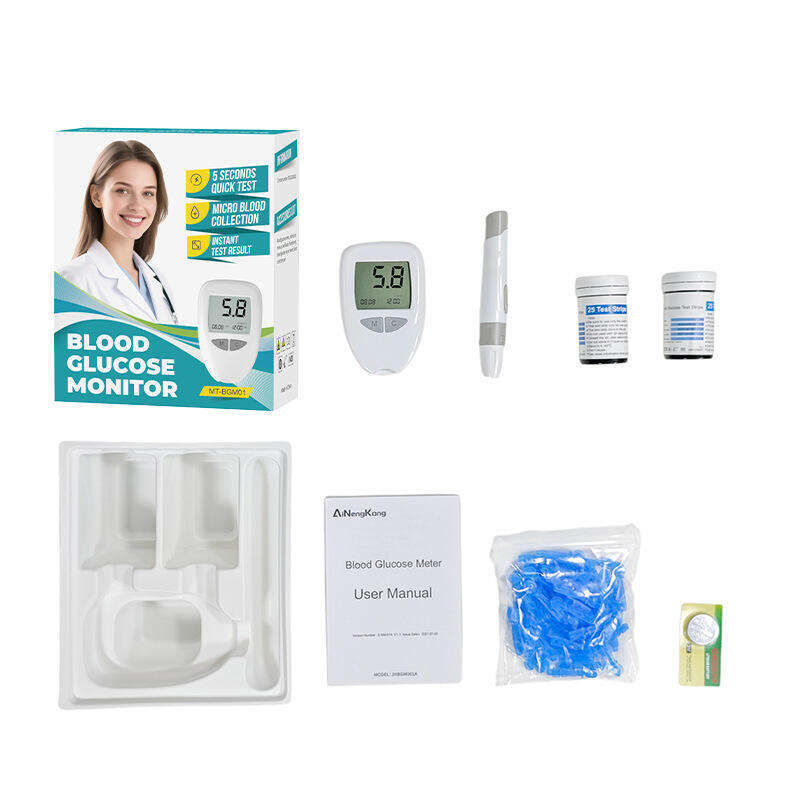
Managing blood sugar levels is crucial for maintaining optimal health, especially for individuals with diabetes or prediabetes. A glucose monitor serves as an essential tool that provides real-time insights into your body's glucose levels, empowering you to make informed decisions about your diet, exercise, and medication. Understanding how to effectively use a glucose monitor can significantly improve your quality of life and help prevent serious health complications associated with uncontrolled blood sugar levels.
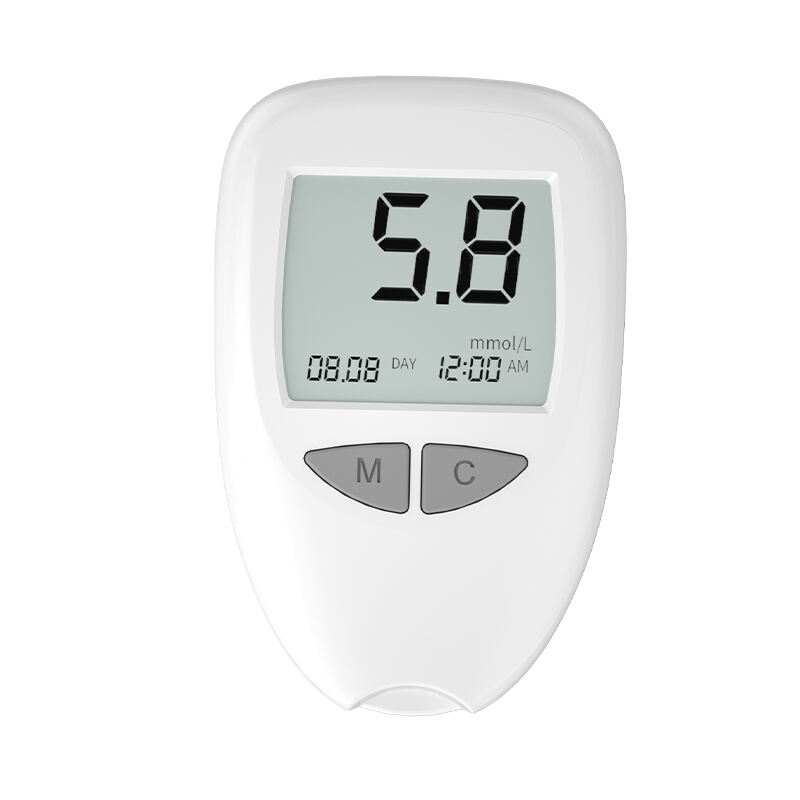
Understanding the Importance of Blood Glucose Monitoring
The Role of Glucose in Your Body
Glucose serves as the primary source of energy for your body's cells, tissues, and organs. When you consume food, particularly carbohydrates, your digestive system breaks down these nutrients into glucose, which then enters your bloodstream. Your pancreas responds by releasing insulin, a hormone that helps cells absorb glucose for energy or storage. However, when this delicate balance is disrupted, it can lead to various health complications that require careful monitoring and management.
For individuals with diabetes, the body either doesn't produce enough insulin or cannot effectively use the insulin it produces. This results in elevated blood glucose levels, which can cause both immediate and long-term health problems. A glucose monitor becomes an invaluable tool in this scenario, providing the data needed to maintain glucose levels within a healthy range and prevent complications such as cardiovascular disease, nerve damage, and kidney problems.
Why Regular Monitoring Matters
Regular blood glucose monitoring offers numerous benefits beyond simply tracking numbers. It provides insights into how different foods, activities, medications, and stress levels affect your blood sugar. This information enables you to identify patterns and make proactive adjustments to your lifestyle and treatment plan. Without consistent monitoring, you might miss dangerous fluctuations that could lead to hypoglycemia or hyperglycemia.
Healthcare professionals rely on glucose monitoring data to make informed decisions about medication adjustments, dietary recommendations, and treatment modifications. The information collected from your glucose monitor serves as a communication bridge between you and your healthcare team, ensuring that your management plan remains effective and responsive to your body's changing needs.
Types and Features of Modern Glucose Monitors
Traditional Blood Glucose Meters
Traditional blood glucose meters require a small blood sample obtained through a fingerstick using a lancet. These devices have been the gold standard for glucose monitoring for decades and continue to provide accurate, reliable readings. Modern versions of these glucose monitor devices feature improved accuracy, faster results, and user-friendly interfaces that make testing more convenient and less intimidating for users of all ages.
Many contemporary glucose monitors offer additional features such as memory storage for hundreds of readings, averaging capabilities, and connectivity options that allow data transfer to smartphones or computers. Some models also include alternate site testing capabilities, allowing users to obtain blood samples from areas other than fingertips, which can be particularly beneficial for individuals who test frequently throughout the day.
Continuous Glucose Monitoring Systems
Continuous glucose monitoring systems represent a significant advancement in glucose tracking technology. These devices use a small sensor inserted under the skin to measure glucose levels in interstitial fluid throughout the day and night. Unlike traditional glucose monitor devices that provide single-point readings, continuous systems offer real-time data and trends, alerting users to impending high or low glucose events.
The advantage of continuous monitoring lies in its ability to detect glucose fluctuations that might otherwise go unnoticed. This technology is particularly valuable for individuals with unpredictable glucose patterns or those who experience frequent episodes of hypoglycemia. The comprehensive data provided by continuous systems enables more precise insulin dosing and better overall glucose management.
Health Benefits of Regular Glucose Monitoring
Prevention of Diabetic Complications
Consistent use of a glucose monitor plays a crucial role in preventing both acute and chronic diabetic complications. By maintaining glucose levels within target ranges, individuals significantly reduce their risk of developing diabetic ketoacidosis, a life-threatening condition that can occur when blood sugar levels become dangerously high. Regular monitoring also helps prevent severe hypoglycemic episodes that can lead to confusion, loss of consciousness, or even coma.
Long-term complications of diabetes, including cardiovascular disease, neuropathy, retinopathy, and nephropathy, are directly related to prolonged periods of elevated blood glucose. Studies have consistently shown that individuals who maintain better glucose control through regular monitoring experience fewer complications and enjoy better overall health outcomes. The data from your glucose monitor serves as an early warning system, allowing for timely interventions before complications develop.
Improved Quality of Life
Beyond preventing medical complications, regular glucose monitoring significantly enhances daily quality of life. When you understand how your blood sugar responds to different situations, you gain confidence in managing various activities, from dining out to exercising to traveling. This knowledge reduces anxiety and allows for more spontaneous and enjoyable experiences while maintaining good glucose control.
Many individuals report feeling more in control of their health when they consistently use a glucose monitor as part of their daily routine. The ability to make informed decisions about food choices, activity levels, and medication timing based on real data empowers individuals to take an active role in their health management rather than feeling like passive recipients of medical care.
Proper Usage and Best Practices
Establishing a Monitoring Schedule
Developing a consistent monitoring schedule is essential for maximizing the benefits of your glucose monitor. The frequency and timing of testing depend on various factors, including the type of diabetes, treatment regimen, and individual health goals. Most healthcare providers recommend testing before meals, two hours after meals, before bedtime, and occasionally during the night to capture a comprehensive picture of glucose patterns.
For individuals using insulin, more frequent testing may be necessary to guide dosing decisions and ensure safety. Those managing diabetes through diet and exercise alone might require less frequent monitoring, but regular testing remains important for tracking progress and identifying trends. Your healthcare team can help establish an appropriate testing schedule that balances the need for information with practical considerations and quality of life.
Maintaining Accuracy and Reliability
Ensuring accurate results from your glucose monitor requires attention to proper technique and device maintenance. Always wash and dry your hands thoroughly before testing, as residual food particles or substances can affect readings. Use fresh test strips and ensure they are stored properly according to manufacturer guidelines, as expired or improperly stored strips can produce inaccurate results.
Regular calibration and quality control checks help maintain the accuracy of your glucose monitor over time. Many devices include control solutions that allow you to verify that your meter and strips are working correctly. Additionally, comparing periodic readings with laboratory results during medical appointments helps ensure that your home monitoring remains accurate and reliable.
Integration with Overall Health Management
Coordinating with Healthcare Providers
Effective glucose monitoring extends beyond simply taking readings; it involves actively sharing and discussing the data with your healthcare team. Regular review of glucose monitor records allows healthcare providers to assess the effectiveness of current treatments and make necessary adjustments to medications, meal plans, or lifestyle recommendations. This collaborative approach ensures that your management plan evolves with your changing needs and circumstances.
Modern glucose monitor devices often include features that facilitate data sharing with healthcare providers. Many meters can connect to smartphone apps or computer programs that organize readings into charts and reports, making it easier to identify trends and patterns. Some systems even allow for remote monitoring, enabling healthcare providers to review your data between appointments and provide timely feedback or recommendations.
Lifestyle Modifications and Behavior Changes
The data collected from your glucose monitor serves as powerful motivation for positive lifestyle changes. When you can see the immediate impact of different foods, exercise routines, or stress management techniques on your blood sugar levels, you're more likely to make and maintain healthy choices. This real-time feedback creates a direct connection between actions and consequences, reinforcing beneficial behaviors.
Many individuals discover surprising insights about their bodies through consistent glucose monitoring. For example, they might learn that certain foods they considered healthy actually cause significant glucose spikes, or that specific types of exercise have particularly beneficial effects on their blood sugar control. These personalized insights enable more targeted and effective lifestyle modifications that are tailored to individual responses and preferences.
Technology and Innovation in Glucose Monitoring
Smart Features and Connectivity
Modern glucose monitor technology has evolved to include smart features that enhance user experience and improve health outcomes. Many contemporary devices offer Bluetooth connectivity, allowing seamless data transfer to smartphones, tablets, or computers. This connectivity enables users to track trends over time, set reminders for testing, and share information with healthcare providers or family members as needed.
Advanced glucose monitor systems may include predictive algorithms that can forecast potential glucose trends based on historical data and current readings. These predictive features can alert users to take preventive action before glucose levels move outside target ranges, providing an additional layer of safety and control in diabetes management.
Future Developments and Emerging Technologies
The field of glucose monitoring continues to evolve with emerging technologies that promise to make monitoring even more convenient and comprehensive. Research is ongoing into non-invasive monitoring methods that could eliminate the need for blood samples entirely, using technologies such as optical sensors or electromagnetic measurements to assess glucose levels through the skin.
Integration with other health monitoring devices, such as fitness trackers and smartwatches, is creating more holistic health management ecosystems. These integrated systems can correlate glucose data with physical activity, sleep patterns, and other health metrics to provide a more complete picture of overall wellness and identify additional opportunities for health optimization.
Frequently Asked Questions
How often should I test my blood glucose levels
The frequency of glucose monitoring varies depending on your type of diabetes, treatment plan, and individual health goals. Most healthcare providers recommend testing at least four times daily for individuals using insulin, including before meals and at bedtime. Those managing diabetes with oral medications or lifestyle modifications alone may test less frequently, but should still monitor regularly to track their progress and identify any concerning trends.
What factors can affect glucose monitor readings
Several factors can influence the accuracy of glucose monitor readings, including improper hand hygiene, expired test strips, extreme temperatures, dehydration, and certain medications. Environmental conditions such as high altitude or humidity can also affect some devices. Additionally, applying too little blood to the test strip or using strips that have been exposed to moisture or heat can result in inaccurate readings.
When should I contact my healthcare provider about glucose readings
You should contact your healthcare provider immediately if your glucose monitor consistently shows readings above 300 mg/dL or below 70 mg/dL, especially if accompanied by symptoms such as nausea, vomiting, confusion, or difficulty breathing. Additionally, seek medical advice if you notice persistent patterns of high or low readings that don't respond to your usual management strategies, or if you experience frequent glucose fluctuations that interfere with your daily activities.
Can I use my glucose monitor results to adjust my medication
While glucose monitor data is essential for diabetes management, medication adjustments should only be made under the guidance of your healthcare provider or according to a specific action plan they have provided. Many individuals with diabetes work with their healthcare team to develop sliding scale protocols or correction factors that allow for safe insulin adjustments based on glucose readings, but these protocols must be individualized and clearly established before implementation.