EN
EN



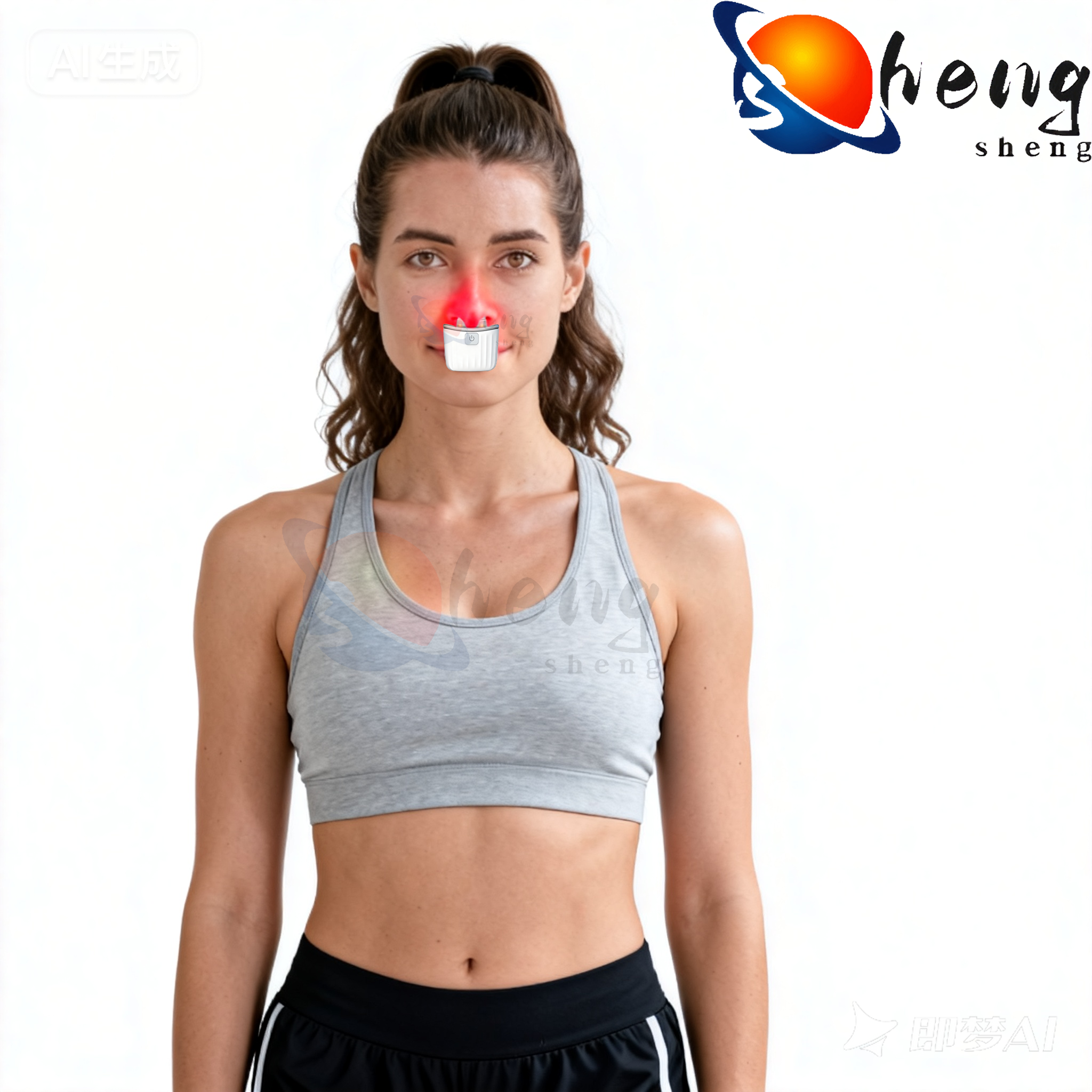
Understanding the Revolutionary Impact of Cold Laser Treatment in Modern Medicine
Cold laser therapy represents a groundbreaking advancement in medical treatment, offering patients a non-invasive solution for various conditions. This innovative therapeutic approach harnesses the power of low-level light to stimulate healing at the cellular level, providing remarkable benefits without the risks associated with traditional invasive procedures. As healthcare continues to evolve, cold laser therapy has emerged as a cornerstone of modern therapeutic interventions, transforming the way practitioners approach pain management and tissue repair.
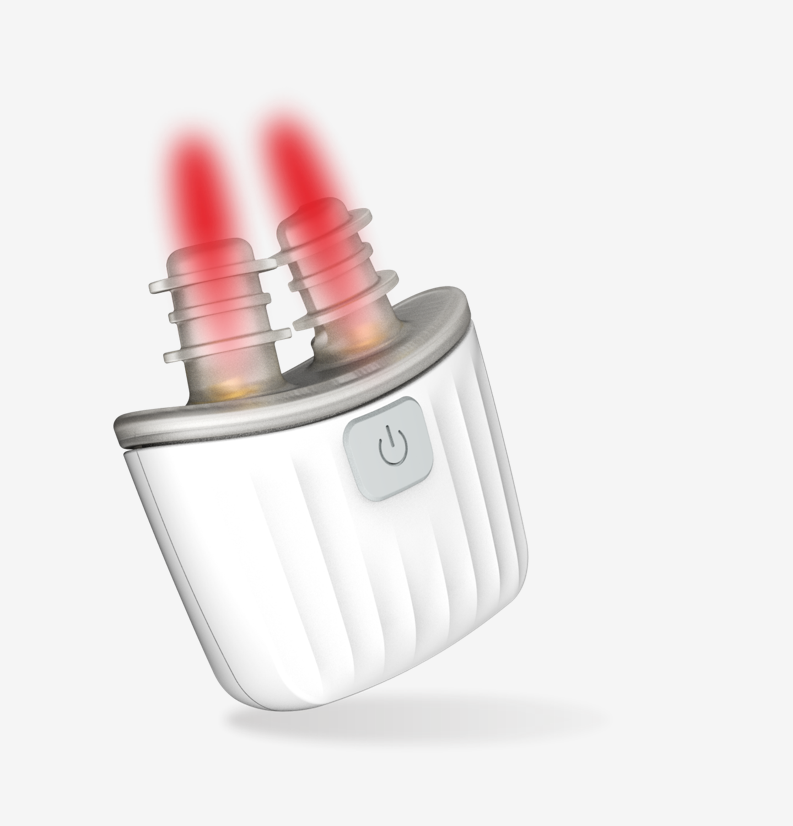
The Science Behind Cold Laser Therapy
Cellular Mechanisms and Healing Properties
At its core, cold laser therapy works through a process called photobiomodulation. When specific wavelengths of light penetrate the skin and reach damaged tissues, they trigger a series of biological reactions. These reactions stimulate the production of ATP (adenosine triphosphate), the primary energy source for cells, enabling them to function more efficiently and repair themselves more quickly.
The therapeutic light energy also promotes increased blood flow to the treated area, reducing inflammation and accelerating the natural healing process. This enhanced circulation helps deliver essential nutrients and oxygen to damaged tissues while removing waste products more effectively.
Treatment Parameters and Optimal Results
Success in cold laser therapy depends largely on selecting the appropriate wavelength, power density, and treatment duration for each specific condition. Practitioners must carefully calibrate these parameters based on the depth of the target tissue and the nature of the condition being treated. Typically, wavelengths between 600 and 1000 nanometers are used, with longer wavelengths penetrating deeper into the tissue.
The dosage and frequency of treatments vary depending on the condition's severity and the patient's response. While some patients may experience immediate relief, others may require multiple sessions to achieve optimal results. This individualized approach ensures that each patient receives the most effective treatment for their specific needs.
Applications and Clinical Benefits
Pain Management and Musculoskeletal Conditions
Cold laser therapy has shown remarkable effectiveness in treating various types of pain, particularly those related to musculoskeletal conditions. Whether dealing with chronic back pain, arthritis, or sports injuries, the therapy's ability to reduce inflammation and promote healing makes it an invaluable tool in pain management protocols.
The treatment has proven particularly beneficial for conditions such as tendinitis, carpal tunnel syndrome, and fibromyalgia. By targeting the source of pain and inflammation, cold laser therapy often provides lasting relief without the need for medication or surgery.
Wound Healing and Tissue Repair
One of the most significant applications of cold laser therapy lies in its ability to accelerate wound healing. The treatment stimulates collagen production, essential for tissue repair and regeneration. This makes it particularly effective for treating diabetic ulcers, surgical incisions, and other slow-healing wounds.
The therapy's ability to reduce scarring and promote healthy tissue formation has made it increasingly popular in post-surgical care and dermatology. Patients often experience faster recovery times and better aesthetic outcomes compared to traditional healing methods.
Implementation in Clinical Practice
Treatment Protocol Development
Successful implementation of cold laser therapy requires careful consideration of treatment protocols. Practitioners must develop comprehensive treatment plans that consider the patient's condition, medical history, and specific healing goals. This includes determining the optimal frequency of sessions, treatment duration, and progress monitoring methods.
Regular assessment and documentation of patient responses help refine these protocols over time, ensuring the most effective outcomes. This systematic approach allows practitioners to maximize the benefits of cold laser therapy while maintaining high standards of care.
Integration with Existing Treatments
Cold laser therapy works exceptionally well as part of a comprehensive treatment approach. When combined with other therapeutic modalities such as physical therapy, massage, or exercise programs, the synergistic effects can enhance overall treatment outcomes. This integrated approach allows practitioners to address multiple aspects of a patient's condition simultaneously.
The non-invasive nature of cold laser therapy makes it an ideal complement to existing treatment plans, often helping to reduce the need for pain medication or more invasive procedures.
Future Developments and Trends
Technological Advancements
The field of cold laser therapy continues to evolve with ongoing technological improvements. New devices offer greater precision, improved energy delivery systems, and better treatment customization options. These advances are making treatments more effective and efficient while expanding the range of conditions that can be addressed.
Research into new applications and treatment protocols is ongoing, with promising results in areas such as neurological conditions, cognitive function, and anti-aging treatments. These developments suggest an even broader role for cold laser therapy in future medical practice.
Research and Clinical Evidence
Growing scientific evidence supports the efficacy of cold laser therapy across various applications. Clinical studies continue to demonstrate positive outcomes in pain reduction, inflammation control, and tissue repair. This expanding body of research helps establish treatment guidelines and best practices while identifying new potential applications.
As more healthcare providers adopt cold laser therapy, the accumulation of clinical data will further refine treatment protocols and enhance our understanding of its therapeutic potential.
Frequently Asked Questions
How long does a typical cold laser therapy session last?
A typical cold laser therapy session usually lasts between 5 to 30 minutes, depending on the condition being treated and its severity. Some conditions may require shorter, more frequent sessions, while others benefit from longer treatment times.
What conditions can be treated with cold laser therapy?
Cold laser therapy can effectively treat a wide range of conditions, including acute and chronic pain, arthritis, tendinitis, sports injuries, wound healing, and inflammatory conditions. The therapy is also showing promise in treating neurological conditions and promoting overall wellness.
Is cold laser therapy safe for all patients?
Cold laser therapy is generally considered very safe with minimal risk of side effects. However, it may not be suitable for use directly over cancerous lesions, during pregnancy, or over certain endocrine glands. A qualified healthcare provider should always evaluate individual cases to determine appropriateness of treatment.
How many sessions are typically needed to see results?
The number of required sessions varies depending on the condition and individual response to treatment. Acute conditions may show improvement in 4-6 sessions, while chronic conditions might require 8-12 sessions or more for optimal results. Some patients experience immediate relief, while others may need several treatments before noticing significant improvements.