EN
EN



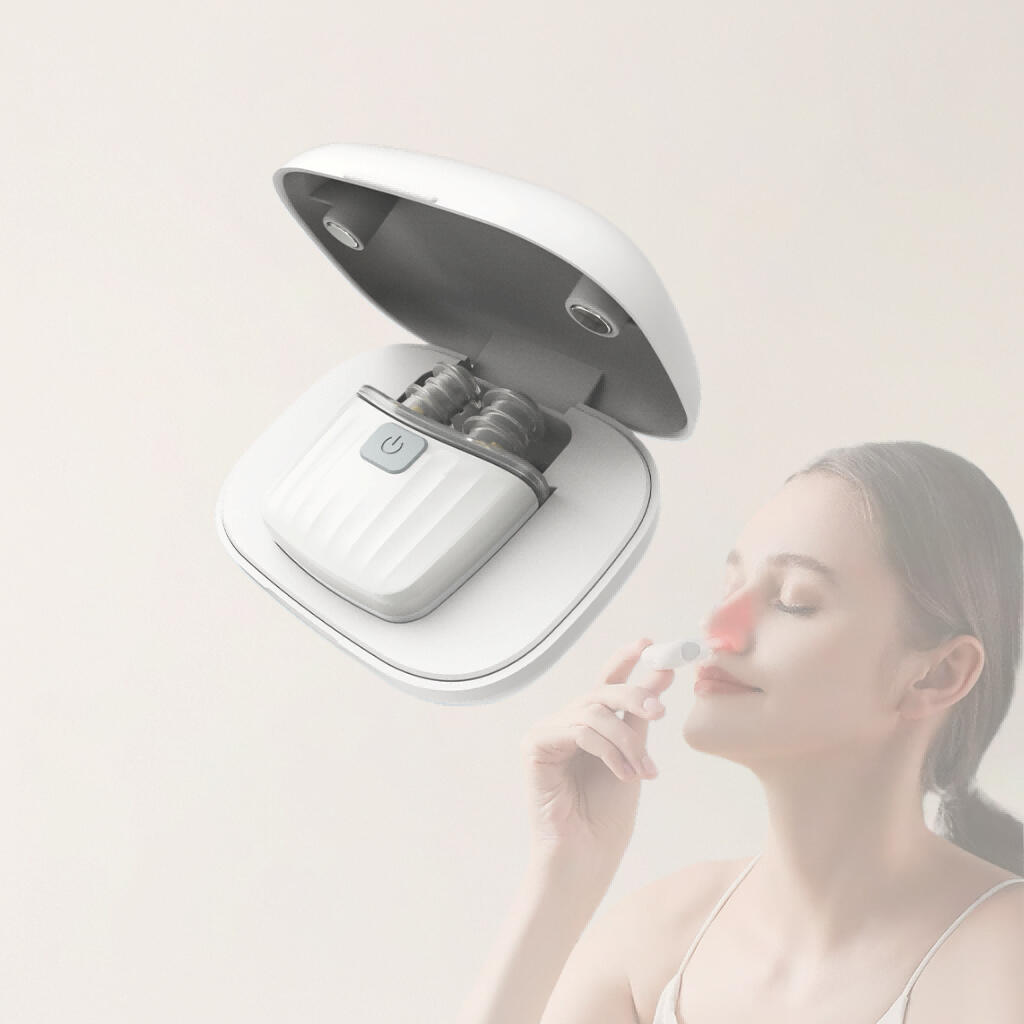
Understanding the Revolutionary Impact of Cold Laser Treatment
Cold laser therapy represents a groundbreaking advancement in medical treatment technology, offering patients a non-invasive approach to healing and pain management. This innovative therapeutic method uses low-level light to stimulate healing at the cellular level, promoting faster recovery and reduced inflammation. As medical professionals continue to explore its applications, cold laser therapy has emerged as a promising solution for various conditions, from chronic pain to acute injuries.
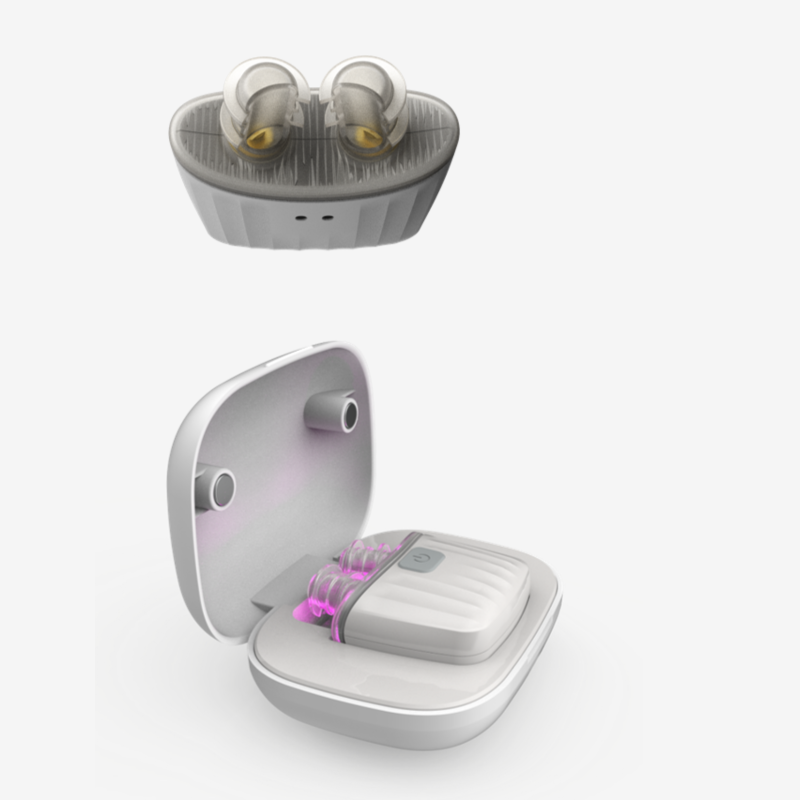
The technology behind cold laser therapy harnesses specific wavelengths of light that penetrate the skin's surface to interact with cells in damaged tissues. Unlike high-power lasers used in surgery, these low-level lasers don't generate heat or cause tissue damage. Instead, they trigger biochemical changes within cells, similar to how photosynthesis works in plants, enabling natural healing processes to occur more efficiently.
The Science Behind Cold Laser Therapy
Cellular Mechanisms and Energy Production
At its core, cold laser therapy works by stimulating the mitochondria, often called the powerhouse of cells. When specific wavelengths of light interact with these cellular components, they boost the production of adenosine triphosphate (ATP), the primary energy source for cell function and repair. This increased energy availability accelerates the healing process at the molecular level.
The enhanced cellular energy production leads to improved metabolic function, allowing cells to process nutrients more effectively and eliminate waste products more efficiently. This optimization of cellular function is particularly beneficial in damaged or injured tissues where healing processes may be compromised or sluggish.
Anti-inflammatory Effects and Pain Reduction
One of the most significant benefits of cold laser therapy is its ability to reduce inflammation naturally. The laser light stimulates the production of anti-inflammatory mediators while decreasing pro-inflammatory compounds. This dual action helps manage both acute and chronic inflammation more effectively than many traditional treatments.
The pain-reducing effects of cold laser therapy are achieved through multiple mechanisms. The treatment helps block pain signals at the nerve level while simultaneously promoting the release of endorphins, the body's natural pain-relieving compounds. This combination provides both immediate and long-lasting pain relief for many patients.
Applications and Treatment Protocols
Common Conditions Treated
Cold laser therapy has shown remarkable effectiveness in treating a wide range of conditions. Musculoskeletal injuries, including sprains, strains, and tendinitis, respond particularly well to this treatment modality. The therapy accelerates tissue repair while reducing pain and inflammation, making it an excellent option for both acute and chronic conditions.
Beyond musculoskeletal applications, cold laser therapy has demonstrated promising results in treating neuropathy, arthritis, and various inflammatory conditions. The versatility of this treatment allows healthcare providers to address multiple conditions with a single therapeutic approach, often reducing the need for medication or more invasive procedures.
Treatment Planning and Duration
Successful implementation of cold laser therapy requires careful planning and precise protocols. Treatment sessions typically last between 5 to 20 minutes, depending on the condition's severity and the area being treated. Most patients require multiple sessions to achieve optimal results, with acute conditions often responding more quickly than chronic issues.
Healthcare providers customize treatment plans based on individual patient needs, considering factors such as condition severity, tissue depth, and overall health status. This personalized approach ensures maximum therapeutic benefit while maintaining safety and comfort throughout the treatment process.
Advancing Healthcare Through Technology
Integration with Traditional Medicine
Cold laser therapy seamlessly integrates with conventional medical treatments, enhancing overall therapeutic outcomes. Many healthcare providers now incorporate this technology into comprehensive treatment plans, combining it with physical therapy, chiropractic care, or traditional medical interventions for optimal results.
The non-invasive nature of cold laser therapy makes it an excellent complement to other treatments, often accelerating healing times and improving patient comfort during recovery. This integration represents a significant advancement in modern healthcare delivery, offering patients more effective and less invasive treatment options.
Future Developments and Research
The field of cold laser therapy continues to evolve with ongoing research revealing new applications and refining existing protocols. Technological advancements are leading to more precise and powerful devices, expanding the range of treatable conditions and improving treatment efficiency.
Research institutions worldwide are conducting studies to further understand the mechanisms of cold laser therapy and identify new therapeutic applications. These investigations promise to unlock even more potential benefits and treatment possibilities in the coming years.
Frequently Asked Questions
Is cold laser therapy safe for all patients?
Cold laser therapy is generally considered very safe, with minimal risk of side effects. However, it may not be recommended for patients with certain conditions, such as cancer or pregnancy. Always consult with a qualified healthcare provider to determine if this treatment is appropriate for your specific situation.
How many sessions are typically needed to see results?
The number of required sessions varies depending on the condition being treated. Acute injuries might show improvement in 4-6 sessions, while chronic conditions may require 8-12 sessions or more. Your healthcare provider will develop a treatment plan based on your specific needs and monitor your progress throughout the course of therapy.
What does cold laser therapy feel like during treatment?
During treatment, most patients experience little to no sensation. Some may feel a mild, soothing warmth or tingling in the treated area. The procedure is painless and non-invasive, making it a comfortable experience for most individuals. Treatment sessions are typically short and require no recovery time.