EN
EN



The Rise of Non-Invasive Pain Management Solutions
In recent years, cold laser therapy has emerged as a groundbreaking approach to pain management, offering hope to millions seeking relief without medication or surgery. This innovative treatment modality uses specific wavelengths of light to penetrate deep into tissues, promoting healing and reducing inflammation at the cellular level. As more people seek natural alternatives to traditional pain management methods, cold laser therapy has gained significant traction in both medical facilities and physical therapy practices.
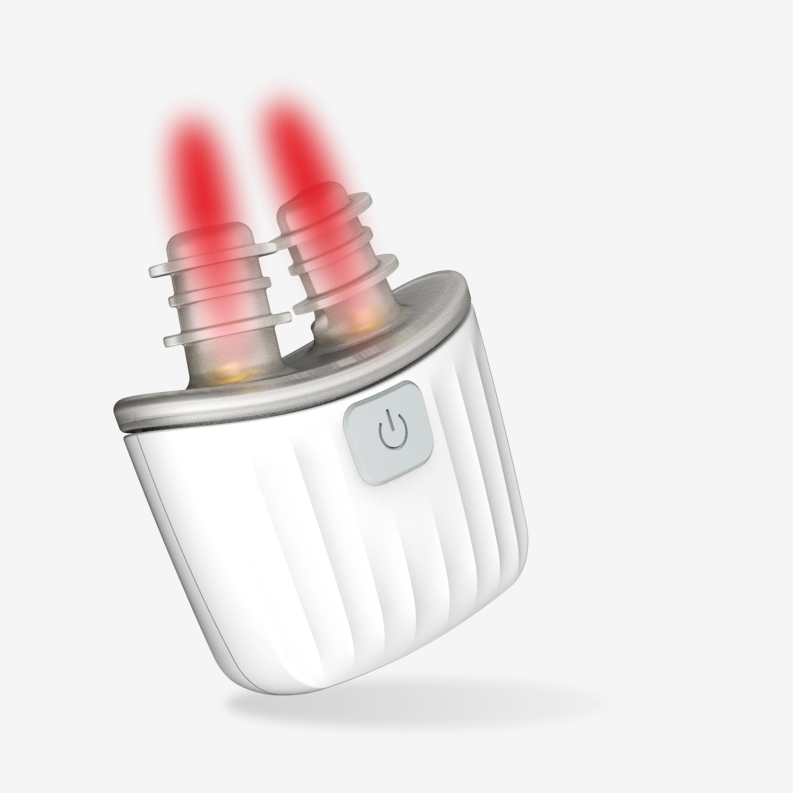
The growing popularity of this treatment stems from its remarkable ability to address various types of pain while maintaining an excellent safety profile. Healthcare providers and patients alike are embracing cold laser therapy as a versatile solution that can be applied to both acute and chronic conditions, from sports injuries to arthritis.
Understanding the Science Behind Cold Laser Therapy
The Biological Mechanism of Light-Based Healing
At its core, cold laser therapy works through a process called photobiomodulation. When specific wavelengths of light interact with damaged cells, they trigger a series of biological responses. These responses include increased ATP production, enhanced cell metabolism, and improved blood flow to the affected areas. This cellular stimulation accelerates the body's natural healing processes, leading to reduced pain and inflammation.
The technology employs low-level light that generates minimal heat, unlike high-power lasers used in surgical procedures. This characteristic makes cold laser therapy particularly safe and comfortable for patients, as there's no risk of thermal damage to tissues.
Treatment Parameters and Effectiveness
Different wavelengths and power settings are used depending on the condition being treated and the depth of tissue targeted. Superficial treatments might utilize wavelengths in the 600-700nm range, while deeper tissue treatments often require wavelengths between 800-950nm. The precision of these parameters ensures optimal therapeutic outcomes while maintaining patient comfort throughout the procedure.
Research has shown that consistent application of cold laser therapy can lead to cumulative benefits, with many patients reporting significant improvement after several sessions. The treatment's effectiveness is enhanced by its ability to be precisely calibrated for individual patient needs.
Applications and Benefits of Cold Laser Therapy
Diverse Treatment Applications
Cold laser therapy demonstrates remarkable versatility in treating various conditions. Athletes use it for sports-related injuries, including muscle strains and ligament sprains. Chronic pain sufferers find relief from conditions such as fibromyalgia and osteoarthritis. The therapy has also shown promise in treating neuropathic pain and accelerating wound healing.
Dental practitioners have incorporated cold laser therapy into their practice for treating temporomandibular joint (TMJ) disorders and post-surgical healing. The technology's adaptability makes it valuable across multiple medical specialties.
Advantages Over Traditional Treatments
One of the most compelling aspects of cold laser therapy is its non-invasive nature. Unlike surgical interventions or injectable treatments, it doesn't require any recovery time. Patients can immediately return to their daily activities after each session. The absence of side effects commonly associated with pain medications makes it an attractive option for those seeking long-term pain management solutions.
The therapy also offers cumulative benefits without the risks of dependency or adverse reactions often seen with pharmaceutical interventions. This makes it particularly appealing for patients requiring ongoing pain management.
Modern Innovations in Cold Laser Technology
Advanced Treatment Protocols
Recent technological developments have led to more sophisticated cold laser devices with improved precision and effectiveness. Modern systems incorporate multiple wavelengths and can automatically adjust power settings based on tissue response. These innovations have enhanced treatment outcomes and expanded the range of conditions that can be effectively addressed.
The integration of artificial intelligence and machine learning has enabled more personalized treatment protocols. These smart systems can analyze treatment responses and adjust parameters in real-time, optimizing therapeutic benefits for each patient.
Portable Solutions and Home-Use Devices
The evolution of cold laser therapy has extended beyond clinical settings with the development of portable devices for home use. These compact units, while less powerful than professional equipment, provide convenient maintenance therapy between clinical sessions. The availability of home-use devices has made cold laser therapy more accessible and cost-effective for long-term pain management.
Manufacturers continue to improve the design and functionality of these devices, incorporating user-friendly features and safety mechanisms to ensure proper application.
Future Prospects and Industry Trends
Emerging Research and Applications
Ongoing research continues to uncover new potential applications for cold laser therapy. Scientists are investigating its effectiveness in treating neurological conditions, accelerating recovery from traumatic brain injuries, and managing chronic inflammatory conditions. The expanding body of evidence supporting its efficacy is likely to drive further adoption in mainstream medical practice.
Clinical trials are also exploring combination therapies, where cold laser treatment is integrated with other modalities to enhance overall therapeutic outcomes. These studies promise to open new avenues for comprehensive pain management strategies.
Technology Integration and Healthcare Evolution
The integration of cold laser therapy with telemedicine platforms represents an exciting development in healthcare delivery. Remote monitoring capabilities and digital health tracking are being incorporated into treatment protocols, allowing healthcare providers to adjust treatments based on real-time patient feedback and progress data.
The growing emphasis on preventive healthcare and non-pharmacological interventions suggests a bright future for cold laser therapy. As healthcare systems worldwide seek cost-effective, non-invasive treatment options, this technology is positioned to play an increasingly important role.
Frequently Asked Questions
How Long Does a Cold Laser Therapy Session Take?
A typical cold laser therapy session lasts between 5 to 30 minutes, depending on the condition being treated and its severity. Multiple areas can be treated during a single session, and most patients require several sessions over a few weeks to achieve optimal results.
Is Cold Laser Therapy Covered by Insurance?
Insurance coverage for cold laser therapy varies by provider and policy. While some insurance plans cover the treatment, especially for specific medical conditions, others may consider it alternative therapy. It's recommended to check with your insurance provider regarding coverage details.
What Conditions Are Most Responsive to Cold Laser Treatment?
Cold laser therapy shows particular effectiveness in treating musculoskeletal conditions such as arthritis, tendinitis, and back pain. It also demonstrates good results with soft tissue injuries, wound healing, and inflammatory conditions. The best outcomes are typically seen when treatment begins early and follows a consistent protocol.
Are There Any Side Effects or Risks?
Cold laser therapy is generally considered very safe with minimal risk of side effects. Unlike other treatments, it doesn't cause tissue damage or require recovery time. However, the treatment should be avoided over cancerous lesions, and proper eye protection should be worn during sessions. Some patients might experience mild temporary discomfort or fatigue after treatment.