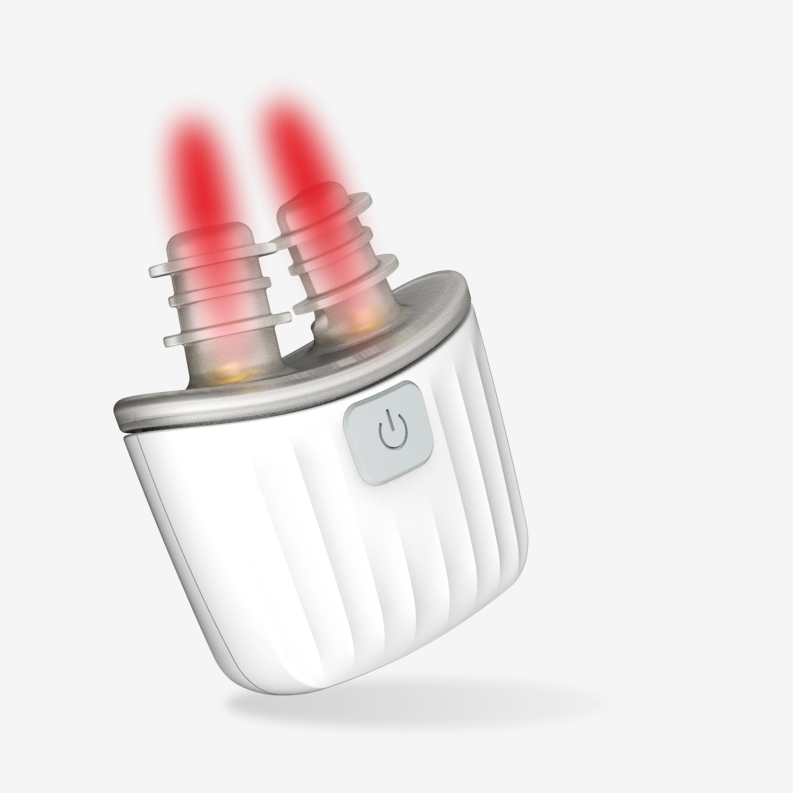
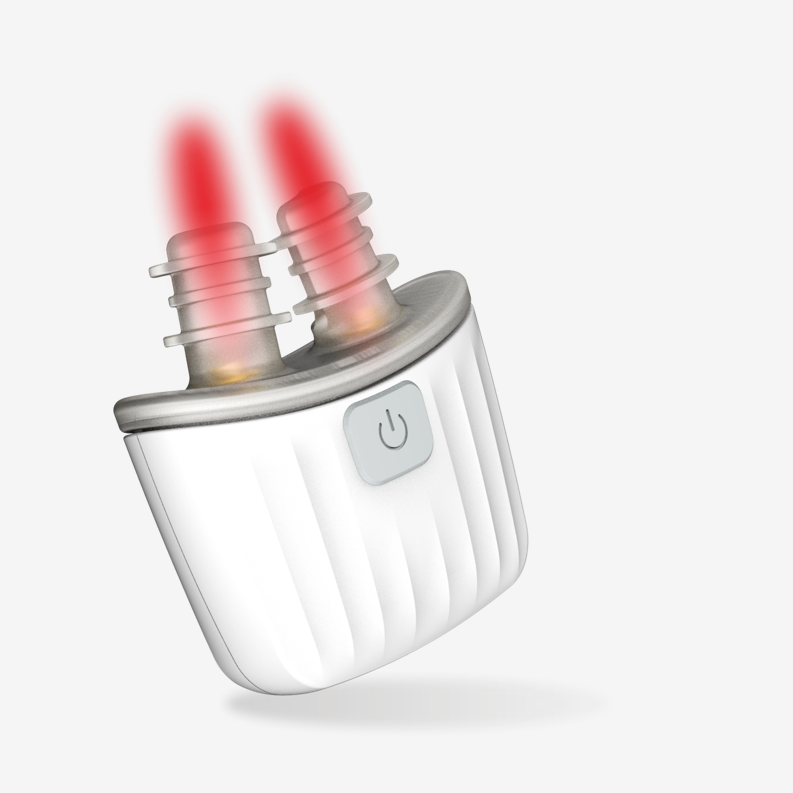
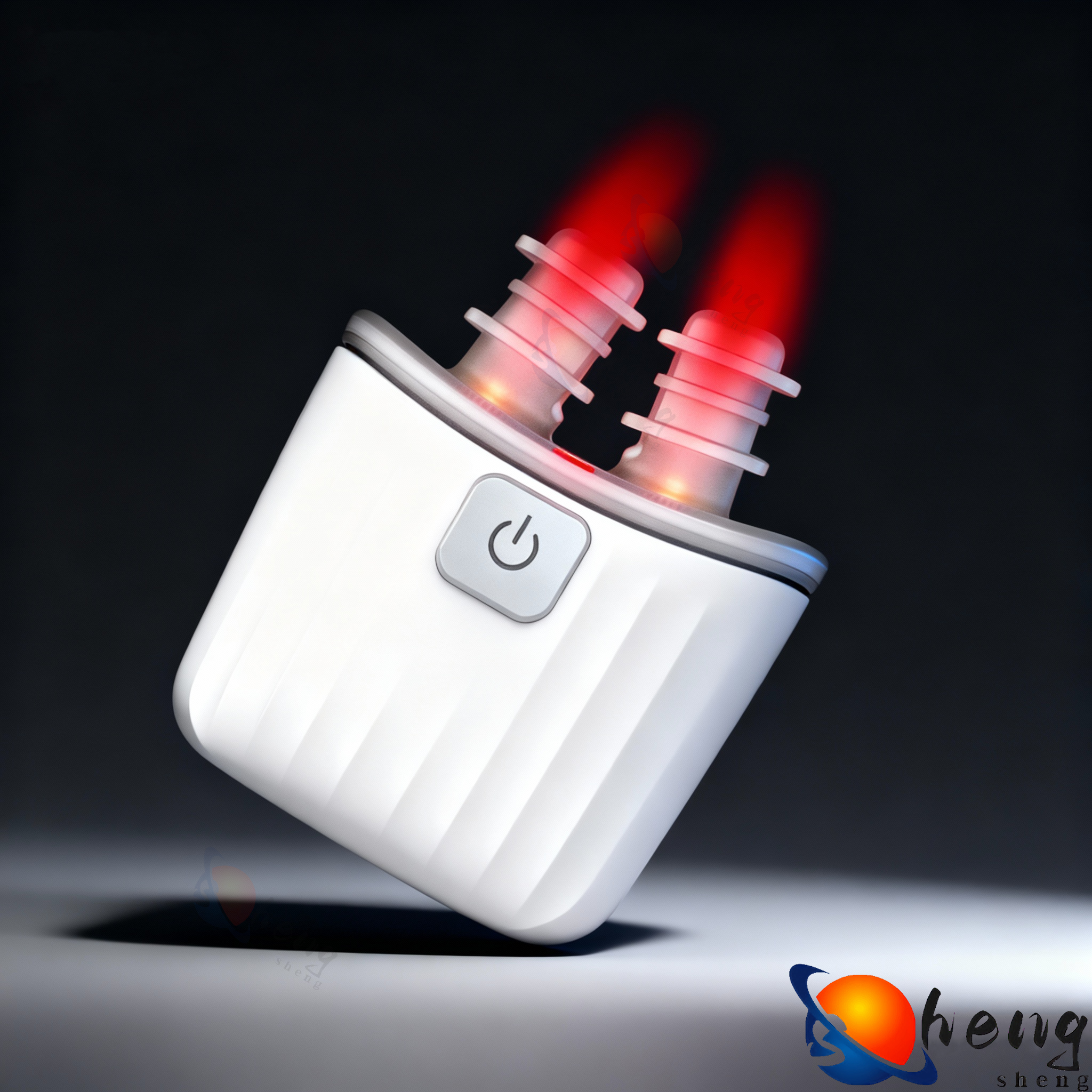
laser treatment for elderly rehabilitation
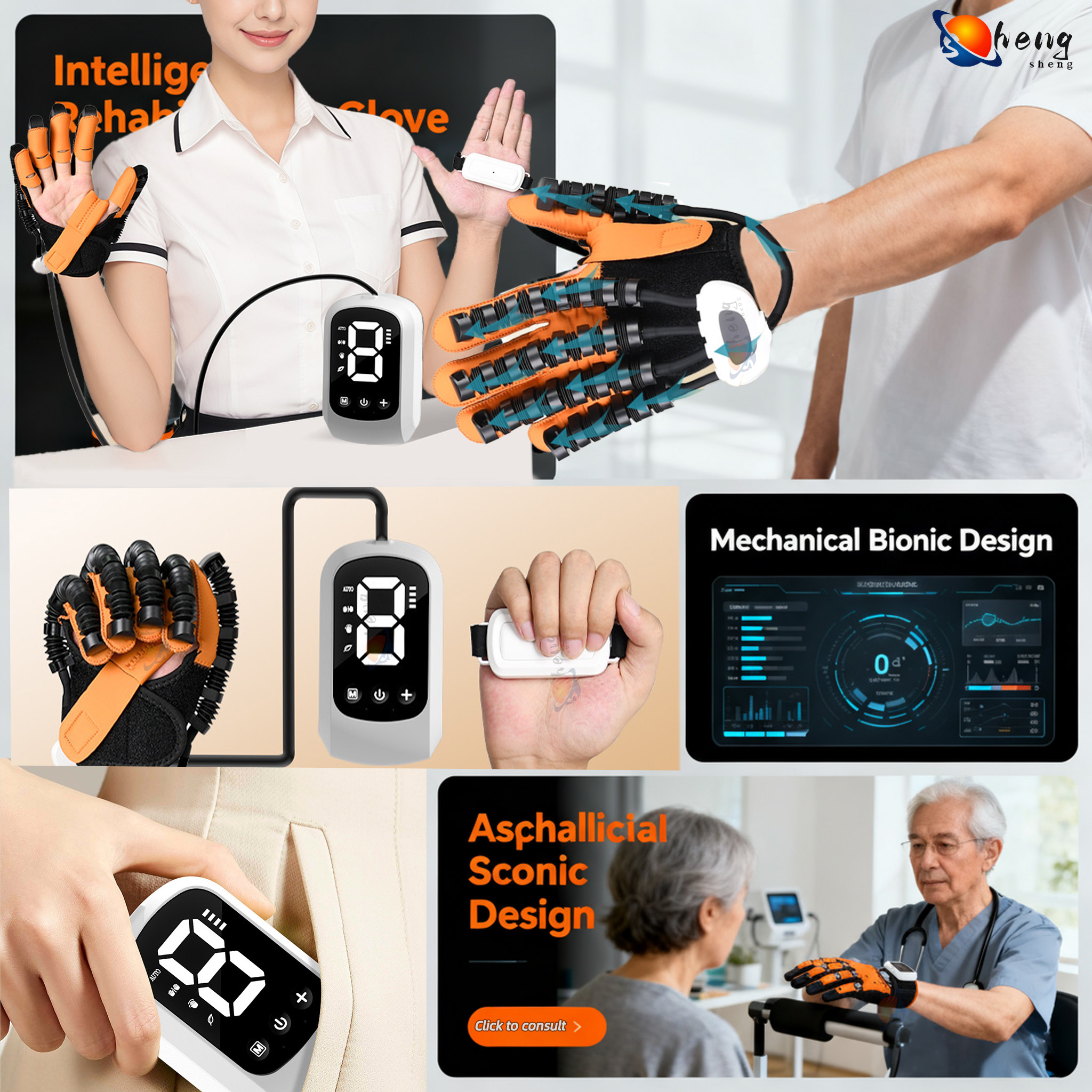
Laser treatment for elderly rehabilitation represents a revolutionary advancement in modern healthcare technology, specifically designed to address the unique therapeutic needs of aging populations. This innovative medical approach utilizes concentrated light energy to stimulate cellular regeneration, reduce inflammation, and accelerate healing processes within targeted tissues. The fundamental principle behind laser treatment for elderly rehabilitation involves photobiomodulation, where specific wavelengths of light penetrate deep into tissues to trigger beneficial biological responses at the cellular level. The technology employs low-level laser therapy (LLLT) devices that emit coherent light beams ranging from red to near-infrared wavelengths, typically between 630 to 950 nanometers. These precisely calibrated frequencies are absorbed by mitochondria within cells, enhancing ATP production and promoting optimal cellular function. The main functions of laser treatment for elderly rehabilitation include pain management, wound healing acceleration, muscle strengthening, joint mobility improvement, and overall tissue repair enhancement. Technological features encompass adjustable power settings, multiple wavelength options, ergonomic applicators, and sophisticated control systems that ensure precise treatment delivery. The equipment incorporates safety mechanisms, real-time monitoring capabilities, and user-friendly interfaces that facilitate seamless operation by healthcare professionals. Applications span various medical conditions commonly affecting elderly patients, including arthritis, chronic pain syndromes, diabetic ulcers, post-surgical recovery, muscle weakness, circulation disorders, and neurodegenerative symptoms. The versatility of laser treatment for elderly rehabilitation extends to both acute injury management and chronic condition maintenance, making it an invaluable tool in comprehensive geriatric care programs. Treatment protocols can be customized based on individual patient needs, medical history, and specific rehabilitation goals, ensuring optimal therapeutic outcomes while maintaining safety standards appropriate for elderly populations.

 EN
EN