EN
EN




The Evolution of Medical Treatment Through Advanced Light Technology
Modern medicine continues to embrace innovative solutions that enhance patient care and treatment outcomes. Among these groundbreaking developments, laser therapy has emerged as a revolutionary approach that combines cutting-edge technology with precise medical applications. This sophisticated treatment modality harnesses the power of focused light energy to promote healing, reduce pain, and address various medical conditions with remarkable effectiveness.
The medical community has witnessed a significant transformation in treatment protocols since the introduction of laser therapy. This advanced therapeutic approach offers numerous benefits, including minimal invasiveness, reduced recovery time, and enhanced precision in targeting specific areas of concern. As healthcare providers increasingly recognize its value, laser therapy has become an integral component of contemporary medical care.
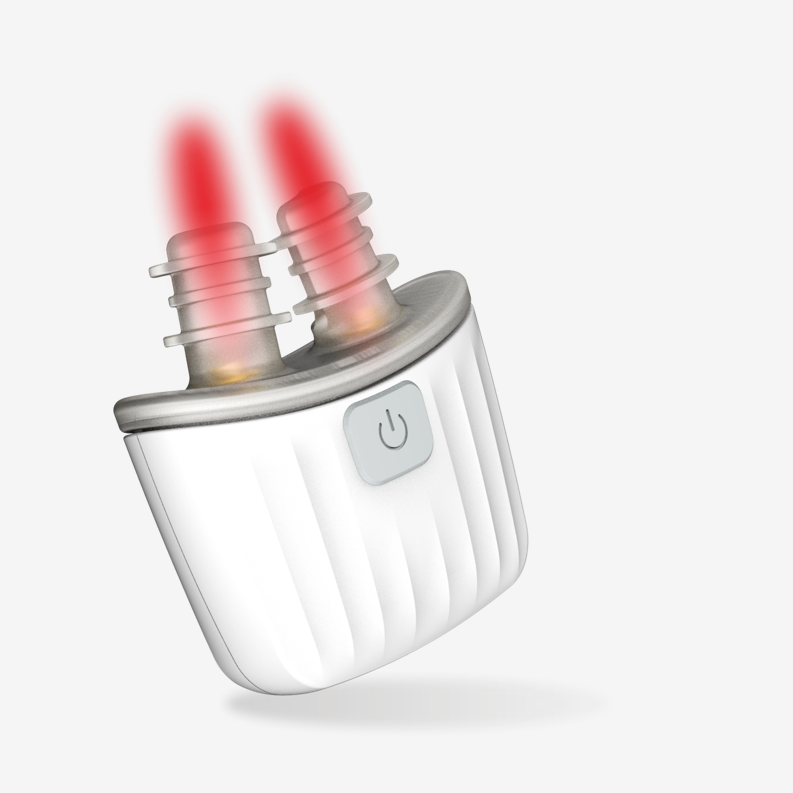
Understanding the Science Behind Laser Therapy
Fundamental Principles of Medical Lasers
At its core, laser therapy utilizes concentrated light energy to interact with tissue at the cellular level. This interaction triggers a series of biological responses that promote healing and regeneration. The specific wavelengths used in laser therapy penetrate the tissue at varying depths, allowing practitioners to target different types of cells and conditions with precision.
The controlled application of laser energy stimulates cellular metabolism, increases blood flow, and enhances the body's natural healing mechanisms. This process, known as photobiomodulation, creates a cascade of therapeutic effects that can benefit patients across various medical specialties.
Biological Responses to Light Energy
When laser therapy is administered, cells absorb the light energy and convert it into cellular energy, similar to photosynthesis in plants. This increased cellular activity leads to improved tissue repair, reduced inflammation, and accelerated healing. The process also triggers the release of endorphins, the body's natural pain-relieving compounds, providing patients with natural pain management solutions.
Research has demonstrated that laser therapy can influence multiple cellular functions, including protein synthesis, cell replication, and the production of ATP (adenosine triphosphate), the primary energy source for cells. These fundamental changes at the cellular level contribute to the overall therapeutic benefits observed in clinical settings.
Clinical Applications and Treatment Areas
Musculoskeletal Conditions and Pain Management
Laser therapy has shown remarkable efficacy in treating various musculoskeletal conditions, including chronic joint pain, arthritis, and sports injuries. The non-invasive nature of the treatment makes it particularly appealing for patients seeking alternatives to traditional pain management methods. Physical therapists and rehabilitation specialists often incorporate laser therapy into their treatment protocols to accelerate recovery and improve patient outcomes.
The ability of laser therapy to reduce inflammation and promote tissue repair makes it especially valuable in treating conditions such as tendinitis, bursitis, and muscle strains. Patients often report significant pain relief and improved mobility after completing a series of laser therapy sessions.
Dermatological and Aesthetic Applications
In dermatology and aesthetic medicine, laser therapy has revolutionized the treatment of various skin conditions and cosmetic concerns. From acne management to scar reduction and skin rejuvenation, medical professionals can precisely target specific skin layers to achieve desired results. The controlled delivery of laser energy allows for effective treatment while minimizing damage to surrounding tissues.
Advanced laser systems enable practitioners to address multiple skin concerns simultaneously, offering patients comprehensive treatment options with minimal downtime. The versatility of laser therapy in dermatological applications continues to expand as new technologies and protocols are developed.
Advantages of Modern Laser Treatment Systems
Precision and Control in Medical Procedures
Modern laser therapy systems offer unprecedented levels of precision and control, allowing healthcare providers to deliver targeted treatment with minimal risk to surrounding tissues. Advanced calibration features enable practitioners to adjust parameters such as wavelength, power output, and pulse duration to optimize treatment outcomes for individual patients.
The ability to precisely control the depth and intensity of laser energy delivery ensures consistent results while minimizing the risk of complications. This level of precision is particularly valuable in delicate procedures or when treating sensitive areas of the body.
Safety Features and Treatment Monitoring
Contemporary laser systems incorporate sophisticated safety features and real-time monitoring capabilities that enhance both practitioner confidence and patient safety. Built-in cooling systems, exposure controls, and automated calibration features help maintain optimal treatment conditions throughout the procedure.
Advanced monitoring systems provide immediate feedback on treatment parameters and tissue response, allowing practitioners to make necessary adjustments during the session. This level of control and monitoring contributes to the overall safety and effectiveness of laser therapy in medical applications.
Future Developments and Innovations
Emerging Technologies in Laser Medicine
The field of laser therapy continues to evolve with ongoing research and technological advances. New developments in laser delivery systems, combined treatment protocols, and artificial intelligence-assisted treatment planning are expanding the possibilities for medical applications.
Researchers are exploring novel approaches to enhance the effectiveness of laser therapy, including the development of targeted photosensitizers and improved energy delivery methods. These innovations promise to further expand the range of conditions that can be effectively treated with laser therapy.
Integration with Other Treatment Modalities
The future of laser therapy lies in its integration with other treatment modalities to create comprehensive therapeutic solutions. Combined treatment protocols that incorporate laser therapy with traditional medical approaches are showing promising results in clinical trials.
Healthcare providers are increasingly adopting multimodal treatment strategies that leverage the benefits of laser therapy alongside other therapeutic interventions. This integrated approach often leads to superior outcomes compared to single-modality treatments.
Frequently Asked Questions
How Long Does a Typical Laser Therapy Session Last?
The duration of a laser therapy session typically ranges from 10 to 30 minutes, depending on the condition being treated and the specific protocol being followed. Some treatments may require multiple sessions spaced over several weeks to achieve optimal results.
Is Laser Therapy Painful?
Most patients experience little to no discomfort during laser therapy treatments. Many describe a warm or tingling sensation in the treated area, which is generally well-tolerated. The non-invasive nature of the treatment means there is typically no need for anesthesia.
How Soon Can Results Be Expected from Laser Therapy?
While some patients report immediate improvement after their first session, the full benefits of laser therapy often develop over time. The cumulative effects of multiple treatments typically lead to longer-lasting results. The timeline for improvement varies depending on the condition being treated and individual factors.
What Makes Laser Therapy Different from Traditional Treatments?
Laser therapy offers several distinct advantages over traditional treatments, including its non-invasive nature, minimal side effects, and ability to target specific areas with precision. Unlike many conventional treatments, laser therapy works by stimulating the body's natural healing processes, potentially leading to more sustainable long-term results.