EN
EN



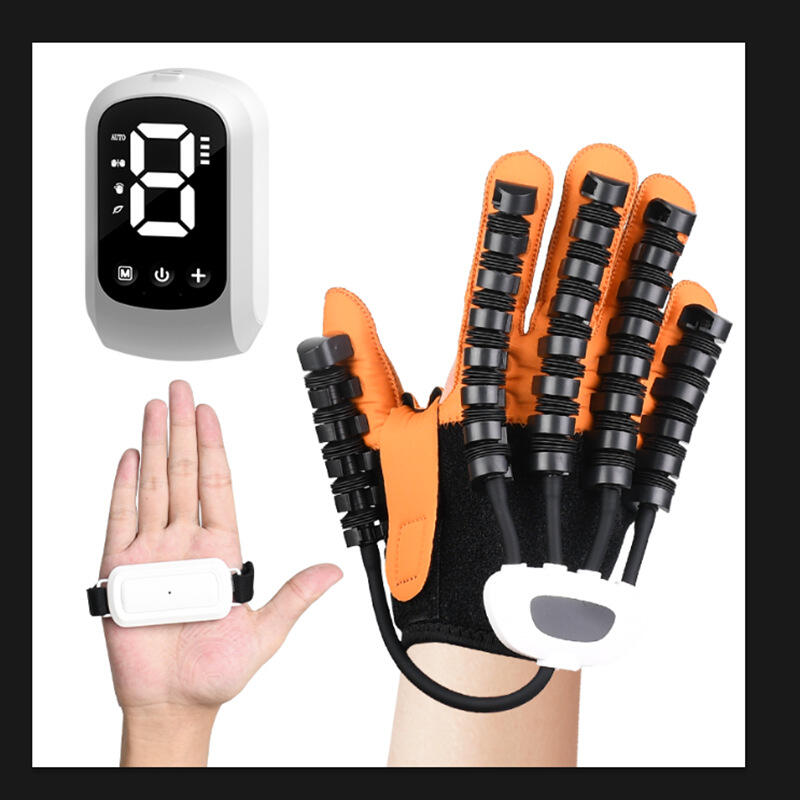
The integration of advanced therapeutic technologies in modern healthcare has revolutionized treatment approaches across numerous medical specialties. Among these innovations, laser therapy has emerged as a cornerstone treatment modality that combines precision, effectiveness, and patient comfort. This non-invasive therapeutic approach utilizes specific wavelengths of light to stimulate cellular processes, reduce inflammation, and promote tissue healing. Healthcare professionals increasingly recognize the versatility and clinical benefits that make laser therapy an essential component of contemporary physical medicine practices.
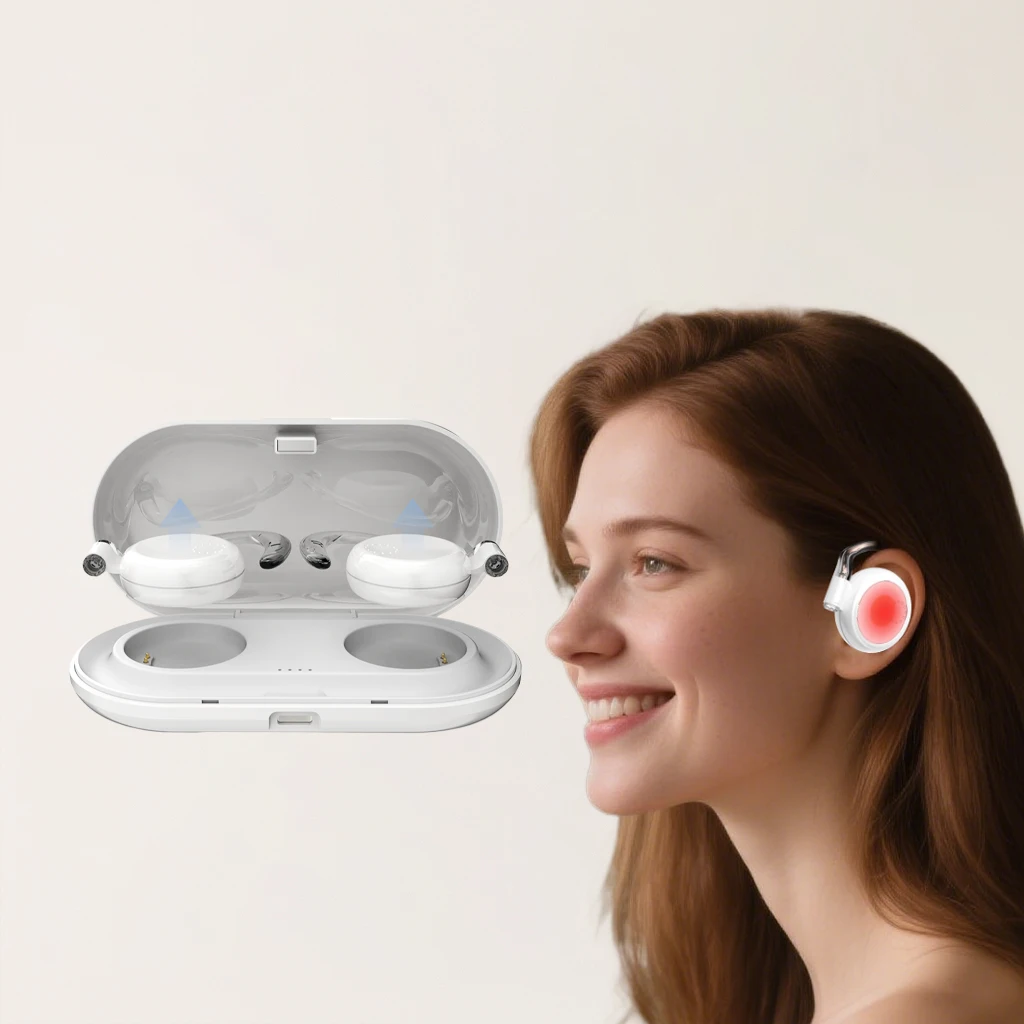
The widespread adoption of laser therapy stems from its unique ability to target specific tissues while minimizing side effects commonly associated with pharmaceutical interventions. This precision-based approach has garnered significant attention from medical professionals seeking evidence-based alternatives for managing various conditions. The growing body of research supporting laser therapy applications has contributed to its acceptance across multiple medical disciplines, from orthopedics to dermatology and rehabilitation medicine.
Scientific Foundations of Laser Therapeutic Applications
Photobiomodulation Mechanisms
The therapeutic effects of laser therapy are rooted in photobiomodulation, a complex biological process that occurs when specific wavelengths of light interact with cellular structures. When laser light penetrates tissue, it is absorbed by chromophores within cells, particularly in the mitochondria. This absorption triggers a cascade of biochemical reactions that enhance cellular metabolism, increase adenosine triphosphate production, and stimulate the release of nitric oxide. These molecular changes translate into measurable clinical improvements in pain reduction, inflammation control, and accelerated tissue repair.
Research has demonstrated that different wavelengths of laser light produce varying therapeutic effects depending on their penetration depth and absorption characteristics. Red light wavelengths typically range from 660 to 700 nanometers and are particularly effective for superficial tissue treatment, while near-infrared wavelengths between 700 and 1000 nanometers can penetrate deeper structures. This wavelength specificity allows clinicians to customize treatment protocols based on the targeted tissue depth and therapeutic objectives, enhancing treatment precision and clinical outcomes.
Cellular Response Mechanisms
The cellular response to laser therapy involves multiple interconnected pathways that contribute to its therapeutic efficacy. At the mitochondrial level, laser light stimulates cytochrome c oxidase, the terminal enzyme in the electron transport chain, leading to increased cellular respiration and energy production. This enhanced cellular metabolism promotes protein synthesis, improves cellular repair mechanisms, and accelerates tissue regeneration processes. Additionally, laser therapy modulates inflammatory mediators, reducing the production of pro-inflammatory cytokines while promoting anti-inflammatory responses.
The activation of cellular signaling pathways through laser therapy also influences gene expression patterns related to tissue healing and regeneration. Studies have shown that laser treatment can upregulate genes associated with collagen synthesis, angiogenesis, and cellular proliferation. These molecular changes create an optimal environment for tissue repair and contribute to the long-lasting therapeutic effects observed in clinical practice. The ability to influence cellular behavior at the genetic level distinguishes laser therapy from conventional physical therapy modalities.
Clinical Applications and Treatment Protocols
Musculoskeletal Disorders
Laser therapy has demonstrated remarkable efficacy in treating various musculoskeletal conditions, making it a preferred treatment option for orthopedic and sports medicine applications. Conditions such as tendinopathies, muscle strains, joint inflammation, and chronic pain syndromes respond favorably to targeted laser treatments. The non-thermal nature of therapeutic lasers allows for comfortable treatment sessions without the risk of tissue damage, making it suitable for acute and chronic conditions alike. Clinical protocols typically involve multiple treatment sessions with specific parameters adjusted based on the condition severity and patient response.
The application of laser therapy in musculoskeletal medicine extends beyond pain management to include functional improvement and performance enhancement. Athletes and active individuals particularly benefit from the rapid healing promotion and reduced downtime associated with laser treatments. Treatment protocols are often integrated with conventional physical therapy exercises and manual techniques to maximize therapeutic outcomes. The ability to treat multiple anatomical regions simultaneously makes laser therapy an efficient option for complex musculoskeletal presentations.
Neurological and ENT Applications
The versatility of laser therapy extends to neurological conditions and ear, nose, and throat disorders, where conventional treatments may have limited effectiveness. Conditions such as tinnitus, otitis media, rhinitis, and sinusitis have shown positive responses to targeted laser applications. The precise delivery of therapeutic light energy to affected tissues can reduce inflammation, improve circulation, and promote healing in these sensitive anatomical regions. Treatment protocols for ENT applications often require specialized delivery systems designed for accessibility and patient comfort.
Neurological applications of laser therapy include peripheral neuropathy, nerve regeneration, and pain management associated with various neurological conditions. The ability of laser light to influence nerve conduction and reduce neurogenic inflammation makes it valuable for treating conditions that are often challenging to manage with conventional approaches. Research continues to explore the potential of laser therapy in neuroplasticity enhancement and cognitive function improvement, expanding its applications beyond traditional physical medicine boundaries.
Advantages Over Conventional Treatment Methods
Non-Invasive Treatment Approach
One of the primary factors driving the popularity of laser therapy is its non-invasive nature, which eliminates the risks associated with surgical interventions and reduces patient anxiety. Unlike surgical procedures that require incisions, anesthesia, and extended recovery periods, laser therapy can be administered in outpatient settings with immediate return to normal activities. This convenience factor significantly appeals to patients seeking effective treatment options without disrupting their daily routines or professional commitments.
The absence of systemic side effects commonly associated with pharmaceutical treatments makes laser therapy particularly attractive for patients with multiple medical conditions or medication sensitivities. Healthcare providers can confidently recommend laser therapy for elderly patients, individuals with compromised immune systems, or those taking multiple medications without concern for drug interactions or adverse reactions. This safety profile has contributed to its widespread acceptance among conservative treatment approaches in physical medicine.
Cost-Effectiveness and Efficiency
The economic advantages of laser therapy contribute significantly to its growing popularity in healthcare settings. While initial equipment investment may be substantial, the long-term operational costs are relatively low compared to other treatment modalities. Treatment sessions are typically brief, allowing healthcare providers to manage larger patient volumes efficiently. The reduced need for consumable materials and minimal maintenance requirements make laser therapy an economically viable option for various healthcare practices.
From a healthcare system perspective, the potential for laser therapy to reduce reliance on pharmaceutical interventions and surgical procedures represents significant cost savings. Patients often experience faster recovery times and require fewer follow-up appointments, reducing the overall healthcare burden. Insurance coverage for laser therapy continues to expand as evidence supporting its efficacy grows, making it more accessible to diverse patient populations.
Evidence-Based Clinical Outcomes
Research and Clinical Studies
The popularity of laser therapy in physical medicine is strongly supported by an extensive body of clinical research demonstrating its effectiveness across various conditions. Systematic reviews and meta-analyses have consistently shown positive outcomes for pain reduction, functional improvement, and accelerated healing in numerous clinical scenarios. Randomized controlled trials have provided high-quality evidence supporting the use of laser therapy as both a standalone treatment and as part of multimodal therapeutic approaches.
Long-term follow-up studies have demonstrated the durability of treatment effects achieved through laser therapy, with many patients experiencing sustained improvements months after treatment completion. Comparative effectiveness research has shown that laser therapy often achieves similar or superior outcomes to conventional treatments while offering better safety profiles and patient satisfaction scores. The growing body of evidence continues to support expanded applications and refined treatment protocols.
Patient Satisfaction and Quality of Life
Patient-reported outcomes consistently demonstrate high satisfaction rates with laser therapy treatments, contributing to its popularity among both patients and healthcare providers. The comfortable, pain-free treatment experience combined with noticeable clinical improvements creates positive patient perceptions and increased treatment compliance. Many patients report improved quality of life measures, including better sleep, increased activity levels, and reduced reliance on pain medications.
The psychological benefits of laser therapy should not be underestimated, as patients often experience increased confidence in their treatment plan and reduced anxiety about their condition. The visible nature of laser therapy equipment and the immediate sensation of warmth during treatment provide patients with tangible evidence that they are receiving active treatment. This psychological component enhances the overall therapeutic experience and contributes to better clinical outcomes through improved patient engagement and adherence.
Future Directions and Technological Advances
Emerging Technologies and Applications
The continued evolution of laser therapy technology promises even greater therapeutic potential and expanded clinical applications. Advanced laser systems now incorporate multiple wavelengths, pulsed delivery modes, and sophisticated dosimetry controls that allow for highly customized treatment protocols. Emerging technologies such as combination therapy devices that integrate laser therapy with other modalities are creating new possibilities for enhanced therapeutic outcomes.
Artificial intelligence and machine learning applications are beginning to influence laser therapy protocol development, with systems capable of analyzing patient responses and automatically adjusting treatment parameters for optimal outcomes. Portable and wearable laser therapy devices are making treatments more accessible and convenient for home-based care, expanding the reach of laser therapy beyond clinical settings. These technological advances continue to drive innovation and maintain the growing popularity of laser therapy in physical medicine.
Integration with Digital Health Platforms
The integration of laser therapy with digital health platforms and telemedicine applications represents a significant advancement in treatment delivery and monitoring. Remote monitoring capabilities allow healthcare providers to track patient progress and adjust treatment protocols without requiring frequent office visits. Mobile applications connected to laser therapy devices can provide patients with guided treatment sessions and real-time feedback on their progress.
Data analytics capabilities embedded in modern laser therapy systems generate valuable insights into treatment effectiveness and optimal protocols for specific conditions. This data-driven approach enables evidence-based refinement of treatment protocols and contributes to the ongoing development of best practices in laser therapy applications. The seamless integration with electronic health records ensures comprehensive documentation and facilitates coordinated care among multidisciplinary treatment teams.
FAQ
How does laser therapy differ from other light-based treatments
Laser therapy utilizes coherent, monochromatic light with specific wavelengths that are precisely controlled for therapeutic purposes. Unlike broad-spectrum light sources, lasers deliver concentrated energy at predetermined wavelengths that correspond to optimal absorption by target tissues. This precision allows for deeper penetration and more predictable therapeutic effects compared to other light-based treatments such as LED therapy or infrared heat lamps.
What conditions respond best to laser therapy treatment
Laser therapy demonstrates excellent results for inflammatory conditions, soft tissue injuries, chronic pain syndromes, and wound healing applications. Musculoskeletal disorders including arthritis, tendinitis, and muscle strains typically respond very well to laser treatments. ENT conditions such as sinusitis, rhinitis, and certain types of tinnitus also show favorable responses. The key factor is matching the appropriate wavelength and treatment parameters to the specific condition and tissue depth.
Are there any contraindications or safety concerns with laser therapy
Laser therapy is generally very safe when administered by trained professionals using appropriate protocols. The main contraindications include pregnancy, active cancer in the treatment area, and certain medications that increase photosensitivity. Direct eye exposure should always be avoided, and protective eyewear is required during treatment sessions. Patients with pacemakers or other implanted electronic devices may require special precautions depending on the laser type and treatment location.
How long do the effects of laser therapy typically last
The duration of laser therapy effects varies depending on the condition being treated, the severity of symptoms, and individual patient factors. Acute conditions often show immediate improvement that can last several weeks to months, while chronic conditions may require ongoing maintenance treatments. Many patients experience cumulative benefits with repeated treatments, leading to progressively longer periods of symptom relief. Studies have shown that some patients maintain benefits for six months or longer after completing a treatment series.