Low Level Laser Treatment Device: Advanced Photobiomodulation Therapy Solutions

Get a Free Quote

Our representative will contact you soon.
Email
Name
Company Name
Message
0/1000

low level laser treatment device

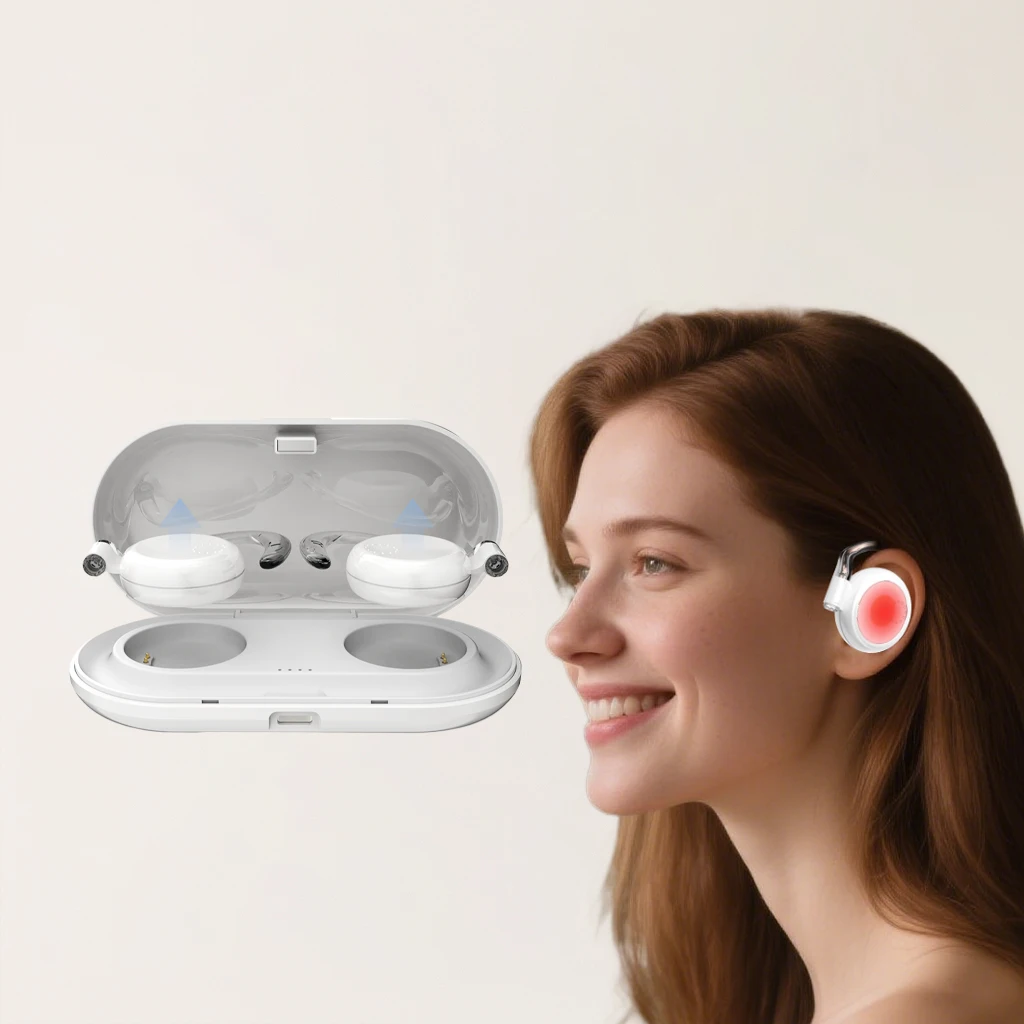
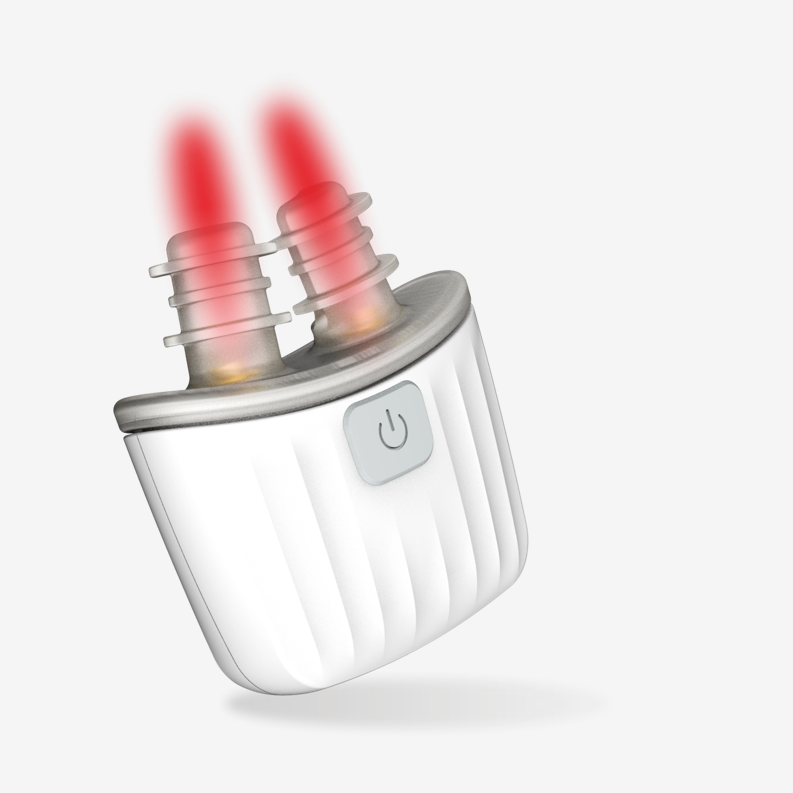
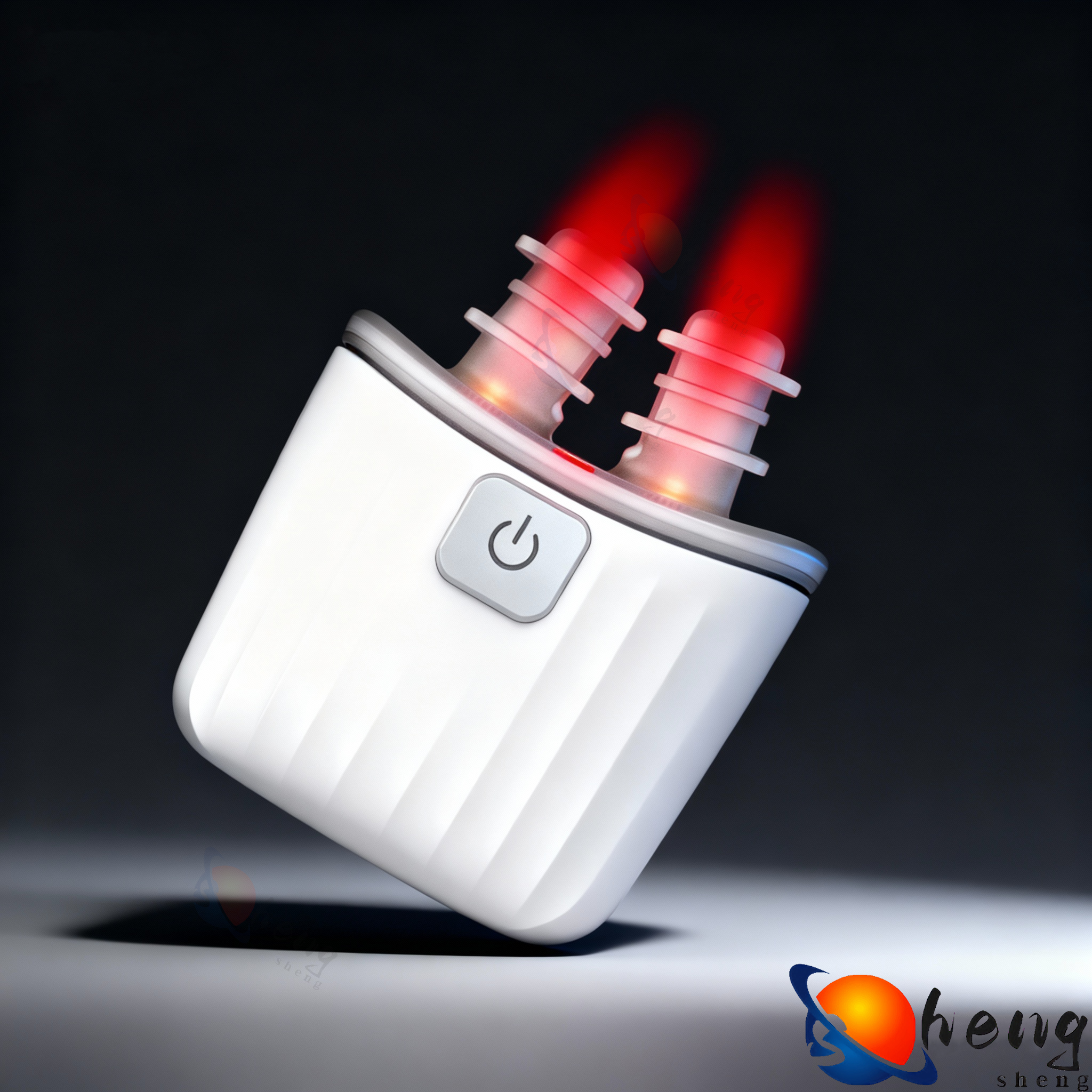
The low level laser treatment device represents a revolutionary advancement in non-invasive therapeutic technology, utilizing precisely calibrated light energy to stimulate cellular regeneration and promote natural healing processes. This sophisticated medical equipment operates within specific wavelength parameters, typically ranging from 630 to 980 nanometers, delivering controlled photonic energy to targeted tissue areas without generating harmful heat or causing tissue damage. The low level laser treatment device employs photobiomodulation principles, where coherent light penetrates tissue layers to activate mitochondrial function and enhance adenosine triphosphate production at the cellular level. Modern devices incorporate multiple laser diodes strategically positioned to ensure uniform light distribution across treatment areas, maximizing therapeutic effectiveness while maintaining patient safety protocols. These systems feature adjustable power outputs, programmable treatment protocols, and user-friendly interfaces that accommodate various clinical applications and practitioner expertise levels. The technological architecture includes advanced cooling systems, precise timing mechanisms, and safety interlocks that prevent accidental exposure or equipment malfunction. Professional-grade low level laser treatment devices often incorporate multiple wavelengths simultaneously, allowing practitioners to customize treatments based on specific conditions and patient requirements. The portability aspect of many units enables flexible deployment across different clinical settings, from hospitals and rehabilitation centers to private practices and sports medicine facilities. Treatment applications span numerous medical specialties, including wound healing acceleration, pain management, inflammatory condition reduction, and tissue regeneration enhancement. The devices demonstrate particular effectiveness in addressing musculoskeletal disorders, dermatological conditions, and post-surgical recovery protocols. Quality manufacturers implement rigorous testing procedures and regulatory compliance standards, ensuring each low level laser treatment device meets international safety requirements and delivers consistent therapeutic outcomes across extended operational periods.

New Product Recommendations

The low level laser treatment device offers numerous compelling advantages that make it an invaluable addition to modern healthcare practices and patient treatment protocols. Safety represents the primary benefit, as these devices operate without generating excessive heat, eliminating risks of thermal tissue damage commonly associated with high-power laser systems. Patients experience completely painless treatments, with many describing the sensation as barely perceptible or mildly warming, encouraging better treatment compliance and reducing anxiety associated with medical procedures. The non-invasive nature eliminates surgical risks, anesthesia requirements, and extensive recovery periods, allowing patients to resume normal activities immediately following treatment sessions. Treatment versatility stands as another significant advantage, as the low level laser treatment device addresses multiple conditions ranging from acute injuries to chronic pain syndromes, inflammatory disorders, and accelerated wound healing applications. Clinical practitioners appreciate the operational simplicity, as these devices require minimal training and feature intuitive controls that streamline treatment delivery without compromising therapeutic effectiveness. Cost-effectiveness becomes apparent through reduced overhead expenses, as treatments require no consumable supplies, medications, or complex preparation procedures, while generating consistent revenue streams through repeat patient visits. The devices demonstrate exceptional durability and reliability, operating for thousands of hours with minimal maintenance requirements, providing excellent return on investment for healthcare facilities. Treatment speed offers practical benefits for busy practices, as typical sessions require only minutes to complete, allowing practitioners to accommodate more patients within standard scheduling frameworks. Evidence-based research supports therapeutic efficacy, with numerous peer-reviewed studies documenting positive outcomes across various medical conditions, providing practitioners with confidence in treatment protocols. Patient satisfaction rates remain consistently high due to the comfortable treatment experience and observable improvements in symptoms and healing rates. The portability of many low level laser treatment devices enables practitioners to provide services across multiple locations or offer mobile treatment options, expanding service reach and revenue opportunities. Insurance coverage for laser therapy continues expanding, improving patient access and reducing financial barriers to treatment. Environmental benefits include energy efficiency and elimination of medical waste typically associated with alternative treatment modalities.

Practical Tips

Why Is Laser Therapy Effective for Modern Medical Care?

31

Oct

Why Is Laser Therapy Effective for Modern Medical Care?

The Evolution of Medical Treatment Through Advanced Light Technology Modern medicine continues to embrace innovative solutions that enhance patient care and treatment outcomes. Among these groundbreaking developments, laser therapy has emerged as a r...
View More
How Does Laser Therapy Accelerate Wound Healing?

27

Nov

How Does Laser Therapy Accelerate Wound Healing?

Laser therapy has emerged as a revolutionary approach in modern medicine, offering precise and effective treatment for various medical conditions including wound healing acceleration. This advanced therapeutic technique utilizes focused light energy ...
View More
Why Is Laser Light Important in Modern Technologies?

27

Nov

Why Is Laser Light Important in Modern Technologies?

The revolutionary impact of laser light on modern technology cannot be overstated. From precision manufacturing to advanced medical treatments, laser light has transformed countless industries and continues to drive innovation across multiple sectors...
View More
How Does Laser Light Improve Precision in Medicine?

27

Nov

How Does Laser Light Improve Precision in Medicine?

Modern medicine has witnessed remarkable advancements in recent decades, with laser light therapy emerging as one of the most promising non-invasive treatment modalities. This innovative approach harnesses the power of specific wavelengths of light t...
View More

Get a Free Quote

Our representative will contact you soon.
Email
Name
Company Name
Message
0/1000

low level laser treatment device

Advanced Photobiomodulation Technology

Advanced Photobiomodulation Technology

The cornerstone of every high-quality low level laser treatment device lies in its sophisticated photobiomodulation technology, which harnesses the therapeutic power of specific light wavelengths to trigger profound cellular healing mechanisms. This cutting-edge approach operates on scientifically proven principles where coherent light energy penetrates tissue barriers and directly interacts with cellular components, particularly mitochondria, to enhance energy production and accelerate natural repair processes. The precision engineering behind photobiomodulation ensures that light delivery occurs at optimal wavelengths, typically ranging between 660 to 850 nanometers, maximizing therapeutic penetration while maintaining complete safety for surrounding tissues. Modern low level laser treatment devices incorporate multiple wavelength options within a single unit, allowing practitioners to select the most appropriate light spectrum based on specific treatment objectives and tissue characteristics. The technology employs pulsed and continuous wave modes, providing versatility in treatment approaches and enabling customization based on individual patient needs and condition severity. Research demonstrates that photobiomodulation stimulates adenosine triphosphate production, increases protein synthesis, enhances collagen formation, and promotes improved circulation, resulting in faster healing times and reduced inflammatory responses. The sophisticated optical systems within these devices ensure uniform light distribution across treatment areas, preventing hot spots or uneven energy delivery that could compromise therapeutic outcomes. Advanced models feature real-time monitoring capabilities that track energy output and treatment duration, maintaining consistent therapeutic parameters throughout each session. The non-thermal nature of photobiomodulation distinguishes this technology from traditional laser systems, eliminating tissue damage risks while delivering measurable clinical benefits. Quality control mechanisms built into professional-grade devices ensure wavelength accuracy, power stability, and consistent beam characteristics over extended operational periods. This technology proves particularly effective for conditions involving tissue damage, inflammation, or impaired healing processes, making the low level laser treatment device an invaluable tool for comprehensive patient care across multiple medical specialties.
Pain-Free Treatment Experience

Pain-Free Treatment Experience

The exceptional patient comfort provided by low level laser treatment devices represents a fundamental advantage that distinguishes this therapeutic modality from conventional pain management approaches and invasive medical procedures. Patients consistently report minimal to no sensation during treatment sessions, with most describing the experience as completely painless or accompanied by a gentle warming feeling that many find soothing and relaxing. This remarkable comfort level stems from the precise calibration of energy output, ensuring therapeutic effectiveness without triggering pain receptors or causing tissue irritation. The absence of needles, incisions, or pharmaceutical interventions eliminates common patient anxieties associated with medical treatments, encouraging better compliance with prescribed therapy protocols and reducing appointment cancellations. Treatment sessions typically last between five to twenty minutes, depending on the condition and treatment area, making the process convenient and easily integrated into busy patient schedules without disrupting daily activities. The low level laser treatment device requires no special preparation procedures, allowing patients to receive treatment while fully clothed and without removing jewelry or personal items, further enhancing convenience and comfort. Unlike many medical procedures that require recovery time or activity restrictions, laser therapy patients can immediately return to normal activities, including work, exercise, and social commitments, without any limitations or precautions. The gentle nature of treatment makes it suitable for patients of all ages, from children to elderly individuals, and those with sensitive skin or compromised immune systems who might not tolerate more aggressive therapies. Practitioners appreciate how patient comfort translates into improved treatment outcomes, as relaxed patients respond better to therapeutic interventions and maintain consistent attendance throughout treatment courses. The device operation produces no noise, vibration, or disruptive elements that might cause patient discomfort or anxiety during sessions. Many patients find the treatment experience so pleasant that they look forward to appointments and often report feeling refreshed and energized following sessions. This positive treatment experience contributes significantly to patient satisfaction scores and practice reputation, leading to increased referrals and practice growth for healthcare providers investing in quality low level laser treatment devices.
Versatile Clinical Applications

Versatile Clinical Applications

The remarkable versatility of low level laser treatment devices positions them as indispensable tools capable of addressing an extensive range of medical conditions across multiple healthcare specialties and treatment environments. These sophisticated devices demonstrate proven efficacy in managing acute and chronic pain conditions, including arthritis, fibromyalgia, tendonitis, and neuropathic pain, providing patients with drug-free alternatives to traditional pain management approaches. Wound healing applications showcase exceptional results, with the low level laser treatment device accelerating tissue regeneration, reducing infection risks, and improving healing outcomes for surgical sites, diabetic ulcers, and traumatic injuries. Sports medicine practitioners rely heavily on these devices for treating athletic injuries, muscle strains, ligament damage, and post-exercise recovery, enabling faster return to competition and training activities. Dermatological applications include treatment of acne, psoriasis, eczema, and various inflammatory skin conditions, offering patients gentle yet effective alternatives to harsh topical medications or systemic treatments. Physical therapy and rehabilitation programs integrate laser therapy to enhance treatment outcomes for patients recovering from surgery, stroke, or traumatic injuries, accelerating functional improvement and reducing recovery timelines. Veterinary applications expand the device utility beyond human medicine, with successful treatments for animal conditions ranging from wound healing to pain management, demonstrating the universal therapeutic principles of photobiomodulation. Dental practices utilize low level laser treatment devices for treating oral lesions, reducing post-procedural pain, and accelerating healing following dental surgeries or periodontal treatments. The devices prove particularly valuable in treating conditions where traditional approaches provide limited success or carry significant side effects, offering hope to patients with treatment-resistant conditions. Oncology supportive care applications include managing chemotherapy-induced peripheral neuropathy and oral mucositis, improving patient comfort during cancer treatment protocols. Neurological conditions such as traumatic brain injury, peripheral nerve damage, and certain degenerative diseases show promising responses to targeted laser therapy protocols. The ability to treat multiple conditions with a single device provides exceptional value for healthcare practices, eliminating the need for multiple specialized equipment purchases while expanding service offerings and revenue potential. Clinical protocols continue evolving as research reveals new applications, ensuring that low level laser treatment device investments remain valuable and relevant for years to come.


Get a Free Quote

Our representative will contact you soon.
Email
Name
Company Name
Message
0/1000