Versatile Treatment Applications for All Wound Types
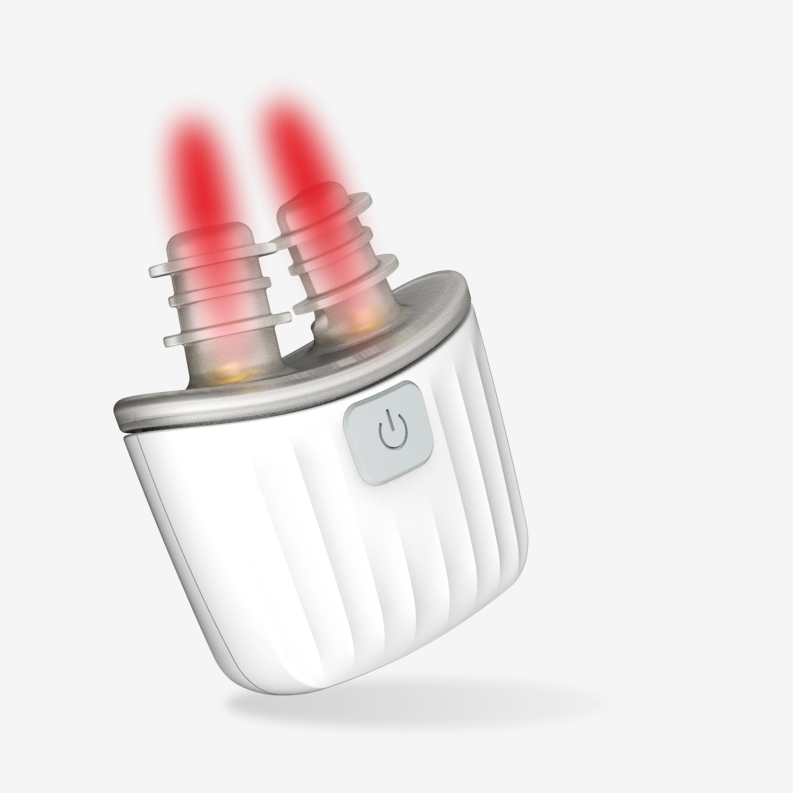
The remarkable versatility of laser treatment for wound healing makes it an invaluable therapeutic option for addressing a wide spectrum of wound types and healing challenges across multiple medical specialties and patient populations. This adaptability stems from the technology's ability to adjust parameters such as wavelength, power density, and treatment duration to match the specific requirements of different wound characteristics and healing stages. Acute wounds, including cuts, abrasions, burns, and surgical incisions, respond exceptionally well to laser treatment for wound healing, with many patients experiencing accelerated closure times and improved cosmetic outcomes. The therapy is equally effective for chronic wounds, such as diabetic ulcers, pressure sores, and venous leg ulcers, which often prove challenging for conventional treatments. For diabetic patients, laser treatment for wound healing offers particular benefits by improving circulation and promoting the formation of new blood vessels, addressing the underlying vascular issues that often complicate diabetic wound healing. Sports medicine applications of this therapy include treating muscle tears, tendon injuries, and post-exercise tissue damage, allowing athletes to return to their activities more quickly with reduced risk of re-injury. Dermatological applications encompass the treatment of various skin conditions, surgical site healing, and aesthetic procedures where optimal healing and minimal scarring are priorities. The therapy's effectiveness extends to pediatric applications, where its painless, non-invasive nature makes it particularly suitable for treating children's wounds without causing anxiety or discomfort. Elderly patients benefit from laser treatment for wound healing due to its gentle approach and ability to stimulate healing in tissues that may have compromised healing capacity due to age-related factors. The technology can be effectively utilized in various healthcare settings, from hospital wound care centers to outpatient clinics and rehabilitation facilities. Post-operative healing applications demonstrate excellent results in reducing recovery time and improving surgical outcomes across numerous surgical specialties. The treatment's ability to be combined with other therapeutic modalities, such as wound dressings, topical medications, and physical therapy, provides healthcare providers with flexibility in creating comprehensive treatment plans tailored to individual patient needs and circumstances.

 EN
EN