EN
EN



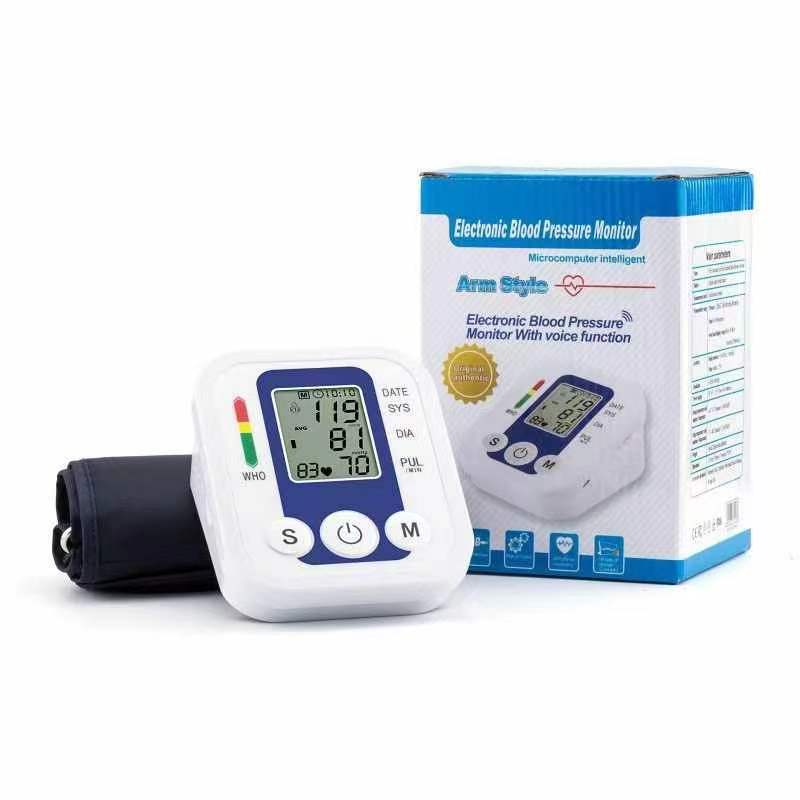
Modern healthcare continues to evolve with innovative treatment approaches that offer non-invasive solutions for various health conditions. Among these emerging therapies, laser therapy has gained significant attention from both medical professionals and patients seeking effective alternatives to traditional treatments. This therapeutic approach utilizes specific wavelengths of light to stimulate cellular processes and promote healing at the tissue level. Understanding how this technology works and its potential benefits can help individuals make informed decisions about their healthcare options.
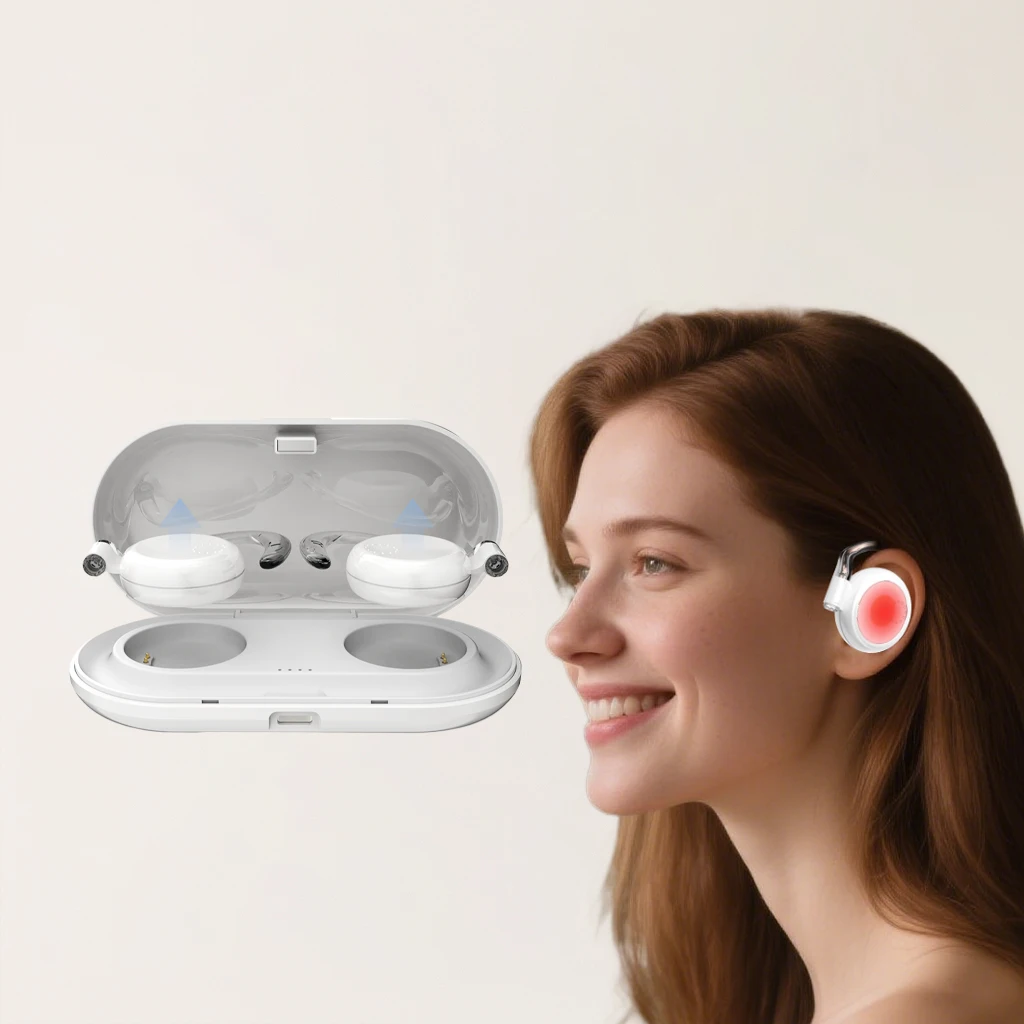
Understanding the Science Behind Light-Based Treatment
Photobiomodulation Mechanisms
The foundation of laser therapy lies in photobiomodulation, a process where specific wavelengths of light interact with cellular components to trigger beneficial biological responses. When laser light penetrates tissue, it is absorbed by chromophores within cells, particularly in the mitochondria. This absorption stimulates the production of adenosine triphosphate, the primary energy currency of cells, leading to enhanced cellular metabolism and repair processes.
Research has demonstrated that red and near-infrared wavelengths, typically ranging from 660 to 850 nanometers, are most effective for therapeutic applications. These wavelengths can penetrate deeply into tissues while minimizing absorption by water and hemoglobin, allowing for optimal therapeutic effects at the target site. The precise mechanisms involve the activation of cytochrome c oxidase, a key enzyme in cellular respiration, which subsequently leads to increased cellular energy production and improved tissue function.
Cellular Response and Healing Process
The cellular response to laser therapy extends beyond simple energy production. Studies have shown that photobiomodulation can influence gene expression patterns, promoting the synthesis of proteins involved in tissue repair and regeneration. This includes increased production of collagen, elastin, and other structural proteins essential for maintaining healthy connective tissues.
Additionally, laser therapy has been observed to modulate inflammatory responses by reducing the production of pro-inflammatory cytokines while promoting anti-inflammatory mediators. This dual action helps create an optimal environment for healing while minimizing tissue damage associated with chronic inflammation. The treatment also enhances local blood circulation, improving oxygen and nutrient delivery to affected tissues.
Joint Health and Mobility Applications
Targeting Musculoskeletal Conditions
Joint-related issues affect millions of people worldwide, ranging from acute injuries to chronic degenerative conditions. Traditional treatment approaches often rely on pharmaceutical interventions or invasive procedures, which may carry unwanted side effects or risks. Laser therapy offers a non-invasive alternative that can be used as a standalone treatment or in conjunction with other therapeutic modalities.
The application of laser therapy for joint conditions focuses on reducing pain, inflammation, and stiffness while promoting tissue repair and regeneration. Clinical studies have demonstrated significant improvements in range of motion, functional capacity, and overall quality of life in patients treated with this modality. The treatment is particularly beneficial for conditions such as osteoarthritis, rheumatoid arthritis, and various forms of joint dysfunction.
Mechanisms of Pain Relief and Mobility Enhancement
Pain reduction through laser therapy occurs through multiple pathways. The treatment can influence nerve conduction, reducing the transmission of pain signals to the brain. This effect is achieved through the modulation of nerve cell membrane potentials and the release of endorphins, the body's natural pain-relieving compounds. The result is both immediate and long-term pain relief without the need for pharmaceutical interventions.
Mobility improvements are achieved through the treatment's effects on joint structures and surrounding tissues. By reducing inflammation in synovial tissues and promoting the repair of cartilage and other joint components, laser therapy can help restore normal joint function. The increased production of synovial fluid, which lubricates joints, further contributes to improved mobility and reduced friction during movement.
Clinical Evidence and Treatment Protocols
Research Findings and Efficacy Studies
Extensive clinical research has been conducted to evaluate the effectiveness of laser therapy for various conditions. Systematic reviews and meta-analyses have consistently shown positive outcomes for musculoskeletal disorders, with significant improvements in pain scores, functional assessments, and quality of life measures. These studies have included diverse patient populations, ranging from athletes with acute injuries to elderly individuals with chronic degenerative conditions.
One notable aspect of the research is the consistency of results across different study designs and patient populations. Randomized controlled trials have demonstrated superior outcomes compared to placebo treatments, while long-term follow-up studies have shown sustained benefits months after treatment completion. The safety profile of laser therapy has also been extensively documented, with minimal reported adverse effects when proper protocols are followed.
Treatment Parameters and Protocol Optimization
Successful laser therapy outcomes depend on the careful selection and optimization of treatment parameters. Key factors include wavelength selection, power density, treatment duration, and frequency of sessions. Professional devices typically offer adjustable parameters to accommodate different conditions and patient characteristics, allowing for personalized treatment protocols.
Treatment protocols vary depending on the specific condition being addressed and the severity of symptoms. Acute conditions may require more frequent sessions with higher power densities, while chronic conditions often benefit from longer treatment courses with moderate intensity settings. The ability to adjust parameters ensures that each patient receives optimal therapeutic benefits while minimizing any potential risks or discomfort.
Safety Profile and Contraindications
Safety Considerations in Clinical Practice
The safety profile of laser therapy is generally excellent when proper guidelines and protocols are followed. Unlike many pharmaceutical interventions, laser therapy does not introduce foreign substances into the body, reducing the risk of allergic reactions or drug interactions. The non-invasive nature of the treatment eliminates risks associated with surgical procedures, such as infection or scarring.
However, certain precautions must be observed to ensure safe and effective treatment. Eye protection is essential during treatment sessions, as direct exposure to laser light can cause retinal damage. Proper training and certification of operators are crucial for maintaining safety standards and achieving optimal treatment outcomes. Additionally, treatment parameters must be carefully selected based on individual patient characteristics and specific conditions being treated.
Contraindications and Special Populations
While laser therapy is generally safe for most individuals, certain contraindications must be considered. Pregnancy is typically considered a contraindication due to limited research on fetal safety, although some studies suggest minimal risk when applied to areas away from the abdomen. Patients with active malignancies in the treatment area should avoid laser therapy, as the growth-promoting effects could potentially stimulate cancer cell proliferation.
Other relative contraindications include the presence of photosensitizing medications, certain skin conditions, and implanted electronic devices in the treatment area. A thorough medical history and assessment should be conducted before initiating treatment to identify any potential contraindications or risk factors that may require special consideration or protocol modifications.
Future Developments and Emerging Applications
Technological Advancements in Device Design
The field of laser therapy continues to evolve with ongoing technological advancements that enhance treatment effectiveness and accessibility. Modern devices incorporate sophisticated control systems that allow for precise parameter adjustment and real-time monitoring of treatment delivery. These improvements ensure consistent and reproducible results while reducing the potential for operator error.
Emerging technologies include combination devices that integrate multiple wavelengths or therapeutic modalities, providing synergistic effects that may enhance treatment outcomes. Portable and home-use devices are also becoming more sophisticated, offering professional-grade treatment capabilities in convenient formats that improve patient compliance and accessibility to therapy.
Expanding Clinical Applications
Research continues to explore new applications for laser therapy beyond traditional musculoskeletal conditions. Promising areas include neurological disorders, cardiovascular conditions, and wound healing applications. The versatility of photobiomodulation mechanisms suggests potential benefits for a wide range of health conditions that involve cellular dysfunction or impaired healing processes.
Integration with other treatment modalities is also an area of active research. Combination approaches that incorporate laser therapy with physical therapy, exercise programs, or other complementary treatments may provide enhanced outcomes compared to single-modality approaches. This integrative approach aligns with modern healthcare trends toward personalized, multi-modal treatment strategies.
FAQ
How long does it take to see results from laser therapy treatments
Results from laser therapy can vary depending on the condition being treated and individual factors. Some patients may experience immediate pain relief and improved mobility after the first session, while others may require several treatments before noticing significant improvements. Acute conditions typically respond faster than chronic conditions, with noticeable benefits often occurring within 3-6 treatment sessions. For optimal long-term results, most protocols recommend completing a full course of 8-12 treatments over several weeks.
Are there any side effects associated with laser therapy
Laser therapy is generally well-tolerated with minimal side effects when administered properly. Some patients may experience mild skin redness or warmth at the treatment site, which typically resolves within a few hours. Rarely, patients may experience temporary fatigue or mild discomfort following treatment. Serious adverse effects are extremely rare when proper safety protocols are followed and contraindications are respected. It is important to receive treatment from qualified professionals using appropriate devices and parameters.
Can laser therapy be used in combination with other treatments
Yes, laser therapy can often be safely combined with other treatment modalities to enhance overall outcomes. It is commonly used alongside physical therapy, chiropractic care, massage therapy, and exercise programs. The non-invasive nature of laser therapy makes it compatible with most other treatments, though timing and sequencing may need to be considered for optimal results. Patients should inform all healthcare providers about their laser therapy treatments to ensure proper coordination of care and avoid any potential interactions.
How do I choose the right laser therapy device or provider
Selecting the right laser therapy option requires consideration of several factors including the specific condition being treated, treatment goals, and individual preferences. Professional clinical devices typically offer more power and parameter options compared to home-use devices, making them suitable for more complex or severe conditions. When choosing a provider, look for qualified healthcare professionals with proper training and certification in laser therapy. For home devices, research the manufacturer's reputation, device specifications, and available clinical support to ensure you receive a quality product with appropriate safety features.