laser treatment for foot ulcers
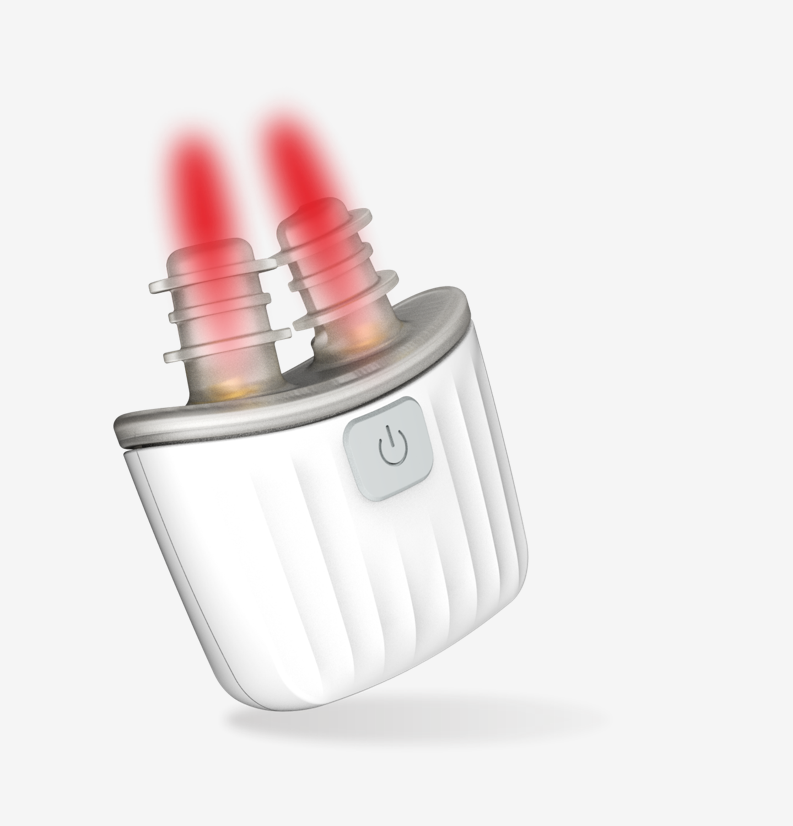
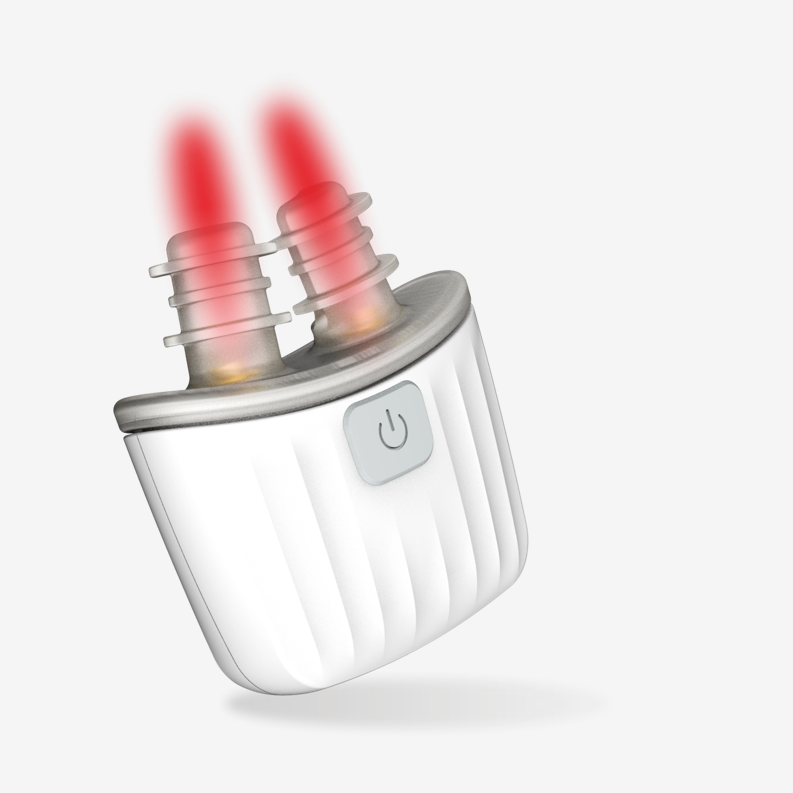
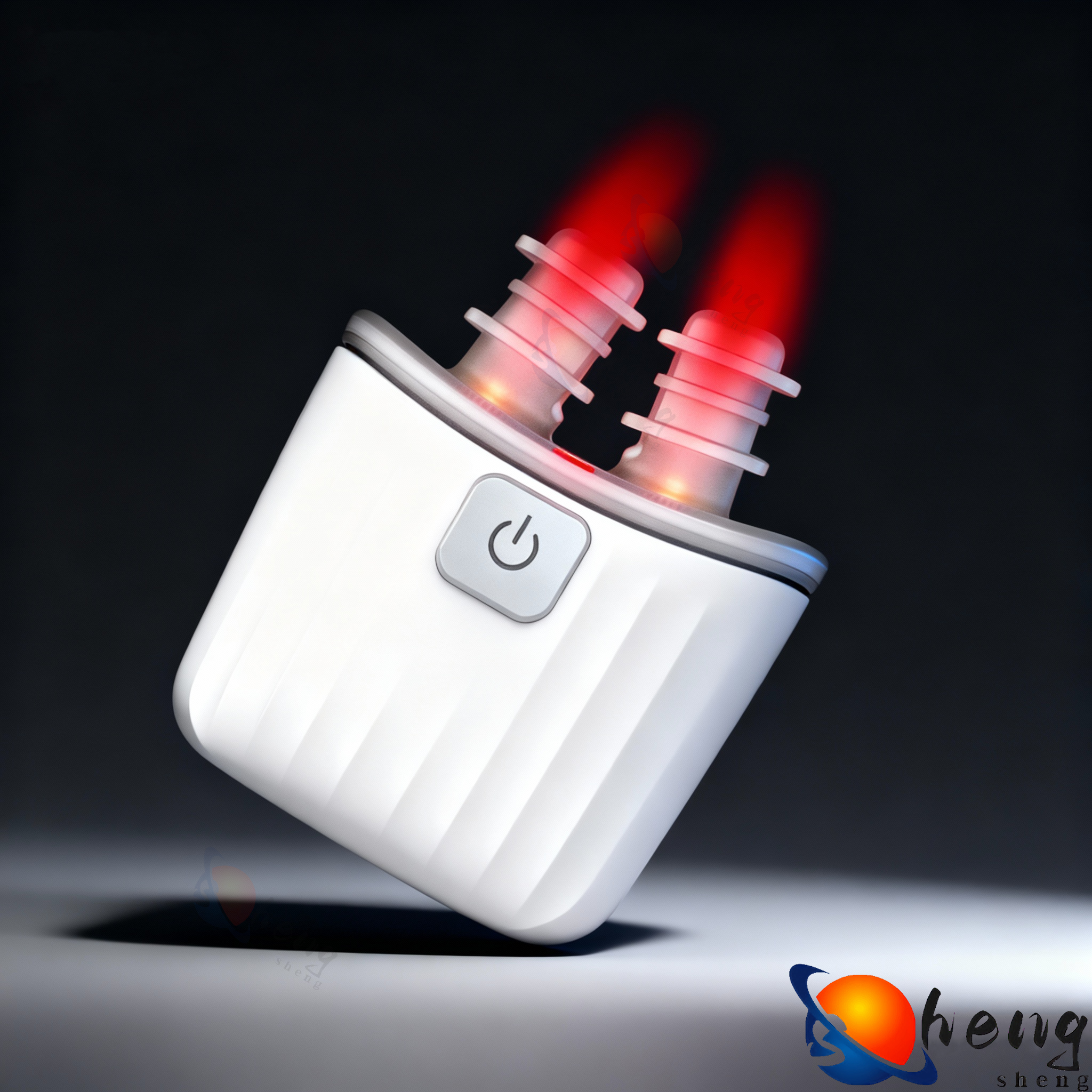
Laser treatment for foot ulcers represents a revolutionary approach in modern wound care, utilizing advanced phototherapy technology to accelerate healing processes and improve patient outcomes. This innovative therapeutic method employs low-level laser therapy (LLLT) or cold laser technology to stimulate cellular regeneration and promote tissue repair in diabetic foot ulcers, venous ulcers, and other chronic wounds affecting the lower extremities. The primary mechanism of laser treatment for foot ulcers involves the emission of specific wavelengths of light, typically ranging from 660 to 904 nanometers, which penetrate deep into tissue layers to trigger biological responses at the cellular level. These therapeutic wavelengths activate mitochondrial function, enhance ATP production, and stimulate the release of growth factors essential for wound healing. The technological features of laser treatment for foot ulcers include precise wavelength control, adjustable power output, and targeted beam delivery systems that ensure optimal energy distribution across the wound surface. Modern laser devices incorporate computerized controls that allow healthcare providers to customize treatment parameters based on individual patient needs, wound characteristics, and healing progress. Clinical applications of laser treatment for foot ulcers extend beyond simple wound closure, encompassing pain reduction, inflammation control, bacterial load management, and improved circulation in the affected area. The non-invasive nature of this therapy makes it particularly suitable for patients with compromised immune systems or those who cannot undergo surgical interventions. Healthcare professionals utilize laser treatment for foot ulcers in various clinical settings, including wound care centers, podiatry practices, and hospital departments, where it serves as either a primary treatment modality or an adjunctive therapy alongside conventional wound care protocols.

 EN
EN