Premium Wheelchair Equipment: Advanced Mobility Solutions for Enhanced Independence and Comfort

Get a Free Quote

Our representative will contact you soon.
Email
Name
Company Name
Message
0/1000

wheelchair equipment

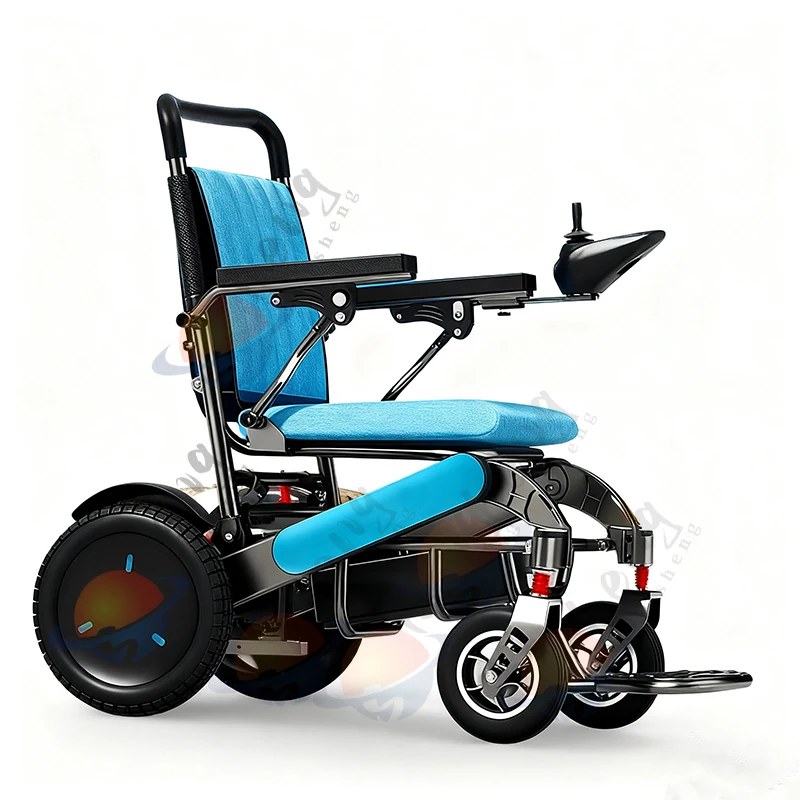
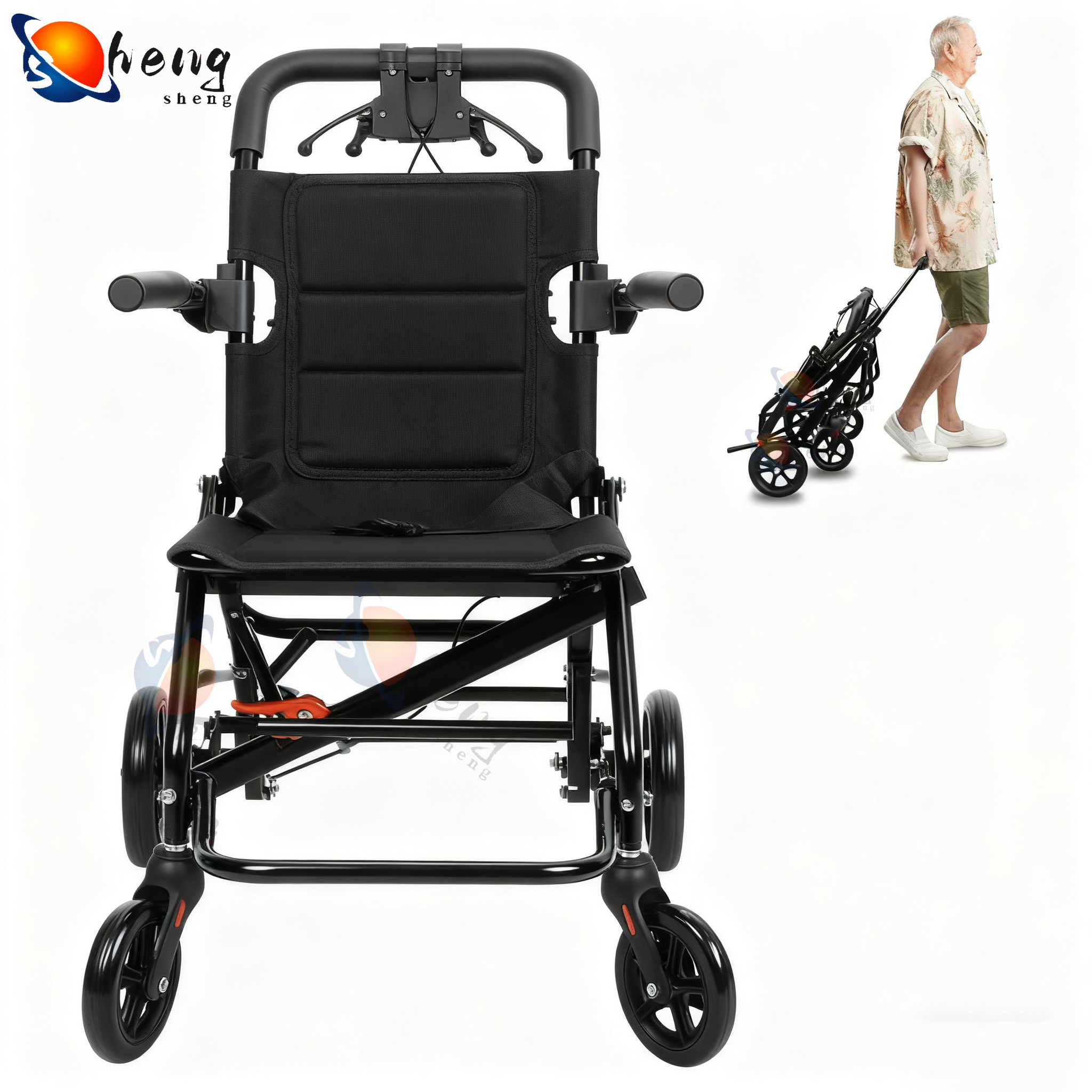
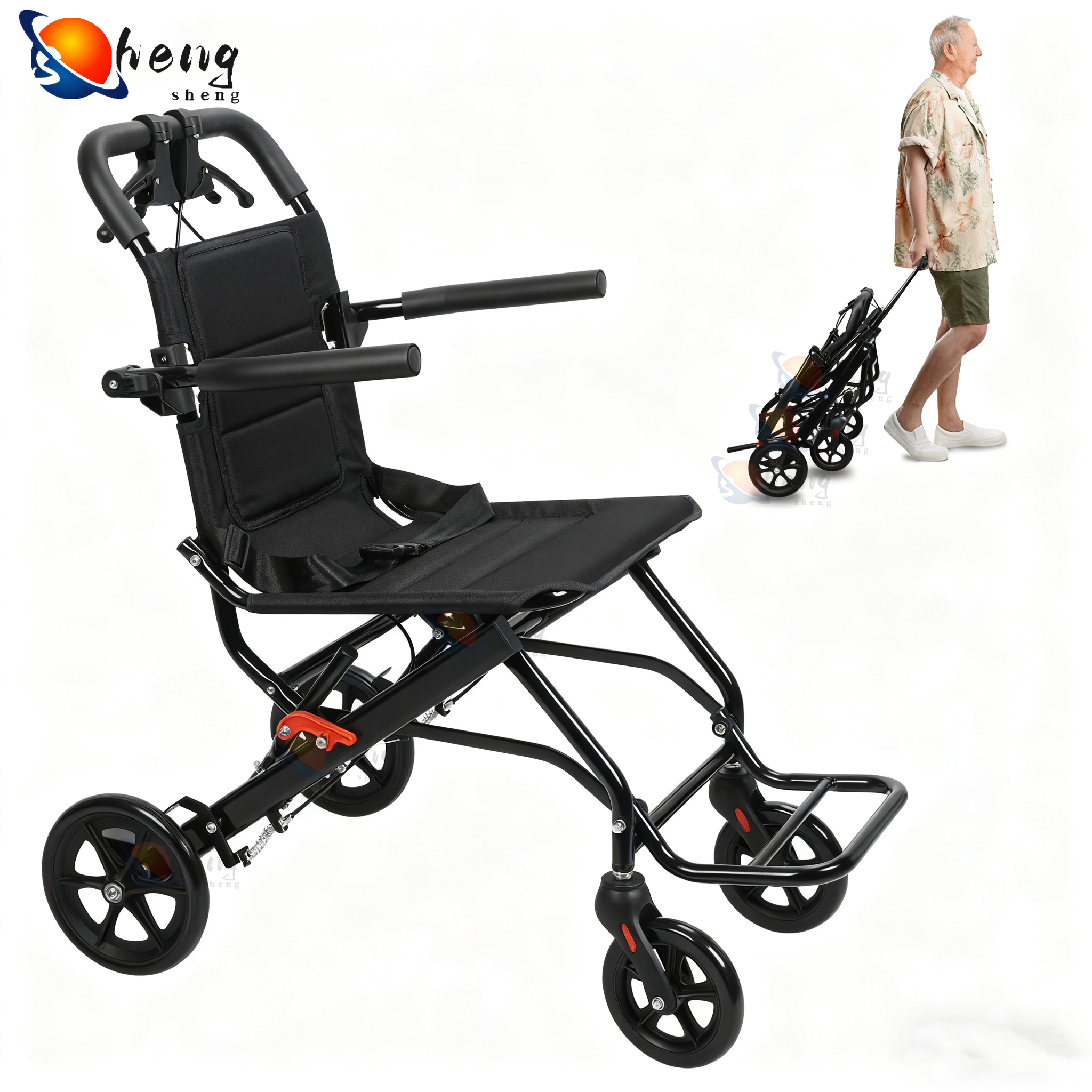
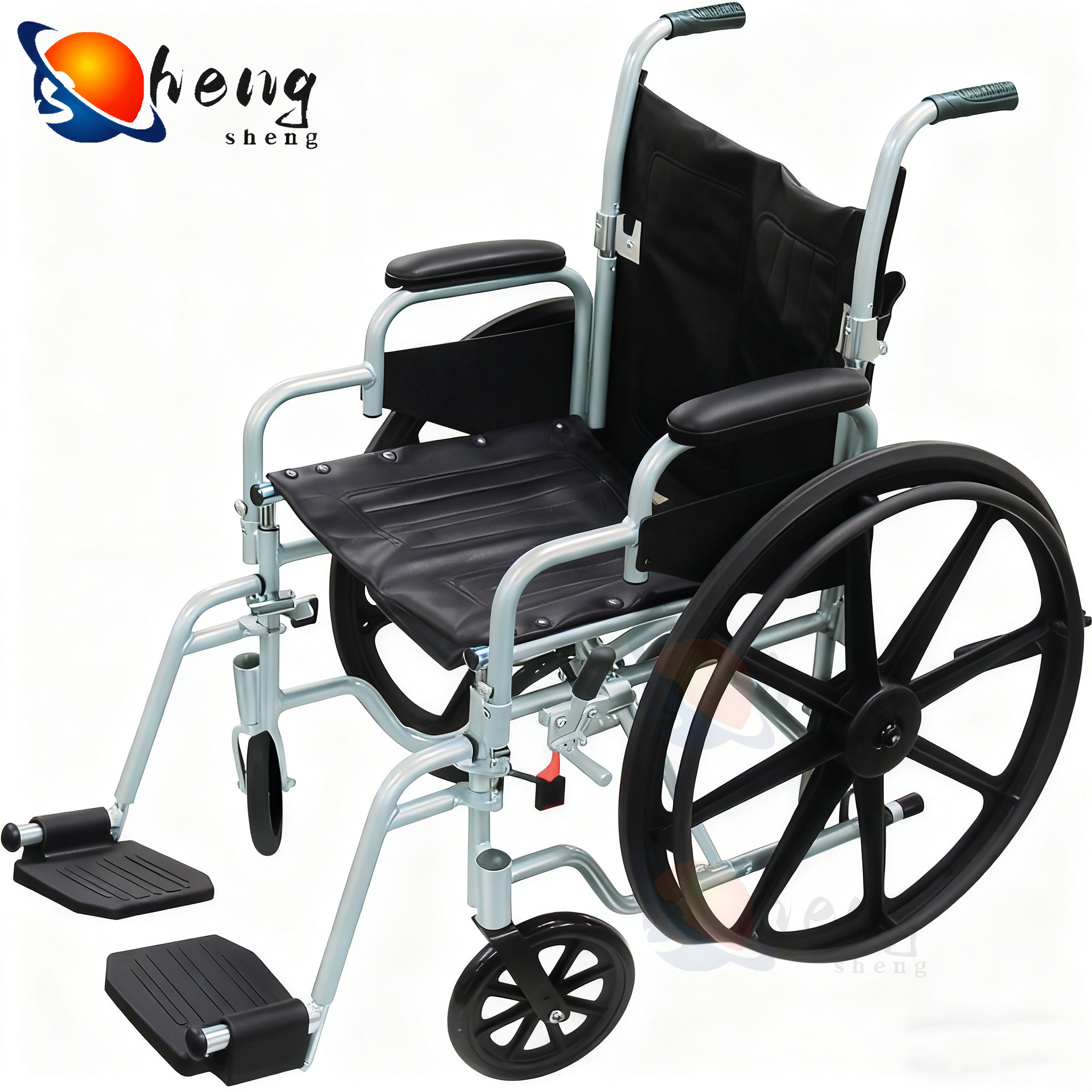
Wheelchair equipment represents a crucial mobility solution designed to enhance independence and quality of life for individuals with various physical limitations. Modern wheelchair equipment encompasses a wide range of sophisticated devices, from basic manual models to advanced powered systems that incorporate cutting-edge technology. These mobility aids serve as essential tools for millions of people worldwide, providing the freedom to navigate daily activities with confidence and dignity. The primary function of wheelchair equipment centers on safe and efficient transportation for users who experience difficulty walking or standing for extended periods. Contemporary designs focus on user comfort, maneuverability, and durability while addressing diverse medical conditions and lifestyle requirements. Advanced wheelchair equipment features lightweight aluminum or carbon fiber construction that reduces overall weight without compromising structural integrity. Many models incorporate adjustable seating systems, customizable armrests, and ergonomic positioning options that accommodate individual body measurements and support requirements. Technological innovations have revolutionized wheelchair equipment capabilities, introducing smart sensors that monitor user posture, battery management systems for electric models, and smartphone connectivity for remote diagnostics. GPS navigation systems integrated into powered wheelchair equipment enable users to plan routes and locate accessible facilities with ease. The applications of wheelchair equipment extend across multiple environments, from residential settings to workplace integration and recreational activities. Healthcare facilities rely on specialized wheelchair equipment for patient transport and rehabilitation programs. Educational institutions utilize adaptive models that allow students to participate fully in classroom activities and campus life. Sports and recreation have embraced high-performance wheelchair equipment designed for athletic competition and outdoor adventures. Emergency response teams deploy ruggedized wheelchair equipment for evacuation scenarios and disaster relief operations. The versatility of modern wheelchair equipment makes it suitable for temporary recovery situations as well as permanent mobility needs, ensuring that users maintain their independence regardless of their specific circumstances or duration of use.

New Product Releases

The advantages of modern wheelchair equipment extend far beyond basic mobility assistance, offering users comprehensive benefits that transform their daily experiences and long-term outcomes. Enhanced independence stands as the most significant advantage, allowing individuals to perform essential activities without constant assistance from caregivers or family members. This autonomy reduces emotional stress and builds confidence while enabling users to maintain their professional responsibilities and social connections. Improved safety features represent another critical advantage of contemporary wheelchair equipment. Advanced braking systems prevent accidental rolling on inclines, while anti-tip mechanisms protect users from backward falls during steep climbs or sudden stops. Reinforced frames and impact-resistant materials provide protection during collisions or unexpected obstacles. Ergonomic design advantages focus on preventing secondary health complications that often accompany prolonged wheelchair use. Proper spine alignment reduces pressure on vertebrae and minimizes the risk of developing chronic pain conditions. Adjustable positioning systems allow users to shift their weight throughout the day, promoting healthy circulation and preventing pressure sores that can lead to serious medical complications. The comfort advantages of modern wheelchair equipment significantly impact user satisfaction and willingness to remain active. Memory foam cushioning adapts to individual body contours, distributing weight evenly across the seating surface. Climate control features in premium models regulate temperature and humidity levels to prevent discomfort during extended use periods. Customization advantages ensure that wheelchair equipment meets specific user requirements rather than forcing adaptation to generic designs. Modular components allow for easy upgrades and modifications as needs change over time. Personalization options include color choices, accessories, and performance settings that reflect individual preferences and lifestyle demands. Economic advantages emerge through reduced healthcare costs and improved productivity potential. High-quality wheelchair equipment prevents expensive medical complications while enabling users to maintain employment and contribute to their household income. Insurance coverage and financing options make advanced models accessible to users across various economic backgrounds. Technology advantages continue expanding as manufacturers integrate artificial intelligence and Internet of Things capabilities into wheelchair equipment. Predictive maintenance alerts prevent unexpected breakdowns, while usage analytics help optimize performance settings for individual users. Remote monitoring capabilities allow healthcare providers to track patient progress and adjust treatment plans based on real-world mobility data collected through smart wheelchair equipment systems.

Tips And Tricks

Why Is Cold Laser Therapy Popular for Pain Relief Today?

31

Oct

Why Is Cold Laser Therapy Popular for Pain Relief Today?

The Rise of Non-Invasive Pain Management Solutions In recent years, cold laser therapy has emerged as a groundbreaking approach to pain management, offering hope to millions seeking relief without medication or surgery. This innovative treatment moda...
View More
How Does Cold Laser Therapy Improve Healing Efficiency?

31

Oct

How Does Cold Laser Therapy Improve Healing Efficiency?

Understanding the Revolutionary Impact of Cold Laser Treatment Cold laser therapy represents a groundbreaking advancement in medical treatment technology, offering patients a non-invasive approach to healing and pain management. This innovative thera...
View More
Can Laser Therapy Improve Joint Mobility and Comfort?

27

Nov

Can Laser Therapy Improve Joint Mobility and Comfort?

Modern healthcare continues to evolve with innovative treatment approaches that offer non-invasive solutions for various health conditions. Among these emerging therapies, laser therapy has gained significant attention from both medical professionals...
View More
Why Is Laser Light Important in Modern Technologies?

27

Nov

Why Is Laser Light Important in Modern Technologies?

The revolutionary impact of laser light on modern technology cannot be overstated. From precision manufacturing to advanced medical treatments, laser light has transformed countless industries and continues to drive innovation across multiple sectors...
View More

Get a Free Quote

Our representative will contact you soon.
Email
Name
Company Name
Message
0/1000

wheelchair equipment

Revolutionary Smart Technology Integration

Revolutionary Smart Technology Integration

The integration of smart technology into modern wheelchair equipment represents a groundbreaking advancement that fundamentally transforms the user experience through intelligent automation and connectivity features. This technological revolution incorporates artificial intelligence algorithms that learn user preferences and automatically adjust settings for optimal comfort and performance throughout the day. Smart sensors continuously monitor environmental conditions, user posture, and equipment status to provide real-time feedback and preventive maintenance alerts. The smartphone connectivity feature allows users to control their wheelchair equipment remotely, adjusting speed settings, monitoring battery levels, and accessing diagnostic information through intuitive mobile applications. GPS navigation systems integrated into the wheelchair equipment provide turn-by-turn directions while identifying accessible routes and facilities along the way. Voice control capabilities enable hands-free operation, allowing users to command their wheelchair equipment through simple verbal instructions, which proves particularly valuable for individuals with limited upper body mobility. The smart technology also includes collision avoidance systems that use ultrasonic sensors to detect obstacles and automatically adjust speed or direction to prevent accidents. Machine learning algorithms analyze usage patterns to optimize battery performance and predict maintenance requirements before issues develop into costly repairs. Cloud connectivity enables remote monitoring by healthcare providers, who can track patient mobility patterns and adjust rehabilitation programs based on objective data collected by the wheelchair equipment. Emergency alert systems automatically notify designated contacts when unusual patterns or potential accidents are detected. The integration extends to home automation systems, allowing wheelchair equipment to communicate with smart home devices for seamless environmental control. Users can adjust lighting, temperature, and security systems directly from their mobility device interface. Software updates delivered wirelessly ensure that wheelchair equipment capabilities continue expanding without requiring hardware replacements. This smart technology integration represents more than convenience features; it creates a comprehensive ecosystem that enhances safety, independence, and quality of life while providing valuable health monitoring data that supports better medical outcomes and treatment decisions.
Advanced Ergonomic Design and Comfort Systems

Advanced Ergonomic Design and Comfort Systems

The advanced ergonomic design principles incorporated into contemporary wheelchair equipment prioritize user comfort and long-term health outcomes through scientifically engineered seating systems and positioning technologies. These sophisticated comfort systems address the complex biomechanical challenges faced by wheelchair users, who spend extended periods in seated positions that can lead to various health complications without proper support. The multi-zone pressure distribution technology built into modern wheelchair equipment utilizes advanced materials and engineering to minimize pressure points that commonly cause discomfort and tissue damage. Memory foam cushioning systems adapt to individual body contours while maintaining proper spine alignment and pelvis positioning. The adjustable lumbar support features allow users to customize their seating position throughout the day, promoting healthy posture and reducing fatigue associated with prolonged sitting. Temperature regulation systems integrated into wheelchair equipment seating prevent overheating and moisture buildup that can lead to skin irritation and pressure sores. Breathable fabric technologies combined with ventilation channels maintain optimal microclimate conditions between the user and seating surface. The modular design approach enables easy customization of wheelchair equipment to accommodate specific medical conditions, body measurements, and personal preferences. Armrests adjust in height, width, and angle to support proper shoulder positioning and reduce strain on upper extremities during propulsion or transfers. Footrests incorporate multiple adjustment points to ensure proper leg positioning and circulation while preventing contractures that can develop from improper positioning. The shock absorption systems built into wheelchair equipment frames minimize vibration and impact forces transmitted to the user during navigation over rough terrain or obstacles. This engineering advancement significantly reduces fatigue and discomfort while protecting the spine from repetitive stress injuries. Anti-bacterial and easy-clean surface treatments maintain hygiene standards while reducing maintenance requirements for busy users. The ergonomic wheel design reduces the force required for manual propulsion while protecting wrists and shoulders from repetitive stress injuries. Precision bearings and lightweight construction minimize rolling resistance, making wheelchair equipment easier to maneuver in tight spaces or over extended distances. These comfort and ergonomic advantages translate into measurable improvements in user satisfaction, health outcomes, and overall quality of life for individuals who depend on wheelchair equipment for daily mobility needs.
Exceptional Durability and Reliability Engineering

Exceptional Durability and Reliability Engineering

The exceptional durability and reliability engineering standards implemented in professional-grade wheelchair equipment ensure consistent performance under demanding conditions while minimizing maintenance requirements and extending operational lifespan. This robust construction philosophy incorporates aerospace-grade materials and manufacturing processes that withstand daily wear, environmental stresses, and intensive use patterns typical of active wheelchair users. The frame construction utilizes high-strength aluminum alloys and carbon fiber composites that provide superior strength-to-weight ratios compared to traditional steel designs. These advanced materials resist corrosion, fatigue cracking, and structural deformation while maintaining the lightweight characteristics essential for easy transportation and maneuverability. Rigorous testing protocols subject wheelchair equipment to thousands of cycles simulating years of typical use, ensuring that critical components maintain their performance characteristics throughout the expected service life. The wheel and bearing systems incorporate sealed precision components that resist contamination from dirt, moisture, and debris commonly encountered in real-world environments. High-performance tires designed specifically for wheelchair equipment provide excellent traction and puncture resistance while minimizing rolling resistance that could increase user fatigue. The electrical systems in powered wheelchair equipment utilize automotive-grade components rated for continuous operation in harsh environmental conditions. Weather-resistant sealing protects sensitive electronics from moisture intrusion while maintaining reliable operation in rain, snow, and humid conditions. Battery management systems incorporate multiple safety features that prevent overcharging, over-discharge, and thermal runaway conditions that could compromise safety or reduce battery lifespan. Quality control measures throughout the manufacturing process ensure that each piece of wheelchair equipment meets stringent performance and safety standards before reaching end users. Comprehensive warranty programs demonstrate manufacturer confidence in the durability and reliability of their wheelchair equipment designs. Field service networks provide rapid response for maintenance and repair needs, minimizing downtime that could impact user mobility and independence. The modular component design philosophy enables easy replacement of wear items without requiring complete wheelchair equipment replacement, reducing long-term ownership costs while maintaining peak performance. Preventive maintenance schedules and diagnostic capabilities help identify potential issues before they develop into failures that could leave users stranded. This reliability engineering approach ensures that wheelchair equipment serves as a dependable foundation for user independence and mobility, providing peace of mind for both users and their families who depend on consistent transportation for work, healthcare, and social activities.


Get a Free Quote

Our representative will contact you soon.
Email
Name
Company Name
Message
0/1000