Advanced Physical Therapy Traction Equipment - Computerized Spinal Decompression Systems

Get a Free Quote

Our representative will contact you soon.
Email
Name
Company Name
Message
0/1000

physical therapy traction equipment

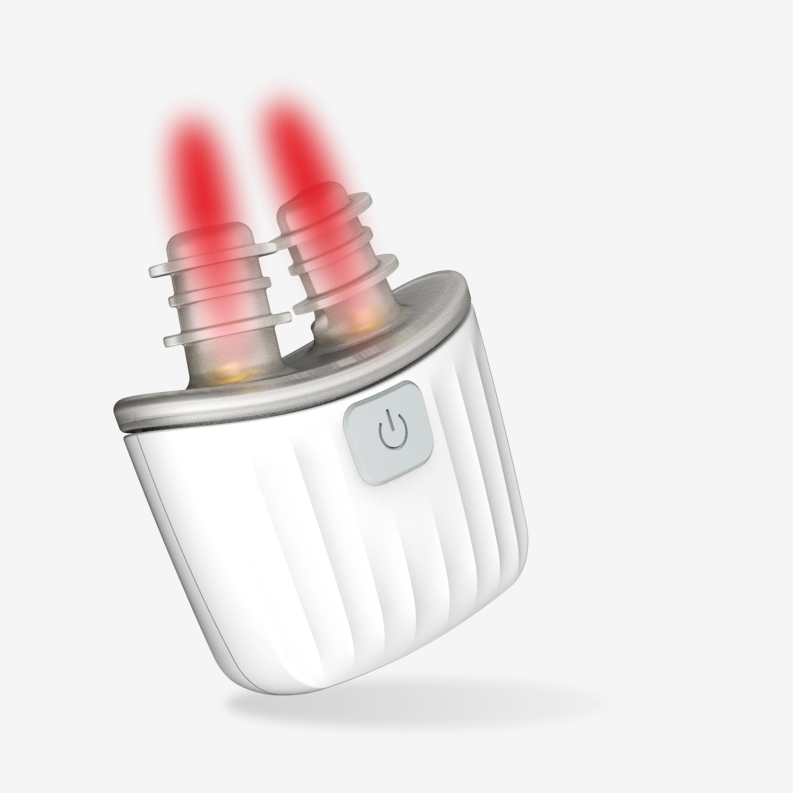
Physical therapy traction equipment represents a cornerstone of modern rehabilitation medicine, designed to provide controlled mechanical force for spinal decompression and joint mobilization. This sophisticated medical apparatus utilizes computerized systems to deliver precise, targeted therapeutic interventions that address various musculoskeletal conditions. The primary function of physical therapy traction equipment centers on creating negative pressure within spinal segments, effectively reducing compression on nerve roots and intervertebral discs while promoting natural healing processes. The equipment operates through advanced pneumatic and motorized mechanisms that ensure consistent force application throughout treatment sessions. Healthcare professionals rely on these devices to treat conditions including herniated discs, sciatica, degenerative disc disease, and cervical radiculopathy. The technological framework incorporates digital monitoring systems that track treatment parameters in real-time, allowing clinicians to adjust protocols based on patient response and comfort levels. Modern physical therapy traction equipment features ergonomic patient positioning systems that accommodate various body types and conditions, ensuring optimal treatment outcomes while maintaining patient safety. The apparatus typically includes programmable control panels that enable customized treatment protocols, with options for intermittent or continuous traction modes. Split-table designs allow targeted treatment of specific spinal regions without affecting adjacent areas, maximizing therapeutic effectiveness. Advanced models integrate biofeedback sensors that monitor patient muscle tension and automatically adjust force levels accordingly. The equipment serves diverse clinical applications, from acute pain management in emergency settings to chronic condition rehabilitation in specialized therapy centers. Safety mechanisms include emergency stop functions, patient communication systems, and automated pressure release protocols that prevent overextension or discomfort. Healthcare facilities utilize this equipment to enhance treatment efficiency while reducing manual labor requirements for therapists, ultimately improving patient throughput and treatment consistency across different providers and sessions.

New Product Releases

Physical therapy traction equipment delivers measurable benefits that transform patient outcomes and clinical efficiency. Patients experience significant pain reduction within the first few treatment sessions, as the controlled decompression relieves pressure on compressed nerve structures and reduces inflammatory responses. The equipment provides consistent treatment delivery that eliminates human error and ensures reproducible results across multiple sessions and different therapists. Healthcare providers save valuable time through automated treatment protocols that allow simultaneous patient care while maintaining personalized attention to individual needs. The precise force control prevents overtreatment and reduces risk of injury compared to manual traction techniques, creating safer therapeutic environments for both patients and practitioners. Treatment comfort improves dramatically through ergonomic positioning systems that support natural spinal alignment while delivering therapeutic force, encouraging patient compliance and regular attendance. Clinical documentation becomes streamlined as digital systems automatically record treatment parameters, force levels, and session duration, supporting evidence-based practice and insurance reimbursement requirements. The equipment accommodates diverse patient populations, from elderly individuals with fragile bone structures to athletes requiring intensive rehabilitation protocols, expanding treatment capacity within healthcare facilities. Cost-effectiveness emerges through reduced treatment time requirements and improved success rates that minimize repeat visits and long-term complications. Physical therapy traction equipment enables early intervention strategies that prevent condition progression and reduce dependency on pharmaceutical pain management approaches. The non-invasive nature of traction therapy appeals to patients seeking alternatives to surgical procedures, positioning healthcare providers as comprehensive care destinations. Treatment standardization ensures consistent outcomes regardless of individual therapist experience levels, supporting quality assurance initiatives and professional development programs. Enhanced patient satisfaction results from comfortable treatment experiences and visible improvement in mobility and pain levels, generating positive referrals and practice growth. The equipment supports evidence-based treatment protocols that align with current clinical guidelines and research findings, strengthening professional credibility and patient confidence in therapeutic interventions.

Latest News

How Does Cold Laser Therapy Improve Healing Efficiency?

31

Oct

How Does Cold Laser Therapy Improve Healing Efficiency?

Understanding the Revolutionary Impact of Cold Laser Treatment Cold laser therapy represents a groundbreaking advancement in medical treatment technology, offering patients a non-invasive approach to healing and pain management. This innovative thera...
View More
Can Cold Laser Therapy Support Faster Muscle Recovery?

31

Oct

Can Cold Laser Therapy Support Faster Muscle Recovery?

Understanding the Science Behind Cold Laser Treatment for Muscles Athletes, fitness enthusiasts, and individuals recovering from injuries are constantly seeking innovative methods to accelerate muscle recovery. Cold laser therapy has emerged as a gro...
View More
How Does Laser Therapy Accelerate Wound Healing?

27

Nov

How Does Laser Therapy Accelerate Wound Healing?

Laser therapy has emerged as a revolutionary approach in modern medicine, offering precise and effective treatment for various medical conditions including wound healing acceleration. This advanced therapeutic technique utilizes focused light energy ...
View More
Can Laser Therapy Improve Joint Mobility and Comfort?

27

Nov

Can Laser Therapy Improve Joint Mobility and Comfort?

Modern healthcare continues to evolve with innovative treatment approaches that offer non-invasive solutions for various health conditions. Among these emerging therapies, laser therapy has gained significant attention from both medical professionals...
View More

Get a Free Quote

Our representative will contact you soon.
Email
Name
Company Name
Message
0/1000

physical therapy traction equipment

Advanced Computerized Control Systems

Advanced Computerized Control Systems

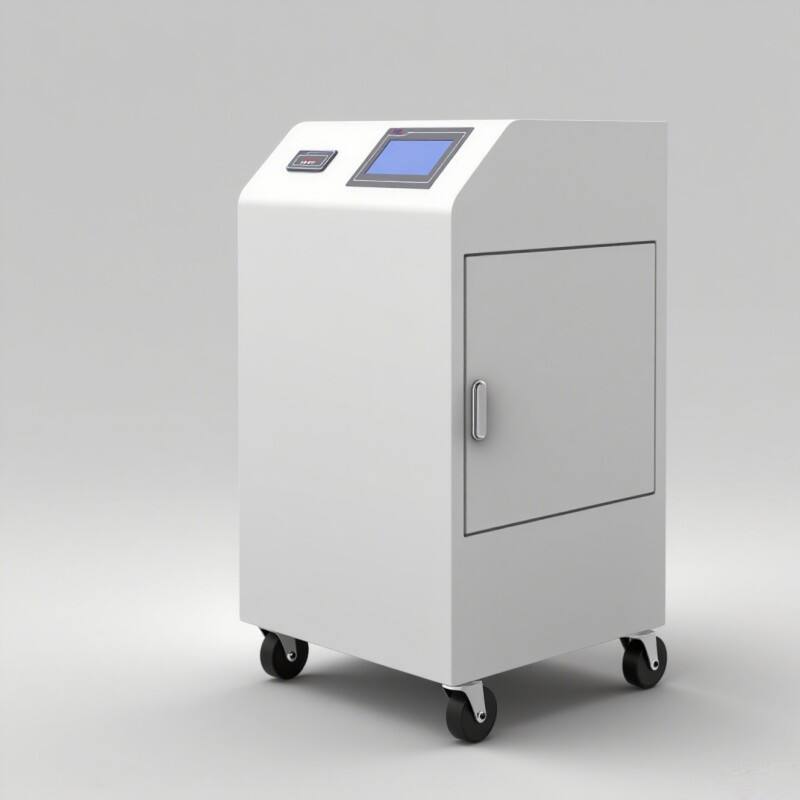
The computerized control system represents the technological heart of modern physical therapy traction equipment, delivering unprecedented precision and safety in therapeutic interventions. This sophisticated system incorporates microprocessor technology that monitors and adjusts traction force in real-time, responding to patient feedback and physiological responses throughout treatment sessions. The digital interface allows healthcare providers to program complex treatment protocols with specific force ramping patterns, hold times, and rest periods that align with evidence-based clinical guidelines and individual patient needs. Advanced sensors continuously measure applied force, patient position, and equipment performance, automatically compensating for variables that might affect treatment quality or safety. The system maintains detailed treatment logs that document every aspect of each session, including force levels, duration, patient responses, and any adjustments made during treatment, supporting comprehensive patient care documentation and clinical research initiatives. Emergency safety protocols are integrated into the control system, featuring automatic force reduction and immediate treatment cessation capabilities activated by patient distress signals or equipment anomalies. The user-friendly touchscreen interface simplifies operation while providing comprehensive treatment options, enabling therapists to focus on patient care rather than equipment management. Programmable treatment profiles accommodate different diagnostic categories and treatment phases, from acute pain management requiring gentle decompression to chronic rehabilitation protocols demanding more intensive intervention strategies. The system supports multiple treatment modes including continuous traction, intermittent cycles, and progressive loading patterns that can be customized based on patient tolerance and therapeutic objectives. Connectivity features allow integration with electronic health records and practice management systems, streamlining administrative processes and supporting quality assurance initiatives that demonstrate treatment effectiveness and patient outcomes to insurance providers and regulatory bodies.
Ergonomic Patient Positioning Technology

Ergonomic Patient Positioning Technology

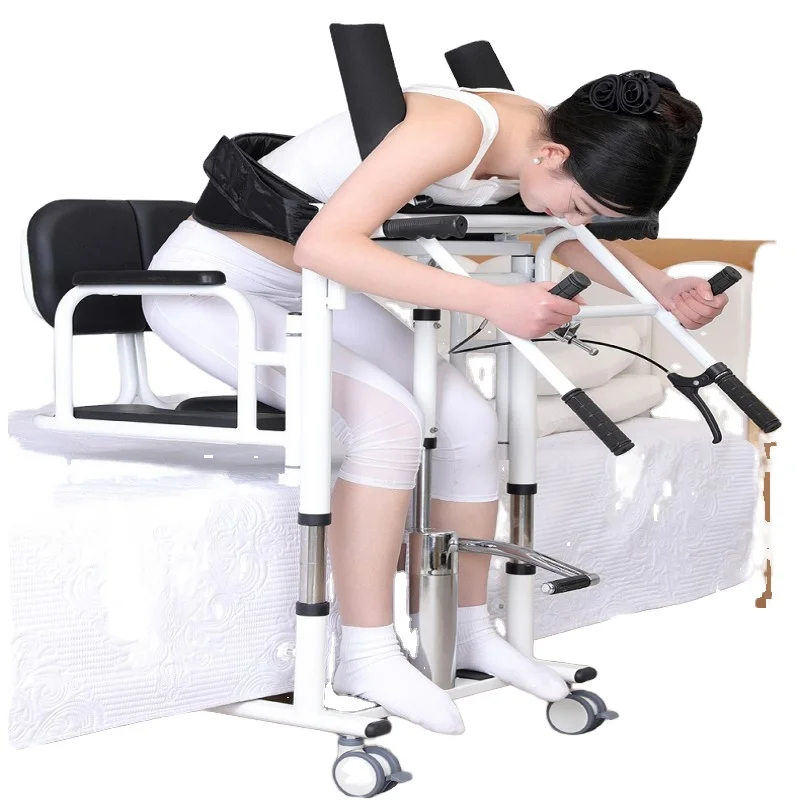
Ergonomic patient positioning technology transforms the treatment experience by ensuring optimal spinal alignment and maximum patient comfort throughout traction therapy sessions. This innovative design philosophy addresses the critical relationship between proper body positioning and therapeutic effectiveness, recognizing that patient comfort directly impacts treatment success and compliance rates. The positioning system incorporates adjustable support surfaces that conform to individual body contours while maintaining precise spinal alignment necessary for effective decompression forces. Advanced cushioning materials distribute pressure evenly across contact points, preventing discomfort and skin irritation during extended treatment sessions while supporting natural anatomical curves. The equipment accommodates various patient sizes and physical limitations through infinitely adjustable components that ensure proper fit regardless of height, weight, or mobility restrictions, making treatment accessible to diverse patient populations. Specialized harness systems distribute traction forces evenly across the torso and pelvis, eliminating pressure points that could cause discomfort or compromise treatment effectiveness while maintaining secure patient positioning throughout dynamic treatment protocols. The split-table design allows targeted treatment of specific spinal segments while protecting adjacent areas from unnecessary stress, enabling precise therapeutic interventions that address localized pathology without affecting healthy tissue structures. Patient communication systems are integrated into the positioning framework, providing immediate access to therapist assistance and emergency stop functions that ensure patient safety and confidence during treatment. The positioning technology supports multiple treatment angles and orientations that optimize force vector alignment with therapeutic objectives, whether addressing cervical, thoracic, or lumbar conditions requiring different mechanical approaches. Hygienic considerations are addressed through antimicrobial surface treatments and easy-clean materials that maintain sterile treatment environments while supporting infection control protocols essential in healthcare settings. The ergonomic design reduces therapist physical strain during patient setup and positioning procedures, supporting workplace safety initiatives while improving treatment efficiency and reducing setup times between patient appointments.
Multi-Modal Treatment Capabilities

Multi-Modal Treatment Capabilities

Multi-modal treatment capabilities distinguish advanced physical therapy traction equipment by offering comprehensive therapeutic approaches that address complex musculoskeletal conditions through integrated treatment strategies. This versatility enables healthcare providers to combine traction therapy with complementary modalities including heat therapy, electrical stimulation, and vibration massage within single treatment sessions, maximizing therapeutic effectiveness while optimizing patient time investment. The integrated approach recognizes that successful rehabilitation often requires addressing multiple tissue types and pathophysiological processes simultaneously, rather than focusing on isolated symptoms or structures. Heat therapy components prepare tissues for traction by increasing blood flow and reducing muscle tension, creating optimal conditions for spinal decompression while minimizing patient discomfort during force application. Electrical stimulation capabilities target muscle re-education and pain control through precisely controlled current delivery that complements mechanical decompression effects, supporting comprehensive pain management strategies that reduce dependency on pharmaceutical interventions. Vibration therapy elements enhance circulation and promote tissue relaxation while maintaining traction forces, creating synergistic effects that accelerate healing processes and improve patient comfort throughout treatment sessions. The equipment supports sequential treatment protocols that automatically transition between different therapeutic modalities based on programmed timelines and patient response parameters, ensuring consistent treatment delivery while allowing therapist attention to multiple patients simultaneously. Treatment customization extends to individual modality intensity levels and timing sequences that accommodate varying patient tolerance levels and clinical presentations, from acute inflammatory conditions requiring gentle intervention to chronic fibrotic changes demanding more intensive therapeutic approaches. Documentation systems track utilization of all treatment modalities, providing comprehensive records that support clinical decision-making and demonstrate treatment progression to patients, insurance providers, and referring physicians. The multi-modal approach appeals to patients seeking comprehensive care solutions while positioning healthcare facilities as advanced treatment destinations capable of addressing complex conditions through innovative therapeutic combinations that optimize outcomes while minimizing treatment time requirements and associated costs.

Get a Free Quote

Our representative will contact you soon.
Email
Name
Company Name
Message
0/1000