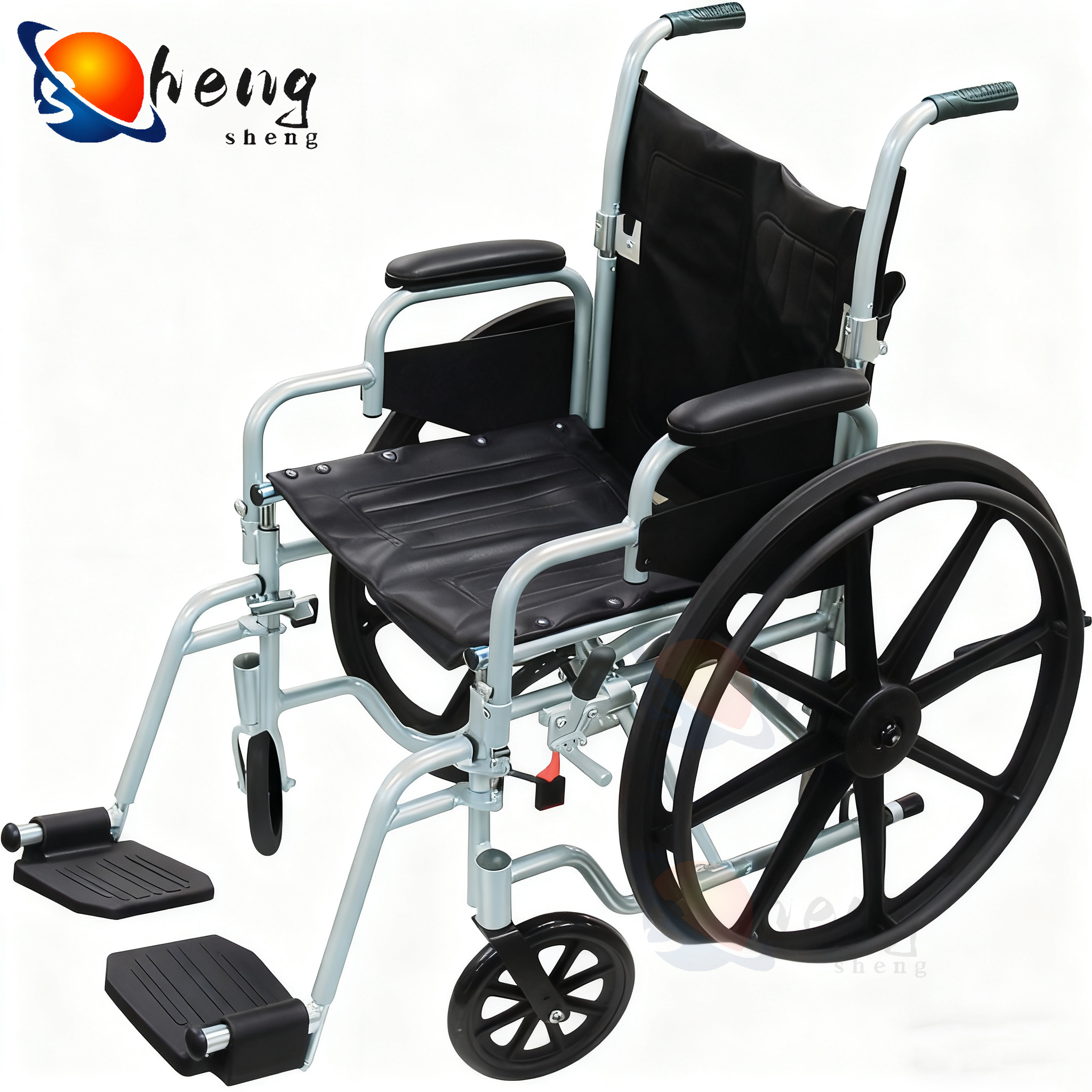
knee rehabilitation equipment
Knee rehabilitation equipment represents a comprehensive category of specialized medical devices designed to facilitate recovery, strengthen muscles, and restore mobility following knee injuries, surgeries, or chronic conditions. These sophisticated systems integrate cutting-edge technology with proven therapeutic methodologies to deliver targeted treatment solutions for patients across various recovery stages. Modern knee rehabilitation equipment encompasses continuous passive motion machines, functional electrical stimulation devices, isokinetic exercise systems, and biomechanical analysis platforms that work collectively to optimize healing outcomes. The primary functions of knee rehabilitation equipment include range of motion restoration, muscle strengthening, pain management, and proprioceptive training. These devices utilize advanced sensor technology to monitor patient progress, providing real-time feedback to healthcare professionals and patients alike. Continuous passive motion machines gently move the knee joint through predetermined ranges without requiring active patient participation, preventing stiffness and promoting cartilage nutrition. Functional electrical stimulation units deliver controlled electrical impulses to stimulate muscle contractions, preventing atrophy and maintaining muscle tone during immobilization periods. Isokinetic systems provide variable resistance training that adapts to patient strength levels throughout the full range of motion, ensuring optimal muscle development without overexertion. Contemporary knee rehabilitation equipment features user-friendly interfaces, customizable treatment protocols, and comprehensive data tracking capabilities. These technological advancements enable precise treatment personalization based on individual patient needs, injury severity, and recovery goals. The equipment's applications span across orthopedic clinics, physical therapy centers, sports medicine facilities, and home healthcare environments. Healthcare professionals rely on this equipment to implement evidence-based rehabilitation protocols that accelerate recovery timelines while minimizing complications. Patient safety remains paramount through built-in protection mechanisms, emergency stop functions, and automated adjustment features that prevent excessive stress on healing tissues.

 EN
EN