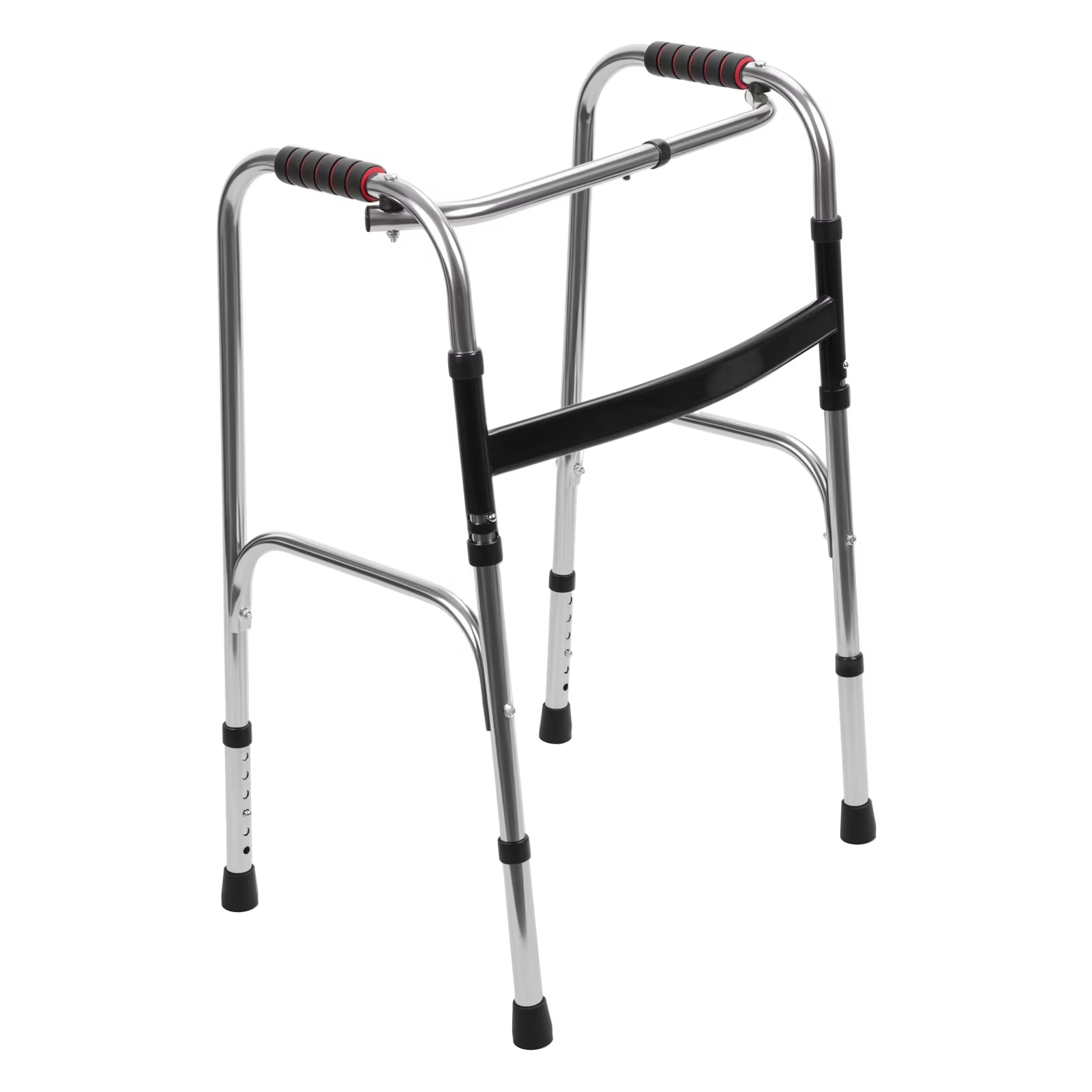
Professional Hand Rehab Equipment - Advanced Therapeutic Solutions for Optimal Recovery

Get a Free Quote

Our representative will contact you soon.
Email
Name
Company Name
Message
0/1000

hand rehab equipment

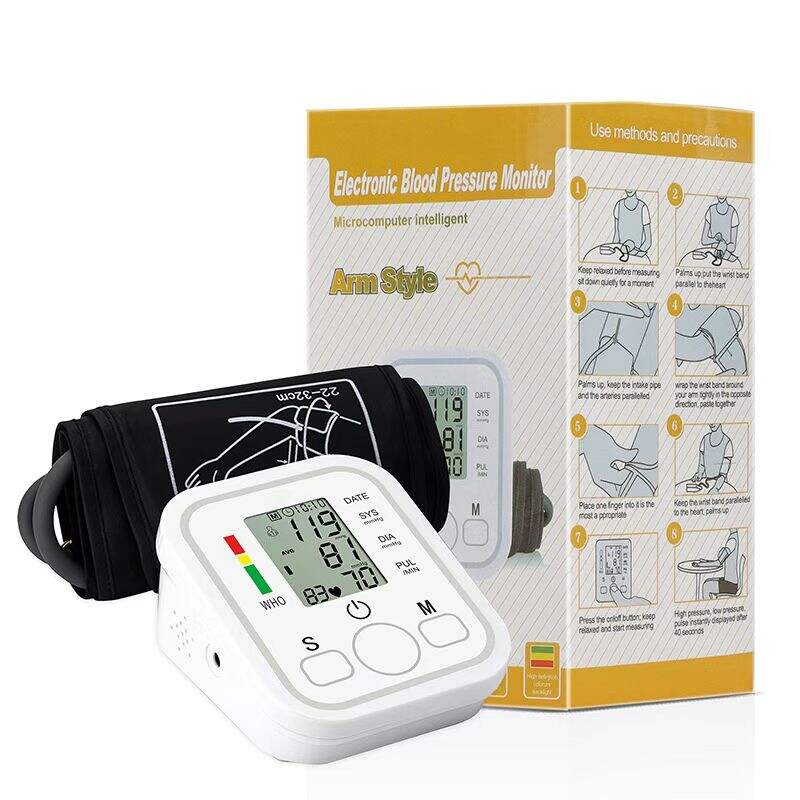
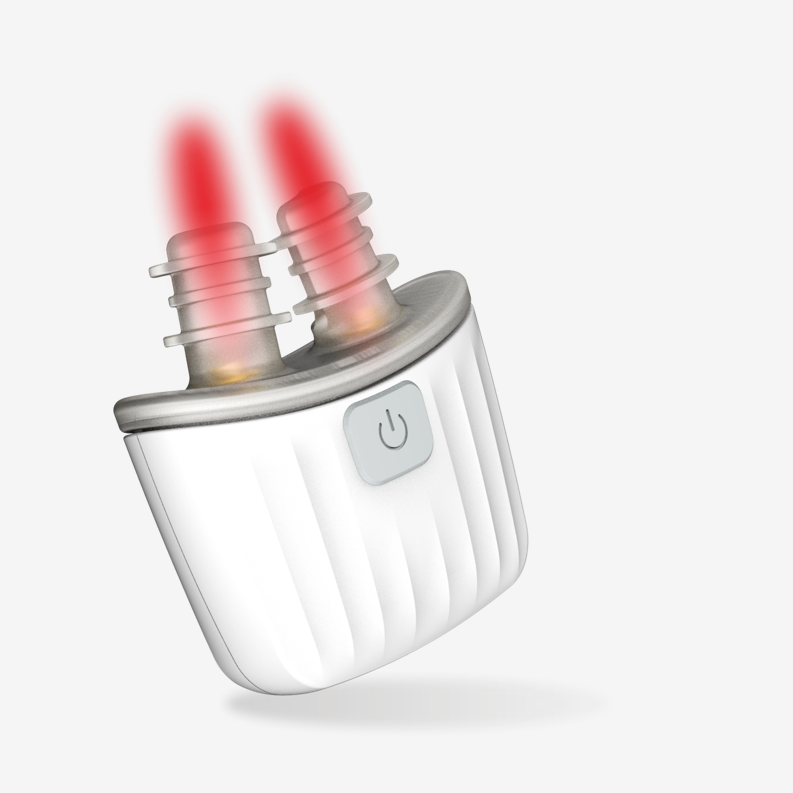
Hand rehab equipment represents a revolutionary advancement in therapeutic technology, designed specifically to restore function, strength, and mobility to patients recovering from hand injuries, surgeries, or neurological conditions. These sophisticated devices combine cutting-edge engineering with evidence-based rehabilitation principles to deliver targeted therapeutic interventions that accelerate recovery and improve patient outcomes. Modern hand rehab equipment incorporates multiple therapeutic modalities including controlled resistance training, range of motion exercises, fine motor skill development, and sensory feedback mechanisms. The technological features of contemporary hand rehab equipment include programmable resistance levels, real-time performance monitoring, biometric sensors that track progress, and customizable treatment protocols tailored to individual patient needs. Advanced models feature digital interfaces that allow healthcare professionals to monitor patient compliance, adjust treatment parameters remotely, and generate comprehensive progress reports. These devices utilize pneumatic, hydraulic, or electronic resistance systems to provide precise force application during therapeutic exercises. The applications of hand rehab equipment span across diverse medical settings including hospitals, outpatient clinics, rehabilitation centers, and home care environments. Physical therapists, occupational therapists, and rehabilitation specialists utilize this equipment to treat conditions such as stroke recovery, traumatic brain injury, spinal cord injury, arthritis, tendon repairs, fractures, and repetitive strain injuries. The versatility of modern hand rehab equipment enables treatment of both acute and chronic conditions, supporting patients throughout their entire recovery journey from initial mobilization to advanced functional training. Integration capabilities with electronic health records and telemedicine platforms make these devices essential components of comprehensive rehabilitation programs, ensuring continuity of care and optimal therapeutic outcomes for patients seeking to regain hand function and independence.


New Product Recommendations

Hand rehab equipment delivers significant clinical advantages that transform patient recovery experiences and therapeutic outcomes through scientifically-proven methodologies. Patients experience accelerated healing processes because these devices provide consistent, controlled therapeutic interventions that promote tissue repair and functional restoration. The precision targeting capabilities ensure that specific muscle groups, joints, and movement patterns receive appropriate therapeutic attention, maximizing recovery efficiency while minimizing treatment duration. Healthcare providers benefit from standardized treatment protocols that eliminate guesswork and ensure evidence-based therapeutic approaches. The equipment generates objective performance data that enables clinicians to make informed decisions about treatment progression and modification strategies. Cost-effectiveness represents another major advantage as hand rehab equipment reduces the need for multiple therapy sessions while delivering superior results compared to traditional manual therapy approaches. Patients achieve greater independence through structured home-based therapy programs supported by portable hand rehab equipment models. The motivational aspects of technology-enhanced therapy keep patients engaged throughout their recovery journey, improving compliance rates and overall satisfaction scores. Real-time feedback mechanisms help patients understand their progress and maintain focus on therapeutic goals. Customization capabilities allow therapists to adjust resistance levels, exercise duration, and movement patterns to match individual patient capabilities and recovery stages. The versatility of modern hand rehab equipment supports multiple therapeutic goals simultaneously, including strength building, range of motion improvement, coordination enhancement, and pain management. Remote monitoring features enable healthcare providers to track patient progress outside clinical settings, ensuring continuity of care and early intervention when needed. Insurance coverage for medically necessary hand rehab equipment makes advanced therapeutic technology accessible to broader patient populations. The integration of gamification elements in modern devices transforms rehabilitation into engaging experiences that encourage consistent participation and effort. Quality of life improvements occur rapidly as patients regain functional abilities essential for daily activities, work responsibilities, and recreational pursuits through systematic use of specialized rehabilitation technology.

Tips And Tricks

Why Is Cold Laser Therapy Popular for Pain Relief Today?

31

Oct

Why Is Cold Laser Therapy Popular for Pain Relief Today?

The Rise of Non-Invasive Pain Management Solutions In recent years, cold laser therapy has emerged as a groundbreaking approach to pain management, offering hope to millions seeking relief without medication or surgery. This innovative treatment moda...
View More
How to Benefit from Cold Laser Therapy in Clinical Use?

31

Oct

How to Benefit from Cold Laser Therapy in Clinical Use?

Understanding the Revolutionary Impact of Cold Laser Treatment in Modern Medicine Cold laser therapy represents a groundbreaking advancement in medical treatment, offering patients a non-invasive solution for various conditions. This innovative thera...
View More
Can Cold Laser Therapy Support Faster Muscle Recovery?

31

Oct

Can Cold Laser Therapy Support Faster Muscle Recovery?

Understanding the Science Behind Cold Laser Treatment for Muscles Athletes, fitness enthusiasts, and individuals recovering from injuries are constantly seeking innovative methods to accelerate muscle recovery. Cold laser therapy has emerged as a gro...
View More
How Does Laser Light Improve Precision in Medicine?

27

Nov

How Does Laser Light Improve Precision in Medicine?

Modern medicine has witnessed remarkable advancements in recent decades, with laser light therapy emerging as one of the most promising non-invasive treatment modalities. This innovative approach harnesses the power of specific wavelengths of light t...
View More

Get a Free Quote

Our representative will contact you soon.
Email
Name
Company Name
Message
0/1000

hand rehab equipment

Advanced Biometric Monitoring and Progress Tracking

Advanced Biometric Monitoring and Progress Tracking

The sophisticated biometric monitoring capabilities integrated into modern hand rehab equipment represent a breakthrough in rehabilitation technology, providing unprecedented insight into patient recovery patterns and therapeutic effectiveness. These advanced systems utilize multiple sensor technologies including force transducers, position encoders, electromyography sensors, and motion capture devices to collect comprehensive data about patient performance during therapeutic exercises. The continuous monitoring functionality tracks grip strength measurements, range of motion parameters, movement velocity, coordination patterns, and muscle activation levels with laboratory-grade precision. Healthcare professionals receive detailed analytics that reveal subtle improvements or concerning trends that might otherwise go unnoticed during traditional therapy sessions. The data visualization tools present complex rehabilitation metrics in easily interpretable formats, enabling clinicians to make evidence-based decisions about treatment modifications and progression strategies. Real-time feedback displays motivate patients by showing immediate results of their therapeutic efforts, creating positive reinforcement loops that encourage consistent participation and maximum effort during exercises. The longitudinal tracking capabilities build comprehensive patient profiles that document recovery trajectories over weeks and months, providing valuable insights for future treatment planning and outcome predictions. Integration with electronic health records ensures that rehabilitation data becomes part of the permanent medical record, supporting continuity of care across different healthcare providers and settings. The automated progress reporting features generate detailed summaries that satisfy insurance documentation requirements while reducing administrative burden on clinical staff. Machine learning algorithms analyze accumulated data to identify optimal treatment parameters for specific conditions and patient demographics, continuously improving therapeutic protocols. The remote monitoring capabilities enable healthcare providers to track patient compliance and performance during home-based therapy sessions, ensuring that therapeutic gains continue outside clinical environments. Quality assurance features alert clinicians to unusual patterns or potential equipment malfunctions, maintaining the integrity of therapeutic data and patient safety throughout the rehabilitation process.
Customizable Therapeutic Protocols for Diverse Conditions

Customizable Therapeutic Protocols for Diverse Conditions

The remarkable adaptability of contemporary hand rehab equipment stems from its sophisticated protocol customization capabilities, allowing healthcare providers to tailor therapeutic interventions to address the unique needs of diverse patient populations and medical conditions. This flexibility enables treatment of complex cases ranging from acute traumatic injuries to chronic degenerative conditions, ensuring that each patient receives optimal therapeutic interventions matched to their specific recovery requirements. The programmable resistance systems accommodate patients across the entire spectrum of functional abilities, from individuals with minimal grip strength following stroke to athletes recovering from sports-related hand injuries requiring high-level performance restoration. Advanced software interfaces enable clinicians to create detailed exercise prescriptions that specify resistance levels, movement patterns, repetition counts, rest intervals, and progression criteria based on established clinical protocols and individual patient assessments. The modular design of modern hand rehab equipment supports multiple therapeutic approaches simultaneously, combining strength training, range of motion exercises, coordination drills, and sensory re-education activities within single treatment sessions. Condition-specific protocols address the unique requirements of various diagnoses including traumatic brain injury, spinal cord injury, peripheral nerve injuries, arthritis, tendon repairs, and repetitive strain disorders. The equipment adapts to accommodate different stages of recovery, providing gentle mobilization exercises during acute phases and progressing to demanding functional training as patients regain strength and coordination. Bilateral training capabilities support neuroplasticity principles by enabling simultaneous therapy for both hands, particularly beneficial for stroke recovery and other neurological conditions. The progressive loading algorithms automatically adjust therapeutic parameters based on patient performance data, ensuring continuous challenge while preventing overexertion or re-injury. Pediatric adaptations make the equipment suitable for treating children with congenital conditions or developmental delays, using age-appropriate interfaces and scaled resistance levels. The comprehensive exercise libraries contain hundreds of therapeutic activities that target specific functional goals including activities of daily living, workplace tasks, and recreational activities, ensuring that rehabilitation outcomes translate into meaningful improvements in patient quality of life and independence.
Seamless Integration with Modern Healthcare Systems

Seamless Integration with Modern Healthcare Systems

The integration capabilities of advanced hand rehab equipment with modern healthcare technology infrastructure represent a paradigm shift in rehabilitation service delivery, creating seamless workflows that enhance clinical efficiency and patient care coordination. These sophisticated systems connect effortlessly with hospital information systems, electronic health records, and telemedicine platforms, ensuring that rehabilitation data flows smoothly throughout the healthcare continuum. The interoperability features support multiple communication protocols and data formats, enabling compatibility with diverse healthcare technology ecosystems regardless of existing infrastructure configurations. Cloud-based connectivity allows secure data sharing between multiple care providers, ensuring that rehabilitation specialists, physicians, nurses, and other healthcare team members have access to current patient progress information. The real-time data synchronization capabilities eliminate the delays and errors associated with manual data entry, improving documentation accuracy while reducing administrative workload for clinical staff. Telehealth integration enables remote consultation sessions where therapists can observe patient exercises, provide real-time guidance, and adjust treatment parameters without requiring in-person visits. The automated billing interfaces streamline insurance claim processing by generating detailed documentation of therapeutic activities, session duration, and clinical outcomes required for reimbursement purposes. Quality reporting tools compile rehabilitation metrics that support accreditation requirements, research initiatives, and continuous improvement programs within healthcare organizations. The scalable architecture accommodates growth from single-device installations to comprehensive rehabilitation networks serving multiple locations and thousands of patients. Cybersecurity measures including end-to-end encryption, multi-factor authentication, and compliance with healthcare data protection regulations ensure patient privacy and information security throughout all system interactions. The standardized data formats facilitate participation in clinical research studies and multi-center trials, contributing to the advancement of rehabilitation science and evidence-based practice development. Mobile applications extend the integration ecosystem to patients' smartphones and tablets, enabling convenient access to exercise programs, progress tracking, and communication tools that maintain therapeutic engagement between clinic visits. The comprehensive analytics platforms aggregate data across patient populations to identify trends, benchmark outcomes, and optimize resource allocation decisions that improve overall rehabilitation program effectiveness and sustainability.

Get a Free Quote

Our representative will contact you soon.
Email
Name
Company Name
Message
0/1000