infrared laser therapy
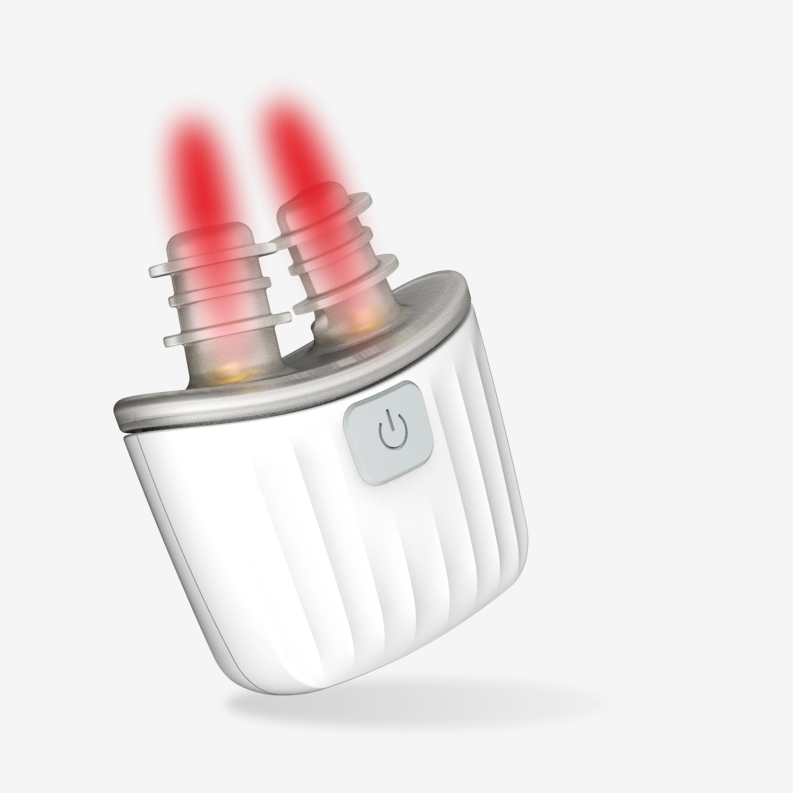
Infrared laser therapy represents a cutting-edge medical technology that harnesses the power of specific light wavelengths to promote healing and provide therapeutic benefits. This innovative treatment method utilizes low-level laser light in the infrared spectrum, typically ranging from 660 to 1000 nanometers, to stimulate cellular processes and accelerate natural healing mechanisms within the human body. The therapy works by penetrating deep into tissues, reaching muscles, joints, and other structures that conventional treatments often struggle to access effectively. The primary functions of infrared laser therapy include pain reduction, inflammation control, improved circulation, and enhanced tissue regeneration. Medical professionals widely recognize this non-invasive treatment for its ability to stimulate mitochondrial activity within cells, leading to increased ATP production and accelerated healing processes. The technological features of infrared laser therapy systems include precise wavelength control, adjustable power settings, and targeted delivery mechanisms that ensure optimal treatment outcomes. Modern infrared laser therapy devices incorporate advanced safety features, user-friendly interfaces, and programmable treatment protocols that allow healthcare providers to customize treatments based on individual patient needs. The applications of infrared laser therapy span numerous medical fields, including orthopedics, physical therapy, sports medicine, wound care, and pain management. Patients with arthritis, muscle strains, ligament injuries, chronic pain conditions, and post-surgical recovery needs often benefit significantly from this therapeutic approach. The technology has gained particular recognition for treating conditions such as carpal tunnel syndrome, tennis elbow, lower back pain, and diabetic ulcers. Clinical studies consistently demonstrate the effectiveness of infrared laser therapy in reducing treatment times, minimizing side effects, and improving patient satisfaction rates compared to traditional treatment methods.

 EN
EN