Accelerated Healing and Tissue Regeneration
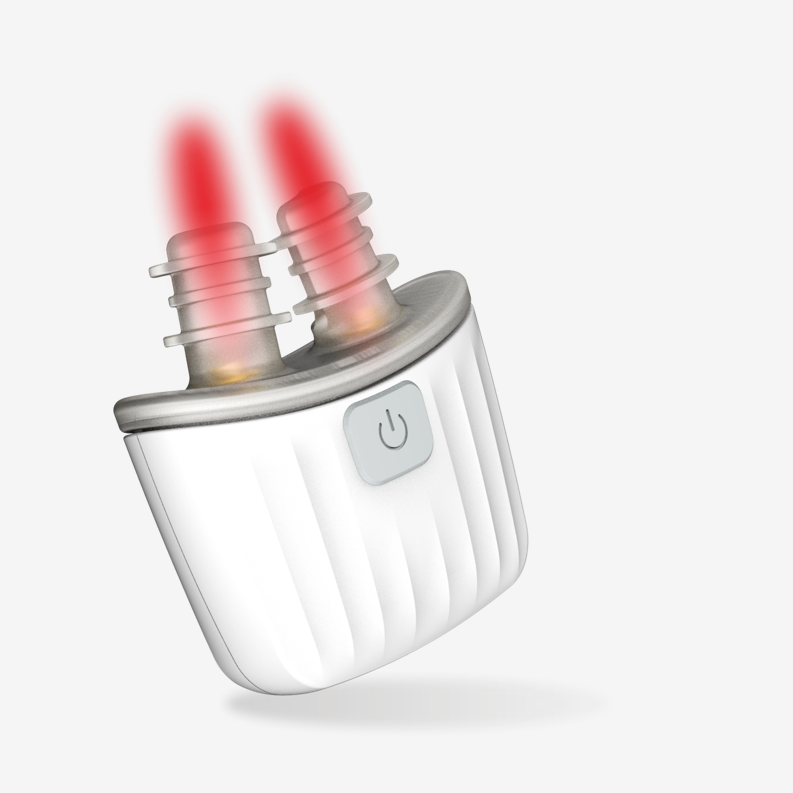
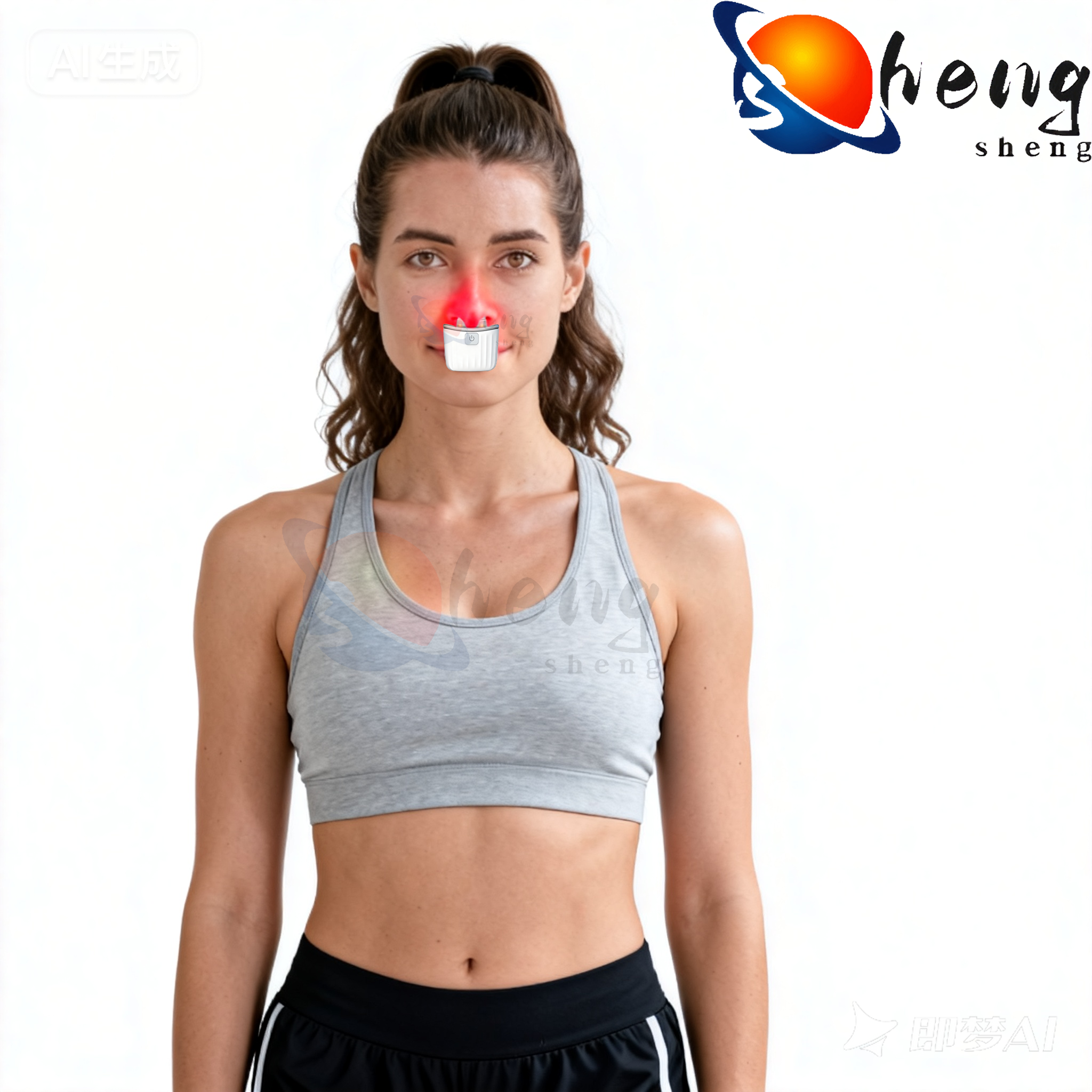
Advanced laser therapy dramatically accelerates natural healing processes by stimulating cellular regeneration, enhancing blood circulation, and promoting the synthesis of essential proteins required for tissue repair and recovery. This remarkable capability transforms the standard healing timeline for injuries, surgical wounds, and degenerative conditions by optimizing the biological environment necessary for efficient tissue regeneration. The therapy increases local blood flow by up to 40 percent through vasodilation and angiogenesis, ensuring that healing tissues receive optimal oxygen and nutrient delivery while facilitating the removal of metabolic waste products that can impede recovery. Enhanced circulation also promotes the migration of immune cells, growth factors, and stem cells to treatment areas, creating ideal conditions for rapid tissue repair. Advanced laser therapy stimulates fibroblast proliferation and collagen synthesis, two critical components in the formation of new tissue matrix and scar tissue remodeling. This process results in stronger, more flexible healed tissues with improved functional capacity compared to natural healing alone. The technology also promotes the formation of new blood vessels through angiogenesis, ensuring long-term vascular support for regenerated tissues. Wound healing studies demonstrate that laser-treated areas heal up to 50 percent faster than untreated control sites, with significantly improved tensile strength and reduced scar formation. For bone healing applications, advanced laser therapy stimulates osteoblast activity and accelerates calcium deposition, leading to faster fracture healing and improved bone density. The treatment proves equally effective for soft tissue injuries, including muscle strains, ligament sprains, and tendon damage, where it promotes proper fiber alignment and reduces the formation of restrictive scar tissue. Clinical applications extend to post-surgical recovery, where laser therapy can significantly reduce healing time, minimize complications, and improve functional outcomes. The regenerative effects continue for days following each treatment session, as stimulated cellular processes maintain enhanced activity levels. This sustained therapeutic effect means that fewer treatment sessions are required to achieve complete healing compared to other therapeutic modalities, making advanced laser therapy both clinically superior and cost-effective for patients seeking optimal recovery outcomes.

 EN
EN