Advanced Professional Stroke Rehabilitation Equipment - Revolutionary Recovery Technology Solutions

Get a Free Quote

Our representative will contact you soon.
Email
Name
Company Name
Message
0/1000

professional stroke rehabilitation equipment

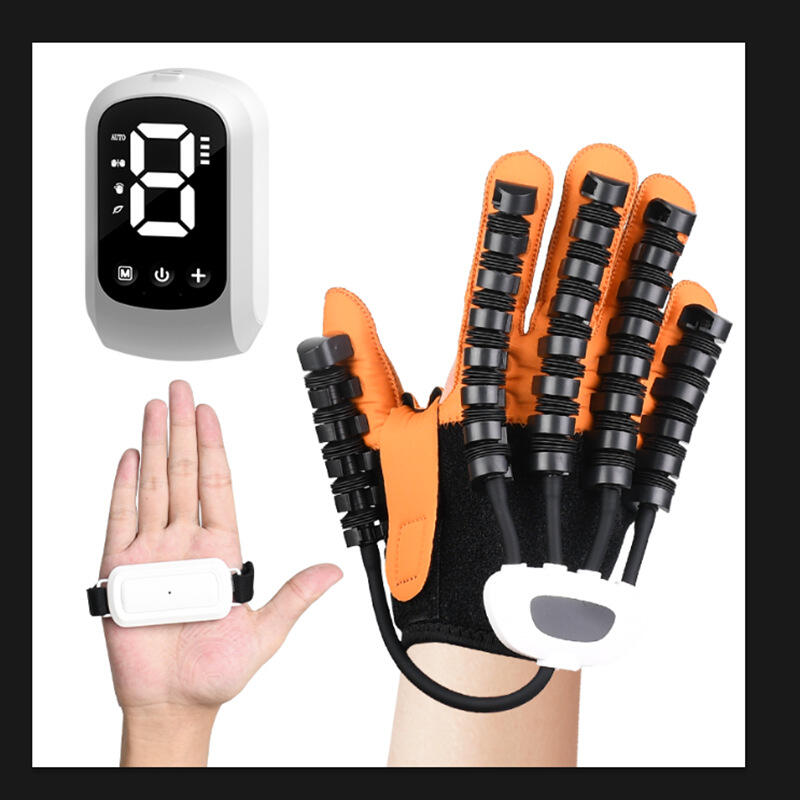
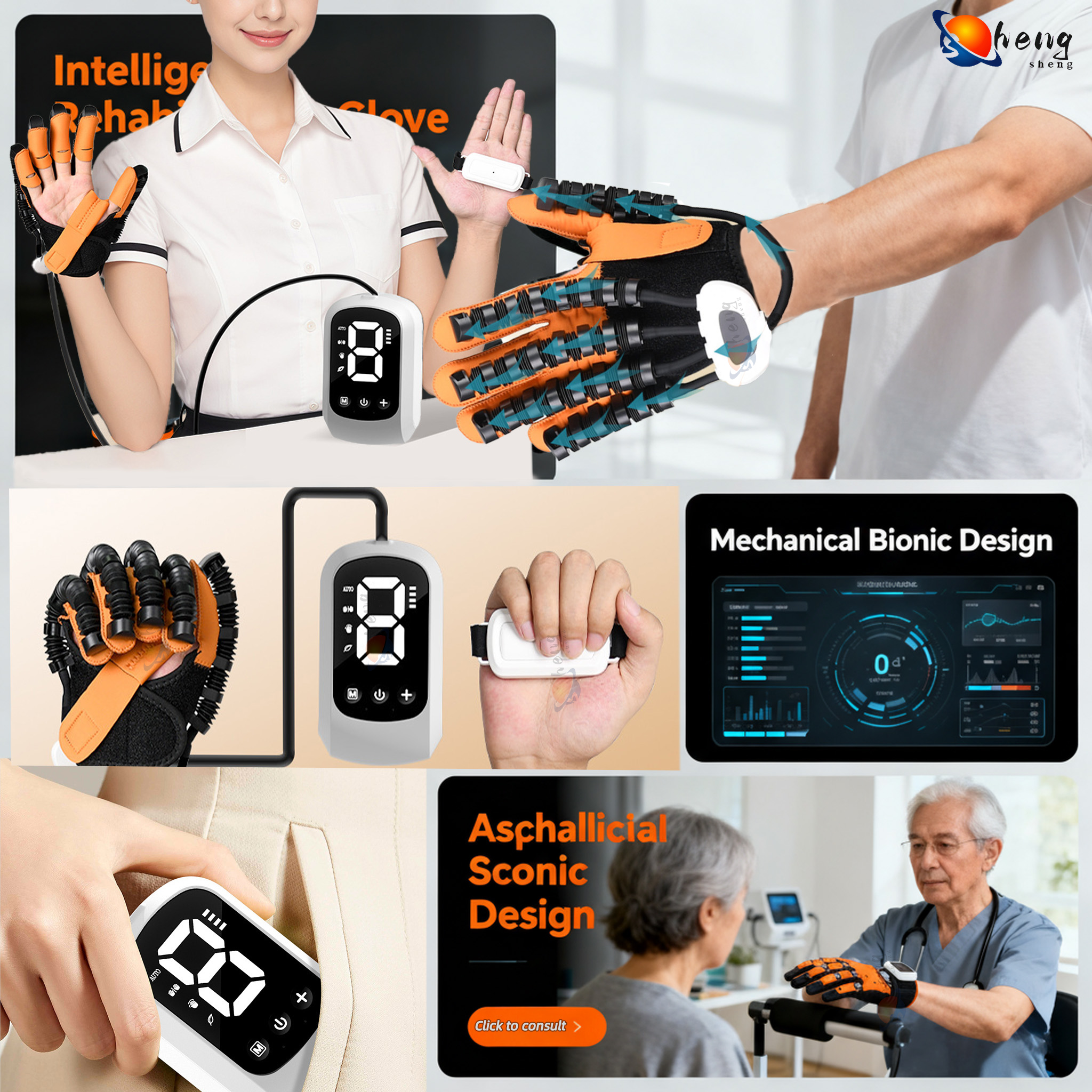
Professional stroke rehabilitation equipment represents a revolutionary advancement in neurological recovery technology, designed specifically to assist patients recovering from cerebrovascular accidents. This sophisticated medical technology combines cutting-edge robotics, artificial intelligence, and evidence-based therapeutic protocols to deliver comprehensive rehabilitation solutions. The equipment encompasses various specialized devices including robotic gait trainers, upper limb rehabilitation systems, balance training platforms, and cognitive assessment tools. Each component works synergistically to address the multifaceted challenges stroke survivors face during their recovery journey. The technological foundation of professional stroke rehabilitation equipment incorporates advanced sensors, real-time feedback mechanisms, and adaptive algorithms that personalize treatment protocols based on individual patient progress. These systems utilize biomechanical analysis to monitor movement patterns, muscle activation levels, and coordination improvements throughout the rehabilitation process. The equipment features intuitive user interfaces that enable healthcare professionals to customize therapy sessions, track patient outcomes, and adjust treatment intensity according to specific clinical requirements. Modern professional stroke rehabilitation equipment integrates seamlessly with electronic health records, providing comprehensive documentation and progress tracking capabilities. The applications of this equipment extend across various healthcare settings including hospitals, rehabilitation centers, outpatient clinics, and specialized stroke recovery facilities. Healthcare providers utilize these systems to deliver targeted interventions for motor function restoration, speech therapy support, cognitive rehabilitation, and balance improvement. The equipment supports both acute care interventions and long-term rehabilitation programs, adapting to patients at different stages of recovery. Clinical applications include gait retraining for ambulatory function restoration, upper extremity exercises for fine motor skill development, and virtual reality-based cognitive training modules. The versatility of professional stroke rehabilitation equipment allows therapists to implement evidence-based protocols while maintaining patient engagement through interactive and motivational features that enhance treatment compliance and therapeutic outcomes.


New Product Releases

Professional stroke rehabilitation equipment delivers transformative benefits that significantly enhance patient recovery outcomes while streamlining clinical operations for healthcare providers. These advanced systems accelerate the rehabilitation process by providing consistent, precise, and measurable therapeutic interventions that surpass traditional manual therapy methods. Patients experience faster motor function recovery through repetitive, task-specific training protocols that promote neuroplasticity and neural pathway reconstruction. The equipment enables therapists to deliver high-intensity training sessions with reduced physical strain, allowing for longer treatment durations and more frequent therapy sessions. Data-driven insights generated by professional stroke rehabilitation equipment empower clinicians to make informed decisions about treatment modifications, ensuring optimal therapeutic progression for each patient. The systems provide objective measurements of patient performance, eliminating subjective assessments and creating standardized evaluation criteria that facilitate better treatment planning. Healthcare facilities benefit from improved operational efficiency as the equipment allows therapists to treat multiple patients simultaneously while maintaining individualized care protocols. Cost-effectiveness emerges through reduced staffing requirements and decreased treatment duration, ultimately lowering overall healthcare expenses while improving patient satisfaction scores. Professional stroke rehabilitation equipment enhances patient motivation through gamification elements, virtual reality experiences, and real-time performance feedback that transform traditional therapy into engaging, interactive sessions. The equipment supports evidence-based practice by incorporating the latest research findings into treatment algorithms, ensuring patients receive cutting-edge therapeutic interventions. Safety features built into professional stroke rehabilitation equipment minimize injury risks during therapy sessions, providing secure harness systems, emergency stop mechanisms, and automated fall prevention protocols. The technology facilitates remote monitoring capabilities, enabling healthcare providers to track patient progress between sessions and adjust home exercise programs accordingly. Standardization of treatment protocols across different healthcare settings ensures consistent quality of care regardless of facility size or geographic location. Professional stroke rehabilitation equipment contributes to improved long-term outcomes by establishing comprehensive baseline assessments, tracking functional improvements over time, and providing detailed progress reports that support insurance claims and treatment justification. The integration of multiple therapeutic modalities within single systems maximizes treatment efficiency while minimizing equipment footprint requirements in clinical settings.

Tips And Tricks

How to Benefit from Cold Laser Therapy in Clinical Use?

31

Oct

How to Benefit from Cold Laser Therapy in Clinical Use?

Understanding the Revolutionary Impact of Cold Laser Treatment in Modern Medicine Cold laser therapy represents a groundbreaking advancement in medical treatment, offering patients a non-invasive solution for various conditions. This innovative thera...
View More
What Makes Laser Therapy Popular in Physical Medicine?

27

Nov

What Makes Laser Therapy Popular in Physical Medicine?

The integration of advanced therapeutic technologies in modern healthcare has revolutionized treatment approaches across numerous medical specialties. Among these innovations, laser therapy has emerged as a cornerstone treatment modality that combine...
View More
How Does Laser Therapy Accelerate Wound Healing?

27

Nov

How Does Laser Therapy Accelerate Wound Healing?

Laser therapy has emerged as a revolutionary approach in modern medicine, offering precise and effective treatment for various medical conditions including wound healing acceleration. This advanced therapeutic technique utilizes focused light energy ...
View More
How Does Laser Light Improve Precision in Medicine?

27

Nov

How Does Laser Light Improve Precision in Medicine?

Modern medicine has witnessed remarkable advancements in recent decades, with laser light therapy emerging as one of the most promising non-invasive treatment modalities. This innovative approach harnesses the power of specific wavelengths of light t...
View More

Get a Free Quote

Our representative will contact you soon.
Email
Name
Company Name
Message
0/1000

professional stroke rehabilitation equipment

Advanced Neuroplasticity Enhancement Technology

Advanced Neuroplasticity Enhancement Technology

Professional stroke rehabilitation equipment incorporates groundbreaking neuroplasticity enhancement technology that fundamentally transforms how the brain recovers from stroke-related damage. This innovative approach leverages the brain's natural ability to reorganize and form new neural connections through targeted, repetitive movements combined with sensory feedback mechanisms. The technology utilizes sophisticated algorithms that analyze movement patterns in real-time, providing immediate corrective feedback to optimize motor learning and skill acquisition. Patients benefit from precisely calibrated resistance levels, movement trajectories, and timing sequences that challenge the nervous system in progressive stages, promoting cortical reorganization and functional recovery. The neuroplasticity enhancement features include multi-sensory stimulation protocols that engage visual, auditory, and tactile feedback systems simultaneously, creating rich learning environments that accelerate neural adaptation processes. Professional stroke rehabilitation equipment employs adaptive difficulty algorithms that automatically adjust challenge levels based on patient performance, ensuring optimal learning conditions without overwhelming or under-stimulating the recovering nervous system. The technology incorporates task-specific training modules that mirror real-world activities, enabling patients to practice functional movements that directly translate to improved daily living capabilities. Biofeedback sensors integrated throughout the equipment provide continuous monitoring of muscle activation patterns, joint angles, and movement quality, allowing for immediate corrections and refinements during therapy sessions. The neuroplasticity enhancement technology supports both motor and cognitive recovery through dual-task training scenarios that challenge patients to perform physical movements while engaging in cognitive activities. This comprehensive approach addresses the interconnected nature of neurological recovery, recognizing that motor and cognitive functions influence each other significantly. Clinical studies demonstrate that patients using professional stroke rehabilitation equipment with neuroplasticity enhancement technology achieve measurable improvements in motor function, balance, coordination, and cognitive performance compared to traditional therapy methods. The technology's ability to provide consistent, reproducible training conditions ensures that patients receive optimal stimulation for neural recovery while healthcare providers can track progress with unprecedented precision and reliability.
Comprehensive Real-Time Performance Analytics

Comprehensive Real-Time Performance Analytics

Professional stroke rehabilitation equipment features sophisticated real-time performance analytics that revolutionize how healthcare providers monitor, assess, and optimize patient recovery progress. This advanced analytical capability transforms raw movement data into actionable insights that guide clinical decision-making and personalize treatment protocols for maximum therapeutic effectiveness. The system continuously captures biomechanical parameters including joint angles, velocity profiles, force generation patterns, and coordination metrics, creating comprehensive performance profiles for each patient session. Healthcare professionals gain access to detailed visualizations and trend analyses that reveal subtle improvements or plateaus in patient performance, enabling timely interventions and treatment modifications. The analytics platform processes thousands of data points per session, identifying patterns and correlations that would be impossible to detect through manual observation alone. Professional stroke rehabilitation equipment utilizes machine learning algorithms to compare individual patient progress against normative databases and successful recovery patterns, providing benchmarks and realistic goal-setting frameworks. The real-time feedback capabilities allow patients to visualize their performance immediately, creating motivation and engagement through clear progress indicators and achievement recognition systems. Clinical documentation becomes streamlined and comprehensive as the equipment automatically generates detailed reports that satisfy regulatory requirements while providing valuable insights for treatment planning. The analytics system supports outcome prediction modeling, helping healthcare providers estimate recovery timelines and set appropriate expectations with patients and families. Integration capabilities with electronic health records ensure seamless data flow and comprehensive patient history tracking across multiple therapy sessions and healthcare providers. Professional stroke rehabilitation equipment analytics enable evidence-based practice by collecting outcome data that contributes to clinical research and treatment protocol refinement. The system identifies optimal training parameters for individual patients, including session duration, intensity levels, and exercise progressions that maximize recovery potential. Quality assurance features within the analytics platform detect equipment calibration issues, ensure data accuracy, and maintain consistent measurement standards across different devices and locations. Healthcare administrators benefit from aggregate analytics that demonstrate treatment effectiveness, support quality improvement initiatives, and provide justification for equipment investments through measurable patient outcome improvements.
Multi-Modal Therapeutic Integration System

Multi-Modal Therapeutic Integration System

Professional stroke rehabilitation equipment features an innovative multi-modal therapeutic integration system that combines various rehabilitation approaches into cohesive, synchronized treatment protocols for comprehensive stroke recovery. This sophisticated integration capability brings together physical therapy, occupational therapy, speech therapy, and cognitive rehabilitation modalities within unified treatment sessions that address multiple recovery domains simultaneously. The system recognizes that stroke recovery involves complex interactions between motor, cognitive, speech, and sensory functions, requiring coordinated therapeutic interventions that mirror real-world functional demands. Professional stroke rehabilitation equipment seamlessly integrates robotic-assisted movement therapy with virtual reality environments, creating immersive experiences that engage patients cognitively while promoting physical recovery. The multi-modal approach includes synchronized audio-visual stimulation protocols that support speech and language recovery while patients engage in motor training exercises. Balance training components integrate with cognitive challenges, requiring patients to maintain postural stability while processing information and making decisions, mimicking daily living scenarios. The therapeutic integration system supports customizable treatment protocols that healthcare providers can modify based on individual patient needs, recovery stage, and specific therapeutic goals. Professional stroke rehabilitation equipment coordinates multiple sensory inputs including visual displays, auditory cues, haptic feedback, and proprioceptive training to create rich therapeutic environments that promote neural recovery. The integration capabilities extend to home-based therapy programs, allowing patients to continue coordinated multi-modal treatments outside clinical settings while maintaining connectivity with healthcare providers. Clinical workflows benefit from streamlined treatment delivery as therapists can address multiple therapeutic objectives within single sessions, maximizing treatment efficiency and patient convenience. The system includes intelligent scheduling algorithms that optimize therapy sequences and timing to prevent fatigue while maintaining therapeutic intensity throughout treatment sessions. Professional stroke rehabilitation equipment supports interdisciplinary care coordination by providing shared platforms where physical therapists, occupational therapists, speech pathologists, and physicians can collaborate on treatment planning and progress monitoring. The multi-modal integration enhances patient engagement through varied, dynamic therapy experiences that prevent boredom and maintain motivation throughout extended rehabilitation periods. Outcome measurements from integrated therapy sessions provide comprehensive assessments of functional improvement across multiple domains, supporting holistic recovery evaluation and treatment planning adjustments.

Get a Free Quote

Our representative will contact you soon.
Email
Name
Company Name
Message
0/1000