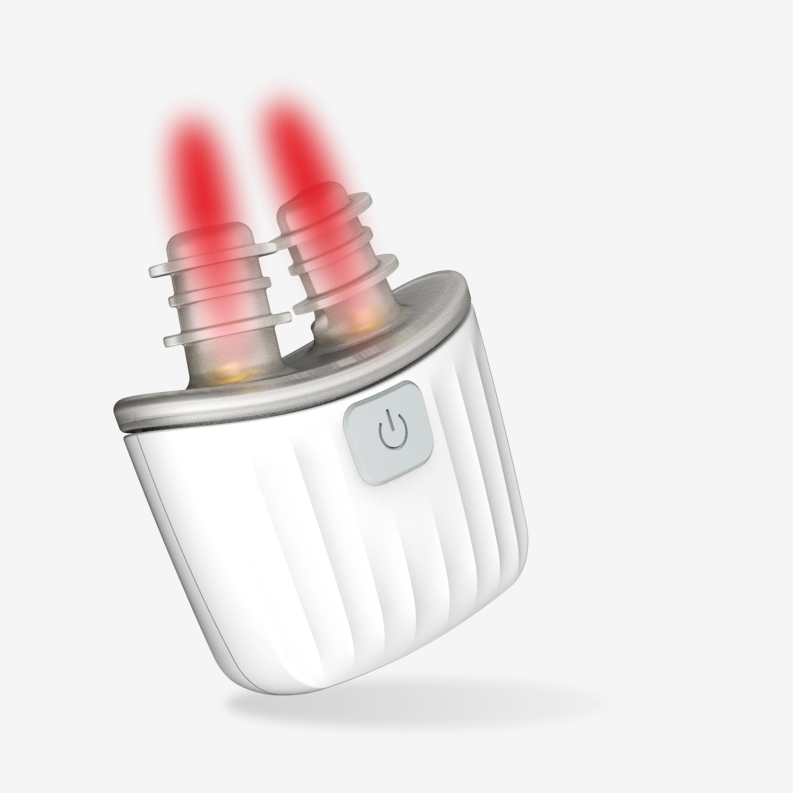
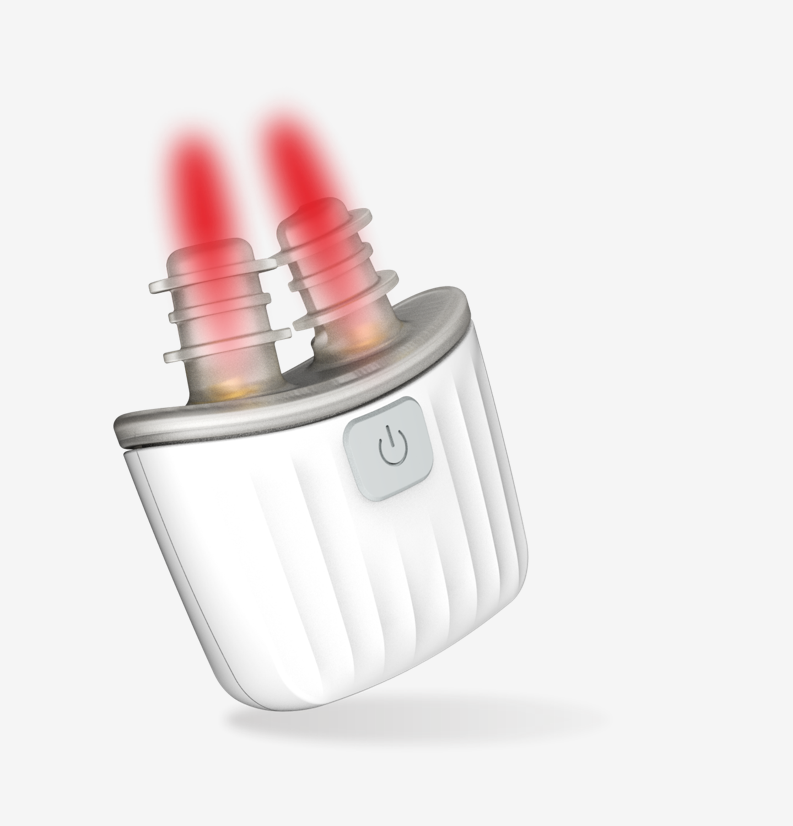
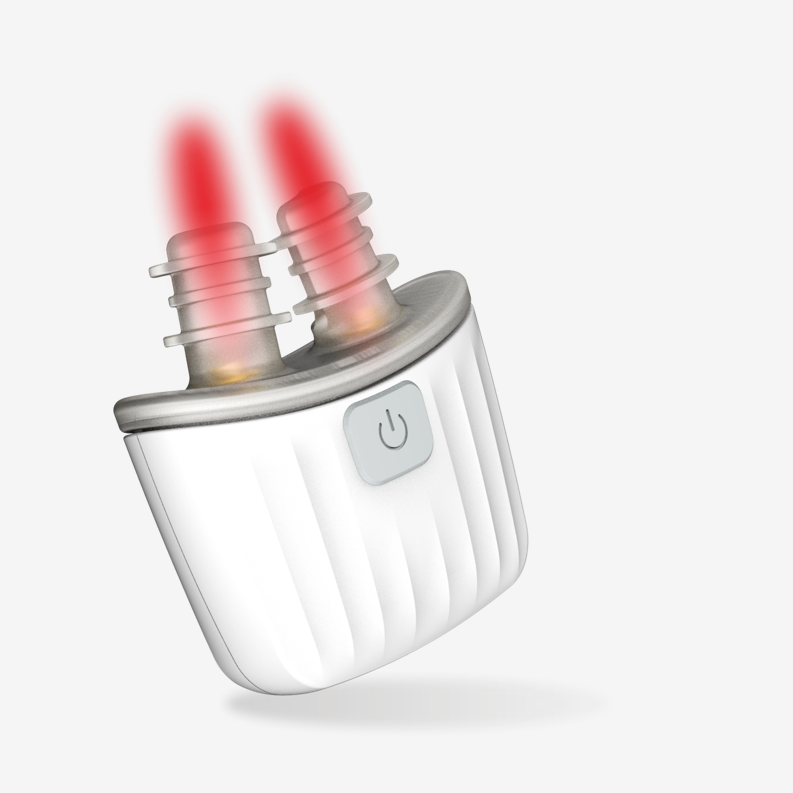
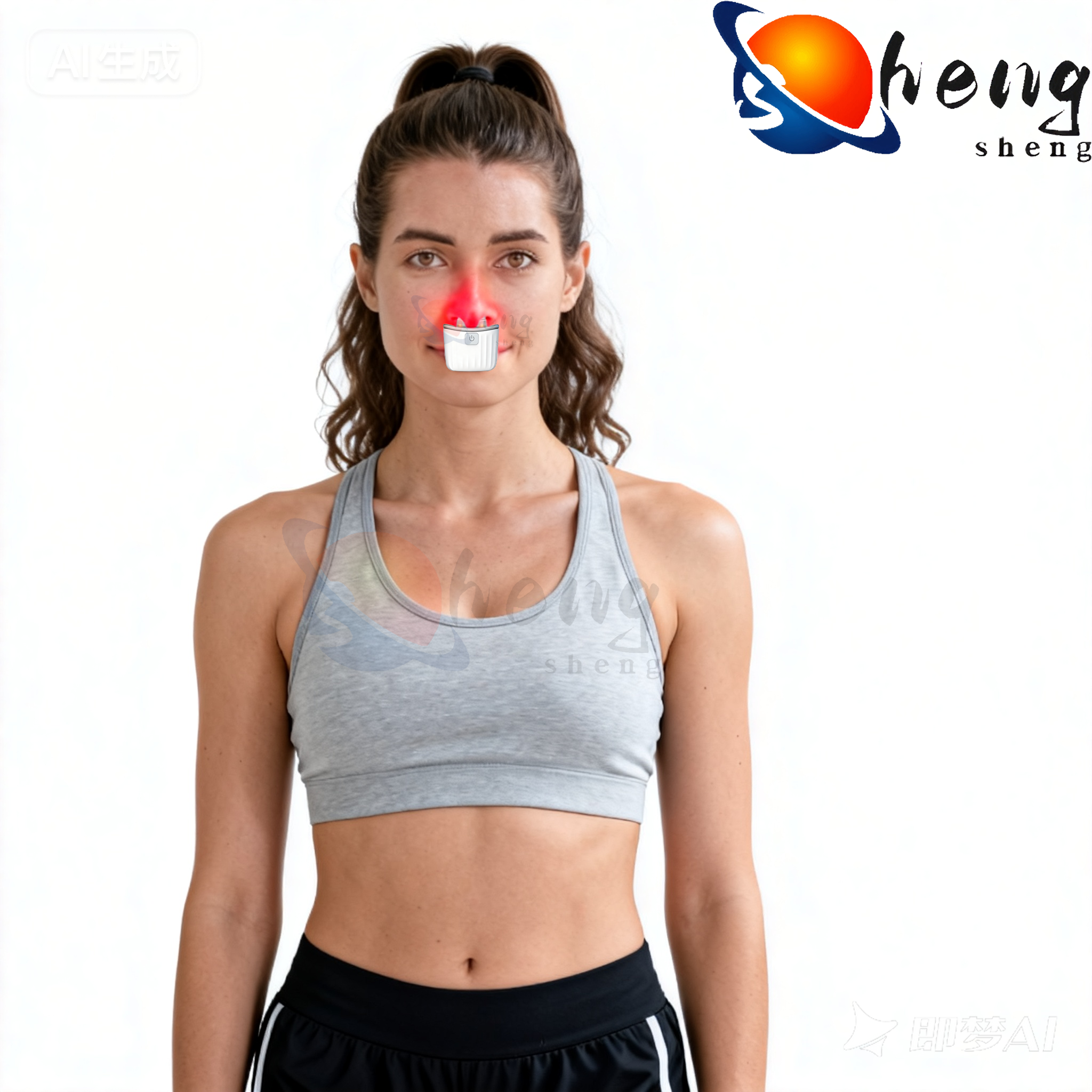
Professional Laser Therapy Device: Advanced Photobiomodulation Technology for Multi-Condition Treatment

Get a Free Quote

Our representative will contact you soon.
Email
Name
Company Name
Message
0/1000

laser therapy device

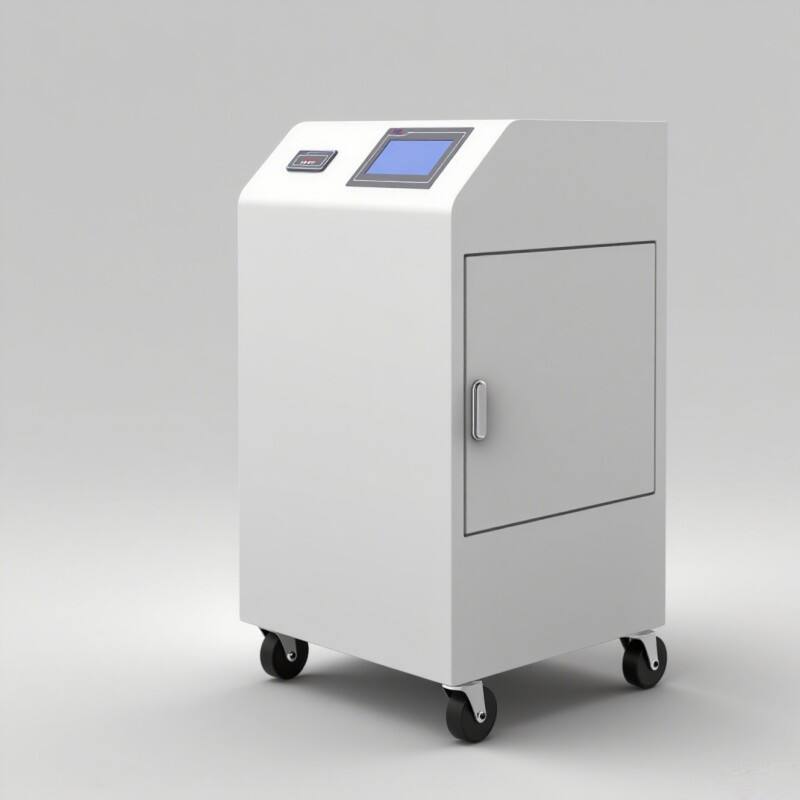
A laser therapy device represents a cutting-edge medical technology that harnesses the power of concentrated light energy to promote healing and provide therapeutic benefits across various medical conditions. This sophisticated equipment operates by emitting specific wavelengths of light that penetrate tissues at controlled depths, stimulating cellular processes that accelerate recovery and reduce inflammation. The laser therapy device functions through photobiomodulation, a process where light energy interacts with cellular components to enhance mitochondrial function and increase ATP production. Modern laser therapy devices incorporate advanced semiconductor technology and precise wavelength control systems, typically operating within the red and near-infrared spectrum ranging from 630 to 904 nanometers. These devices feature adjustable power output settings, allowing healthcare professionals to customize treatment protocols based on patient needs and condition severity. The technological framework includes sophisticated cooling systems that prevent overheating during extended treatment sessions, ensuring both patient comfort and device longevity. Contemporary laser therapy devices often integrate digital interfaces with pre-programmed treatment protocols, making them user-friendly for medical practitioners while maintaining consistent therapeutic outcomes. The applications of laser therapy devices span numerous medical disciplines, including physical therapy, sports medicine, dermatology, wound care, and pain management. In orthopedic settings, these devices effectively treat musculoskeletal injuries, arthritis, and chronic pain conditions by reducing inflammation and promoting tissue repair. Dermatological applications include treatment of acne, psoriasis, and wound healing acceleration. The versatility of laser therapy devices makes them valuable assets in both clinical environments and home healthcare settings, with portable models available for personal use under proper guidance. Safety features embedded in modern laser therapy devices include automatic shut-off mechanisms, treatment timers, and protective eyewear requirements to ensure optimal patient and operator safety during therapeutic sessions.

New Product Recommendations

Laser therapy devices offer remarkable advantages that position them as superior therapeutic solutions in modern healthcare settings. The primary benefit lies in their non-invasive nature, eliminating the need for surgical procedures or pharmaceutical interventions while delivering effective treatment outcomes. Patients experience significant pain reduction without the side effects commonly associated with medication-based treatments, making laser therapy devices ideal for individuals seeking drug-free alternatives. The precision targeting capability of laser therapy devices allows healthcare providers to focus treatment on specific areas, minimizing impact on surrounding healthy tissues while maximizing therapeutic benefits in affected regions. Treatment sessions are notably shorter compared to traditional therapy methods, typically lasting 5 to 20 minutes per session, which enhances patient convenience and improves clinic efficiency. The cumulative effect of laser therapy treatments provides long-lasting results, with many patients experiencing sustained improvement after completing their treatment protocols. Cost-effectiveness represents another significant advantage, as laser therapy devices reduce the need for expensive medications, repeated medical visits, and invasive procedures that often require extensive recovery periods. The versatility of these devices enables treatment of multiple conditions using a single piece of equipment, providing excellent return on investment for healthcare facilities. Laser therapy devices demonstrate exceptional safety profiles when operated according to manufacturer guidelines, with minimal contraindications and virtually no reported adverse effects in properly screened patients. The accelerated healing process facilitated by laser therapy devices reduces overall treatment duration, allowing patients to return to their normal activities more quickly than with conventional treatment methods. Professional-grade laser therapy devices maintain consistent power output and wavelength accuracy, ensuring reproducible treatment results across different patient populations. The portability of modern laser therapy devices enables treatment flexibility, allowing healthcare providers to offer services in various settings including clinics, hospitals, sports facilities, and even patient homes. Patient satisfaction rates remain exceptionally high due to the comfortable, painless treatment experience and visible improvement in symptoms. The evidence-based effectiveness of laser therapy devices is supported by extensive clinical research, providing healthcare professionals with confidence in recommending these treatments to their patients.

Tips And Tricks

Why Is Cold Laser Therapy Popular for Pain Relief Today?

31

Oct

Why Is Cold Laser Therapy Popular for Pain Relief Today?

The Rise of Non-Invasive Pain Management Solutions In recent years, cold laser therapy has emerged as a groundbreaking approach to pain management, offering hope to millions seeking relief without medication or surgery. This innovative treatment moda...
View More
Can Cold Laser Therapy Support Faster Muscle Recovery?

31

Oct

Can Cold Laser Therapy Support Faster Muscle Recovery?

Understanding the Science Behind Cold Laser Treatment for Muscles Athletes, fitness enthusiasts, and individuals recovering from injuries are constantly seeking innovative methods to accelerate muscle recovery. Cold laser therapy has emerged as a gro...
View More
Why Is Laser Therapy Effective for Modern Medical Care?

31

Oct

Why Is Laser Therapy Effective for Modern Medical Care?

The Evolution of Medical Treatment Through Advanced Light Technology Modern medicine continues to embrace innovative solutions that enhance patient care and treatment outcomes. Among these groundbreaking developments, laser therapy has emerged as a r...
View More
Can Laser Therapy Improve Joint Mobility and Comfort?

27

Nov

Can Laser Therapy Improve Joint Mobility and Comfort?

Modern healthcare continues to evolve with innovative treatment approaches that offer non-invasive solutions for various health conditions. Among these emerging therapies, laser therapy has gained significant attention from both medical professionals...
View More

Get a Free Quote

Our representative will contact you soon.
Email
Name
Company Name
Message
0/1000

laser therapy device

Advanced Photobiomodulation Technology

Advanced Photobiomodulation Technology

The cornerstone of every effective laser therapy device lies in its sophisticated photobiomodulation technology, which represents the scientific foundation for achieving superior therapeutic outcomes. This revolutionary approach utilizes specific wavelengths of coherent light to interact directly with cellular components, particularly targeting mitochondria to enhance ATP synthesis and cellular energy production. The photobiomodulation process triggers a cascade of beneficial biological responses, including increased collagen synthesis, enhanced lymphatic drainage, and improved microcirculation in treated tissues. Modern laser therapy devices incorporate multiple wavelength options, typically combining red light at 660 nanometers with near-infrared light at 830 or 904 nanometers, allowing practitioners to customize treatment depth and therapeutic effects based on specific patient conditions. The coherent nature of laser light ensures consistent penetration characteristics and uniform energy distribution across the treatment area, distinguishing laser therapy devices from conventional LED-based alternatives. Advanced laser therapy devices feature pulse modulation capabilities that optimize cellular response while preventing thermal damage to tissues, maintaining therapeutic effectiveness throughout extended treatment sessions. The precision wavelength control in professional laser therapy devices ensures consistent therapeutic outcomes by maintaining tight spectral bandwidth specifications that maximize photobiomodulation efficiency. This technology enables healthcare providers to treat conditions ranging from superficial skin disorders to deep musculoskeletal injuries using the same versatile platform. The scientific validation of photobiomodulation technology through numerous peer-reviewed studies provides strong evidence for the mechanism of action underlying laser therapy device effectiveness. Quality laser therapy devices incorporate real-time monitoring systems that verify wavelength accuracy and power output consistency, ensuring optimal therapeutic parameters throughout the device lifespan. The non-thermal nature of photobiomodulation distinguishes therapeutic laser therapy devices from surgical lasers, eliminating risks associated with tissue heating while maintaining potent biological effects. This advanced technology platform positions laser therapy devices as essential tools in evidence-based medicine, offering practitioners reliable, reproducible treatment modalities supported by robust scientific foundations.
Multi-Condition Treatment Versatility

Multi-Condition Treatment Versatility

The exceptional versatility of laser therapy devices establishes them as comprehensive therapeutic solutions capable of addressing diverse medical conditions across multiple healthcare specialties. This multi-condition treatment capability stems from the fundamental biological mechanisms activated by therapeutic laser energy, which promote healing and reduce inflammation regardless of the specific pathological process involved. Orthopedic applications represent a primary strength of laser therapy devices, effectively treating conditions such as osteoarthritis, tendinitis, bursitis, and acute sports injuries through enhanced tissue repair mechanisms and pain reduction pathways. The ability of laser therapy devices to penetrate varying tissue depths makes them equally effective for superficial conditions like wound healing and deeper issues such as muscle strain recovery. Neurological applications demonstrate the broad therapeutic scope of laser therapy devices, with documented effectiveness in treating neuropathic pain, peripheral nerve injuries, and certain aspects of stroke rehabilitation through improved neural function and reduced inflammation. Dermatological conditions respond exceptionally well to laser therapy device treatments, including chronic wounds, diabetic ulcers, pressure sores, and various inflammatory skin conditions that benefit from enhanced cellular regeneration and improved local circulation. The anti-inflammatory properties inherent in laser therapy device treatments make them valuable tools for managing autoimmune conditions and chronic inflammatory disorders where traditional treatments may have limited effectiveness or significant side effects. Cardiovascular applications of laser therapy devices include treatment of peripheral vascular disease and enhancement of circulation in compromised tissues, demonstrating the systemic benefits achievable through localized treatment protocols. The adaptability of laser therapy devices enables treatment protocol customization based on patient age, condition severity, and individual response patterns, ensuring optimal outcomes across diverse patient populations. Pediatric applications showcase the safety profile of laser therapy devices, with documented effectiveness in treating childhood conditions such as growing pains, sports injuries, and certain developmental disorders. The evidence base supporting multi-condition effectiveness continues expanding as researchers investigate new applications for laser therapy devices in emerging medical fields. This versatility translates into significant economic advantages for healthcare facilities, as a single laser therapy device can replace multiple specialized treatment modalities while providing superior patient outcomes across numerous conditions.
Professional-Grade Safety and Compliance Standards

Professional-Grade Safety and Compliance Standards

Professional-grade laser therapy devices adhere to stringent safety and compliance standards that ensure optimal patient protection while maintaining therapeutic effectiveness throughout extended clinical use. These comprehensive safety systems begin with classified laser categorization, with therapeutic laser therapy devices typically classified as Class 3B or Class 4 systems that require specific safety protocols and operator training for safe clinical implementation. Advanced safety features integrated into modern laser therapy devices include automatic beam termination systems that immediately cease laser emission if safety parameters are exceeded, protecting both patients and operators from potential overexposure incidents. Eye safety represents a critical consideration in laser therapy device design, with mandatory protective eyewear specifications and beam containment systems that prevent accidental ocular exposure during treatment sessions. The FDA clearance process for laser therapy devices involves rigorous testing and documentation requirements that validate both safety and efficacy claims, providing healthcare providers with confidence in device reliability and therapeutic outcomes. Quality assurance protocols embedded in professional laser therapy devices include regular calibration verification systems that monitor wavelength accuracy, power output consistency, and beam divergence parameters to maintain optimal therapeutic specifications. Electrical safety standards governing laser therapy devices encompass comprehensive insulation testing, ground fault protection, and electromagnetic compatibility requirements that ensure safe operation in diverse clinical environments. Treatment parameter monitoring systems in advanced laser therapy devices provide real-time feedback on energy delivery, ensuring consistent therapeutic doses while preventing overtreatment that could potentially cause adverse effects. Operator training requirements for laser therapy devices include comprehensive education on laser safety principles, proper device operation procedures, and patient selection criteria that maximize treatment success while minimizing risk factors. Documentation and record-keeping capabilities built into modern laser therapy devices support compliance with medical device regulations and facilitate treatment outcome tracking for quality improvement initiatives. International safety standards such as IEC 60825 laser safety requirements and ISO 13485 medical device quality management systems provide frameworks for laser therapy device manufacturing and clinical implementation. The robust construction and reliability testing of professional laser therapy devices ensure consistent performance under demanding clinical conditions while maintaining safety system integrity throughout the device operational lifespan.

Get a Free Quote

Our representative will contact you soon.
Email
Name
Company Name
Message
0/1000