Clinical-Grade Validation and Professional Reliability
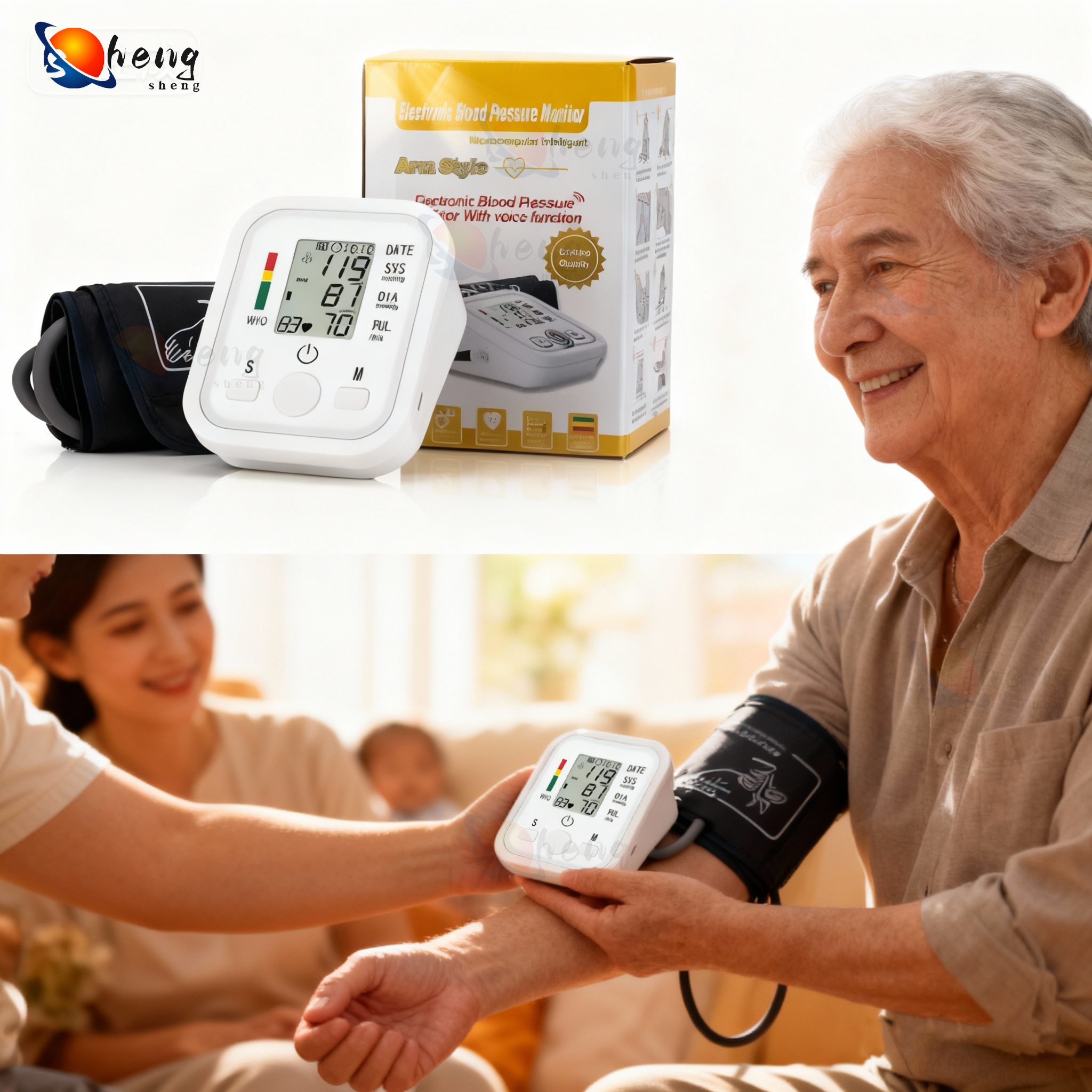
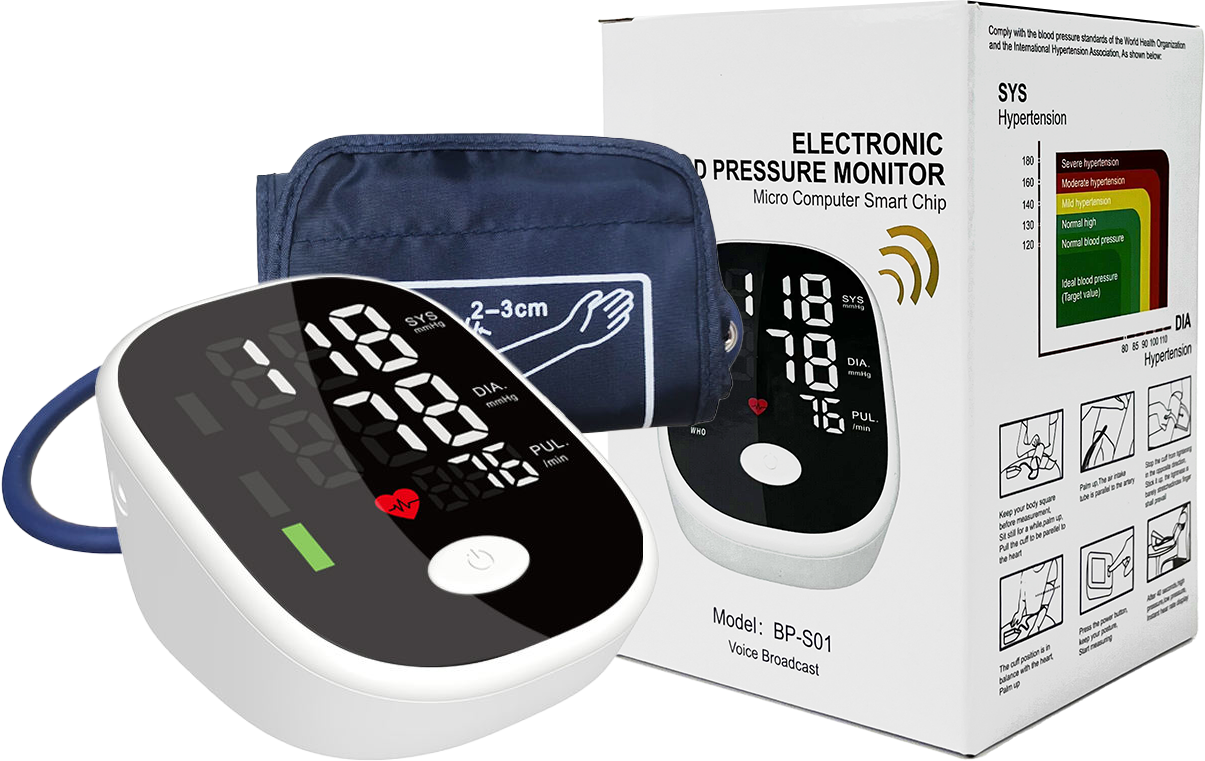
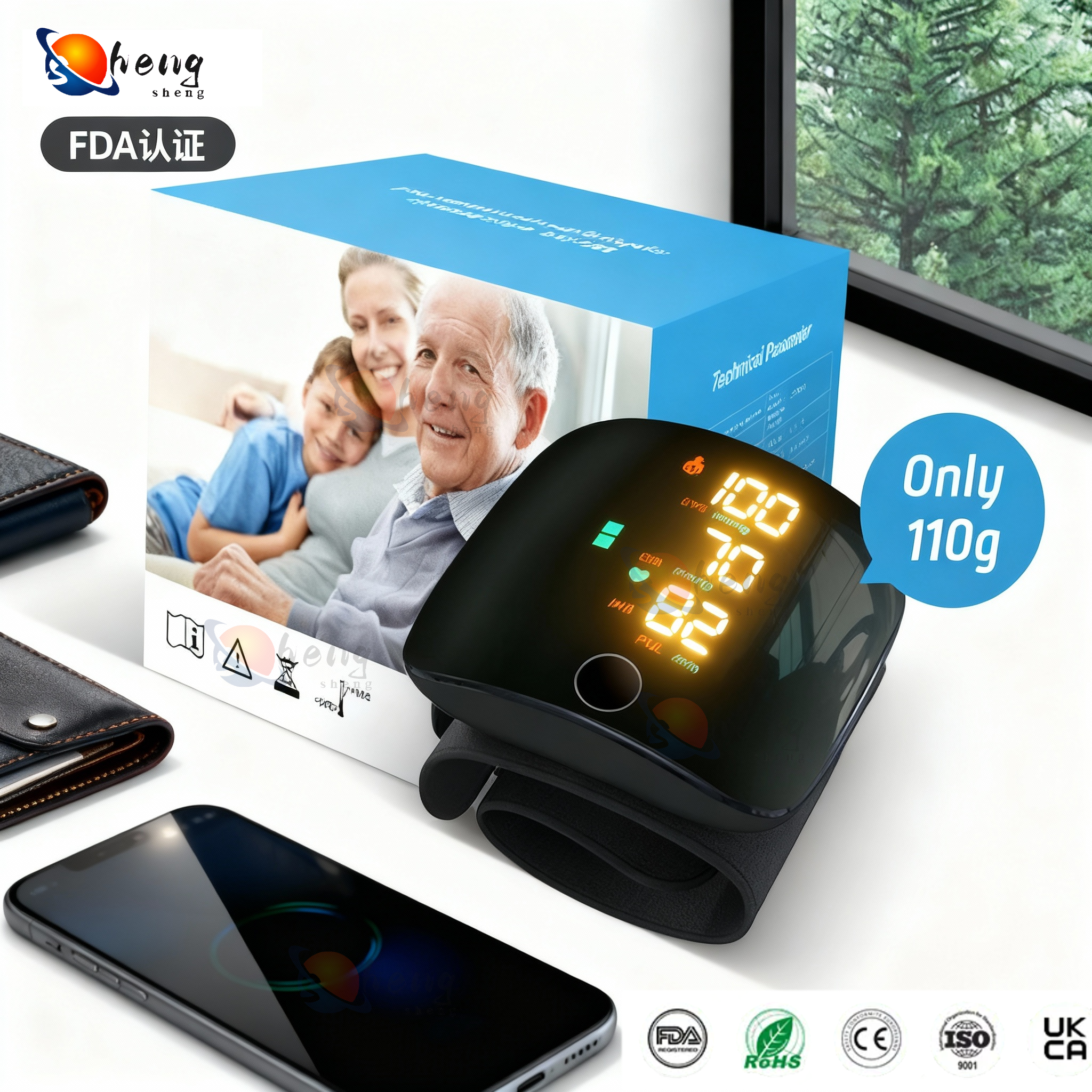
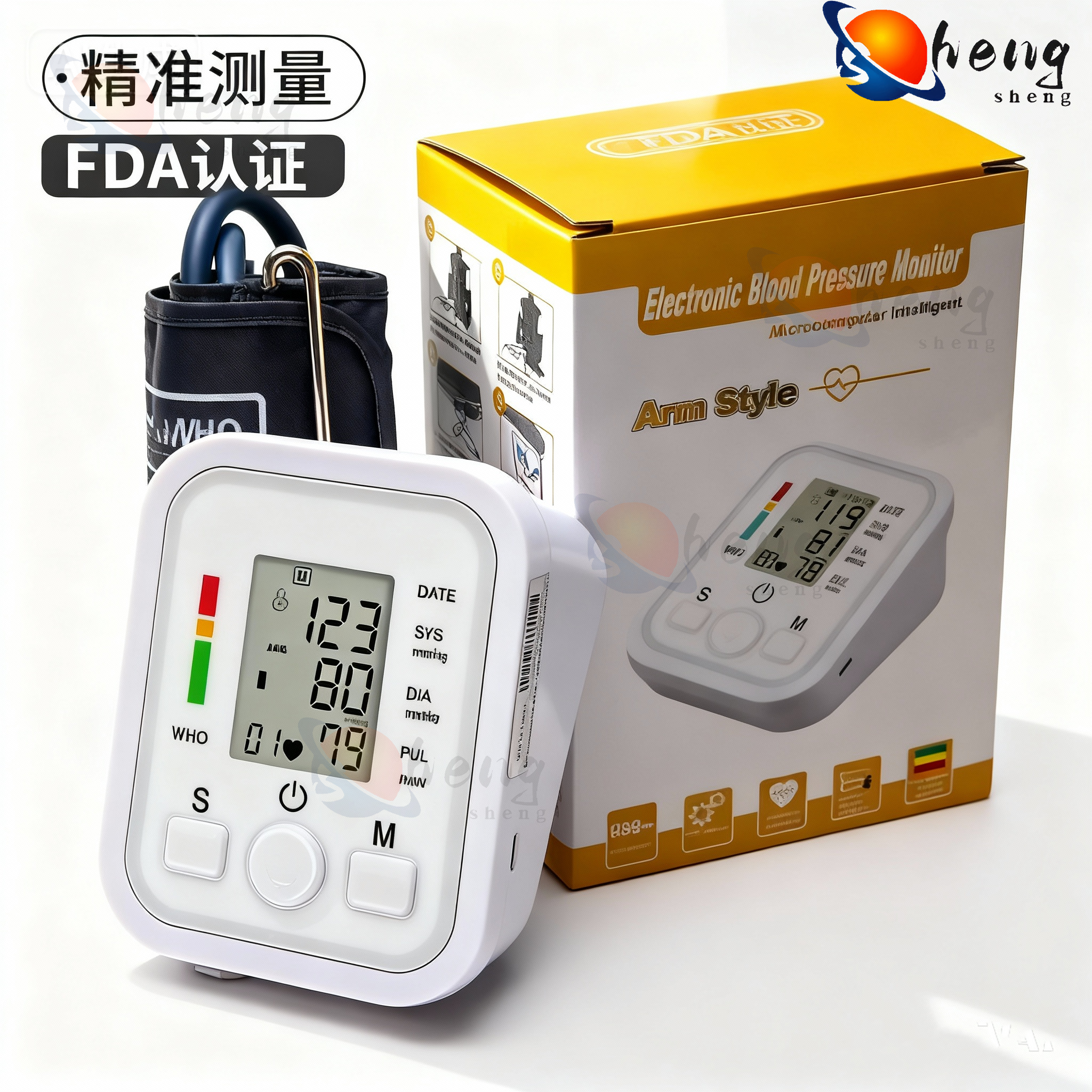
The clinical-grade validation and professional reliability of high quality blood pressure monitors represent fundamental differentiators that set these devices apart from consumer-grade alternatives, ensuring that home monitoring delivers results that healthcare professionals can trust and act upon with confidence. These monitors undergo extensive validation protocols established by international medical organizations, including the British Hypertension Society, the European Society of Hypertension, and the Association for the Advancement of Medical Instrumentation, which establish rigorous testing standards that evaluate accuracy across diverse patient populations and clinical conditions. The validation process involves testing devices against mercury sphygmomanometers, considered the gold standard for blood pressure measurement, using trained medical professionals and standardized protocols that simulate real-world clinical environments. This comprehensive testing ensures that high quality blood pressure monitors maintain accuracy across the full range of blood pressure values, from hypotensive to severely hypertensive readings, providing reliable results regardless of the user's cardiovascular condition. Professional-grade components include precision-engineered pressure sensors, high-quality pumps, and durable valve systems that maintain consistent performance over thousands of measurement cycles, ensuring long-term reliability that justifies the initial investment. Many high quality blood pressure monitors receive certification from medical device regulatory agencies such as the FDA, CE marking, or other national health authorities, demonstrating compliance with strict safety and performance standards required for medical devices. The manufacturing quality control processes employed by reputable manufacturers include batch testing, individual device calibration, and comprehensive quality assurance protocols that ensure each unit meets specified performance criteria before reaching consumers. Clinical studies and peer-reviewed research often validate the performance of high quality blood pressure monitors in real-world settings, comparing their accuracy against professional medical equipment in hospitals, clinics, and research facilities. These studies frequently demonstrate that properly validated home blood pressure monitors can provide more accurate assessments of cardiovascular health than occasional clinic measurements, as they eliminate white coat hypertension effects and provide multiple readings over extended periods. The professional reliability extends to customer support and service networks that provide calibration services, technical assistance, and replacement parts, ensuring that these medical devices continue to perform accurately throughout their operational lifespan while maintaining their clinical-grade validation status.

 EN
EN