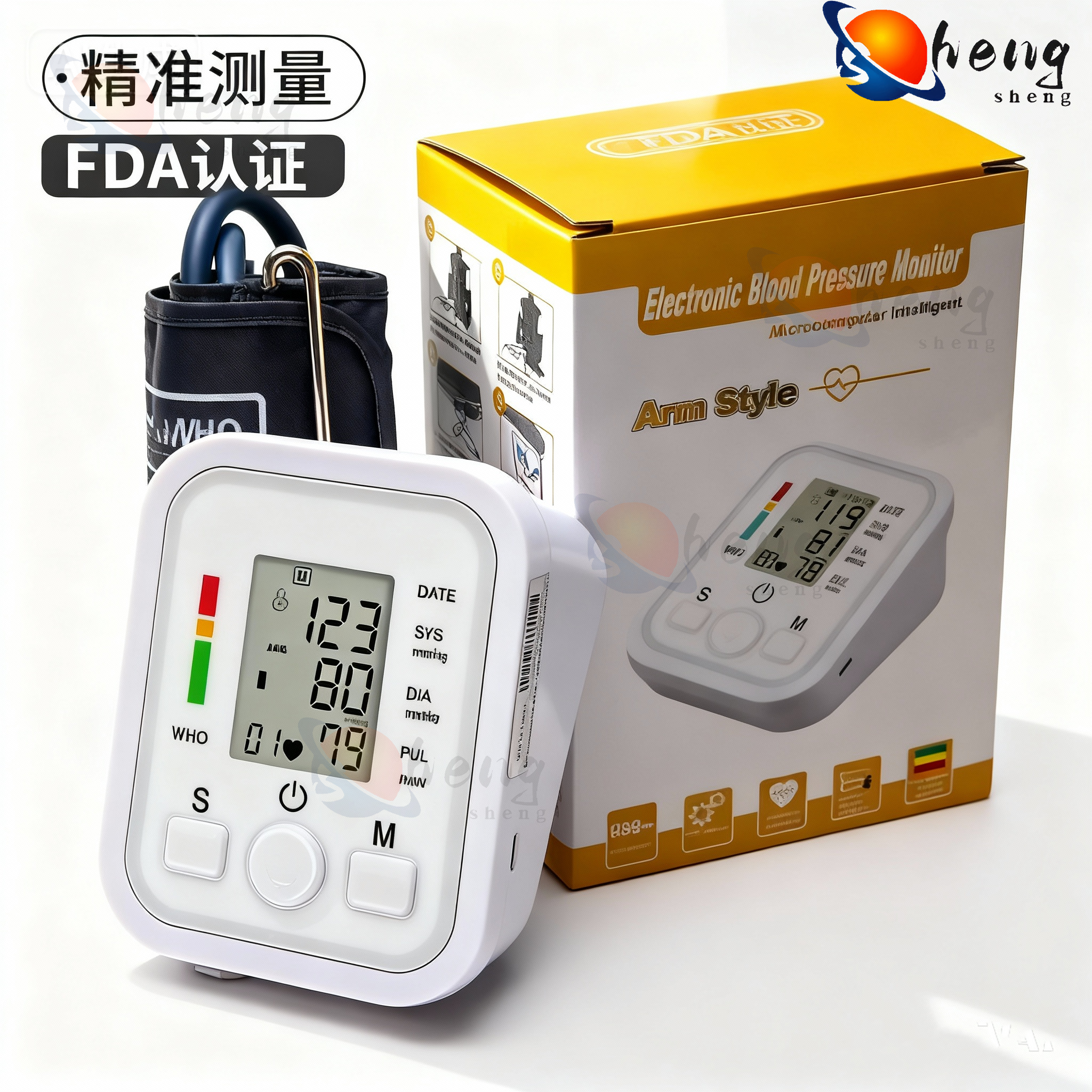
Professional Home Blood Pressure Monitoring Devices - Accurate Health Management Solutions

Get a Free Quote

Our representative will contact you soon.
Email
Name
Company Name
Message
0/1000

blood pressure monitoring at home

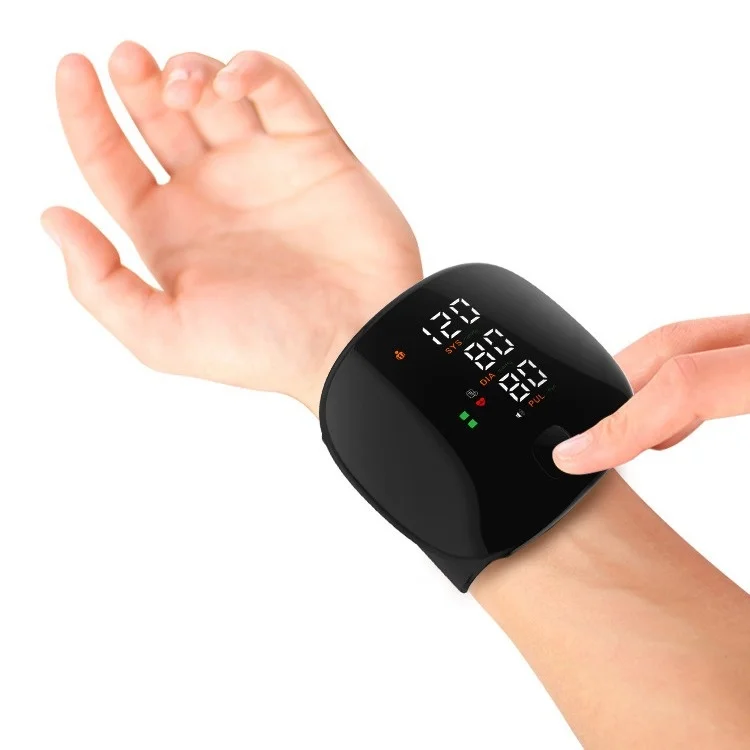
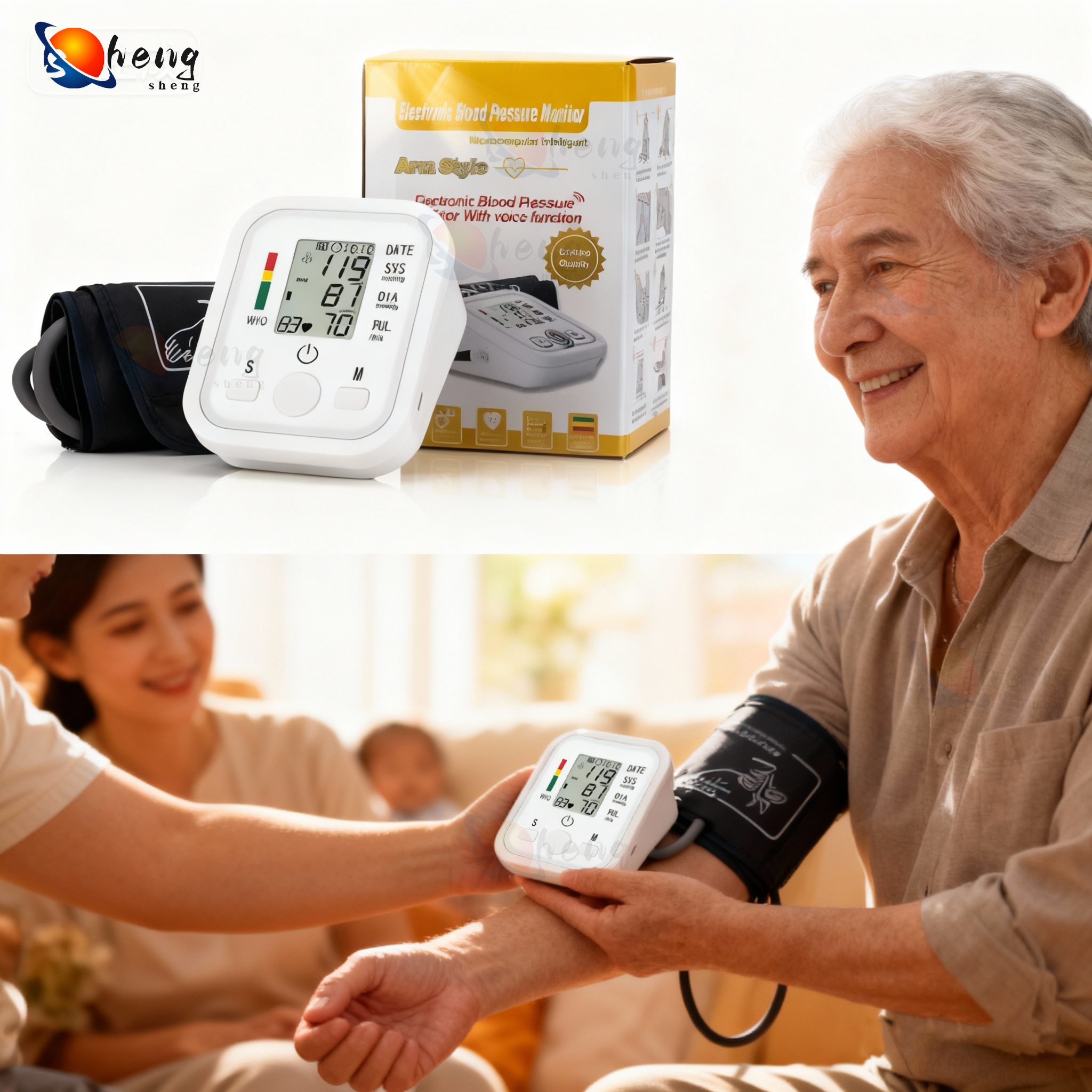
Blood pressure monitoring at home represents a revolutionary advancement in personal healthcare management, empowering individuals to take control of their cardiovascular health from the comfort of their own residences. This innovative approach to healthcare combines cutting-edge technology with user-friendly design to deliver accurate, reliable measurements that rival those obtained in clinical settings. Home blood pressure monitoring devices utilize sophisticated oscillometric technology, which detects arterial wall vibrations caused by blood flow to provide precise systolic and diastolic readings. These devices feature advanced digital sensors and microprocessors that automatically inflate the cuff to optimal pressure levels, ensuring consistent and accurate measurements every time. The technological foundation of blood pressure monitoring at home includes automatic pressure detection, irregular heartbeat detection, and memory storage capabilities that can track hundreds of previous readings. Many modern devices incorporate Bluetooth connectivity and smartphone applications, allowing users to seamlessly transfer data to their healthcare providers and track long-term trends through intuitive digital platforms. The applications of blood pressure monitoring at home extend far beyond basic measurement, encompassing comprehensive health management for individuals with hypertension, those at risk for cardiovascular disease, pregnant women monitoring for preeclampsia, and elderly patients requiring regular cardiovascular surveillance. Healthcare professionals increasingly recommend blood pressure monitoring at home as an essential component of preventive care, enabling early detection of potential issues and more effective medication management. The convenience factor cannot be overstated, as users can measure their blood pressure multiple times daily without scheduling appointments or traveling to medical facilities. This accessibility promotes better compliance with monitoring schedules and provides healthcare providers with more comprehensive data sets for making informed treatment decisions. The integration of smart technology in blood pressure monitoring at home has transformed traditional healthcare delivery models, creating opportunities for telemedicine consultations and remote patient monitoring programs that improve outcomes while reducing healthcare costs.

New Product Recommendations

The advantages of blood pressure monitoring at home extend far beyond simple convenience, offering transformative benefits that enhance both health outcomes and quality of life for users across all demographics. Primary among these benefits is the elimination of white coat syndrome, a phenomenon where patients experience elevated blood pressure readings in clinical settings due to anxiety or stress. Blood pressure monitoring at home provides readings in familiar, comfortable environments, resulting in more accurate baseline measurements that better reflect true cardiovascular status. This accuracy improvement leads to more appropriate medication dosing and treatment plans, ultimately reducing the risk of both under-treatment and over-treatment of hypertension. Cost effectiveness represents another significant advantage of blood pressure monitoring at home, as users save substantial amounts on repeated medical visits while gaining access to unlimited measurements throughout their monitoring period. The financial savings accumulate over time, making home monitoring devices highly cost-effective investments that pay for themselves within months of regular use. Convenience factors multiply these savings by eliminating travel time, parking fees, and lost work hours associated with traditional medical appointments. Users can monitor their blood pressure at optimal times throughout the day, capturing readings during different activities and stress levels to provide healthcare providers with comprehensive cardiovascular profiles. The immediate feedback provided by blood pressure monitoring at home empowers users to make real-time lifestyle adjustments, such as recognizing the impact of specific foods, activities, or stressors on their cardiovascular system. This immediate awareness promotes better self-management and encourages positive behavior modifications that support long-term cardiovascular health. Privacy benefits cannot be overlooked, as some individuals feel more comfortable monitoring their health conditions in private settings rather than in clinical environments. The ability to share data electronically with healthcare providers maintains professional oversight while preserving personal comfort and dignity. Emergency preparedness represents another crucial advantage, as blood pressure monitoring at home enables immediate assessment during concerning symptoms, allowing users to make informed decisions about seeking emergency medical care. The comprehensive data collection possible through home monitoring provides healthcare providers with detailed insights into blood pressure patterns, medication effectiveness, and lifestyle impacts that would be impossible to gather through periodic office visits alone.

Latest News

How to Benefit from Cold Laser Therapy in Clinical Use?

31

Oct

How to Benefit from Cold Laser Therapy in Clinical Use?

Understanding the Revolutionary Impact of Cold Laser Treatment in Modern Medicine Cold laser therapy represents a groundbreaking advancement in medical treatment, offering patients a non-invasive solution for various conditions. This innovative thera...
View More
Why Is Laser Therapy Effective for Modern Medical Care?

31

Oct

Why Is Laser Therapy Effective for Modern Medical Care?

The Evolution of Medical Treatment Through Advanced Light Technology Modern medicine continues to embrace innovative solutions that enhance patient care and treatment outcomes. Among these groundbreaking developments, laser therapy has emerged as a r...
View More
How Does Laser Therapy Accelerate Wound Healing?

27

Nov

How Does Laser Therapy Accelerate Wound Healing?

Laser therapy has emerged as a revolutionary approach in modern medicine, offering precise and effective treatment for various medical conditions including wound healing acceleration. This advanced therapeutic technique utilizes focused light energy ...
View More
Why Is Laser Light Important in Modern Technologies?

27

Nov

Why Is Laser Light Important in Modern Technologies?

The revolutionary impact of laser light on modern technology cannot be overstated. From precision manufacturing to advanced medical treatments, laser light has transformed countless industries and continues to drive innovation across multiple sectors...
View More

Get a Free Quote

Our representative will contact you soon.
Email
Name
Company Name
Message
0/1000

blood pressure monitoring at home

Advanced Digital Precision Technology

Advanced Digital Precision Technology

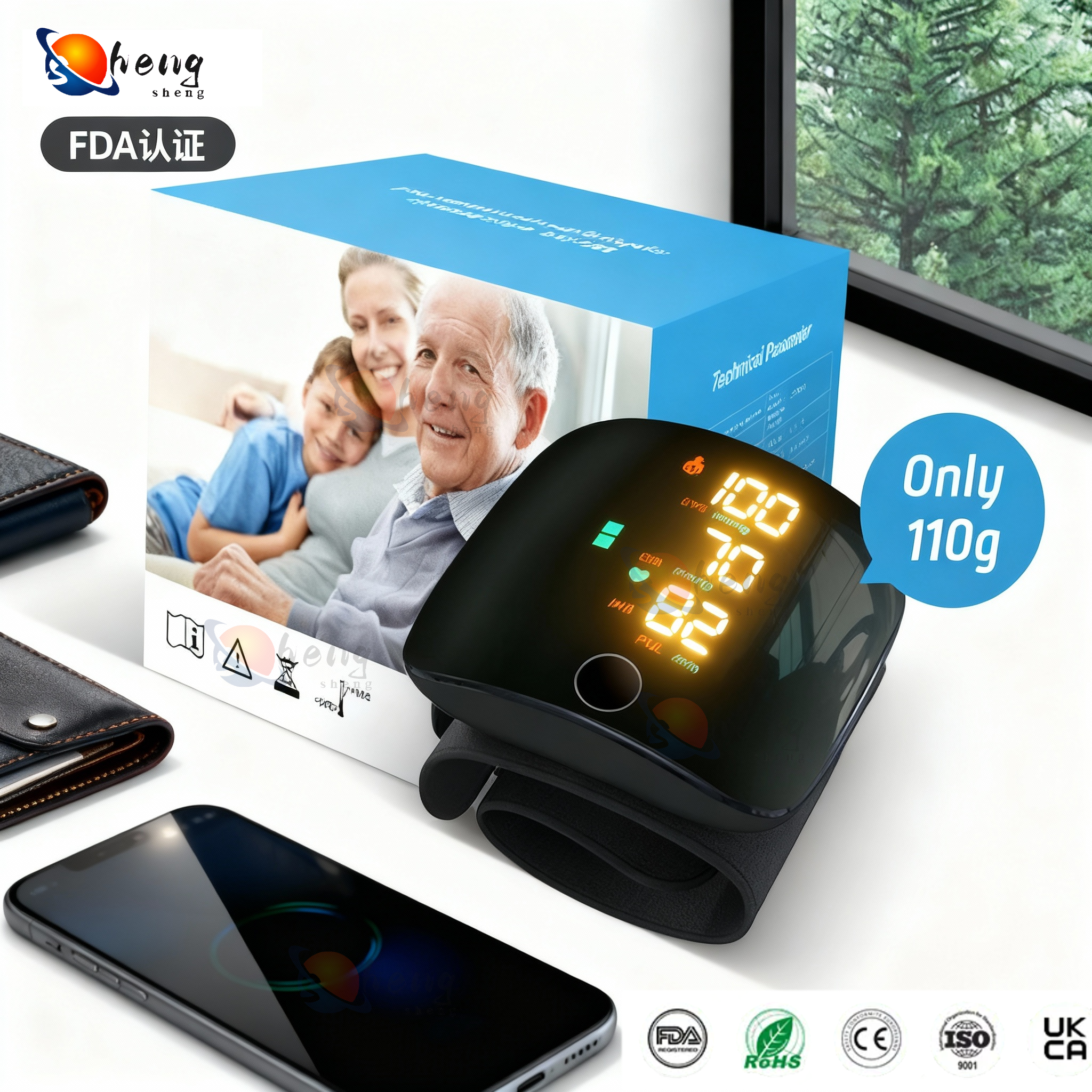
The technological sophistication of modern blood pressure monitoring at home devices represents a quantum leap forward in personal healthcare equipment, incorporating hospital-grade measurement accuracy into compact, user-friendly designs that deliver professional-quality results consistently. These devices utilize advanced oscillometric measurement technology, which employs highly sensitive digital sensors to detect the subtle vibrations in arterial walls as blood flows through compressed vessels during cuff deflation. This method provides superior accuracy compared to traditional manual measurement techniques, eliminating human error factors such as hearing difficulties, visual misreading of analog gauges, or inconsistent inflation pressures. The digital precision extends to automatic pressure optimization, where sophisticated algorithms analyze individual physiological characteristics to determine optimal cuff inflation levels, ensuring consistent measurement conditions across all readings. Many premium blood pressure monitoring at home devices incorporate dual-sensor technology, which cross-validates measurements through multiple detection methods to enhance reliability and identify potential measurement anomalies. The integration of irregular heartbeat detection represents another technological advancement, as these devices can identify cardiac arrhythmias during measurement cycles and alert users to potential cardiovascular concerns that warrant professional medical evaluation. Memory storage capabilities in these devices typically accommodate 100-300 previous readings per user, with timestamp documentation that enables comprehensive trend analysis over extended periods. Advanced models feature multi-user memory banks, allowing entire families to utilize a single device while maintaining separate, secure health records for each individual. The technological precision extends to cuff sizing algorithms that automatically detect improper cuff placement or sizing issues, providing user guidance to ensure measurement accuracy. Bluetooth connectivity and smartphone integration represent the pinnacle of technological advancement in blood pressure monitoring at home, enabling seamless data transfer to mobile applications that provide detailed analytics, trend visualization, and direct sharing capabilities with healthcare providers. These smart features transform raw measurement data into actionable health insights, empowering users to make informed decisions about their cardiovascular health management strategies.
Comprehensive Health Data Management

Comprehensive Health Data Management

The comprehensive health data management capabilities of blood pressure monitoring at home systems revolutionize how individuals and healthcare providers approach cardiovascular health tracking, creating detailed digital health profiles that provide unprecedented insights into personal health patterns and treatment effectiveness. Modern devices capture far more than simple systolic and diastolic readings, recording comprehensive measurement contexts including date, time, pulse rate, and environmental factors that influence cardiovascular function. This holistic data collection approach enables users to identify specific triggers, patterns, and correlations that impact their blood pressure readings throughout different periods and circumstances. The data management systems integrated into blood pressure monitoring at home devices typically include sophisticated averaging algorithms that calculate mean arterial pressure, pulse pressure, and other derived metrics that provide deeper insights into cardiovascular health status. These calculations help healthcare providers assess arterial stiffness, cardiac output efficiency, and overall circulatory system performance based on home-collected data rather than limited clinical snapshots. Advanced data visualization features present this information through intuitive graphs, charts, and trend lines that make complex cardiovascular data accessible and understandable to users without medical training. The ability to export data in multiple formats ensures compatibility with various electronic health record systems, enabling seamless integration with existing medical documentation and facilitating more informed clinical decision-making processes. Cloud-based storage solutions protect valuable health data while providing universal access across multiple devices and platforms, ensuring that critical health information remains available regardless of device changes or technical issues. Family sharing capabilities within these data management systems allow healthcare providers to monitor multiple patients efficiently while maintaining strict privacy controls and access permissions. The integration of medication tracking features enables users to correlate blood pressure readings with medication timing, dosage changes, and treatment adjustments, providing valuable feedback on therapeutic effectiveness. Goal-setting and progress tracking functionalities motivate users to maintain consistent monitoring schedules while working toward specific health targets established in consultation with their healthcare providers. These comprehensive data management capabilities transform blood pressure monitoring at home from simple measurement devices into powerful health management tools that support proactive, informed healthcare decisions.
Professional Healthcare Integration

Professional Healthcare Integration

The seamless integration of blood pressure monitoring at home with professional healthcare systems represents a paradigm shift toward collaborative, technology-enhanced patient care that bridges the gap between clinical environments and daily health management routines. This integration enables healthcare providers to access real-time patient data remotely, facilitating more frequent monitoring and timely intervention without requiring additional office visits or clinical resources. Telemedicine compatibility built into modern blood pressure monitoring at home devices allows for virtual consultations where healthcare providers can review current readings, analyze trends, and adjust treatment plans based on comprehensive home-collected data rather than single-point clinical measurements. The professional integration extends to automated alert systems that notify healthcare providers when patient readings exceed predetermined threshold values, enabling immediate medical intervention during potential cardiovascular emergencies or concerning health episodes. Electronic health record synchronization ensures that home monitoring data becomes part of patients' permanent medical records, providing longitudinal health information that supports more accurate diagnoses and treatment planning over extended periods. Healthcare providers can establish customized monitoring protocols through these integrated systems, setting specific measurement schedules, target ranges, and alert parameters tailored to individual patient needs and risk factors. The bidirectional communication capabilities enable healthcare providers to send personalized guidance, medication reminders, and lifestyle recommendations directly to patients' monitoring devices, creating continuous care connections between scheduled appointments. Quality assurance features within these professional integration systems validate data accuracy and identify potential measurement errors or device malfunctions, ensuring that healthcare decisions are based on reliable, clinically-relevant information. Insurance integration capabilities in many blood pressure monitoring at home systems facilitate reimbursement processing and demonstrate medical necessity for extended monitoring periods, making professional-grade home monitoring more accessible to diverse patient populations. The integration supports collaborative care models where multiple healthcare providers, including primary care physicians, cardiologists, and nurses, can access shared patient data to coordinate comprehensive treatment approaches. Research participation opportunities through these integrated systems allow patients to contribute anonymized data to cardiovascular health studies while receiving enhanced monitoring services and access to cutting-edge treatment protocols. This professional healthcare integration transforms blood pressure monitoring at home from isolated measurement activities into coordinated, evidence-based healthcare delivery systems that improve patient outcomes while reducing healthcare costs and increasing access to specialized cardiovascular care services.


Get a Free Quote

Our representative will contact you soon.
Email
Name
Company Name
Message
0/1000