EN
EN



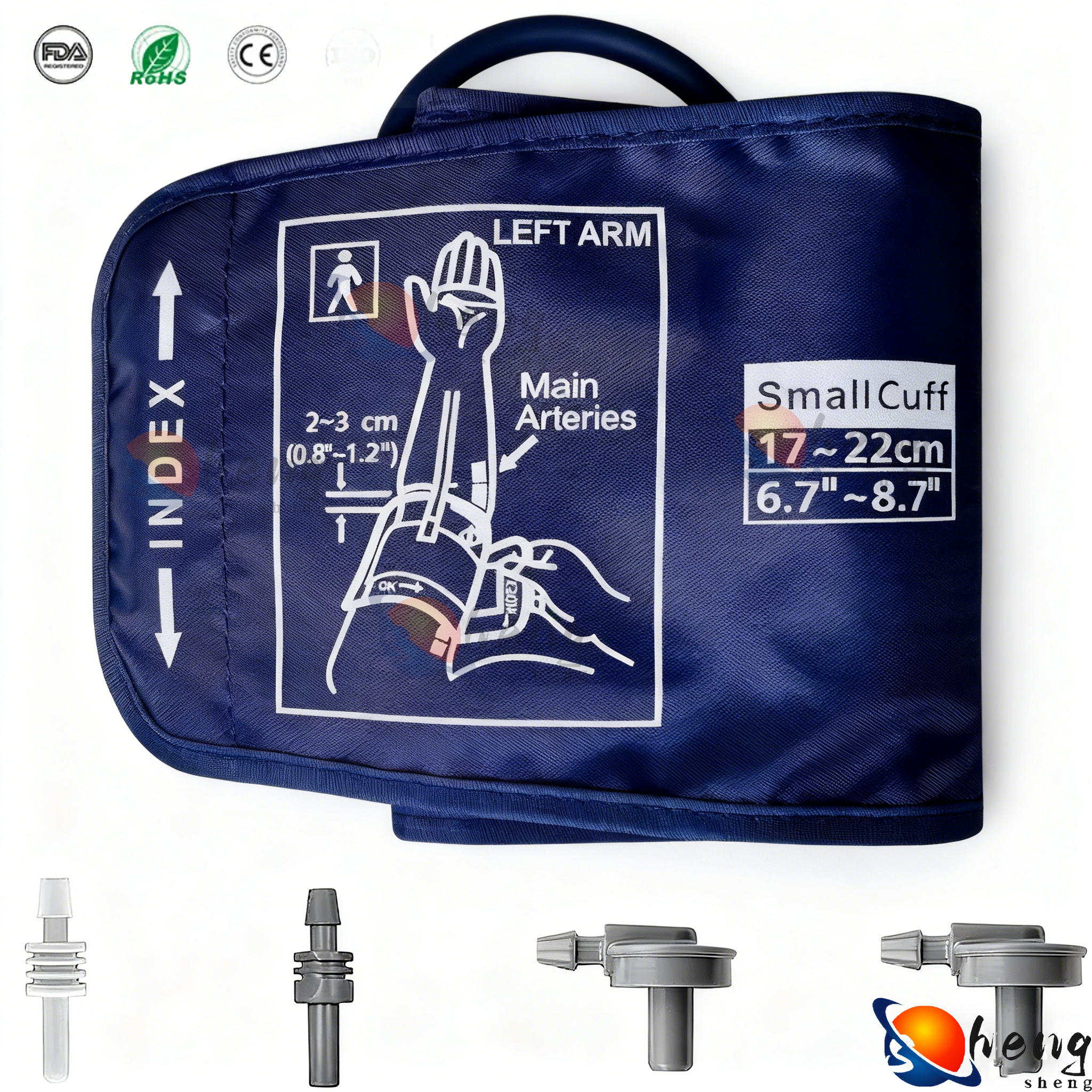
Home healthcare has evolved significantly in recent years, with medical devices becoming more accessible and user-friendly for everyday consumers. Among the essential tools that have gained prominence in household medical care, the blood pressure cuff stands out as a critical instrument for monitoring cardiovascular health. This medical device enables individuals to track their blood pressure readings from the comfort of their homes, providing valuable insights into their overall health status and helping detect potential issues before they become serious complications.
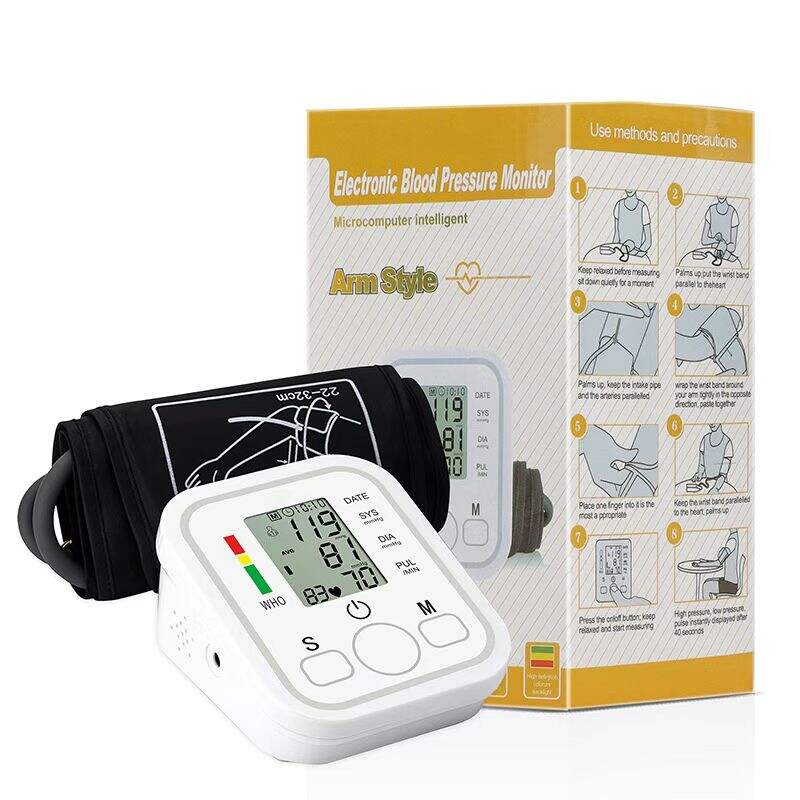
The Growing Importance of Home Blood Pressure Monitoring
Rising Cardiovascular Disease Prevalence
Cardiovascular diseases have become increasingly prevalent worldwide, affecting millions of individuals across all age groups. The World Health Organization reports that heart disease remains the leading cause of death globally, making regular monitoring of blood pressure levels more crucial than ever. A reliable blood pressure cuff allows individuals to take proactive steps in managing their cardiovascular health by providing consistent and accurate measurements that can be shared with healthcare providers during routine checkups.
Healthcare professionals strongly recommend home monitoring for patients with hypertension, pre-hypertension, or other cardiovascular risk factors. Regular use of a blood pressure cuff at home helps establish baseline measurements and identifies patterns that might not be apparent during occasional doctor visits. This continuous monitoring approach enables early detection of blood pressure fluctuations and helps prevent the development of more serious complications such as stroke, heart attack, or kidney damage.
Cost-Effective Healthcare Management
Investing in a quality blood pressure cuff represents a cost-effective approach to long-term healthcare management. Rather than relying solely on periodic medical appointments for blood pressure checks, individuals can monitor their readings regularly without incurring additional medical fees. This self-monitoring capability reduces the frequency of unnecessary doctor visits while ensuring that significant changes in blood pressure levels are detected promptly.
The economic benefits extend beyond individual savings to broader healthcare system efficiency. When patients use a blood pressure cuff consistently at home, healthcare providers can make more informed treatment decisions based on comprehensive data rather than isolated readings. This approach leads to better medication management, reduced emergency room visits, and improved overall patient outcomes while lowering healthcare costs for both individuals and insurance providers.
Key Features That Define Quality Blood Pressure Cuffs
Accuracy and Calibration Standards
The most critical aspect of any blood pressure cuff is its ability to provide accurate and consistent readings. High-quality devices undergo rigorous testing to meet international standards for blood pressure measurement accuracy. These standards ensure that the cuff delivers reliable results that healthcare professionals can trust when making treatment decisions. Advanced calibration systems in modern blood pressure cuffs automatically adjust for variations in environmental conditions and user factors that might affect measurement precision.
Professional-grade blood pressure cuffs incorporate sophisticated sensors and algorithms that compensate for common measurement errors such as irregular heartbeats, movement artifacts, and cuff positioning variations. These features ensure that users receive dependable readings even when operating conditions are not ideal. Regular calibration checks and validation against clinical-grade equipment help maintain the long-term accuracy of home blood pressure monitoring devices.
User-Friendly Design and Interface
Modern blood pressure cuffs prioritize ease of use without compromising measurement accuracy. Large, clear displays with backlit screens ensure that readings are easily visible in various lighting conditions. Intuitive button layouts and simplified operating procedures make these devices accessible to users of all ages and technical backgrounds. Many advanced models feature one-button operation that automatically initiates the measurement process and provides results within minutes.
Ergonomic cuff designs accommodate different arm sizes and shapes, ensuring comfortable and secure positioning during measurements. Adjustable cuff sizes and self-positioning indicators help users achieve proper placement without assistance. Voice guidance features and audio alerts provide additional support for users with visual impairments or those who prefer auditory feedback during the measurement process.
Technology Integration and Smart Features
Digital Connectivity and Data Management
Contemporary blood pressure cuffs increasingly incorporate smart technology features that enhance their utility in comprehensive health management. Bluetooth connectivity allows seamless synchronization with smartphones, tablets, and health monitoring applications. This digital integration enables automatic data logging, trend analysis, and easy sharing of readings with healthcare providers or family members who assist with health monitoring.
Cloud-based storage systems ensure that blood pressure data remains accessible across multiple devices and platforms. Users can generate detailed reports showing blood pressure trends over extended periods, helping identify patterns related to medication timing, lifestyle factors, or seasonal variations. These digital capabilities transform a simple Blood Pressure Cuff into a comprehensive health monitoring system that supports informed decision-making about cardiovascular care.
Advanced Monitoring Capabilities
Beyond basic blood pressure measurement, advanced blood pressure cuffs offer additional monitoring features that provide comprehensive cardiovascular assessment. Irregular heartbeat detection algorithms identify potential arrhythmias during routine measurements, alerting users to seek medical evaluation when necessary. Pulse rate monitoring provides supplementary cardiovascular data that helps create a more complete picture of heart health.
Some sophisticated blood pressure cuffs include memory functions that store multiple user profiles, making them suitable for families or healthcare facilities serving multiple patients. These devices can automatically recognize different users and maintain separate measurement histories for each individual. Advanced models also incorporate averaging functions that calculate mean blood pressure values over multiple measurements, reducing the impact of temporary fluctuations on overall health assessment.
Selecting the Right Blood Pressure Cuff for Home Use
Size and Fit Considerations
Proper cuff sizing is fundamental to obtaining accurate blood pressure measurements. A blood pressure cuff that is too small or too large can produce significantly inaccurate readings, leading to inappropriate treatment decisions. Manufacturers typically provide sizing guidelines based on arm circumference measurements, and many premium models include multiple cuff sizes or adjustable designs that accommodate various arm dimensions.
Healthcare professionals emphasize the importance of measuring arm circumference before purchasing a blood pressure cuff to ensure optimal fit. The cuff should encircle at least eighty percent of the upper arm while leaving sufficient space for proper sensor positioning. Many modern blood pressure cuffs feature indicator markers or adjustment guides that help users achieve correct positioning and ensure measurement accuracy.
Power Source and Portability Options
Different power source options affect the convenience and reliability of blood pressure cuff operation. Battery-powered models offer maximum portability and independence from electrical outlets, making them ideal for travel or use in locations without convenient power access. AC adapter compatibility provides consistent power for frequent use and eliminates concerns about battery replacement or charging.
Hybrid power systems that support both battery and AC operation offer the greatest flexibility for various usage scenarios. USB charging capabilities align with modern device charging standards and provide convenient power options using computers, power banks, or standard USB adapters. Consideration of power requirements and availability helps ensure that the blood pressure cuff remains functional when needed most.
Clinical Benefits and Healthcare Integration
Enhanced Patient-Provider Communication
Regular use of a blood pressure cuff at home facilitates more productive interactions between patients and healthcare providers. Comprehensive blood pressure logs provide valuable data that helps physicians assess treatment effectiveness and make informed adjustments to medication regimens. This collaborative approach to health monitoring strengthens the patient-provider relationship and promotes better health outcomes through data-driven decision making.
Digital connectivity features in modern blood pressure cuffs enable seamless data sharing with electronic health record systems and telemedicine platforms. This integration supports remote patient monitoring programs and allows healthcare providers to track patient progress between office visits. The availability of detailed blood pressure data enhances the quality of virtual consultations and enables more precise medical guidance based on actual measurement trends rather than patient recall.
Medication Management Support
A reliable blood pressure cuff plays a crucial role in optimizing medication effectiveness and dosing schedules. Regular monitoring helps patients and healthcare providers identify the optimal timing for blood pressure medications and assess their therapeutic impact. This information is particularly valuable when adjusting medication dosages or switching between different classes of antihypertensive drugs.
Blood pressure cuffs with medication reminder features help patients maintain consistent dosing schedules, which is critical for achieving optimal blood pressure control. Some advanced models can correlate medication timing with blood pressure measurements, providing insights into drug effectiveness and helping identify potential interactions or side effects that might affect cardiovascular health.
Maintenance and Longevity Considerations
Calibration and Accuracy Verification
Maintaining the accuracy of a blood pressure cuff requires periodic calibration checks and proper maintenance procedures. Most manufacturers recommend annual calibration verification using clinical-grade reference equipment to ensure continued measurement precision. Healthcare facilities and medical equipment service providers often offer calibration services that validate device accuracy and provide certification for continued clinical use.
Regular cleaning and proper storage protect the internal components and sensors that ensure accurate blood pressure measurement. Following manufacturer guidelines for maintenance helps extend device lifespan and maintains measurement reliability over years of use. Users should inspect cuffs regularly for signs of wear, damage, or air leaks that could compromise measurement accuracy and replace components as needed to maintain optimal performance.
Warranty and Support Services
Comprehensive warranty coverage and customer support services are essential considerations when selecting a blood pressure cuff for long-term home use. Reputable manufacturers typically offer multi-year warranties that cover defects in materials and workmanship, providing protection against premature device failure. Extended warranty options may include calibration services and replacement coverage for normal wear components.
Technical support availability ensures that users can resolve operational questions and troubleshoot potential issues without extended downtime. Many manufacturers provide online resources, video tutorials, and customer service hotlines that help users maximize the benefits of their blood pressure cuff investment. Access to replacement parts and accessories extends device lifespan and maintains measurement capability over extended periods.
FAQ
How often should I use my blood pressure cuff for optimal monitoring?
The frequency of blood pressure monitoring depends on your individual health status and physician recommendations. Generally, individuals with diagnosed hypertension should measure their blood pressure daily, preferably at the same time each day for consistency. Those with normal blood pressure or mild elevation may benefit from weekly measurements or as directed by their healthcare provider. Always consult with your doctor to determine the appropriate monitoring schedule for your specific situation.
Can environmental factors affect blood pressure cuff accuracy?
Yes, several environmental and situational factors can influence blood pressure readings. Temperature extremes, high altitude, and electromagnetic interference may affect measurement accuracy. Additionally, factors such as recent physical activity, caffeine consumption, stress levels, and improper cuff positioning can impact results. To ensure accurate readings, rest for at least five minutes before measurement, avoid caffeine and exercise for thirty minutes prior, and follow proper positioning guidelines provided with your blood pressure cuff.
What should I do if my home blood pressure readings differ significantly from clinic measurements?
Differences between home and clinic readings are common and can result from various factors including white coat syndrome, different measurement techniques, or equipment variations. Document your home readings and share them with your healthcare provider for comparison and interpretation. They may recommend bringing your blood pressure cuff to your next appointment for accuracy verification against clinical equipment. Consistent patterns in home readings are often more reliable indicators of your true blood pressure status than isolated clinic measurements.
How do I know when my blood pressure cuff needs replacement or recalibration?
Signs that your blood pressure cuff may need attention include inconsistent readings, error messages, visible damage to the cuff or tubing, or readings that differ significantly from clinical measurements without explanation. Most manufacturers recommend annual calibration checks for optimal accuracy. If your device is more than five years old or shows signs of wear, consider replacement even if it appears to function normally. Regular maintenance and proper storage can extend device lifespan and maintain measurement reliability.
Table of Contents
- The Growing Importance of Home Blood Pressure Monitoring
- Key Features That Define Quality Blood Pressure Cuffs
- Technology Integration and Smart Features
- Selecting the Right Blood Pressure Cuff for Home Use
- Clinical Benefits and Healthcare Integration
- Maintenance and Longevity Considerations
-
FAQ
- How often should I use my blood pressure cuff for optimal monitoring?
- Can environmental factors affect blood pressure cuff accuracy?
- What should I do if my home blood pressure readings differ significantly from clinic measurements?
- How do I know when my blood pressure cuff needs replacement or recalibration?