EN
EN



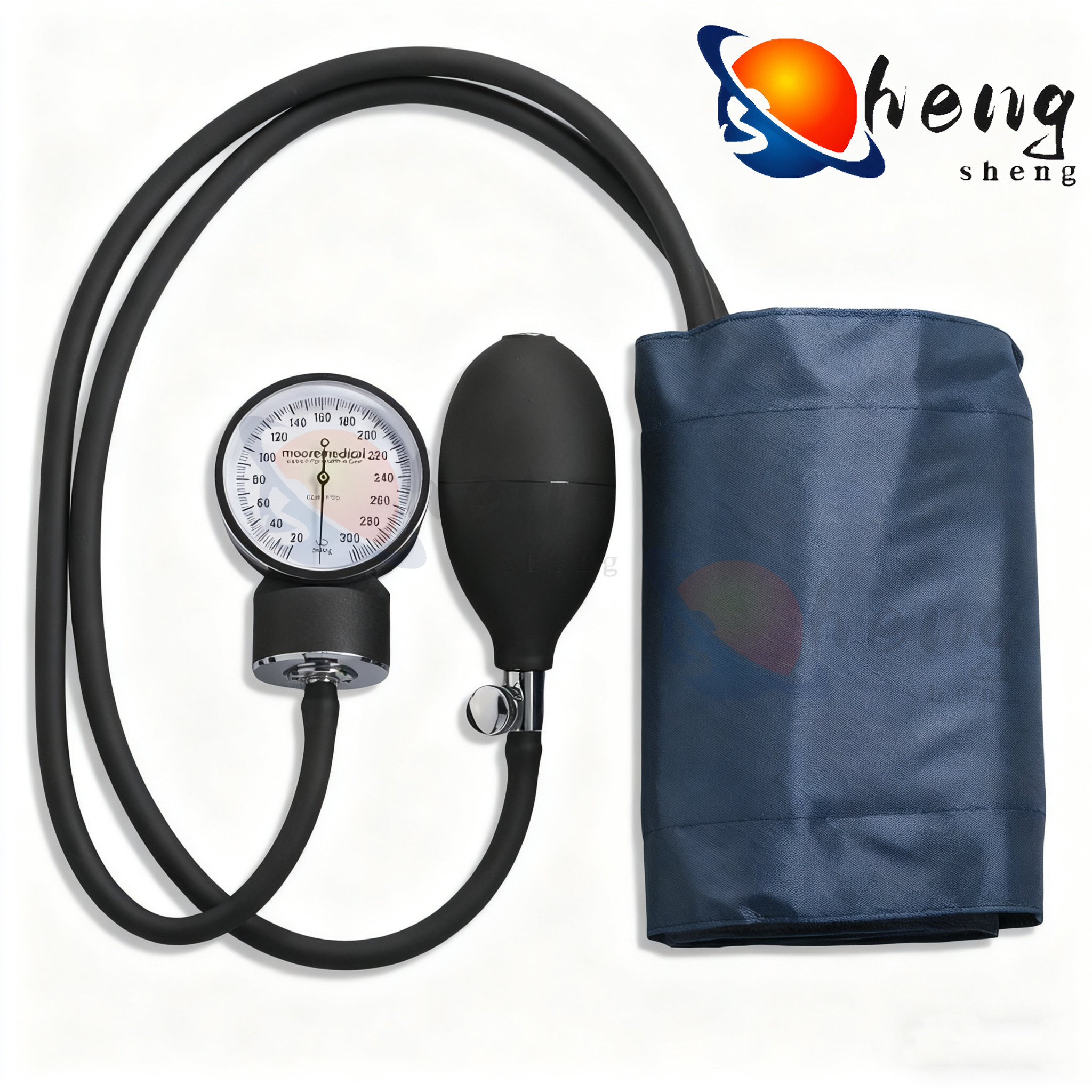
Accurate blood pressure monitoring is fundamental to effective cardiovascular health management, and the quality of your blood pressure cuff directly impacts the reliability of every measurement. Healthcare professionals and individuals alike depend on precise readings to make critical decisions about treatment protocols, medication adjustments, and lifestyle modifications. A properly functioning blood pressure cuff serves as the cornerstone of hypertension diagnosis and management, making it essential to understand why investing in a quality device is crucial for your health outcomes.
Critical Components of Professional Blood Pressure Measurement
Inflation Mechanism and Pressure Control Systems
The inflation mechanism within a blood pressure cuff operates through sophisticated pneumatic systems designed to provide consistent and controlled pressure application. Modern devices utilize precision pumps that gradually inflate the cuff to occlude arterial blood flow completely before slowly releasing pressure at predetermined rates. This controlled deflation process is essential for accurate systolic and diastolic pressure detection, as irregular pressure release can lead to measurement errors of up to 10-15 mmHg.
Professional-grade blood pressure cuff systems incorporate pressure sensors that continuously monitor inflation levels and automatically adjust to maintain optimal measurement conditions. The precision of these sensors directly correlates with measurement accuracy, as even minor fluctuations in pressure control can significantly impact reading reliability. Quality control mechanisms within the cuff ensure that pressure release occurs at the standard rate of 2-3 mmHg per heartbeat, which is crucial for proper auscultation techniques.
Cuff Size Selection and Patient Comfort Considerations
Proper cuff sizing represents one of the most critical factors in obtaining accurate blood pressure measurements, with incorrect sizing potentially causing measurement errors exceeding 20 mmHg. A blood pressure cuff that is too small for the patient's arm circumference will produce artificially elevated readings, while an oversized cuff may underestimate true blood pressure values. Healthcare standards specify that the cuff bladder should encircle at least 80% of the arm circumference while covering approximately two-thirds of the upper arm length.
Patient comfort during measurement directly influences reading accuracy, as discomfort or anxiety can elevate blood pressure through sympathetic nervous system activation. Quality blood pressure cuff designs incorporate soft, breathable materials that minimize patient discomfort while maintaining consistent pressure distribution across the measurement surface. The positioning and securing mechanisms must allow for proper placement without causing excessive compression or restriction of normal arm circulation.
Technology Integration in Modern Blood Pressure Monitoring
Digital Display Systems and Data Management
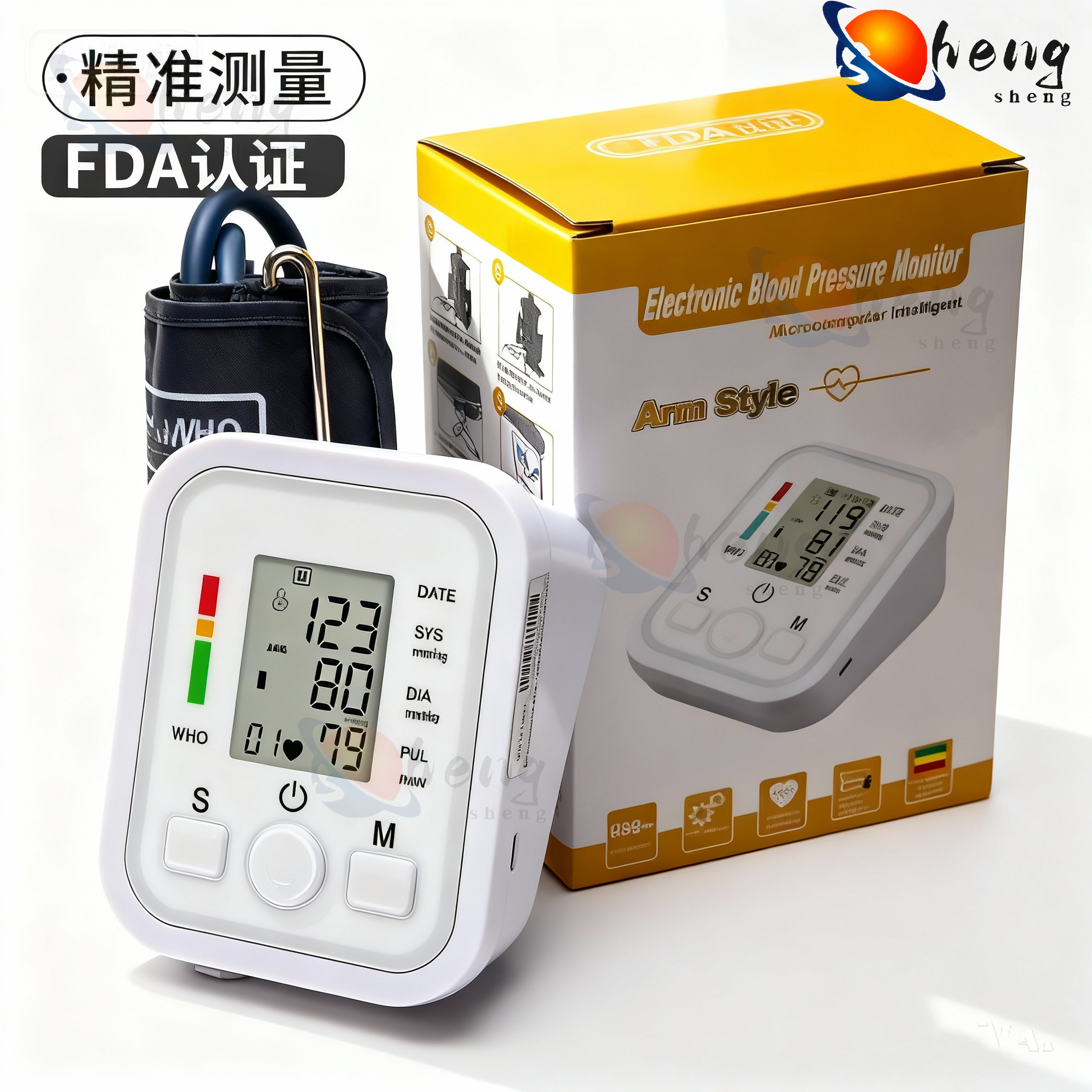
Contemporary blood pressure cuff technology integrates advanced digital display systems that provide clear, easily readable measurements with enhanced precision compared to traditional analog gauges. These digital interfaces typically display readings to the nearest mmHg and often include additional features such as pulse rate monitoring, measurement averaging, and irregular heartbeat detection. The clarity and accuracy of digital displays eliminate the potential for human error associated with manual gauge reading and interpretation.
Data management capabilities in modern blood pressure cuff systems enable healthcare providers and patients to track measurement trends over extended periods. Many devices feature internal memory storage that can retain hundreds of previous readings, allowing for comprehensive analysis of blood pressure patterns and treatment effectiveness. This historical data becomes invaluable for healthcare decision-making and provides objective evidence of cardiovascular health status changes over time.
Connectivity Features and Remote Monitoring Capabilities
Advanced blood pressure cuff models incorporate wireless connectivity options that enable seamless integration with electronic health records and telemedicine platforms. These connectivity features allow healthcare providers to monitor patient blood pressure remotely, facilitating more responsive care management and reducing the need for frequent office visits. The ability to transmit accurate measurements directly from the patient's home environment provides healthcare teams with real-world data that reflects actual living conditions rather than clinical settings.
Smartphone integration through dedicated mobile applications enhances the functionality of connected blood pressure cuff systems by providing users with intuitive interfaces for data visualization and trend analysis. These applications often include features such as medication reminders, measurement scheduling, and automated sharing with healthcare providers. The convenience and accessibility of mobile integration encourage more consistent monitoring habits, leading to improved patient compliance and better long-term health outcomes.
Clinical Accuracy Standards and Validation Protocols
International Certification Requirements
Professional Blood Pressure Cuff devices must meet stringent international accuracy standards established by organizations such as the Association for the Advancement of Medical Instrumentation and the European Society of Hypertension. These certification protocols require devices to demonstrate measurement accuracy within ±3 mmHg for at least 85% of all readings when compared to reference standards. The validation process involves extensive testing across diverse patient populations to ensure consistent performance across various demographic groups and clinical conditions.
Regulatory compliance for blood pressure cuff manufacturing involves rigorous quality control processes that verify device performance under various environmental conditions and usage scenarios. Temperature stability, humidity resistance, and mechanical durability testing ensure that devices maintain accuracy throughout their expected service life. These comprehensive validation protocols provide healthcare professionals and patients with confidence that their blood pressure cuff will deliver reliable measurements consistently.
Calibration Maintenance and Quality Assurance
Regular calibration maintenance is essential for preserving the accuracy of any blood pressure cuff system, as mechanical components and electronic sensors can drift from their original specifications over time. Professional-grade devices typically require annual calibration verification against certified reference standards to maintain measurement accuracy within acceptable tolerances. This calibration process involves comprehensive testing of pressure sensors, inflation mechanisms, and display systems to identify and correct any deviations from factory specifications.
Quality assurance protocols for blood pressure cuff maintenance include routine inspection of physical components such as cuff materials, tubing integrity, and connection points for signs of wear or damage. Preventive maintenance schedules help identify potential issues before they impact measurement accuracy, ensuring consistent performance throughout the device's operational lifetime. Healthcare facilities often implement standardized maintenance procedures that include documentation of calibration results and replacement schedules for consumable components.
Clinical Applications and Diagnostic Value
Hypertension Diagnosis and Management
Accurate blood pressure cuff measurements form the foundation of hypertension diagnosis, with clinical guidelines requiring multiple elevated readings obtained on separate occasions before establishing a diagnosis. The precision and reliability of blood pressure cuff systems directly impact the accuracy of these diagnostic determinations, making device quality a critical factor in patient care outcomes. Misdiagnosis resulting from inaccurate measurements can lead to inappropriate treatment decisions, including unnecessary medication therapy or failure to identify true hypertensive conditions.
Long-term hypertension management relies heavily on consistent and accurate blood pressure monitoring to assess treatment effectiveness and adjust therapeutic interventions. Healthcare providers depend on reliable blood pressure cuff measurements to make informed decisions about medication dosing, lifestyle modification recommendations, and specialized treatment protocols. The ability to track blood pressure trends over time using consistent measurement techniques enables more personalized and effective treatment approaches.
Cardiovascular Risk Assessment and Prevention
Blood pressure cuff measurements serve as essential components in comprehensive cardiovascular risk assessment protocols, providing critical data for calculating risk scores and determining appropriate prevention strategies. Accurate readings enable healthcare providers to identify patients with elevated cardiovascular risk before the development of overt cardiovascular disease, facilitating early intervention and prevention efforts. The precision of blood pressure cuff measurements directly influences the accuracy of risk stratification and subsequent treatment recommendations.
Population health screening programs rely on standardized blood pressure cuff measurements to identify individuals with undiagnosed hypertension and assess community cardiovascular health status. These screening initiatives require consistent measurement techniques and reliable equipment to produce meaningful epidemiological data and guide public health interventions. The widespread use of accurate blood pressure cuff systems in screening programs contributes to improved cardiovascular disease prevention and community health outcomes.
Economic Impact and Cost-Effectiveness Analysis
Healthcare Cost Reduction Through Accurate Monitoring
Investment in high-quality blood pressure cuff systems generates significant healthcare cost savings through improved diagnostic accuracy and more effective treatment monitoring. Accurate measurements reduce the likelihood of misdiagnosis-related complications, unnecessary medication adjustments, and emergency healthcare utilization associated with uncontrolled hypertension. The economic benefits of precise blood pressure monitoring extend beyond immediate healthcare costs to include reduced disability, improved quality of life, and enhanced productivity outcomes.
Home blood pressure monitoring using reliable blood pressure cuff devices enables patients to participate more actively in their healthcare management while reducing the frequency of required clinical visits. This shift toward patient-centered monitoring reduces healthcare system burden and associated costs while maintaining or improving care quality. The economic advantages of home monitoring become particularly significant for patients with chronic hypertension requiring frequent blood pressure assessments.
Long-term Value and Return on Investment
Professional-grade blood pressure cuff systems represent cost-effective investments that provide years of reliable service when properly maintained and calibrated. The durability and accuracy of quality devices justify their initial cost through consistent performance and reduced need for frequent replacement or repair. Healthcare facilities and individuals who invest in reliable blood pressure cuff equipment experience lower total cost of ownership compared to cheaper alternatives that may require frequent replacement or produce inaccurate measurements.
The return on investment for quality blood pressure cuff systems extends beyond direct cost considerations to include improved patient outcomes, enhanced clinical efficiency, and reduced liability exposure associated with measurement errors. Healthcare providers who utilize accurate and reliable monitoring equipment experience fewer complications related to misdiagnosis or inappropriate treatment decisions, resulting in improved patient satisfaction and reduced malpractice risk.
FAQ
How often should a blood pressure cuff be calibrated for optimal accuracy
Professional blood pressure cuff devices should undergo calibration verification annually or according to manufacturer specifications, whichever is more frequent. Healthcare facilities often implement more stringent calibration schedules, with quarterly or semi-annual checks for high-usage devices. Home-use blood pressure cuff systems typically require less frequent calibration, but users should verify accuracy annually or whenever readings seem inconsistent with clinical measurements.
What factors can cause inaccurate readings with a blood pressure cuff
Multiple factors can compromise blood pressure cuff accuracy, including improper cuff sizing, incorrect patient positioning, rapid deflation rates, and environmental interference. Patient factors such as recent caffeine consumption, physical activity, or emotional stress can also influence readings. Equipment-related issues include worn cuff materials, damaged tubing, sensor drift, or inadequate calibration maintenance that can significantly impact measurement reliability.
Can blood pressure cuff measurements be affected by patient arm size variations
Patient arm circumference directly impacts blood pressure cuff measurement accuracy, with studies showing that undersized cuffs can overestimate readings by 10-40 mmHg while oversized cuffs may underestimate by 5-30 mmHg. Proper cuff selection requires matching the cuff bladder width to approximately 40% of the arm circumference and ensuring the bladder length covers at least 80% of the arm circumference for optimal accuracy.
How do digital blood pressure cuff systems compare to traditional manual devices
Digital blood pressure cuff systems offer enhanced convenience and eliminate human error associated with manual auscultation techniques, while providing consistent pressure control and automated deflation. However, manual devices remain the gold standard for clinical accuracy and are less susceptible to interference from irregular heart rhythms or movement artifacts. Both types can provide excellent accuracy when properly calibrated and used according to established protocols.
Table of Contents
- Critical Components of Professional Blood Pressure Measurement
- Technology Integration in Modern Blood Pressure Monitoring
- Clinical Accuracy Standards and Validation Protocols
- Clinical Applications and Diagnostic Value
- Economic Impact and Cost-Effectiveness Analysis
-
FAQ
- How often should a blood pressure cuff be calibrated for optimal accuracy
- What factors can cause inaccurate readings with a blood pressure cuff
- Can blood pressure cuff measurements be affected by patient arm size variations
- How do digital blood pressure cuff systems compare to traditional manual devices