EN
EN



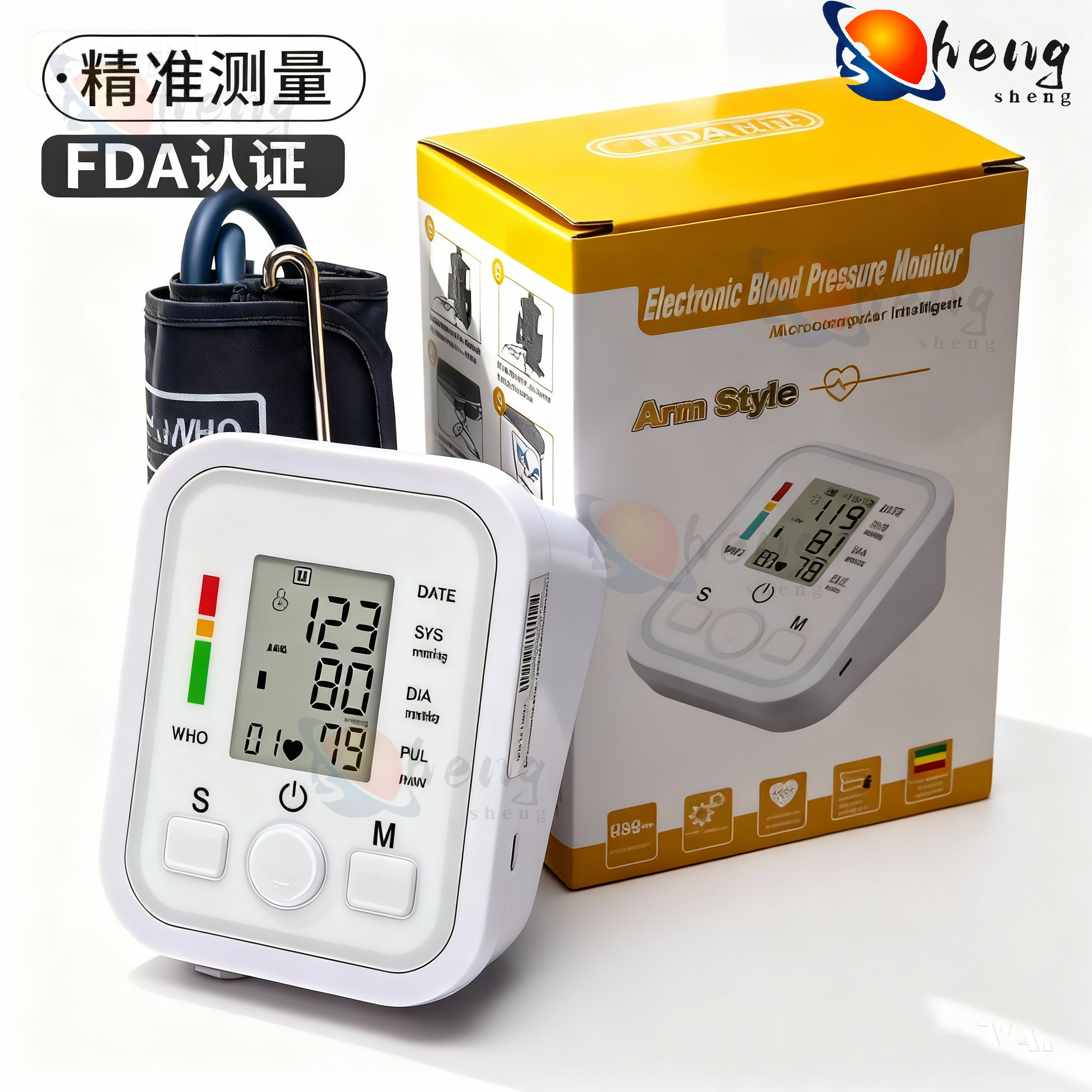
Cardiovascular health monitoring has become increasingly critical in today's healthcare landscape, with hypertension affecting millions of people worldwide. A blood pressure cuff serves as an essential diagnostic tool that enables both healthcare professionals and individuals to monitor cardiovascular health effectively. Understanding how this medical device works and its role in preventing hypertension can empower patients to take control of their health outcomes. Regular blood pressure monitoring using a quality blood pressure cuff provides valuable insights into cardiovascular function and helps identify potential health risks before they become serious complications.
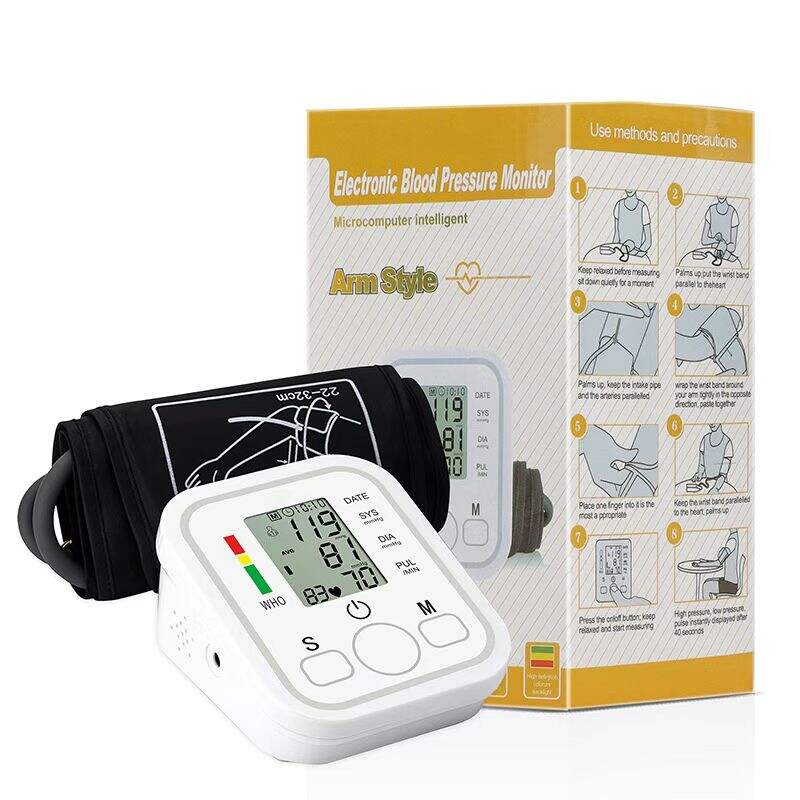
Understanding Blood Pressure Measurement Technology
The Science Behind Pressure Detection
A blood pressure cuff operates on the principle of oscillometry, which detects arterial wall oscillations caused by blood flow. When the cuff inflates around the arm, it gradually compresses the brachial artery until blood flow stops completely. As the cuff slowly deflates, blood begins to flow again, creating pressure waves that the device's sensors detect. These oscillations correspond to systolic and diastolic pressure readings, providing accurate measurements of cardiovascular function. The sophisticated electronics within modern blood pressure monitoring systems can distinguish between different types of arterial movements, ensuring precise readings even in challenging measurement conditions.
Modern digital blood pressure cuff technology incorporates advanced algorithms that filter out external interference and motion artifacts. These systems utilize multiple measurement cycles to verify reading accuracy and eliminate potential errors caused by patient movement or irregular heartbeats. The integration of memory functions allows users to track blood pressure trends over time, providing valuable data for healthcare providers to assess cardiovascular health patterns. Additionally, many contemporary devices feature automatic inflation and deflation capabilities, reducing user error and improving measurement consistency across different monitoring sessions.
Calibration and Accuracy Standards
Professional-grade blood pressure cuff devices undergo rigorous calibration processes to ensure measurement accuracy meets international medical standards. The Association for the Advancement of Medical Instrumentation establishes specific protocols for blood pressure monitor validation, requiring devices to demonstrate accuracy within predetermined tolerance ranges. Regular calibration maintenance ensures that readings remain reliable throughout the device's operational lifespan, preventing measurement drift that could lead to misdiagnosis or inappropriate treatment decisions.
Healthcare facilities typically implement systematic calibration schedules for their blood pressure monitoring equipment, often utilizing specialized calibration devices that simulate various pressure levels. Home users should also verify their device accuracy periodically by comparing readings with professionally calibrated equipment during medical appointments. This validation process helps maintain measurement integrity and ensures that home monitoring data remains clinically relevant for healthcare decision-making purposes.
Hypertension Prevention Through Regular Monitoring
Early Detection Strategies
Consistent use of a blood pressure cuff enables early detection of hypertensive trends before they develop into clinical hypertension. Pre-hypertensive conditions, characterized by blood pressure readings between normal and high ranges, can be identified through regular monitoring protocols. Early intervention during pre-hypertensive stages often prevents progression to full hypertension, reducing long-term cardiovascular risks and improving overall health outcomes. Healthcare providers recommend establishing baseline measurements during healthy periods to create reference points for future comparisons.
Regular monitoring also helps identify white coat syndrome, where patients experience elevated blood pressure readings in clinical settings due to anxiety or stress. Home monitoring with a reliable blood pressure cuff provides more accurate representations of typical daily blood pressure patterns, enabling healthcare providers to make more informed treatment decisions. This comprehensive monitoring approach helps distinguish between situational blood pressure elevations and persistent hypertensive conditions requiring medical intervention.
Lifestyle Modification Tracking
A blood pressure cuff serves as an essential feedback tool for individuals implementing lifestyle modifications to prevent hypertension. Regular measurements help track the effectiveness of dietary changes, exercise programs, stress management techniques, and other preventive interventions. This immediate feedback mechanism motivates continued adherence to healthy lifestyle practices and provides objective evidence of improvement or deterioration in cardiovascular health status.
Tracking blood pressure responses to specific activities or dietary choices helps individuals identify personal triggers that may contribute to elevated readings. For example, monitoring blood pressure before and after exercise sessions demonstrates the beneficial effects of physical activity on cardiovascular function. Similarly, tracking measurements during periods of increased stress or after consuming high-sodium meals provides valuable insights into individual cardiovascular risk factors and appropriate prevention strategies.
Clinical Applications in Healthcare Settings
Professional Diagnostic Protocols
Healthcare professionals utilize blood pressure cuff measurements as fundamental components of cardiovascular assessment protocols. Standard clinical practices involve taking multiple readings at different time intervals to establish accurate baseline measurements and identify potential abnormalities. The systematic approach to blood pressure measurement in healthcare settings ensures consistent data collection and enables healthcare providers to make informed diagnostic and treatment decisions based on reliable cardiovascular information.
Clinical blood pressure cuff protocols also incorporate specific patient positioning requirements, appropriate cuff sizing, and standardized measurement procedures to maximize accuracy. Healthcare providers receive specialized training in proper measurement techniques, ensuring that readings obtained in clinical settings meet established accuracy standards. These standardized protocols help minimize measurement variations between different healthcare providers and facilities, improving the reliability of cardiovascular assessment data across the healthcare system.
Treatment Monitoring Applications
Blood pressure cuff monitoring plays a crucial role in evaluating the effectiveness of antihypertensive medications and other cardiovascular treatments. Regular monitoring enables healthcare providers to adjust medication dosages, modify treatment protocols, and assess patient responses to therapeutic interventions. This ongoing monitoring process helps optimize treatment outcomes while minimizing potential side effects or complications associated with cardiovascular medications.
Long-term treatment monitoring using blood pressure cuff measurements also helps identify medication tolerance issues or the development of treatment resistance. Healthcare providers can detect gradual changes in blood pressure control over time, enabling proactive adjustments to treatment plans before cardiovascular complications develop. This systematic monitoring approach improves patient outcomes and reduces the risk of cardiovascular events associated with poorly controlled hypertension.
Home Monitoring Best Practices
Optimal Measurement Techniques
Proper home monitoring with a blood pressure cuff requires attention to specific measurement techniques that ensure accurate and consistent readings. Users should take measurements at the same time each day, preferably in the morning and evening, to establish reliable baseline patterns. Sitting quietly for several minutes before measurement allows blood pressure to stabilize, eliminating the influence of recent physical activity or stress on readings. Proper cuff positioning at heart level and appropriate arm support contribute to measurement accuracy and reduce potential errors.
Environmental factors also influence blood pressure cuff accuracy, including room temperature, noise levels, and lighting conditions. Taking measurements in a quiet, comfortable environment helps minimize external stressors that could artificially elevate blood pressure readings. Users should avoid caffeine, exercise, or smoking for at least thirty minutes before measurement to ensure readings reflect typical cardiovascular function rather than temporary physiological responses to these activities.
Data Recording and Analysis
Systematic recording of blood pressure cuff measurements enables users and healthcare providers to identify trends and patterns in cardiovascular health over time. Many modern devices include automatic data storage and analysis features that track measurement history and generate reports for healthcare consultations. Manual recording in logbooks or smartphone applications provides alternative documentation methods for devices without built-in memory functions.
Regular analysis of recorded blood pressure data helps identify correlations between lifestyle factors and cardiovascular function. Users can track the effects of dietary changes, exercise programs, medication adherence, and stress management techniques on their blood pressure readings. This comprehensive data analysis approach enables personalized cardiovascular health management and supports informed decision-making regarding lifestyle modifications and treatment adherence.
Technology Integration and Modern Features
Smart Connectivity Options
Contemporary blood pressure cuff devices increasingly incorporate smart connectivity features that enable seamless data sharing with healthcare providers and family members. Bluetooth and WiFi connectivity options allow automatic synchronization of measurement data with smartphone applications and cloud-based health platforms. This technological integration facilitates remote monitoring capabilities and enables healthcare providers to access patient data between appointments, supporting more responsive and personalized care delivery.
Smart blood pressure cuff systems often include medication reminder features, appointment scheduling capabilities, and educational resources that support comprehensive cardiovascular health management. Integration with electronic health records enables healthcare providers to access complete patient histories and make more informed treatment decisions. These technological advances transform traditional blood pressure monitoring into comprehensive cardiovascular health management systems that support both patients and healthcare providers in achieving optimal health outcomes.
Advanced Analytical Capabilities
Modern blood pressure cuff technology incorporates advanced analytical capabilities that provide insights beyond basic systolic and diastolic measurements. Some devices calculate pulse pressure, mean arterial pressure, and other cardiovascular indicators that offer additional diagnostic information. Trend analysis features help identify gradual changes in blood pressure patterns that might indicate developing cardiovascular conditions or treatment effectiveness.
Artificial intelligence integration in advanced blood pressure cuff systems enables predictive analytics that can identify potential cardiovascular risks before they become clinically apparent. These systems analyze measurement patterns, lifestyle factors, and historical data to provide personalized recommendations for cardiovascular health improvement. Machine learning algorithms continuously refine their analytical capabilities based on user data and clinical outcomes, improving their predictive accuracy over time.
FAQ
How often should I use a blood pressure cuff for monitoring
For individuals with normal blood pressure, measuring once or twice per week provides adequate monitoring for early detection of changes. People with pre-hypertension or those at risk for cardiovascular disease should measure daily, preferably at the same times each day. Patients with diagnosed hypertension may need to monitor multiple times daily initially, then reduce frequency as blood pressure stabilizes under treatment. Always follow your healthcare provider's specific recommendations for monitoring frequency based on your individual cardiovascular risk factors and health status.
What factors can affect blood pressure cuff accuracy
Several factors can influence measurement accuracy, including improper cuff size, incorrect arm positioning, talking during measurement, and recent physical activity or caffeine consumption. A blood pressure cuff that is too small or too large for the patient's arm circumference can produce inaccurate readings. Environmental factors such as extreme temperatures, loud noises, or uncomfortable seating can also affect measurements. Ensuring proper technique, appropriate cuff sizing, and optimal measurement conditions helps maximize accuracy and reliability of blood pressure readings.
Can home blood pressure monitoring replace regular medical checkups
While home monitoring with a blood pressure cuff provides valuable data for cardiovascular health management, it should complement rather than replace regular medical evaluations. Healthcare providers can perform comprehensive cardiovascular assessments that include additional diagnostic tests, medication reviews, and risk factor evaluations that home monitoring cannot provide. Professional medical equipment may detect abnormalities that consumer-grade devices might miss. Regular medical checkups ensure that home monitoring data is interpreted correctly and that appropriate interventions are implemented when necessary.
How do I choose the right blood pressure cuff for home use
Selecting an appropriate blood pressure cuff requires consideration of arm circumference, measurement accuracy validation, ease of use, and feature requirements. Devices validated by recognized medical organizations typically provide more reliable measurements than unvalidated alternatives. Consider features such as memory storage, multiple user capabilities, and connectivity options based on your specific monitoring needs. Automatic inflation and deflation features reduce user error and improve measurement consistency. Consult with healthcare providers to ensure the selected device meets your specific monitoring requirements and accuracy standards.