EN
EN



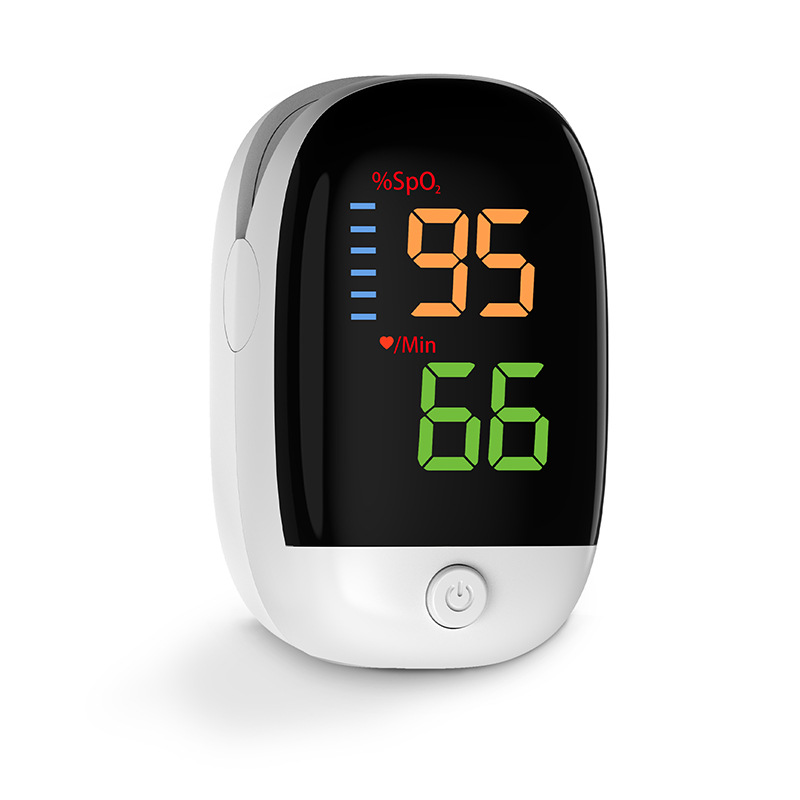
Managing diabetes effectively requires continuous monitoring and careful attention to blood sugar levels throughout the day. A glucose monitor serves as the cornerstone of modern diabetes management, providing individuals with real-time insights into their metabolic health. This essential medical device empowers patients to make informed decisions about their diet, medication, and lifestyle choices that directly impact their overall well-being.
The importance of blood glucose monitoring extends far beyond simple number tracking. Healthcare professionals consistently recommend regular monitoring as a fundamental component of comprehensive diabetes care. When patients understand how their bodies respond to various foods, activities, and stressors, they can maintain better glycemic control and reduce the risk of serious complications associated with diabetes.
Understanding Blood Glucose Monitoring Technology
Modern Sensor Technology and Accuracy
Contemporary glucose monitor devices utilize advanced biosensor technology that delivers highly accurate readings within seconds. These sophisticated instruments measure glucose levels in tiny blood samples, typically requiring only 0.5 to 1.5 microliters of blood. The electrochemical sensors within modern monitors can detect glucose concentrations with remarkable precision, often achieving accuracy rates exceeding 95 percent when compared to laboratory reference standards.
The evolution of glucose monitoring technology has dramatically improved user experience and reliability. Today's monitors feature advanced algorithms that compensate for various factors that might affect reading accuracy, including temperature variations, humidity levels, and hematocrit differences. Many devices also incorporate automatic coding systems that eliminate the need for manual calibration, reducing potential user errors and ensuring consistent performance across different test strip batches.
Digital Integration and Smart Features
Modern glucose monitor systems increasingly incorporate digital connectivity features that enhance the monitoring experience. Bluetooth-enabled devices can automatically sync readings with smartphone applications, creating comprehensive digital logs that patients can share with healthcare providers. These applications often include trend analysis tools, medication reminders, and personalized insights based on historical glucose patterns.
Smart glucose monitors can generate detailed reports that reveal patterns in blood sugar fluctuations throughout different times of day, week, or month. This data proves invaluable for healthcare professionals when adjusting treatment plans, modifying medication dosages, or recommending lifestyle changes. The integration of artificial intelligence in some monitoring systems can even predict potential glucose level changes based on historical data and current trends.
Clinical Benefits of Regular Glucose Monitoring
Early Detection and Prevention
Regular use of a glucose monitor enables early detection of blood sugar abnormalities before they progress to serious complications. Patients who monitor consistently can identify patterns that might indicate the need for medication adjustments, dietary modifications, or increased physical activity. This proactive approach significantly reduces the risk of diabetic ketoacidosis, severe hypoglycemia, and other acute complications that require emergency medical intervention.
Clinical studies demonstrate that patients who maintain consistent monitoring schedules achieve better long-term glycemic control compared to those who test infrequently. The immediate feedback provided by glucose monitors allows individuals to make real-time decisions about insulin administration, carbohydrate intake, and activity levels. This responsive management approach helps prevent dangerous blood sugar spikes and crashes that can damage organs and blood vessels over time.
Treatment Optimization and Medication Management
Healthcare providers rely heavily on glucose monitoring data to optimize treatment protocols for their diabetic patients. Regular readings help physicians determine the effectiveness of current medications, identify the need for dosage adjustments, and assess whether alternative treatments might be more beneficial. A glucose monitor provides the objective data necessary for evidence-based treatment decisions that can significantly improve patient outcomes.
The timing and frequency of glucose monitoring can reveal important information about how different medications affect blood sugar levels throughout the day. This information proves particularly valuable for patients using insulin, as it helps determine optimal injection timing and dosages. Additionally, monitoring data can help identify whether patients are experiencing dawn phenomenon, post-meal spikes, or nocturnal hypoglycemia, allowing for targeted interventions that address these specific challenges.
Types of Glucose Monitoring Systems
Traditional Blood Glucose Meters
Traditional glucose monitor devices remain the most widely used monitoring option due to their reliability, affordability, and ease of use. These handheld devices require a small blood sample obtained through finger pricking, typically using a spring-loaded lancet device. The blood sample is applied to a disposable test strip that contains chemical reagents designed to react with glucose molecules in the blood.
Modern traditional monitors offer numerous user-friendly features including large display screens, memory storage for hundreds of readings, and the ability to mark readings as before or after meals. Many devices also calculate average glucose levels over various time periods, helping users and healthcare providers assess overall glycemic control trends. The portability and battery life of these devices make them ideal for travel and daily use in various environments.
Continuous Glucose Monitoring Systems
Continuous glucose monitoring represents a significant advancement in diabetes management technology. These systems use a small sensor inserted under the skin to measure glucose levels in interstitial fluid every few minutes throughout the day and night. While not technically a traditional glucose monitor, these devices provide unprecedented insight into glucose patterns and trends that single-point measurements cannot capture.
The real-time data from continuous monitors can alert users to impending high or low blood sugar episodes before they become dangerous. This predictive capability allows for proactive interventions that can prevent serious complications. However, most continuous monitoring systems still require periodic calibration with traditional glucose monitor readings to maintain accuracy, highlighting the continued importance of conventional monitoring devices.
Proper Usage and Best Practices
Testing Frequency and Timing
The optimal frequency of glucose monitor testing varies depending on the type of diabetes, treatment regimen, and individual health status. People with type 1 diabetes typically need to test more frequently than those with type 2 diabetes, often requiring four or more tests daily. Healthcare providers generally recommend testing before meals, two hours after meals, before bedtime, and occasionally during the night to capture comprehensive glucose patterns.
Timing of glucose monitoring plays a crucial role in understanding how the body responds to different factors throughout the day. Pre-meal testing helps determine appropriate insulin doses for upcoming meals, while post-meal testing reveals how effectively the body processes carbohydrates. Bedtime testing can prevent nocturnal hypoglycemia, and occasional middle-of-the-night testing can identify dawn phenomenon patterns that might require treatment adjustments.
Maintaining Device Accuracy and Hygiene
Proper maintenance of a glucose monitor ensures accurate readings and extends device lifespan. Users should clean their hands thoroughly before testing and ensure the testing site is completely dry before applying blood to the test strip. Regular cleaning of the device with alcohol wipes helps prevent contamination and maintains optimal performance of the optical sensors that read test strips.
Storage conditions significantly impact both monitor performance and test strip integrity. Devices should be stored at room temperature and protected from extreme heat, cold, and moisture. Test strips must be kept in their original containers with moisture-absorbing packets and used before expiration dates to ensure accurate results. Many glucose monitor manufacturers recommend periodic accuracy checks using control solutions to verify proper device function.
Cost Considerations and Insurance Coverage
Initial Investment and Ongoing Expenses
The financial aspect of glucose monitor ownership involves both initial device costs and ongoing expenses for test strips and lancets. While many glucose monitor devices are available at relatively low costs, the cumulative expense of test strips can become significant for patients who test frequently. A single test strip can cost anywhere from fifty cents to several dollars, depending on the brand and where supplies are purchased.
Patients should consider the long-term costs when selecting a glucose monitor system. Some manufacturers offer more affordable devices but charge premium prices for test strips, while others provide moderately priced devices with more reasonably priced testing supplies. Generic test strips compatible with certain glucose monitor brands can offer substantial savings without compromising accuracy, though patients should verify compatibility and reliability before making the switch.
Insurance Coverage and Prescription Requirements
Most health insurance plans provide coverage for glucose monitor devices and testing supplies as durable medical equipment. However, coverage levels vary significantly between insurance providers and plan types. Many plans require prescriptions from healthcare providers and may limit the number of test strips covered per month based on the patient's diabetes management needs and testing frequency requirements.
Patients should work closely with their healthcare providers to ensure proper documentation supporting their glucose monitor supply needs. Insurance companies often require evidence of medical necessity, particularly for patients requesting higher quantities of test strips. Some plans offer preferred brand coverage that can result in lower out-of-pocket costs, making it worthwhile to discuss device selection with both healthcare providers and insurance representatives.
Impact on Quality of Life and Independence
Empowerment Through Self-Management
Regular use of a glucose monitor significantly enhances patient autonomy and confidence in managing their diabetes. When individuals can quickly and accurately assess their blood sugar levels, they gain the knowledge needed to make informed decisions about their daily activities, food choices, and medication timing. This self-sufficiency reduces dependence on healthcare providers for routine monitoring and enables more flexible lifestyle choices.
The psychological benefits of glucose monitor ownership extend beyond medical management to include improved peace of mind and reduced anxiety about unpredictable blood sugar fluctuations. Patients often report feeling more secure when traveling, exercising, or engaging in social activities because they can quickly check their glucose levels and respond appropriately to any abnormal readings. This confidence translates into improved quality of life and greater participation in normal daily activities.
Family and Caregiver Support
Glucose monitor devices also benefit family members and caregivers who assist with diabetes management. Easy-to-read displays and simple operation procedures enable spouses, children, or professional caregivers to help with monitoring when needed. Many modern devices store historical readings that can be reviewed during medical appointments, providing healthcare teams with comprehensive data for treatment optimization.
Educational opportunities arise when family members understand how glucose monitor readings relate to symptoms, activities, and overall health status. This knowledge helps create supportive home environments where family members can recognize signs of blood sugar abnormalities and assist with appropriate responses. The shared responsibility often strengthens family bonds while ensuring consistent diabetes management even during illness or emergency situations.
FAQ
How often should I test my blood sugar with a glucose monitor?
Testing frequency depends on your type of diabetes, medications, and individual health needs. People with type 1 diabetes typically test 4-6 times daily, while those with type 2 diabetes may test 1-4 times depending on their treatment plan. Your healthcare provider will recommend an appropriate testing schedule based on your specific situation and treatment goals.
What factors can affect glucose monitor accuracy?
Several factors can influence reading accuracy including expired test strips, improper storage conditions, insufficient blood sample size, dirty hands, extreme temperatures, and altitude changes. Ensuring proper hygiene, using fresh supplies, and following manufacturer instructions helps maintain optimal accuracy. Most quality glucose monitor devices achieve 95% accuracy when used correctly.
Can I use generic test strips with my glucose monitor?
Some glucose monitor models accept generic or third-party test strips, while others require brand-specific strips. Generic options can provide significant cost savings, but you should verify compatibility and accuracy with your healthcare provider. Always ensure any alternative strips meet FDA approval standards and perform accuracy checks when switching brands.
How do I know if my glucose monitor needs replacement?
Signs that your glucose monitor may need replacement include consistently erratic readings, display problems, difficulty accepting test strips, or failure to turn on reliably. Most devices last several years with proper care, but you should perform periodic accuracy checks with control solutions and consult your healthcare provider if you notice unusual reading patterns or device malfunctions.