EN
EN



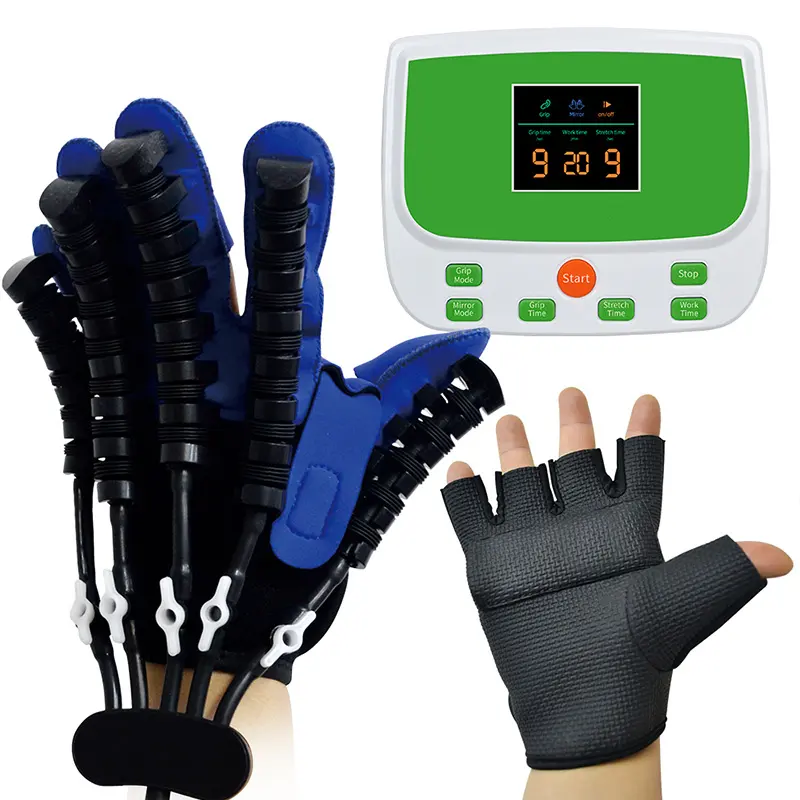
Stroke recovery represents one of the most challenging journeys in modern healthcare, requiring comprehensive rehabilitation strategies that address both immediate needs and long-term functional goals. The integration of advanced stroke therapy equipment has revolutionized traditional rehabilitation approaches, offering patients unprecedented opportunities to regain independence and improve quality of life. Modern rehabilitation facilities increasingly rely on sophisticated technologies that provide targeted interventions, measurable progress tracking, and personalized treatment protocols tailored to individual recovery trajectories.
The complexity of stroke-related impairments necessitates multifaceted rehabilitation approaches that address motor function, cognitive abilities, speech patterns, and sensory processing. Contemporary stroke therapy equipment incorporates cutting-edge technologies including robotics, virtual reality, neurofeedback systems, and adaptive devices that respond dynamically to patient progress. These innovations enable healthcare professionals to deliver evidence-based interventions while maintaining engagement levels crucial for sustained recovery efforts.
Neuroplasticity Enhancement Through Advanced Equipment
Brain Stimulation Technologies
Non-invasive brain stimulation devices represent a cornerstone of modern stroke rehabilitation, utilizing transcranial magnetic stimulation and transcranial direct current stimulation to promote neuroplasticity. These sophisticated systems deliver precisely calibrated electromagnetic fields to specific brain regions, encouraging the formation of new neural pathways and strengthening existing connections. Research demonstrates that consistent application of these technologies, combined with traditional therapies, significantly enhances motor recovery outcomes and cognitive function restoration.
The integration of real-time neuroimaging with brain stimulation protocols allows clinicians to monitor neural activity patterns and adjust treatment parameters accordingly. This personalized approach ensures optimal stimulation intensity while minimizing potential side effects, creating treatment protocols that evolve with patient progress. Advanced stroke therapy equipment in this category often features automated safety protocols and treatment algorithms that maintain consistency across multiple therapy sessions.
Neurofeedback and Cognitive Training Systems
Electroencephalography-based neurofeedback systems provide patients with real-time visualization of their brain activity, enabling them to develop conscious control over neural patterns associated with motor planning and execution. These systems typically incorporate gamified interfaces that maintain patient engagement while delivering therapeutic interventions. The immediate feedback mechanism accelerates learning processes and helps patients develop compensatory strategies for areas of persistent impairment.
Cognitive training platforms within comprehensive stroke therapy equipment suites address executive function, attention, memory, and processing speed deficits commonly experienced following cerebrovascular events. These systems adapt difficulty levels automatically based on performance metrics, ensuring appropriate challenge levels that promote improvement without causing frustration. The data collected during these sessions provides valuable insights into cognitive recovery patterns and helps predict long-term functional outcomes.
Robotic Rehabilitation Systems and Motor Recovery
Upper Extremity Robotic Devices
Robotic exoskeleton systems designed for upper extremity rehabilitation provide precise control over movement patterns while delivering consistent resistance and assistance levels. These devices enable patients to practice functional movements repeatedly with perfect form, promoting motor learning through repetition and sensory feedback. The stroke therapy equipment incorporates force sensors and position feedback mechanisms that adapt to individual strength levels and range of motion limitations.
Advanced robotic systems feature multiple degrees of freedom that replicate natural joint movements, allowing patients to practice complex motor tasks in controlled environments. The programmable nature of these devices enables therapists to create customized exercise protocols that progress systematically from passive range of motion to active assisted movements and eventually to independent functional tasks. Data logging capabilities track improvement metrics and provide objective measurements of recovery progress.
Lower Extremity Mobility Enhancement
Gait training robots and powered exoskeletons revolutionize walking rehabilitation by providing body weight support while enabling patients to practice natural walking patterns. These systems incorporate sophisticated control algorithms that adjust assistance levels in real-time based on patient effort and stability requirements. The integration of virtual reality environments with robotic gait trainers creates engaging rehabilitation experiences that simulate real-world walking challenges.
Functional electrical stimulation systems work synergistically with robotic devices to activate paralyzed or weakened muscles during movement training. This combination approach maximizes neural input and promotes muscle strengthening while patients practice coordinated movement patterns. The precise timing and intensity control available in modern stroke therapy equipment ensures optimal muscle activation sequences that support natural movement biomechanics.
Functional Assessment and Progress Monitoring Technologies
Motion Analysis and Biomechanical Assessment
Three-dimensional motion capture systems provide comprehensive analysis of movement quality, joint angles, and compensatory patterns that develop during stroke recovery. These sophisticated measurement tools quantify subtle improvements that may not be apparent through traditional clinical assessments, providing objective data to guide treatment modifications. The detailed biomechanical information helps therapists identify specific movement deficits and target interventions accordingly.
Force plate technology integrated with motion analysis systems measures weight distribution, balance reactions, and postural control strategies during functional activities. This comprehensive assessment capability enables clinicians to identify fall risks and develop targeted balance training programs using specialized stroke therapy equipment. The data collected during these assessments establishes baseline measurements and tracks improvement trends over extended rehabilitation periods.
Digital Health Monitoring Platforms
Wearable sensor networks continuously monitor patient activity levels, sleep patterns, and physiological responses during daily activities and therapy sessions. These systems provide valuable insights into recovery patterns and help identify factors that influence rehabilitation outcomes. The integration of artificial intelligence algorithms with monitoring data enables predictive analytics that can anticipate setbacks and optimize treatment timing.
Cloud-based data management platforms consolidate information from multiple stroke therapy equipment sources, creating comprehensive patient profiles that track progress across all rehabilitation domains. This integrated approach facilitates communication between multidisciplinary team members and ensures continuity of care across different treatment phases. The longitudinal data collection capabilities support research initiatives and contribute to evidence-based practice development.
Adaptive Technology for Activities of Daily Living
Smart Home Integration Systems
Environmental control systems enable stroke survivors to manage household functions through alternative input methods such as voice commands, eye tracking, or switch activation. These technologies promote independence by compensating for motor and cognitive limitations while reducing caregiver burden. Advanced stroke therapy equipment in this category often features machine learning capabilities that adapt to user preferences and optimize interface designs for individual needs.
Assistive technology devices integrate seamlessly with existing home automation systems, providing centralized control over lighting, temperature, security, and entertainment systems. The customizable nature of these platforms allows for progressive complexity increases as patients regain functional abilities. Voice recognition systems specifically designed for stroke survivors accommodate speech impairments and provide alternative communication pathways for environmental control.
Adaptive Communication Technologies
Speech-generating devices and communication applications address aphasia and dysarthria challenges through multiple modalities including text-to-speech, symbol-based communication, and predictive text systems. These technologies incorporate natural language processing algorithms that learn individual communication patterns and provide intelligent word suggestions. The portability and user-friendly interfaces of modern communication aids promote social engagement and reduce isolation commonly experienced during stroke recovery.
Eye-tracking communication systems enable individuals with severe motor impairments to communicate effectively through gaze-based input methods. These sophisticated stroke therapy equipment solutions feature calibration protocols that accommodate visual field deficits and provide customizable interface layouts. The integration of social media and messaging platforms with communication devices maintains important social connections throughout the recovery process.
Virtual Reality and Immersive Therapy Environments
Cognitive Rehabilitation Through Virtual Environments
Immersive virtual reality systems create controlled environments where patients can practice cognitive tasks, spatial navigation, and problem-solving skills safely. These platforms simulate real-world scenarios such as grocery shopping, cooking, or workplace tasks that require integration of multiple cognitive domains. The adjustable difficulty levels and immediate feedback mechanisms promote skill acquisition while maintaining appropriate challenge levels for continued improvement.
Virtual reality stroke therapy equipment incorporates biometric monitoring to assess stress levels, attention, and engagement during therapy sessions. This physiological feedback enables automatic adjustment of task difficulty and provides therapists with objective measures of cognitive load and fatigue. The gamification elements within virtual environments increase motivation and adherence to therapy protocols, particularly important for long-term rehabilitation success.
Motor Learning Enhancement Through Simulation
Haptic feedback systems combined with virtual reality create realistic sensory experiences that support motor learning and skill acquisition. These technologies provide tactile sensations that correspond to virtual objects and surfaces, enhancing the realism of rehabilitation exercises. The precise force feedback capabilities enable patients to practice fine motor skills and manipulation tasks that translate directly to functional activities.
Mirror therapy applications using virtual reality technology address phantom limb sensations and promote bilateral motor coordination through visual feedback manipulation. These systems create the illusion of normal movement in affected limbs, potentially accelerating neural reorganization and motor recovery. The flexibility of virtual environments allows for endless exercise variations while maintaining consistent therapeutic principles across different activities.
FAQ
What types of stroke therapy equipment show the most promising results for long-term recovery?
Robotic rehabilitation systems, particularly upper extremity exoskeletons and gait training devices, demonstrate the strongest evidence for promoting long-term functional recovery. These technologies provide intensive, repetitive practice opportunities that maximize neuroplasticity potential while maintaining proper movement patterns. Virtual reality systems combined with traditional therapies also show significant promise for addressing cognitive and motor deficits simultaneously, leading to more comprehensive recovery outcomes.
How does modern stroke therapy equipment adapt to individual patient needs and progress levels?
Contemporary stroke therapy equipment incorporates artificial intelligence and machine learning algorithms that continuously analyze patient performance data and automatically adjust difficulty levels, assistance amounts, and exercise parameters. These systems track multiple metrics including movement quality, reaction times, accuracy rates, and physiological responses to create personalized treatment protocols. The adaptive nature ensures optimal challenge levels throughout the recovery process while preventing overexertion or frustration.
What role does data collection play in optimizing stroke rehabilitation outcomes?
Comprehensive data collection through advanced stroke therapy equipment enables evidence-based treatment modifications and provides objective measures of progress that may not be apparent through traditional assessment methods. The integration of multiple data sources including motion analysis, physiological monitoring, and performance metrics creates detailed patient profiles that guide clinical decision-making. This data-driven approach supports personalized medicine principles and contributes to research initiatives that advance stroke rehabilitation science.
Can stroke therapy equipment be effectively used in home-based rehabilitation programs?
Many modern stroke therapy equipment systems are designed with portability and ease of use in mind, making them suitable for home-based rehabilitation programs. Telehealth integration capabilities allow remote monitoring and guidance from healthcare professionals while patients practice exercises in familiar environments. The combination of user-friendly interfaces, safety features, and progress tracking capabilities makes home-based technology-assisted rehabilitation an increasingly viable option for extending therapy beyond traditional clinical settings.
Table of Contents
- Neuroplasticity Enhancement Through Advanced Equipment
- Robotic Rehabilitation Systems and Motor Recovery
- Functional Assessment and Progress Monitoring Technologies
- Adaptive Technology for Activities of Daily Living
- Virtual Reality and Immersive Therapy Environments
-
FAQ
- What types of stroke therapy equipment show the most promising results for long-term recovery?
- How does modern stroke therapy equipment adapt to individual patient needs and progress levels?
- What role does data collection play in optimizing stroke rehabilitation outcomes?
- Can stroke therapy equipment be effectively used in home-based rehabilitation programs?