EN
EN



Stroke recovery represents one of the most challenging journeys in modern healthcare, requiring comprehensive rehabilitation approaches that address both physical and cognitive impairments. The effectiveness of stroke rehabilitation depends heavily on the quality and sophistication of therapeutic interventions, making stroke therapy equipment an essential component of successful recovery programs. Modern healthcare facilities increasingly recognize that specialized equipment can dramatically accelerate patient outcomes while providing therapists with precise tools to monitor progress and adjust treatment protocols accordingly.
Understanding the Critical Role of Advanced Rehabilitation Technology
Neuroplasticity Enhancement Through Targeted Interventions
The human brain's remarkable ability to reorganize and form new neural connections after stroke damage forms the foundation of effective rehabilitation. Stroke therapy equipment plays a pivotal role in stimulating neuroplasticity by providing consistent, repetitive exercises that encourage brain rewiring. Research demonstrates that targeted mechanical assistance can significantly improve motor function recovery by facilitating proper movement patterns while protecting against compensatory behaviors that might hinder long-term progress.
Advanced rehabilitation technologies offer precise control over movement parameters, allowing therapists to gradually increase complexity and resistance as patients demonstrate improvement. This systematic progression ensures optimal challenge levels that promote neural adaptation without overwhelming compromised systems. The integration of biofeedback mechanisms within modern equipment provides real-time data about muscle activation patterns, joint angles, and force generation, enabling immediate adjustments to maximize therapeutic benefits.
Evidence-Based Outcomes and Clinical Effectiveness
Clinical studies consistently demonstrate superior outcomes when stroke therapy equipment is integrated into comprehensive rehabilitation programs compared to conventional therapy alone. Patients utilizing robotic-assisted devices show measurable improvements in motor function scores, reduced spasticity levels, and enhanced coordination abilities. The quantifiable nature of equipment-based therapy allows healthcare providers to track progress objectively and make data-driven decisions about treatment modifications.
Meta-analyses of randomized controlled trials reveal that technology-enhanced rehabilitation protocols can reduce recovery timelines by up to thirty percent while improving overall functional independence scores. These findings highlight the economic benefits of investing in quality equipment, as shorter rehabilitation periods translate to reduced healthcare costs and faster return to productive activities for stroke survivors.
Essential Categories of Modern Rehabilitation Equipment
Robotic Exoskeleton Systems for Upper Extremity Recovery
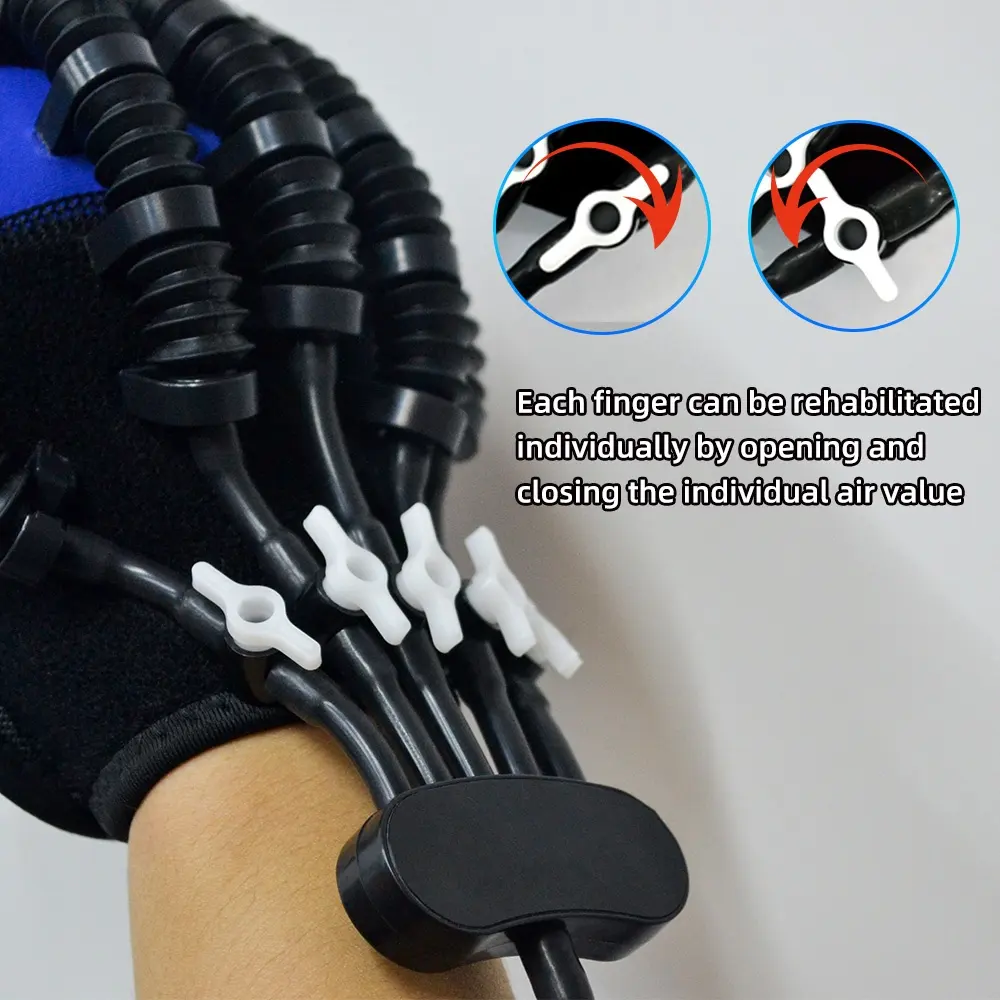
Robotic exoskeleton gloves and arm devices represent cutting-edge innovations in stroke therapy equipment, offering unprecedented precision in motor rehabilitation. These systems provide controlled assistance or resistance during functional tasks, allowing patients with severe motor impairments to engage in meaningful practice sessions. The programmable nature of robotic devices enables customized therapy protocols tailored to individual patient needs and recovery stages.
Modern exoskeleton technology incorporates sophisticated sensors that detect patient intent and provide appropriate assistance levels, promoting active participation rather than passive movement. This approach encourages cortical activation patterns similar to natural movement, potentially accelerating neural recovery processes. The ability to perform thousands of repetitions with consistent quality makes Stroke Therapy Equipment particularly valuable for patients requiring extensive practice to regain motor control.
Gait Training and Lower Extremity Rehabilitation Systems
Walking recovery remains a primary goal for most stroke survivors, making gait training equipment essential components of rehabilitation programs. Treadmill-based systems with partial weight support allow patients to practice walking patterns safely while gradually increasing weight-bearing demands. These devices provide crucial support during early mobility phases when fall risk remains elevated and confidence levels are typically low.
Advanced gait training platforms incorporate virtual reality environments and real-time feedback systems that make therapy sessions more engaging and goal-oriented. Patients can practice navigating various terrains and obstacles in controlled settings, building confidence and motor skills necessary for community ambulation. The data collection capabilities of modern systems enable therapists to analyze gait parameters and identify specific areas requiring focused intervention.
Integration Strategies for Optimal Therapeutic Outcomes
Multidisciplinary Approach to Equipment Utilization
Successful implementation of stroke therapy equipment requires coordinated efforts among physical therapists, occupational therapists, speech-language pathologists, and other healthcare professionals. Each discipline brings unique perspectives on how technology can address specific impairments and functional limitations. Physical therapists focus on motor recovery and mobility enhancement, while occupational therapists emphasize activities of daily living and cognitive-motor integration.
The selection and sequencing of equipment-based interventions must align with established rehabilitation frameworks and evidence-based protocols. Regular team meetings ensure that all professionals understand how their specific interventions complement technology-enhanced treatments. This collaborative approach maximizes the therapeutic potential of stroke therapy equipment while maintaining person-centered care principles that prioritize individual patient goals and preferences.
Progressive Training Protocols and Outcome Measurement
Effective utilization of stroke therapy equipment requires systematic progression protocols that gradually increase task complexity and physical demands. Initial sessions typically focus on basic movement patterns and range of motion, while advanced stages incorporate functional tasks and dual-task challenges that reflect real-world demands. This structured approach ensures that patients develop robust motor skills that transfer to daily activities.
Standardized assessment tools integrated with equipment software provide objective measures of improvement across multiple domains including strength, coordination, reaction time, and movement quality. Regular data review sessions allow therapy teams to identify trends and adjust treatment parameters accordingly. The combination of quantitative measures and qualitative observations creates comprehensive profiles that guide clinical decision-making throughout the recovery process.
Technology Advancements Shaping Future Rehabilitation
Artificial Intelligence and Machine Learning Applications
The integration of artificial intelligence into stroke therapy equipment represents a revolutionary advancement in rehabilitation technology. Machine learning algorithms can analyze vast amounts of patient data to identify optimal treatment parameters and predict recovery trajectories. These systems continuously adapt to individual patient responses, automatically adjusting difficulty levels and exercise parameters to maintain appropriate challenge levels.
AI-powered equipment can detect subtle changes in movement patterns that might escape human observation, enabling early identification of both improvements and potential complications. This enhanced monitoring capability allows for more responsive treatment modifications and helps prevent the development of compensatory movement strategies that could impede long-term recovery. The predictive capabilities of advanced systems also assist in discharge planning and home therapy program development.
Virtual Reality and Immersive Rehabilitation Environments
Virtual reality technology transforms traditional rehabilitation exercises into engaging, interactive experiences that enhance patient motivation and adherence. Immersive environments can simulate real-world scenarios while providing safe practice opportunities for challenging tasks. Stroke therapy equipment incorporating VR capabilities allows patients to practice cooking, shopping, or work-related activities within controlled therapeutic settings.
The gamification elements inherent in VR systems tap into competitive instincts and achievement motivation, leading to increased therapy session duration and intensity. Research indicates that patients using VR-enhanced equipment demonstrate improved engagement levels and reduced therapy-related anxiety compared to conventional approaches. The ability to customize virtual environments ensures that practice tasks remain relevant and meaningful to individual patient goals and interests.
Clinical Implementation and Staff Training Considerations
Professional Development and Competency Requirements
Successful integration of stroke therapy equipment requires comprehensive staff training programs that address both technical operation and clinical application principles. Healthcare professionals must understand not only how to operate complex devices but also when and why specific interventions are most appropriate. Training programs should include hands-on experience, case study analysis, and competency assessments to ensure safe and effective equipment utilization.
Ongoing education initiatives help staff stay current with evolving technology and evidence-based practices. Manufacturer-provided training programs offer valuable insights into optimal equipment utilization and troubleshooting procedures. Regular skills assessments and peer mentoring programs ensure that all team members maintain competency levels necessary for delivering high-quality technology-enhanced rehabilitation services.
Quality Assurance and Safety Protocols
Implementation of stroke therapy equipment necessitates rigorous quality assurance procedures and safety protocols to protect patients and staff. Regular equipment calibration and maintenance schedules ensure optimal performance and prevent mechanical failures that could compromise patient safety. Documentation systems must track equipment usage patterns, maintenance records, and any adverse events to maintain comprehensive safety profiles.
Patient screening procedures help identify contraindications and risk factors that might preclude safe equipment use. Clear protocols for emergency situations and equipment malfunctions provide staff with confidence and ensure rapid response capabilities. Regular safety audits and incident analysis contribute to continuous improvement efforts that enhance overall program quality and patient outcomes.
Economic Considerations and Value Proposition
Cost-Effectiveness Analysis and Return on Investment
While initial capital investments in stroke therapy equipment can be substantial, comprehensive cost-effectiveness analyses consistently demonstrate favorable return on investment profiles. Reduced rehabilitation lengths of stay, improved functional outcomes, and decreased readmission rates contribute to significant cost savings that often exceed equipment purchase and maintenance expenses. Healthcare administrators must consider both direct cost savings and indirect benefits when evaluating equipment acquisition decisions.
Long-term economic benefits extend beyond immediate healthcare cost reductions to include improved quality of life measures and reduced caregiver burden. Patients achieving greater functional independence require fewer ongoing support services and demonstrate higher rates of return to productive employment. These broader societal benefits strengthen the economic argument for investing in advanced stroke therapy equipment and technology-enhanced rehabilitation programs.
Funding Strategies and Financial Planning
Healthcare organizations can pursue various funding mechanisms to support stroke therapy equipment acquisition including capital campaigns, grant opportunities, and equipment leasing arrangements. Federal and state funding programs often provide financial assistance for rehabilitation technology purchases, particularly for facilities serving underserved populations. Strategic partnerships with equipment manufacturers may offer favorable financing terms and ongoing technical support services.
Phased implementation strategies allow organizations to gradually build comprehensive equipment portfolios while managing cash flow requirements. Starting with high-impact, versatile devices provides immediate benefits while generating data to support future expansion requests. Careful financial planning ensures sustainable equipment replacement cycles and ongoing maintenance capabilities that preserve long-term program viability.
FAQ
What types of stroke therapy equipment are most effective for upper extremity rehabilitation
The most effective stroke therapy equipment for upper extremity rehabilitation includes robotic exoskeleton gloves, arm support devices, and functional electrical stimulation systems. Robotic devices provide precise movement assistance and resistance while collecting detailed performance data. These systems excel at delivering high-repetition practice sessions essential for motor recovery while ensuring proper movement patterns and preventing compensation strategies that could limit long-term outcomes.
How long does it typically take to see improvements when using advanced rehabilitation equipment
Patients using stroke therapy equipment often begin showing measurable improvements within two to four weeks of consistent therapy sessions, though individual timelines vary significantly based on stroke severity, time since onset, and patient engagement levels. Objective measures such as range of motion, grip strength, and coordination assessments typically demonstrate progress before patients subjectively notice functional improvements. Continued use of advanced equipment throughout the rehabilitation process helps maintain momentum and achieve maximum recovery potential.
Are there any contraindications or safety concerns with robotic rehabilitation devices
While stroke therapy equipment is generally safe when used appropriately, certain contraindications must be considered including severe cognitive impairments that prevent understanding of safety instructions, unstable medical conditions, and specific orthopedic limitations. Proper patient screening and ongoing monitoring by qualified healthcare professionals ensure safe equipment use. Modern devices incorporate multiple safety features including emergency stops, force limitation systems, and real-time monitoring capabilities that minimize risk and enhance patient protection.
Can stroke therapy equipment be used in home-based rehabilitation programs
Many types of stroke therapy equipment are now available in portable, home-friendly versions that enable continued rehabilitation outside clinical settings. Simplified interfaces and remote monitoring capabilities allow patients to safely continue therapy programs at home with appropriate supervision. Home-based equipment options include lightweight exoskeletons, tablet-based cognitive training systems, and portable balance training devices. Telehealth integration enables healthcare providers to monitor progress and adjust programs remotely while maintaining safety and effectiveness standards.
Table of Contents
- Understanding the Critical Role of Advanced Rehabilitation Technology
- Essential Categories of Modern Rehabilitation Equipment
- Integration Strategies for Optimal Therapeutic Outcomes
- Technology Advancements Shaping Future Rehabilitation
- Clinical Implementation and Staff Training Considerations
- Economic Considerations and Value Proposition
-
FAQ
- What types of stroke therapy equipment are most effective for upper extremity rehabilitation
- How long does it typically take to see improvements when using advanced rehabilitation equipment
- Are there any contraindications or safety concerns with robotic rehabilitation devices
- Can stroke therapy equipment be used in home-based rehabilitation programs