
 EN
EN


The journey back to independence after a stroke represents one of the most challenging yet crucial paths in healthcare recovery. For millions of stroke survivors worldwide, the difference between regaining functional mobility and facing permanent disability often hinges on access to specialized stroke therapy equipment. These sophisticated medical devices serve as bridges between the devastating effects of neurological damage and the brain's remarkable capacity for healing and adaptation.
Understanding why stroke therapy equipment holds such vital importance requires examining how strokes fundamentally alter the neural pathways that control movement, speech, and cognitive function. Modern rehabilitation technology doesn't simply provide exercise opportunities; it creates precisely controlled environments where damaged neural networks can rebuild themselves through targeted stimulation and repetitive practice. This neuroplasticity-based approach transforms what was once considered permanent disability into recoverable function, making specialized equipment an indispensable component of comprehensive stroke recovery programs.
The Neurological Foundation of Equipment-Based Recovery
How Brain Damage Creates Functional Deficits
Stroke-induced brain damage creates specific patterns of functional loss that require equally specific technological interventions to address effectively. When blood flow to brain regions becomes compromised, the resulting tissue death disrupts established neural pathways that control voluntary movement, balance, coordination, and cognitive processing. Stroke therapy equipment addresses these deficits by providing external support and guidance that helps undamaged brain regions develop compensatory pathways.
The severity and location of brain damage directly influence which types of stroke therapy equipment will prove most beneficial for individual patients. Motor cortex damage typically requires robotic-assisted movement devices that can guide limbs through proper motion patterns while the brain relearns motor control sequences. Cerebellar damage affects balance and coordination, necessitating specialized balance training platforms and gait rehabilitation systems that provide real-time feedback and stability support.
Research demonstrates that the brain's neuroplasticity remains active throughout the recovery period, with some studies showing continued improvement years after initial stroke onset. This extended recovery window makes consistent access to appropriate stroke therapy equipment crucial for maximizing functional restoration. The equipment serves as a catalyst for neural reorganization, providing the repetitive, task-specific practice necessary for establishing new neural connections.
The Role of Repetitive Practice in Neural Rewiring
Neuroplasticity research reveals that meaningful recovery requires thousands of repetitions of specific movements and activities, far beyond what traditional therapy sessions can provide. Stroke therapy equipment enables this high-intensity, repetitive practice by offering patients the ability to perform therapeutic exercises independently and consistently. Advanced devices track repetition counts, movement quality, and progress metrics, ensuring that practice sessions meet the minimum thresholds required for neural adaptation.
The precision offered by modern stroke therapy equipment ensures that each repetition reinforces correct movement patterns rather than compensatory behaviors that could limit long-term recovery. Robotic exoskeletons and guided motion devices prevent the development of abnormal movement patterns by maintaining proper joint alignment and movement sequences throughout the exercise range. This controlled environment allows patients to practice complex movements safely while their neural control systems gradually improve.
Motor learning theory emphasizes the importance of variable practice conditions in developing robust motor skills. Contemporary stroke therapy equipment incorporates this principle by offering adjustable resistance levels, movement speeds, and task complexity. Patients can progress from passive assisted movements to active resistance exercises as their recovery advances, ensuring continuous challenge and adaptation throughout the rehabilitation process.
Independence Through Functional Restoration
Mobility and Movement Recovery
The restoration of independent mobility represents perhaps the most visible and impactful benefit of comprehensive stroke therapy equipment usage. Walking, reaching, grasping, and manipulating objects are fundamental activities of daily living that stroke survivors must relearn through systematic practice with specialized devices. Gait training systems, for example, provide body weight support and guidance that allows patients to practice walking movements before they have sufficient strength and coordination for independent ambulation.
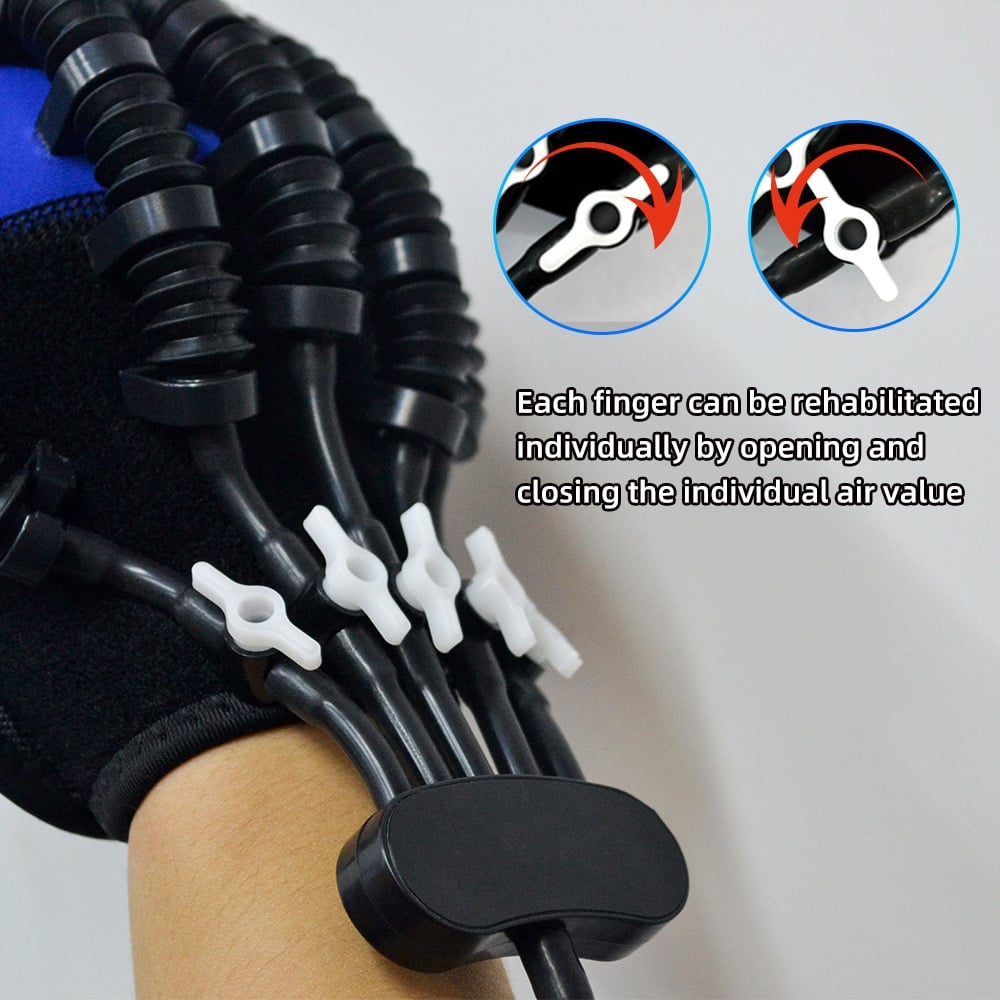
Upper extremity stroke therapy equipment focuses on restoring the fine motor control necessary for tasks like writing, eating, dressing, and personal hygiene. Robotic hand therapy devices can guide fingers through complex grasping patterns while providing variable resistance and sensory feedback. These systems adapt to individual patient capabilities, providing maximum assistance initially and gradually reducing support as voluntary control improves.
Balance and postural control equipment addresses the stability challenges that affect nearly all stroke survivors to some degree. Advanced balance training platforms use motion sensors and visual feedback to help patients develop the automatic postural responses necessary for safe mobility. These systems can simulate various environmental challenges, from uneven surfaces to moving platforms, preparing patients for real-world mobility demands.
Cognitive and Communication Enhancement
Modern stroke therapy equipment extends beyond physical rehabilitation to address cognitive and communication deficits that can significantly impact independence. Computer-based cognitive training systems provide structured exercises targeting attention, memory, problem-solving, and executive function. These programs adapt difficulty levels based on patient performance, ensuring appropriate challenge without overwhelming cognitive resources.
Speech and language therapy equipment incorporates voice recognition technology and visual feedback systems to help patients relearn communication skills. These devices can detect subtle improvements in articulation, voice quality, and language comprehension that might be missed in traditional therapy sessions. The immediate feedback provided by these systems accelerates learning and helps patients recognize their progress, which is crucial for maintaining motivation throughout the recovery process.
The integration of cognitive and physical therapy through advanced stroke therapy equipment reflects our growing understanding of the interconnected nature of neurological recovery. Dual-task training devices combine physical exercises with cognitive challenges, mimicking real-world activities that require simultaneous motor and cognitive control. This approach accelerates recovery by training multiple neural systems concurrently.
Technology-Driven Precision in Recovery
Real-Time Monitoring and Feedback Systems
The precision offered by contemporary stroke therapy equipment transforms rehabilitation from a subjective process into a data-driven science. Advanced sensors embedded in therapeutic devices capture detailed movement kinematics, force production, and timing parameters that provide objective measures of recovery progress. This data allows therapists to identify subtle improvements that might otherwise go unnoticed and adjust treatment protocols accordingly.
Real-time feedback systems integrated into stroke therapy equipment provide patients with immediate knowledge of their performance, enabling rapid motor learning and error correction. Visual displays, auditory cues, and tactile feedback help patients understand when movements are performed correctly and guide adjustments for improved performance. This immediate feedback loop accelerates learning compared to traditional therapy approaches that may provide delayed or less specific feedback.
Biometric monitoring capabilities in modern stroke therapy equipment extend beyond movement tracking to include physiological parameters such as heart rate, muscle activation patterns, and fatigue levels. This comprehensive monitoring ensures that therapy sessions remain within safe and effective parameters while maximizing therapeutic benefit. The data collected during each session contributes to a detailed recovery profile that guides treatment decisions and demonstrates progress to patients and healthcare teams.
Customization and Adaptive Protocols
The ability of advanced stroke therapy equipment to adapt to individual patient needs and capabilities represents a significant advancement over traditional rehabilitation approaches. Machine learning algorithms analyze patient performance data to automatically adjust exercise parameters, ensuring optimal challenge levels throughout the recovery process. This personalization ensures that each patient receives therapy appropriate to their specific deficits and recovery stage.
Adaptive protocols in stroke therapy equipment prevent both under-challenging and overwhelming patients by continuously monitoring performance indicators and adjusting accordingly. When patients demonstrate improved capabilities, the system automatically increases task difficulty or reduces assistance levels. Conversely, when performance declines due to fatigue or temporary setbacks, the equipment provides additional support to maintain engagement and prevent frustration.
The customization capabilities of modern stroke therapy equipment extend to accommodating different types of stroke-related impairments. Devices can be programmed with specific protocols for hemiparesis, ataxia, apraxia, and other common post-stroke conditions. This targeted approach ensures that therapy addresses the specific mechanisms underlying each patient's functional limitations rather than applying generic rehabilitation protocols.
Long-Term Benefits and Quality of Life Impact
Sustained Independence and Community Reintegration
The long-term benefits of comprehensive stroke therapy equipment usage extend far beyond the immediate rehabilitation period, creating lasting improvements in functional capacity and quality of life. Patients who receive intensive, technology-assisted rehabilitation demonstrate better outcomes in activities of daily living, employment return rates, and community participation compared to those receiving conventional therapy alone. These improved outcomes translate directly into greater independence and reduced need for ongoing care assistance.
Community reintegration success correlates strongly with the functional gains achieved through systematic use of stroke therapy equipment during rehabilitation. Patients who achieve better walking speed, hand function, and cognitive performance through equipment-assisted therapy report higher confidence levels in returning to work, social activities, and independent living situations. The precision and intensity possible with modern rehabilitation technology creates a foundation for sustained community participation.
Research tracking stroke survivors over multiple years demonstrates that early intensive rehabilitation with appropriate stroke therapy equipment creates lasting neural adaptations that continue to support function over time. The investment in comprehensive rehabilitation technology during the acute and subacute recovery phases pays dividends in terms of reduced long-term care costs and improved patient satisfaction with their recovery outcomes.
Prevention of Secondary Complications
Stroke therapy equipment plays a crucial role in preventing the secondary complications that can significantly impact long-term independence and quality of life. Regular use of therapeutic devices helps maintain joint range of motion, muscle strength, and cardiovascular fitness, preventing the deconditioning that often accompanies prolonged inactivity following stroke. This preventive aspect of equipment-based therapy reduces the risk of additional health problems that could further compromise independence.
The controlled exercise environment provided by stroke therapy equipment reduces fall risk, one of the most significant threats to independence for stroke survivors. Balance training systems and gait rehabilitation devices help patients develop the stability and confidence necessary for safe mobility in various environments. This fall prevention aspect is particularly important for maintaining long-term independence, as falls often result in additional injuries that can reverse rehabilitation gains.
Spasticity management through appropriate stroke therapy equipment helps prevent the development of painful contractures and joint deformities that can limit functional capacity over time. Devices that provide controlled stretching, range of motion exercises, and appropriate muscle activation patterns help maintain tissue flexibility and joint mobility. This preventive approach to spasticity management is far more effective than attempting to address established contractures after they have developed.
FAQ
How long does it typically take to see improvements with stroke therapy equipment?
Most patients begin experiencing measurable improvements within the first few weeks of consistent stroke therapy equipment usage, though the timeline varies significantly based on stroke severity, location of brain damage, and individual patient factors. Early improvements often include increased range of motion, reduced spasticity, and enhanced movement coordination. More complex functions like fine motor control and balance may require several months of intensive practice. Research indicates that neuroplasticity-driven recovery can continue for years after stroke onset, making long-term equipment usage beneficial even for patients in chronic recovery phases.
Can stroke therapy equipment be used at home for independent rehabilitation?
Many types of stroke therapy equipment are specifically designed for home use, allowing patients to continue intensive rehabilitation between formal therapy sessions. Home-based devices include upper extremity trainers, balance platforms, cognitive training software, and specialized exercise equipment. However, proper assessment by rehabilitation professionals is essential to ensure appropriate device selection and safe usage protocols. Remote monitoring capabilities in many modern devices allow therapists to track patient progress and adjust programs without requiring in-person visits, making home-based rehabilitation both effective and convenient.
What makes robotic-assisted stroke therapy equipment more effective than traditional therapy methods?
Robotic-assisted stroke therapy equipment offers several advantages over traditional methods, including the ability to provide thousands of repetitions with precise movement control, real-time feedback, and objective progress tracking. These devices can guide patients through correct movement patterns while providing adjustable assistance levels, ensuring proper motor learning without reinforcing compensatory behaviors. The high-intensity, repetitive practice possible with robotic systems exceeds what human therapists can provide manually, leading to enhanced neuroplasticity and accelerated recovery. Additionally, robotic devices provide consistent therapy quality regardless of therapist availability or fatigue levels.
How does insurance coverage typically work for stroke therapy equipment?
Insurance coverage for stroke therapy equipment varies significantly depending on the specific device, insurance provider, and medical necessity documentation. Most insurance plans cover equipment used in accredited rehabilitation facilities as part of standard stroke treatment protocols. Home-based equipment coverage requires prior authorization and clear demonstration of medical necessity, often including documentation of functional deficits and rehabilitation goals. Durable medical equipment like wheelchairs, walkers, and basic exercise devices typically receive better coverage than advanced robotic systems. Patients should work closely with their healthcare teams and insurance representatives to understand coverage options and appeal processes when necessary.
Table of Contents
- The Neurological Foundation of Equipment-Based Recovery
- Independence Through Functional Restoration
- Technology-Driven Precision in Recovery
- Long-Term Benefits and Quality of Life Impact
-
FAQ
- How long does it typically take to see improvements with stroke therapy equipment?
- Can stroke therapy equipment be used at home for independent rehabilitation?
- What makes robotic-assisted stroke therapy equipment more effective than traditional therapy methods?
- How does insurance coverage typically work for stroke therapy equipment?
