EN
EN



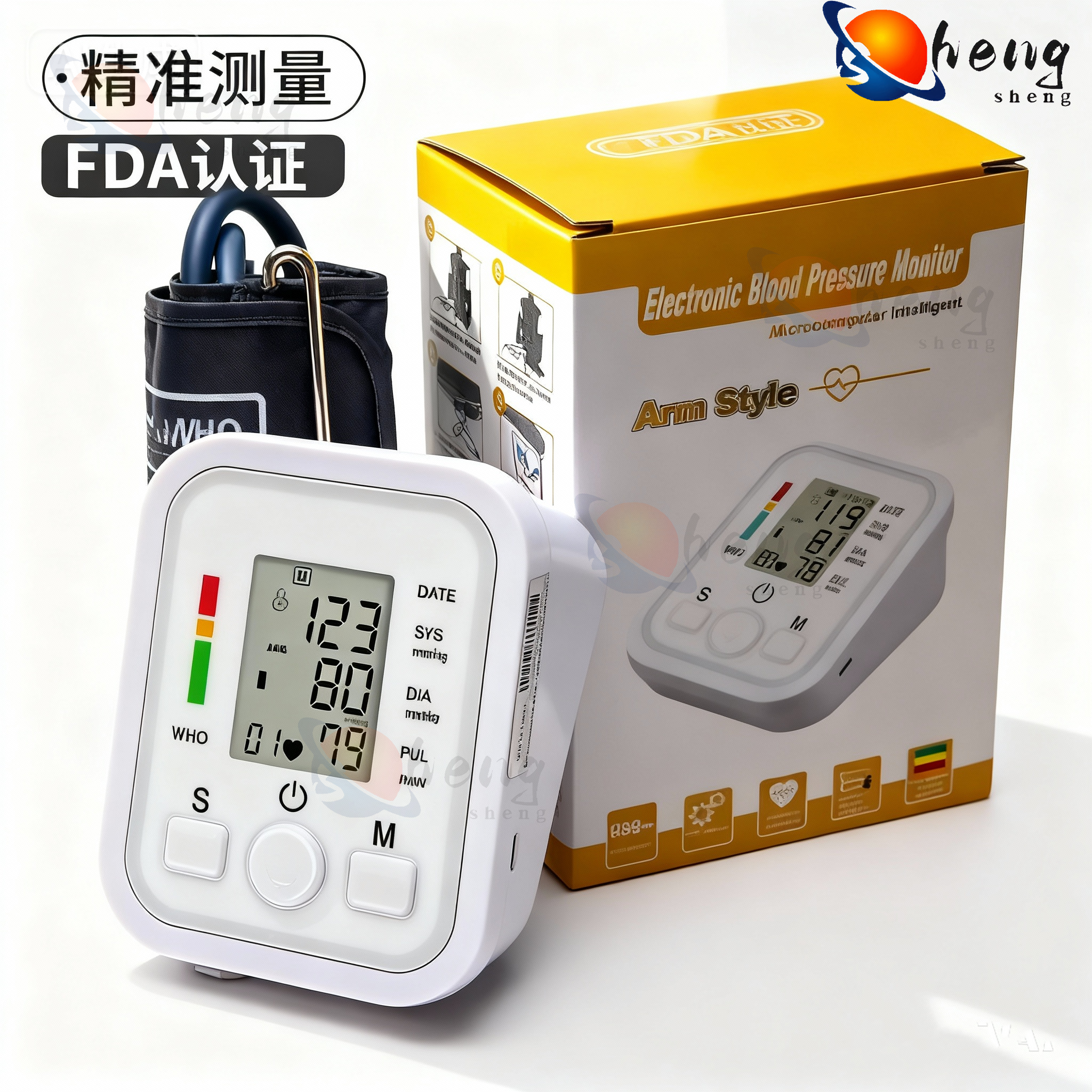
Stroke recovery represents one of the most challenging journeys in modern healthcare, requiring comprehensive rehabilitation strategies that address motor function, cognitive abilities, and daily living skills. Advanced medical technology has revolutionized the rehabilitation landscape, offering innovative solutions that significantly enhance patient outcomes. Stroke therapy equipment has emerged as a cornerstone of effective recovery programs, providing targeted interventions that accelerate healing and restore functionality. These sophisticated devices combine cutting-edge engineering with evidence-based therapeutic approaches to deliver personalized treatment protocols tailored to each patient's unique needs.
Understanding Stroke Recovery Challenges
Neurological Impact Assessment
Stroke survivors face multifaceted challenges that extend far beyond the initial medical emergency, with neurological deficits affecting motor control, sensory processing, and cognitive function. The brain's remarkable plasticity offers hope for recovery, yet traditional rehabilitation methods often fall short of maximizing this potential. Modern stroke therapy equipment addresses these limitations by providing precise, measurable interventions that target specific neural pathways. These devices enable healthcare professionals to monitor progress objectively while delivering consistent therapeutic stimulation that promotes neuroplasticity and functional improvement.
The complexity of stroke-related impairments requires sophisticated assessment tools that can accurately measure baseline functionality and track incremental progress throughout the recovery process. Advanced rehabilitation equipment incorporates real-time biometric monitoring, allowing therapists to adjust treatment parameters dynamically based on patient response. This data-driven approach ensures optimal therapeutic intensity while preventing overexertion that could hinder recovery or cause additional complications.
Motor Function Restoration Priorities
Motor function restoration represents the primary focus of post-stroke rehabilitation, with upper extremity recovery being particularly crucial for regaining independence in daily activities. Stroke therapy equipment specifically designed for motor rehabilitation employs repetitive task practice, constraint-induced movement therapy, and robotic-assisted training to stimulate neural reorganization. These interventions leverage the brain's ability to form new neural connections through intensive, purposeful practice that traditional therapy methods cannot match in terms of consistency and precision.
The integration of virtual reality environments with physical rehabilitation devices creates engaging therapeutic experiences that motivate patients while providing graduated challenges. This gamification approach increases patient adherence to treatment protocols while maintaining the therapeutic rigor necessary for meaningful recovery. Advanced sensors within the equipment provide immediate feedback on movement quality, enabling patients to make real-time corrections that accelerate skill acquisition and motor learning processes.
Innovative Technology in Stroke Rehabilitation
Robotic-Assisted Therapy Systems
Robotic rehabilitation systems represent the pinnacle of technological advancement in stroke recovery, offering unprecedented precision in movement assistance and resistance training. These sophisticated devices can provide partial support during the early stages of recovery while gradually reducing assistance as patients regain strength and coordination. The programmable nature of robotic stroke therapy equipment allows for infinite customization of treatment protocols, ensuring that each session challenges the patient appropriately without causing fatigue or frustration.
Contemporary robotic systems incorporate artificial intelligence algorithms that learn from each patient interaction, continuously refining treatment parameters to optimize outcomes. This adaptive technology ensures that therapy sessions remain challenging yet achievable, maintaining the delicate balance necessary for effective motor learning. The consistent availability of robotic assistance also addresses staffing challenges in rehabilitation facilities, extending the duration and frequency of therapy sessions beyond what human therapists could provide alone.
Neurostimulation Technologies
Electrical stimulation therapies have evolved significantly from simple muscle activation devices to sophisticated neurostimulation systems that target specific neural pathways involved in motor control. Modern stroke therapy equipment utilizes functional electrical stimulation, transcranial direct current stimulation, and other advanced modalities to enhance neuroplasticity and accelerate recovery. These technologies can selectively activate paralyzed muscles while simultaneously providing sensory feedback that helps rebuild the connection between intention and movement.
The precision of contemporary neurostimulation devices allows therapists to target specific muscle groups or neural circuits with remarkable accuracy, maximizing therapeutic benefit while minimizing unwanted side effects. Integration with biofeedback systems enables real-time monitoring of muscle activation patterns, allowing for immediate adjustments to stimulation parameters. This level of control and feedback creates optimal conditions for motor relearning and functional improvement in stroke survivors.
Benefits of Advanced Rehabilitation Equipment
Enhanced Treatment Precision
The precision offered by modern stroke therapy equipment far exceeds what traditional manual therapy techniques can achieve, providing consistent and measurable therapeutic interventions. Advanced sensors and actuators within these devices can detect minute changes in muscle activation, joint position, and movement patterns, enabling therapists to make evidence-based adjustments to treatment protocols. This level of precision ensures that each therapy session builds upon previous gains while addressing specific deficits identified through objective assessment.
Quantitative measurement capabilities inherent in sophisticated rehabilitation equipment provide invaluable data for tracking recovery progress and adjusting treatment goals. Unlike subjective assessments that rely on clinical observation, these devices generate objective metrics that can be compared across sessions and shared among multidisciplinary team members. This data-driven approach enhances communication between healthcare providers and enables more effective coordination of care throughout the recovery process.
Accelerated Recovery Outcomes
Clinical research consistently demonstrates that patients utilizing advanced stroke therapy equipment achieve significantly better outcomes compared to those receiving traditional therapy alone. The ability to provide high-intensity, repetitive practice sessions that would be impossible to deliver manually contributes to accelerated motor learning and functional improvement. These devices enable patients to complete thousands of repetitions per session, far exceeding the volume achievable through conventional therapy approaches.
The motivational aspects of technology-enhanced rehabilitation cannot be overlooked, as interactive systems and gamified environments encourage patient engagement and reduce the psychological burden of repetitive exercises. Improved patient satisfaction and adherence to treatment protocols directly correlate with better long-term outcomes and reduced healthcare costs. The ability to continue therapy sessions independently using portable devices extends the therapeutic window beyond formal rehabilitation programs, supporting continued improvement in the home environment.
Implementation Strategies for Healthcare Facilities
Staff Training Requirements
Successful integration of advanced stroke therapy equipment requires comprehensive staff training programs that address both technical operation and clinical application principles. Healthcare facilities must invest in ongoing education to ensure that therapists can maximize the potential of these sophisticated systems while maintaining patient safety. Training programs should encompass device operation, patient assessment protocols, treatment planning, and troubleshooting procedures to ensure optimal utilization of the technology.
The interdisciplinary nature of stroke rehabilitation necessitates training programs that include physicians, nurses, occupational therapists, and physical therapists to ensure coordinated care delivery. Regular competency assessments and continuing education opportunities help maintain high standards of care while staying current with technological advances and evidence-based practices. Peer mentorship programs can facilitate knowledge transfer and accelerate the learning curve for staff members transitioning to technology-enhanced treatment approaches.
Patient Selection Criteria
Appropriate patient selection represents a critical factor in maximizing the benefits of stroke therapy equipment while ensuring cost-effective utilization of resources. Comprehensive screening protocols must consider factors such as stroke severity, time since onset, cognitive status, and motivation level to identify candidates most likely to benefit from technology-enhanced interventions. Clear inclusion and exclusion criteria help guide clinical decision-making while ensuring that equipment usage aligns with evidence-based recommendations.
The development of standardized assessment protocols enables consistent patient selection across different healthcare providers and facilitates quality improvement initiatives. Regular outcome monitoring and analysis help refine selection criteria over time, ensuring that the most appropriate patients receive access to advanced rehabilitation technologies. Collaboration with insurance providers and healthcare administrators supports the development of reimbursement strategies that promote widespread access to these beneficial interventions.
Future Developments in Stroke Rehabilitation Technology
Artificial Intelligence Integration
The integration of artificial intelligence into stroke therapy equipment promises to revolutionize personalized rehabilitation by analyzing vast amounts of patient data to identify optimal treatment strategies. Machine learning algorithms can process movement patterns, physiological responses, and recovery trajectories to predict which interventions will be most effective for individual patients. This predictive capability enables proactive adjustment of treatment protocols before plateaus occur, potentially accelerating recovery timelines and improving long-term outcomes.
Advanced AI systems will eventually provide real-time coaching and feedback during therapy sessions, supplementing human therapist expertise with data-driven insights. These systems can identify subtle changes in movement quality or fatigue patterns that might escape human observation, enabling immediate modifications to maintain optimal therapeutic intensity. The continuous learning capabilities of AI-powered stroke therapy equipment ensure that treatment protocols evolve based on collective patient experiences, leading to increasingly refined and effective interventions.
Home-Based Rehabilitation Solutions
The development of portable, user-friendly stroke therapy equipment extends rehabilitation opportunities beyond clinical settings, enabling patients to continue intensive therapy in their homes. These devices maintain therapeutic effectiveness while being simplified for independent use, often incorporating smartphone applications for guidance and progress monitoring. Home-based solutions address access barriers faced by patients in rural areas or those with transportation limitations, democratizing access to advanced rehabilitation technologies.
Telemedicine integration with home-based rehabilitation equipment enables remote monitoring and guidance from healthcare professionals, maintaining clinical oversight while providing convenience and flexibility. Real-time data transmission allows therapists to monitor patient compliance, adjust treatment parameters, and provide timely interventions when problems arise. This hybrid approach combines the benefits of advanced technology with personalized clinical expertise, optimizing outcomes while reducing healthcare costs and improving patient satisfaction.
FAQ
How effective is stroke therapy equipment compared to traditional rehabilitation methods
Clinical studies consistently demonstrate that stroke therapy equipment produces superior outcomes compared to traditional manual therapy alone, with patients showing greater improvements in motor function, strength, and daily living skills. The precision, consistency, and intensity of technology-enhanced interventions contribute to accelerated recovery timelines and better long-term functional outcomes. However, optimal results typically occur when advanced equipment is combined with skilled clinical oversight rather than used as a complete replacement for human therapist expertise.
What factors determine the cost-effectiveness of implementing advanced rehabilitation technology
Cost-effectiveness of stroke therapy equipment depends on patient volume, staff efficiency improvements, reduced length of stay, and long-term outcome improvements that reduce the need for ongoing care. Facilities with higher stroke patient volumes typically achieve better return on investment due to increased equipment utilization. The ability to provide more intensive therapy sessions with existing staff resources also contributes to improved cost-effectiveness by maximizing therapist productivity and patient throughput.
How do patients typically respond to technology-enhanced rehabilitation programs
Patient acceptance of stroke therapy equipment is generally very positive, with many individuals reporting increased motivation and engagement compared to traditional therapy approaches. The interactive nature of many systems, combined with objective feedback on progress, helps maintain patient involvement throughout the recovery process. Some patients initially express apprehension about using complex technology, but most quickly adapt once they experience the benefits and user-friendly interfaces of modern rehabilitation devices.
What maintenance and support requirements are associated with advanced rehabilitation equipment
Modern stroke therapy equipment requires regular maintenance schedules that include software updates, calibration procedures, and preventive hardware servicing to ensure optimal performance and patient safety. Most manufacturers provide comprehensive support packages that include technical training, remote diagnostic capabilities, and on-site service when needed. Facilities should budget for ongoing maintenance costs and ensure that staff receive adequate training to perform routine troubleshooting and basic maintenance procedures to minimize downtime.
Table of Contents
- Understanding Stroke Recovery Challenges
- Innovative Technology in Stroke Rehabilitation
- Benefits of Advanced Rehabilitation Equipment
- Implementation Strategies for Healthcare Facilities
- Future Developments in Stroke Rehabilitation Technology
-
FAQ
- How effective is stroke therapy equipment compared to traditional rehabilitation methods
- What factors determine the cost-effectiveness of implementing advanced rehabilitation technology
- How do patients typically respond to technology-enhanced rehabilitation programs
- What maintenance and support requirements are associated with advanced rehabilitation equipment