EN
EN



Hand rehabilitation has evolved significantly with the introduction of advanced therapeutic technologies, particularly through the development of specialized hand rehab gloves. These innovative devices represent a breakthrough in physical therapy, offering targeted muscle strengthening and functional recovery for individuals experiencing hand weakness, mobility limitations, or recovering from injuries. Modern hand rehab gloves combine cutting-edge technology with evidence-based rehabilitation principles to deliver comprehensive treatment solutions that were previously unavailable in traditional therapy settings.
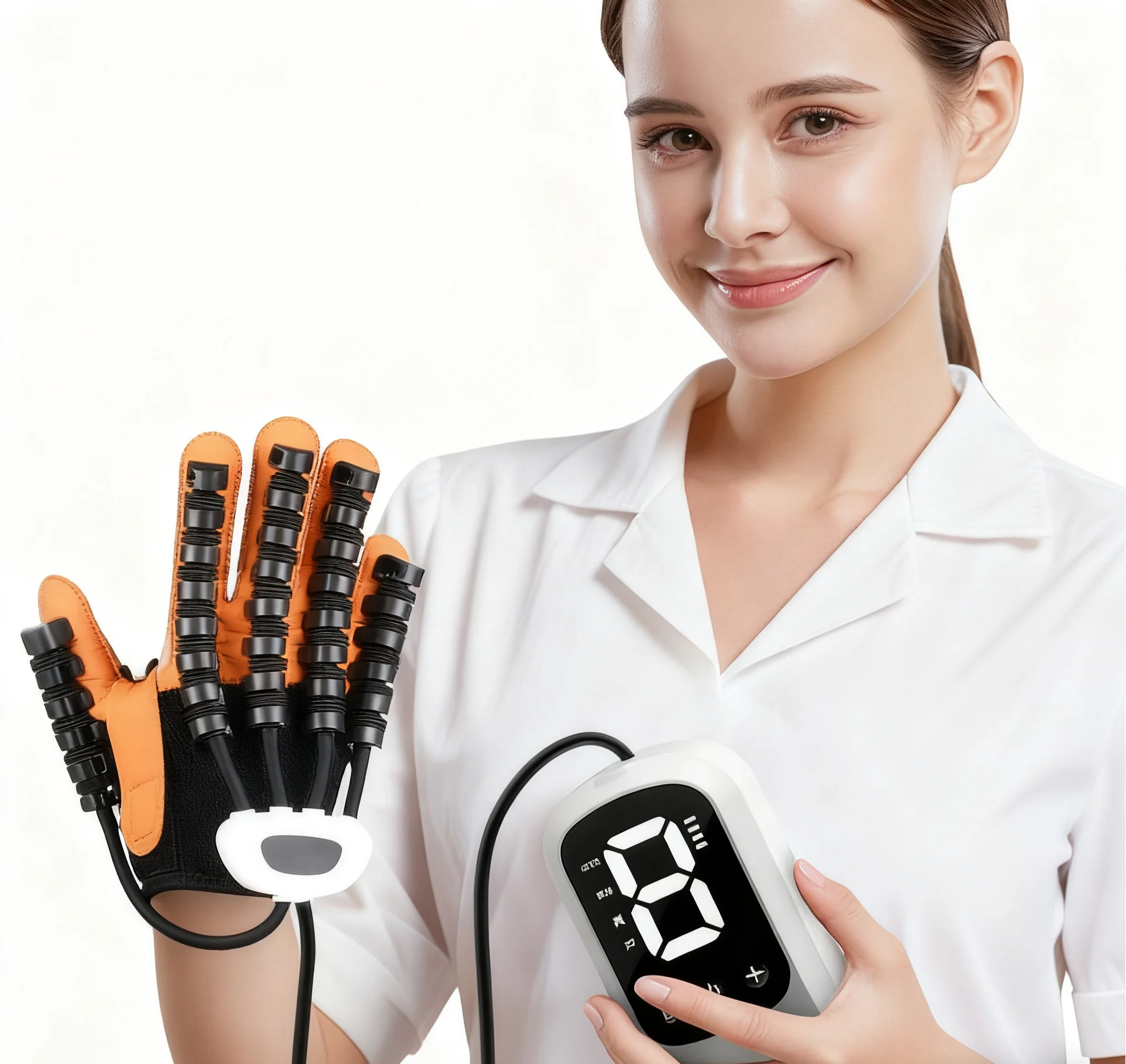
The therapeutic approach of hand rehab gloves addresses multiple aspects of hand function simultaneously, including muscle strength, joint mobility, coordination, and sensory feedback. These devices utilize various mechanisms such as pneumatic pressure, electrical stimulation, and robotic assistance to provide controlled and measurable rehabilitation exercises. The integration of smart technology allows for personalized treatment protocols that adapt to individual patient needs and progress levels, making hand rehabilitation more effective and engaging than conventional methods.
Understanding Hand Muscle Anatomy and Rehabilitation Needs
Complex Hand Muscle Structure
The human hand contains an intricate network of muscles, tendons, and ligaments that work together to enable precise movements and grip strength. There are approximately 34 muscles that control hand and finger movements, including intrinsic muscles located within the hand and extrinsic muscles in the forearm. The intrinsic muscles, such as the lumbricals, interossei, and thenar muscles, are responsible for fine motor control and finger positioning. When these muscles become weakened due to injury, neurological conditions, or prolonged immobilization, specialized rehabilitation interventions become necessary to restore optimal function.
Common Conditions Requiring Hand Rehabilitation
Various medical conditions can compromise hand muscle strength and functionality, necessitating the use of hand rehab gloves for recovery. Stroke patients often experience hemiplegia or hemiparesis, resulting in significant hand weakness and loss of fine motor control. Individuals with spinal cord injuries may have varying degrees of hand impairment depending on the level and completeness of their injury. Arthritis sufferers frequently develop joint stiffness and muscle weakness that affects their ability to perform daily activities. Additionally, patients recovering from hand surgeries, fractures, or tendon repairs require structured rehabilitation programs to regain strength and mobility.
Rehabilitation Challenges and Goals
Traditional hand rehabilitation faces several challenges, including limited therapist availability, inconsistent patient compliance, and difficulty maintaining motivation throughout the recovery process. Rehabilitation goals typically include increasing muscle strength, improving range of motion, enhancing coordination and dexterity, reducing pain and swelling, and restoring functional independence. Hand rehab gloves address these challenges by providing consistent, measurable therapy that can be performed both in clinical settings and at home, ensuring continuous progress toward recovery objectives.
Technological Mechanisms in Hand Rehab Gloves
Pneumatic Pressure Systems
Advanced hand rehab gloves employ pneumatic pressure systems that apply controlled compression and expansion cycles to the fingers and hand. These systems work by inflating and deflating air chambers within the glove structure, creating passive range of motion exercises that help maintain joint flexibility and prevent contractures. The pneumatic pressure also provides sensory stimulation that can help reactivate neural pathways and improve proprioceptive awareness. This mechanism is particularly beneficial for patients with limited voluntary movement, as it ensures that joints and muscles receive necessary stimulation even when active participation is minimal.
Electrical Stimulation Integration
Many sophisticated hand rehab gloves incorporate functional electrical stimulation (FES) technology to activate weakened muscles directly through controlled electrical impulses. This stimulation mimics natural nerve signals, causing muscle contractions that help maintain muscle mass and strength during the recovery process. The electrical stimulation can be programmed to target specific muscle groups and adjust intensity levels based on individual tolerance and therapeutic goals. Research has shown that combining electrical stimulation with voluntary movement attempts can enhance neuroplasticity and accelerate recovery in stroke patients and individuals with other neurological conditions.
Robotic Assistance and Feedback
State-of-the-art hand rehab gloves feature robotic assistance mechanisms that provide external forces to guide and support hand movements during exercises. These systems can detect user intent through various sensors and provide appropriate assistance or resistance to optimize the therapeutic effect. Real-time feedback systems monitor performance metrics such as range of motion, grip strength, and movement speed, providing both patients and therapists with objective data to track progress and adjust treatment protocols accordingly.
Muscle Strengthening Mechanisms and Benefits
Progressive Resistance Training
Hand rehab gloves facilitate progressive resistance training by gradually increasing the difficulty of exercises as muscle strength improves. This approach follows established rehabilitation principles that emphasize gradual loading to stimulate muscle adaptation and growth. The controlled resistance provided by these devices ensures that muscles are challenged appropriately without risking re-injury or overexertion. The progressive nature of the training helps rebuild muscle strength systematically, starting from basic movements and advancing to complex functional tasks as recovery progresses.
Targeted Muscle Group Activation
Different types of Hand Rehab Gloves are designed to target specific muscle groups based on individual rehabilitation needs. Some devices focus on strengthening grip muscles, while others emphasize finger extension and flexion capabilities. The ability to isolate and strengthen particular muscle groups allows for more precise rehabilitation targeting areas of greatest weakness or dysfunction. This targeted approach maximizes therapeutic efficiency and helps patients regain specific functional abilities more effectively than generalized exercise programs.
Functional Movement Integration
Modern hand rehab gloves emphasize functional movement patterns that translate directly to daily living activities. Rather than simply strengthening isolated muscles, these devices promote coordinated movement patterns that are essential for tasks such as grasping objects, writing, typing, and manipulating tools. This functional approach ensures that strength gains achieved during rehabilitation sessions contribute meaningfully to improved independence and quality of life.
Clinical Applications and Treatment Protocols
Stroke Rehabilitation Programs
Hand rehab gloves have become invaluable tools in stroke rehabilitation programs, where hand impairment significantly impacts patient outcomes and quality of life. Clinical protocols typically involve structured sessions using these devices to promote neuroplasticity and motor relearning. The combination of sensory stimulation, motor activation, and repetitive practice provided by hand rehab gloves creates an optimal environment for neural recovery. Treatment sessions are usually scheduled multiple times per week, with session duration and intensity adjusted based on patient tolerance and progress levels.
Spinal Cord Injury Applications
Individuals with spinal cord injuries benefit significantly from hand rehab gloves, particularly those with incomplete injuries or lower cervical lesions who retain some hand function. The devices help maintain muscle mass and joint mobility while working to enhance whatever voluntary control remains. For patients with complete injuries, hand rehab gloves provide important passive exercise benefits that prevent complications such as contractures and muscle atrophy. The technology can be adapted to work with residual function, maximizing independence and functional capacity.
Arthritis and Degenerative Conditions
Patients with arthritis and other degenerative conditions use hand rehab gloves to maintain joint flexibility and muscle strength while managing pain and inflammation. The gentle, controlled movements provided by these devices help preserve joint range of motion without causing excessive stress or discomfort. Regular use can slow the progression of joint stiffness and maintain functional abilities for longer periods, improving overall quality of life for individuals with chronic conditions.
Evidence-Based Outcomes and Research
Clinical Trial Results
Numerous clinical studies have demonstrated the effectiveness of hand rehab gloves in improving various aspects of hand function. Research has shown significant improvements in grip strength, pinch strength, and range of motion among patients using these devices compared to traditional therapy alone. Studies involving stroke patients have reported enhanced motor recovery and improved functional independence scores. The quantitative nature of the therapy provided by hand rehab gloves allows for precise measurement of progress and outcomes, contributing to evidence-based treatment protocols.
Long-term Recovery Benefits
Long-term follow-up studies indicate that patients who incorporate hand rehab gloves into their rehabilitation programs maintain functional gains more effectively than those receiving conventional therapy alone. The ability to continue therapy at home using these devices contributes to sustained improvement and prevents regression. Research suggests that the neuroplasticity benefits achieved through consistent use of hand rehab gloves can lead to lasting improvements in motor function and daily living capabilities.
Quality of Life Improvements
Beyond measurable physical improvements, studies have documented significant quality of life enhancements among users of hand rehab gloves. Patients report increased confidence in performing daily activities, reduced dependence on caregivers, and improved psychological well-being. The ability to actively participate in recovery through use of these devices contributes to a sense of empowerment and control over the rehabilitation process.
Implementation and Patient Considerations
Assessment and Customization
Successful implementation of hand rehab gloves requires thorough assessment of individual patient needs, capabilities, and goals. Healthcare providers must evaluate baseline hand function, cognitive status, and motivation levels to determine appropriate device selection and treatment protocols. Customization options allow for adjustment of pressure levels, stimulation parameters, and exercise complexity to match patient-specific requirements. Regular reassessment ensures that treatment protocols evolve with patient progress and changing needs.
Training and Education
Proper training and education are essential components of successful hand rehab gloves implementation. Patients and caregivers must understand device operation, safety precautions, and treatment protocols to maximize therapeutic benefits. Healthcare providers should offer comprehensive training sessions and ongoing support to ensure correct usage and optimal outcomes. Educational materials and demonstration sessions help build confidence and compliance with prescribed treatment regimens.
Safety and Monitoring
Safety considerations are paramount when using hand rehab gloves, particularly for patients with sensory impairments or cognitive limitations. Regular monitoring of skin condition, circulation, and patient comfort levels helps prevent complications. Healthcare providers must establish clear guidelines for device usage, including session duration, frequency, and intensity parameters. Emergency procedures and contraindication awareness ensure safe implementation of therapy programs.
FAQ
How long should patients use hand rehab gloves during each therapy session?
Therapy session duration typically ranges from 20 to 60 minutes, depending on individual patient tolerance, condition severity, and treatment goals. Most patients begin with shorter sessions of 15-20 minutes and gradually increase duration as tolerance improves. Healthcare providers should establish personalized protocols based on patient assessment and monitor for signs of fatigue or discomfort that may indicate the need for session modification.
Are hand rehab gloves suitable for all types of hand impairments?
While hand rehab gloves are beneficial for many conditions, they may not be appropriate for all patients. Individuals with severe contractures, open wounds, active infections, or certain skin conditions may require alternative treatment approaches. Patients with severe cognitive impairments or inability to follow safety instructions may also need modified protocols or direct supervision during use. Healthcare providers should conduct thorough assessments to determine suitability and safety for each individual patient.
Can hand rehab gloves replace traditional physical therapy?
Hand rehab gloves are designed to complement, not replace, traditional physical therapy interventions. They provide valuable adjunctive benefits including consistent home exercise capabilities, objective progress monitoring, and enhanced patient engagement. The combination of professional therapy guidance with hand rehab gloves technology typically produces superior outcomes compared to either approach used in isolation. Integrated treatment plans that incorporate both traditional and technological approaches maximize rehabilitation potential.
What maintenance and care do hand rehab gloves require?
Proper maintenance of hand rehab gloves includes regular cleaning according to manufacturer instructions, routine inspection for wear or damage, and adherence to recommended calibration schedules. Most devices require periodic software updates and sensor calibration to maintain accuracy and effectiveness. Patients should be trained in basic maintenance procedures and know when to contact healthcare providers or technical support for more complex issues. Regular maintenance ensures device longevity and optimal therapeutic performance.