
 EN
EN


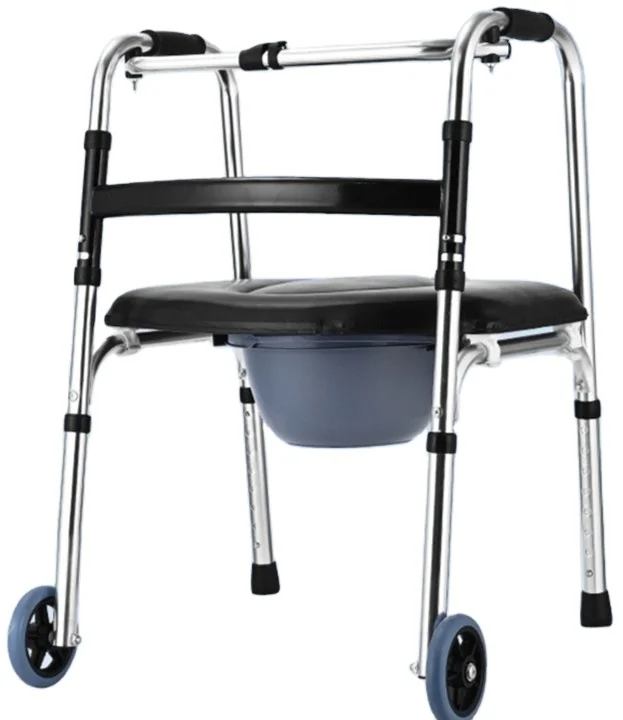
As we age, maintaining balance and stability becomes increasingly challenging due to various physiological changes that affect our mobility. A senior walker serves as an essential mobility aid that can significantly enhance the quality of life for older adults by providing the support needed to move confidently and safely. These specialized mobility devices are designed specifically to address the unique needs of seniors who may experience decreased muscle strength, joint stiffness, or balance issues that make walking independently more difficult.
The importance of mobility aids cannot be overstated when considering the overall health and wellbeing of aging individuals. A senior walker provides more than just physical support; it offers psychological benefits by restoring confidence and independence. When seniors feel secure in their ability to move around safely, they are more likely to remain active, which is crucial for maintaining physical health, mental wellbeing, and social connections. The right mobility device can make the difference between remaining homebound and continuing to engage with the community.
Understanding the Biomechanics of Balance in Seniors
Age-Related Changes Affecting Stability
The human body undergoes significant changes as we age that directly impact our ability to maintain balance and stability. Muscle mass naturally decreases by approximately three to eight percent per decade after age 30, with the rate accelerating after age 60. This loss of muscle strength, particularly in the core and leg muscles, reduces our ability to make quick adjustments to maintain balance when walking or standing. Additionally, joint flexibility decreases, making it more challenging to respond to unexpected changes in terrain or sudden movements.
Vision changes also play a crucial role in balance difficulties experienced by seniors. Age-related conditions such as cataracts, macular degeneration, and reduced depth perception can make it harder to navigate obstacles and judge distances accurately. The vestibular system in the inner ear, which helps control balance, may also become less efficient with age. These combined factors create a perfect storm that increases fall risk and makes mobility aids like a senior walker essential for safe movement.
The Role of Proprioception in Walking Stability
Proprioception, often called the sixth sense, is our body's ability to sense its position in space without looking. This critical function relies on sensory receptors in muscles, joints, and tendons that send information to the brain about body position and movement. As we age, proprioceptive function can decline, making it more difficult to maintain balance, especially when walking on uneven surfaces or in low-light conditions. A senior walker helps compensate for decreased proprioception by providing external stability and reference points.
When using a mobility aid, seniors can rely on tactile feedback through their hands and arms to supplement the information their body naturally provides about positioning and movement. This additional sensory input helps the brain make better decisions about balance and coordination. The wide base of support provided by a senior walker creates a larger stability zone, giving users more time to react to potential balance challenges and reducing the likelihood of falls.
Key Features That Enhance Balance Support
Stability Through Design Engineering
Modern senior walker designs incorporate sophisticated engineering principles to maximize stability and user safety. The frame geometry is carefully calculated to provide optimal weight distribution while maintaining a low center of gravity. Most quality models feature a wider stance at the base compared to the top, creating a triangular stability pattern that naturally resists tipping. The height adjustment mechanisms allow proper positioning to ensure users maintain good posture while walking, which is essential for effective balance control.
Wheel configuration plays a crucial role in stability enhancement. Four-wheel models typically offer better maneuverability and continuous support, while two-wheel designs provide more control when navigating slopes or uneven terrain. Many senior walker models include locking mechanisms on the wheels, allowing users to secure the device when standing or sitting, preventing unwanted movement that could compromise balance. The brake systems are designed to be easily accessible and operated with minimal hand strength, ensuring users can stop safely when needed.
Ergonomic Handle Design for Better Control
The handles of a senior walker are engineered to provide maximum comfort and control while reducing strain on the hands, wrists, and shoulders. Ergonomic grips are contoured to fit the natural shape of the hand, distributing pressure evenly across the palm and fingers. This design reduces fatigue during extended use and helps maintain a secure grip, which is essential for stability and balance control. Many models feature padded handles with textured surfaces that provide better grip even when hands are damp or when grip strength is compromised.
Handle height adjustment is another critical feature that directly impacts balance and stability. Properly positioned handles should allow users to stand upright with a slight bend in the elbows, promoting good posture and reducing the tendency to lean forward or hunch over. This proper positioning helps maintain the body's natural center of gravity over the base of support, making it easier to maintain balance while walking. Some advanced models include handles that can be adjusted independently, accommodating users who may have different arm lengths or shoulder heights.
Mobility Benefits Beyond Basic Walking Support
Enhanced Confidence and Independence
One of the most significant benefits of using a senior walker extends beyond the physical support it provides to encompass the psychological impact on users. When seniors feel secure in their mobility, they experience increased confidence in their ability to perform daily activities independently. This confidence boost often leads to greater willingness to engage in social activities, maintain household tasks, and continue participating in hobbies and interests that contribute to overall quality of life.
The sense of independence that comes with safe mobility cannot be underestimated in its importance to senior wellbeing. Many older adults fear losing their independence more than they fear pain or even death. A senior walker can be the tool that allows them to maintain their autonomy while staying safe. This independence extends to simple but meaningful activities like grocery shopping, visiting friends, attending religious services, or taking walks in the neighborhood. The ability to move confidently without constant assistance from others preserves dignity and self-esteem.
Cardiovascular and Muscular Health Maintenance
Regular movement facilitated by a senior walker contributes significantly to cardiovascular health maintenance in older adults. Walking is one of the most accessible and beneficial forms of exercise for seniors, helping to improve heart health, circulation, and stamina. When mobility aids make walking safer and more comfortable, seniors are more likely to maintain regular physical activity levels, which is crucial for preventing cardiovascular decline and managing conditions such as diabetes, high blood pressure, and obesity.
The muscle-strengthening benefits of continued mobility with a senior walker help slow the progression of age-related muscle loss. Weight-bearing activity, even with assistance from mobility aids, helps maintain bone density and muscle strength in the legs, core, and upper body. The act of controlling and maneuvering a senior walker itself provides gentle resistance exercise that can help maintain functional strength. This ongoing physical activity is essential for preventing the rapid decline in physical function that often occurs when seniors become sedentary due to mobility fears.
Choosing the Right Walker for Individual Needs
Assessment of Mobility Requirements
Selecting the appropriate senior walker requires careful assessment of individual mobility needs, physical capabilities, and lifestyle requirements. The evaluation should begin with a thorough understanding of the user's current balance issues, strength limitations, and specific activities they wish to continue performing. Factors such as living environment, frequency of use, and transportation needs all play crucial roles in determining the most suitable model. A senior walker that works well indoors may not be the best choice for someone who needs to navigate outdoor terrain regularly.
Professional assessment by occupational therapists or physical therapists can provide valuable insights into the most appropriate walker features for individual users. These healthcare professionals can evaluate gait patterns, balance deficits, and strength limitations to recommend specific features such as wheel configuration, brake types, and stability enhancements. They can also provide training on proper use techniques to maximize the safety and effectiveness of the chosen senior walker model.
Material Considerations and Durability Factors
The construction materials of a senior walker significantly impact its durability, weight, and overall performance. Aluminum alloy frames offer an excellent balance of strength and lightweight properties, making them easier to maneuver while maintaining structural integrity. Steel frames provide maximum durability but may be heavier, which could be challenging for users with limited upper body strength. The choice of materials should align with the user's physical capabilities and intended use patterns.
Quality components such as reliable wheel bearings, durable brake mechanisms, and robust locking systems are essential for long-term performance and safety. A senior walker is a significant investment in mobility and independence, so selecting a model with proven durability and reliable performance is crucial. Consider factors such as weight capacity, warranty coverage, and availability of replacement parts when making the selection. Regular maintenance and proper care can significantly extend the lifespan of these mobility aids, making them a valuable long-term investment in health and independence.
Safety Features and Fall Prevention Technology
Advanced Braking Systems for Enhanced Control
Modern senior walker designs incorporate sophisticated braking systems that go beyond simple wheel locks to provide comprehensive fall prevention capabilities. Loop-style hand brakes allow users to slow down gradually when descending slopes or navigating crowded areas, providing better control than traditional walker designs. These brakes can typically be engaged with light pressure, making them accessible for users with arthritis or reduced hand strength. The ability to control walking speed is crucial for maintaining balance, especially when moving from different surfaces or navigating obstacles.
Automatic braking features found in some advanced models engage when the user applies downward pressure on the handles, providing immediate stability when needed. This technology is particularly beneficial for seniors who may experience sudden weakness or dizziness episodes. The brakes automatically release when the user lifts up on the handles, allowing for smooth continuation of movement. These intelligent braking systems represent a significant advancement in senior walker safety technology, providing peace of mind for both users and their families.
Stability Enhancement Through Weight Distribution
The engineering of weight distribution in a senior walker is crucial for preventing tip-overs and maintaining stability during use. Quality models feature a low center of gravity design that makes them inherently more stable, even when users need to lean on them for support. The base width is carefully calculated to provide maximum stability without making the walker too wide to navigate through standard doorways and tight spaces. This balance between stability and maneuverability is essential for practical daily use.
Some senior walker models include additional stability features such as wider wheel bases, anti-tip mechanisms, and reinforced frame joints that provide extra security during use. These features are particularly important for users who have experienced falls in the past or who have significant balance impairments. The psychological benefit of feeling secure while walking cannot be overstated, as fear of falling often leads to reduced activity levels and further physical decline. A stable, well-designed senior walker helps break this cycle by restoring confidence in safe mobility.
Integration with Daily Living Activities
Household Mobility and Task Performance
A well-designed senior walker integrates seamlessly into daily household activities, enabling users to maintain their independence in familiar environments. The ability to move safely between rooms allows seniors to continue performing essential daily tasks such as meal preparation, housekeeping, and personal care activities. Many models include storage compartments or trays that allow users to carry items while walking, reducing the need for multiple trips and minimizing fatigue. This practical functionality is essential for maintaining the ability to live independently.
Kitchen activities, in particular, benefit significantly from the support provided by a senior walker. The ability to move safely around the kitchen while preparing meals helps seniors maintain nutritional independence, which is crucial for overall health. The stability provided by the walker allows users to focus on cooking tasks without constantly worrying about balance or falling. Some specialized models even include features specifically designed for kitchen use, such as adjustable-height trays for food preparation or specialized attachments for carrying dishes safely.
Social Engagement and Community Participation
The mobility provided by a senior walker opens doors to continued social engagement and community participation, which are essential components of healthy aging. When seniors can move confidently and safely, they are more likely to attend social gatherings, visit friends and family, and participate in community activities. This social connection has profound impacts on mental health, cognitive function, and overall life satisfaction. The senior walker becomes a tool for maintaining these vital social connections rather than a symbol of limitation.
Community navigation with a senior walker requires consideration of various environmental factors such as sidewalk conditions, curb cuts, and building accessibility. Modern walker designs take these challenges into account with features such as larger wheels for better obstacle navigation, lightweight construction for easier transportation, and foldable designs for convenient storage in vehicles. The ability to maintain community engagement through safe mobility is one of the most valuable benefits these devices provide to senior users.
FAQ
How do I know if I need a senior walker versus other mobility aids
The decision to use a senior walker typically depends on your specific balance and stability needs. If you experience frequent unsteadiness while walking, have difficulty maintaining balance on uneven surfaces, or feel anxious about falling when moving around, a walker may provide the right level of support. Unlike canes which provide minimal stability or wheelchairs which eliminate walking entirely, a senior walker offers substantial support while still encouraging active mobility and weight-bearing exercise. Consult with your healthcare provider or a physical therapist for a professional assessment of your mobility needs to determine if a walker is the most appropriate choice for your situation.
What is the proper height adjustment for a senior walker
Proper height adjustment is crucial for safe and effective use of a senior walker. When standing upright inside the walker with your arms at your sides, the handles should be positioned at wrist level, allowing for a slight bend in your elbows when gripping the handles. This positioning promotes good posture and prevents excessive leaning or hunching over the walker. If the walker is too high, you may experience shoulder and back strain; if too low, you may lean forward excessively, compromising your balance and increasing fall risk. Most quality walkers offer multiple height adjustment settings to accommodate different user heights and preferences.
Can a senior walker be used both indoors and outdoors safely
Most modern senior walker models are designed for both indoor and outdoor use, though some features may be more suitable for specific environments. For indoor use, smaller wheels and compact designs work well on smooth flooring, while outdoor use benefits from larger wheels that can navigate sidewalk cracks, curbs, and varied terrain more effectively. Consider your primary usage locations when selecting a walker, and look for models with appropriate wheel sizes and materials for your intended environment. Some users find it beneficial to have different walkers optimized for indoor versus outdoor use, while others prefer versatile models that perform adequately in both settings.
How often should I replace my senior walker
The lifespan of a senior walker depends on usage frequency, build quality, and maintenance practices, but most well-maintained walkers can provide several years of reliable service. Signs that replacement may be needed include worn wheels that don't roll smoothly, loose or damaged frame joints, brake systems that don't function properly, or handle grips that have deteriorated. Regular inspection and maintenance can extend the life of your walker significantly. If your mobility needs have changed substantially since your original walker purchase, it may also be time to consider a different model that better meets your current requirements, even if your current walker is still functional.
