
 EN
EN


Mobility challenges are a common concern for older adults, with millions of seniors worldwide experiencing difficulties with balance, stability, and independent movement. A Senior Walker serves as an essential mobility aid that can significantly improve quality of life, safety, and independence for elderly individuals. These assistive devices provide the support and confidence needed to maintain an active lifestyle while reducing the risk of falls and injuries. Understanding the comprehensive benefits of using a Senior Walker can help individuals and their families make informed decisions about mobility solutions that promote long-term health and well-being.
Enhanced Stability and Balance Support
Four-Point Contact System
The fundamental advantage of a Senior Walker lies in its four-point contact system, which provides unparalleled stability compared to single-point walking aids like canes. This design distributes weight evenly across four contact points with the ground, creating a stable base of support that significantly reduces the risk of falls. The wide base of the walker ensures that users maintain proper balance even when navigating uneven surfaces or transitioning between different terrains. This stability feature is particularly beneficial for seniors who experience weakness in their lower extremities or have conditions that affect their proprioception and spatial awareness.
The structural integrity of a Senior Walker allows users to lean forward safely without losing balance, which is especially important during activities such as reaching for objects or navigating stairs. The frame design accommodates natural walking patterns while providing continuous support throughout each step. This enhanced stability enables seniors to move with greater confidence, knowing they have reliable support that adapts to their movement patterns and provides consistent balance assistance.
Adjustable Height Customization
Modern Senior Walker designs incorporate adjustable height features that ensure proper ergonomic positioning for users of varying statures. This customization capability allows the walker to be precisely fitted to the individual's height, promoting optimal posture and reducing strain on the back, shoulders, and arms. Proper height adjustment ensures that users can maintain a natural walking gait while receiving adequate support, preventing the development of compensatory movement patterns that could lead to additional musculoskeletal issues.
The ability to adjust walker height also accommodates changes in a user's condition over time, whether due to physical therapy progress, medical interventions, or natural changes in posture. This adaptability makes the Senior Walker a long-term investment in mobility, capable of evolving with the user's needs rather than requiring frequent replacements. Healthcare professionals can easily modify the walker's configuration to align with treatment goals and rehabilitation protocols.
Improved Independence and Daily Living
Autonomous Mobility Solutions
A Senior Walker dramatically enhances personal independence by enabling individuals to move freely without relying on constant assistance from caregivers or family members. This independence extends beyond basic locomotion to include the ability to perform essential daily activities such as grocery shopping, attending medical appointments, and participating in social gatherings. The psychological impact of maintained independence cannot be overstated, as it contributes significantly to mental health, self-esteem, and overall quality of life for elderly individuals.
The freedom provided by a Senior Walker allows users to maintain their established routines and continue engaging in meaningful activities that define their personal identity. This continuity of lifestyle is crucial for emotional well-being and helps prevent the social isolation that often accompanies mobility limitations. Users report feeling more confident in their ability to navigate their environment safely, leading to increased participation in community activities and social interactions.
Extended Range of Motion
The support provided by a Senior Walker enables users to extend their range of motion and travel distances that would otherwise be challenging or impossible. This expanded mobility range opens up opportunities for exercise, recreation, and social engagement that contribute to physical and mental health. Users can safely navigate longer distances, whether within their home environment or in community settings, without experiencing the fatigue or instability that might limit their activities.
The confidence gained from using a Senior Walker often encourages users to gradually increase their activity levels, leading to improvements in cardiovascular health, muscle strength, and overall physical conditioning. This positive feedback loop supports the maintenance of physical function and can slow the progression of age-related mobility decline. Healthcare providers often observe that Senior Walker users demonstrate better adherence to exercise recommendations and show more consistent progress in rehabilitation programs.
Safety Features and Fall Prevention
Robust Safety Mechanisms
Safety is paramount in Senior Walker design, with manufacturers incorporating multiple safety features to minimize the risk of accidents and injuries. These safety mechanisms include locking brakes on wheeled models, non-slip grips on handles, and rubber tips on the legs that provide superior traction on various surfaces. The frame construction typically utilizes lightweight yet durable materials such as aluminum alloy, which offers strength without adding unnecessary weight that could compromise user control.
Advanced Senior Walker models include additional safety features such as reflective strips for visibility in low-light conditions, ergonomic hand grips that reduce pressure points and improve comfort during extended use, and fold-up seats that allow users to rest when needed. These comprehensive safety features work together to create a mobility aid that not only supports movement but actively prevents accidents and injuries that could result in hospitalization or further mobility limitations.
Fall Risk Reduction Statistics
Research studies consistently demonstrate that proper use of a Senior Walker can reduce fall risk by up to 40% compared to unassisted walking in individuals with mobility impairments. This significant reduction in fall risk translates to fewer emergency room visits, reduced healthcare costs, and most importantly, maintained independence for longer periods. The statistical evidence supporting Senior Walker effectiveness has led to widespread recommendation by healthcare professionals and insurance coverage for qualified individuals.
The impact of fall prevention extends beyond physical safety to include psychological benefits, as users experience reduced anxiety about falling and increased confidence in their mobility. This psychological component is crucial for encouraging continued physical activity and social engagement, both of which are essential for healthy aging. Healthcare providers report that Senior Walker users demonstrate better compliance with mobility recommendations and show greater willingness to participate in physical therapy and exercise programs.
Health Benefits and Physical Conditioning
Cardiovascular Health Improvement
Regular use of a Senior Walker promotes cardiovascular health by encouraging consistent physical activity and movement throughout the day. The supported mobility provided by the walker enables users to engage in longer periods of walking exercise, which is one of the most effective forms of cardiovascular conditioning for older adults. This increased activity level helps maintain heart health, improves circulation, and supports overall cardiovascular function that might otherwise decline with sedentary behavior.
The ability to walk safely with a Senior Walker often motivates users to establish regular exercise routines that contribute to better cardiovascular outcomes. Healthcare providers frequently observe improvements in blood pressure, heart rate variability, and overall cardiovascular endurance in patients who consistently use mobility aids. The combination of increased activity and reduced fall anxiety creates an environment conducive to sustained cardiovascular health improvements.
Muscle Strength Maintenance
A Senior Walker enables users to maintain and even improve muscle strength in their lower extremities, core, and upper body through regular use and movement. The supportive framework allows individuals with varying levels of strength to engage in weight-bearing exercise, which is crucial for maintaining bone density and muscle mass. This strength maintenance is particularly important for preventing the rapid muscle atrophy that can occur with prolonged inactivity or bed rest.
The design of modern Senior Walker models encourages proper body mechanics and muscle engagement during use, providing a form of functional strength training that integrates seamlessly into daily activities. Physical therapists often incorporate Senior Walker training into rehabilitation programs specifically to promote muscle strength development while ensuring safety and stability. Users typically report improved overall strength and endurance after consistent use of their mobility aid.
Types and Features of Senior Walkers
Standard Frame Walkers
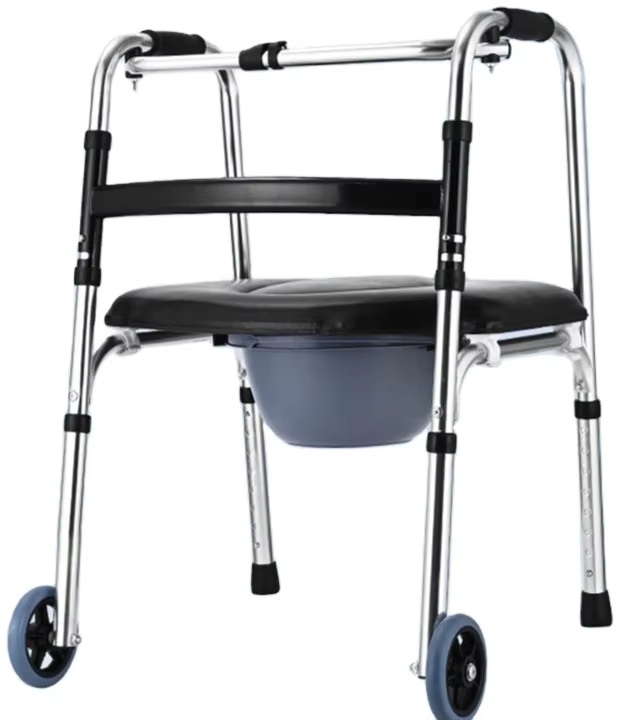
Standard frame Senior Walker models feature a basic four-legged design without wheels, providing maximum stability for users who require substantial support during ambulation. These walkers are ideal for individuals with significant balance impairments or those recovering from surgery or injury who need reliable, stationary support. The standard frame design allows users to lift and reposition the walker with each step, promoting upper body strength and coordination while maintaining safety.
The simplicity of standard frame Senior Walker models makes them easy to use and maintain, with fewer mechanical components that could require repair or replacement. These walkers are particularly suitable for indoor use where maneuverability around furniture and tight spaces is important. The lightweight construction of modern standard frames ensures that users can handle the walker easily while still receiving robust support for their mobility needs.
Wheeled Walker Options
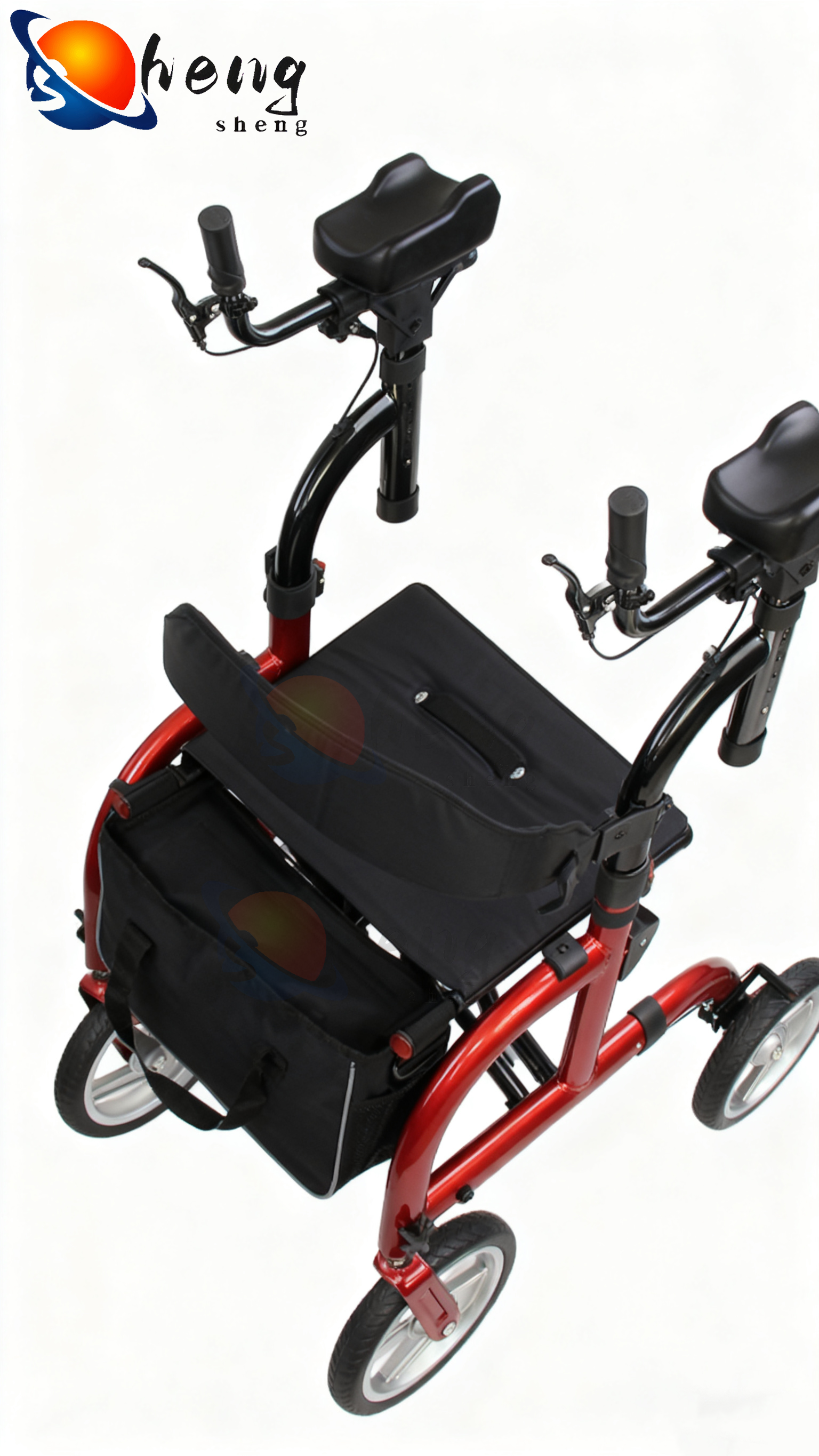
Wheeled Senior Walker models, also known as rollators, incorporate wheels on some or all legs to facilitate smoother movement and reduce the effort required for ambulation. Two-wheeled models maintain the stability of a standard frame while adding mobility assistance for users who can partially support their weight. Four-wheeled rollators provide the greatest ease of movement and often include additional features such as seats, storage compartments, and hand brakes.
The choice between different wheeled configurations depends on the user's specific mobility needs, strength levels, and intended use environments. Wheeled Senior Walker models are particularly beneficial for outdoor use and longer-distance travel, where the reduced physical effort required can extend the user's range and duration of activity. Many users find that wheeled walkers encourage increased mobility and participation in activities that would be too physically demanding with standard frame models.
Selection Criteria and Professional Guidance
Healthcare Provider Assessment
Selecting the appropriate Senior Walker requires careful assessment by qualified healthcare professionals who can evaluate the individual's specific mobility needs, physical capabilities, and environmental requirements. Physical therapists, occupational therapists, and physicians play crucial roles in determining the most suitable walker type and configuration. This professional guidance ensures that the chosen mobility aid will effectively support the user's goals while addressing their particular challenges and limitations.
The assessment process typically includes evaluation of balance, strength, coordination, cognitive function, and intended use patterns to recommend the most appropriate Senior Walker model. Healthcare providers also consider progression potential, as some users may benefit from starting with a more supportive model and transitioning to less restrictive options as their strength and confidence improve. This comprehensive evaluation approach maximizes the therapeutic benefit and user satisfaction with the mobility aid.
Environmental and Lifestyle Considerations
Choosing the right Senior Walker involves careful consideration of the user's living environment, lifestyle preferences, and typical activity patterns. Factors such as home layout, outdoor terrain, transportation needs, and storage requirements all influence the optimal walker selection. Indoor environments with narrow hallways or multiple levels may require different features than outdoor settings with varying terrain and weather conditions.
Lifestyle considerations include the user's activity level, social commitments, and long-term mobility goals, all of which affect the most suitable Senior Walker features and capabilities. Some users prioritize portability and ease of transport, while others focus on maximum stability and support. Understanding these individual preferences and requirements ensures that the selected mobility aid will be used consistently and effectively, maximizing its benefits for the user's quality of life and independence.
FAQ
How do I know if I need a Senior Walker
You may benefit from a Senior Walker if you experience balance problems, have fallen recently, feel unsteady when walking, or have been advised by a healthcare provider to use mobility assistance. Signs that indicate a need for a walker include difficulty walking long distances, fear of falling, weakness in your legs, or conditions such as arthritis, stroke recovery, or neurological disorders that affect mobility. It's important to consult with a healthcare professional who can assess your specific needs and recommend the most appropriate mobility aid for your situation.
What is the difference between a walker and a rollator
A traditional Senior Walker has four legs without wheels and must be lifted and repositioned with each step, providing maximum stability for users who need substantial support. A rollator is a type of wheeled walker that has wheels on all four legs, hand brakes, and often includes a seat and storage basket. Rollators allow for smoother, more continuous movement and require less upper body strength to operate, making them ideal for users who can bear weight but need support for balance and endurance during longer walks.
How should I properly adjust my Senior Walker height
To properly adjust your Senior Walker height, stand upright with your arms hanging naturally at your sides while wearing your usual walking shoes. The top of the walker handles should align with the crease of your wrists when your arms are at your sides. This positioning allows for a slight bend in your elbows when gripping the handles, promoting proper posture and reducing strain on your back and shoulders. If you're unsure about the correct height, consult with a physical therapist or healthcare provider who can ensure optimal adjustment for your body mechanics.
Can I use a Senior Walker if I have arthritis in my hands
Yes, many Senior Walker models are specifically designed to accommodate users with arthritis or other hand conditions. Look for walkers with ergonomic grips that reduce pressure on sensitive joints, padded handles that provide comfort during extended use, and easy-to-operate brake systems if you choose a wheeled model. Some walkers feature specialized grips designed to minimize strain on arthritic hands while still providing secure control. Occupational therapists can recommend specific models and accessories that will work best with your particular hand condition and grip strength.
