
 EN
EN


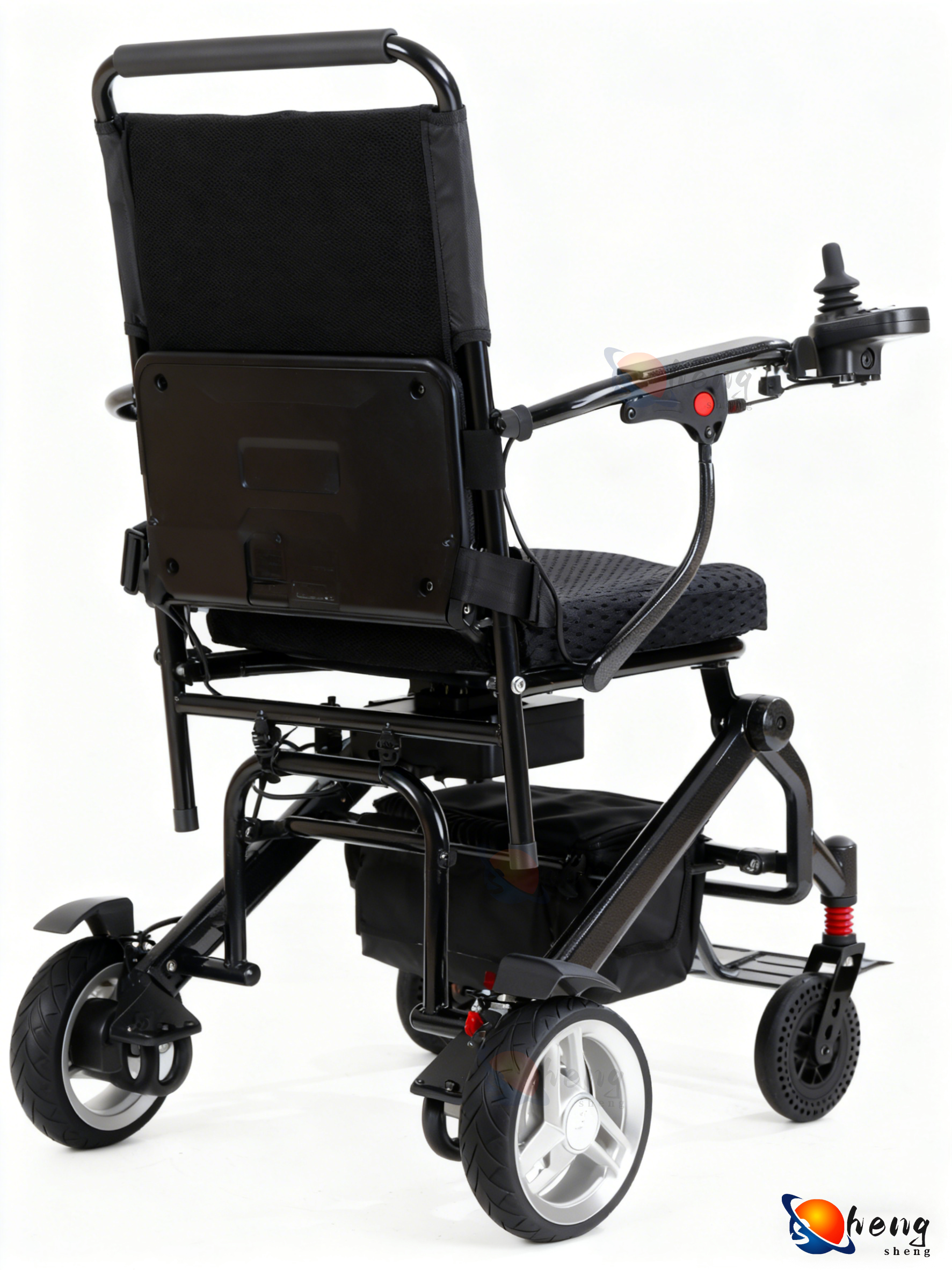
Mobility assistance devices have become increasingly essential for maintaining independence and quality of life among older adults. A senior walker serves as a crucial tool that enables individuals to navigate their daily routines with confidence and safety. The right mobility aid can transform how seniors approach their everyday activities, from simple household tasks to outdoor excursions. Understanding the key features that make a senior walker truly effective for daily use helps individuals and their families make informed decisions that enhance both mobility and overall well-being.
The evolution of walking aids has brought sophisticated engineering and thoughtful design to modern mobility solutions. Today's senior walker models incorporate advanced materials, ergonomic principles, and user-focused features that address the specific challenges faced by older adults. These improvements have made it possible for seniors to maintain their active lifestyles while ensuring adequate support and stability during movement.
Essential Stability and Support Features
Four-Wheel Configuration Benefits
The four-wheel design represents a significant advancement in senior walker technology, offering superior stability compared to traditional two-wheel models. This configuration distributes weight more evenly across the frame, reducing the risk of tipping and providing users with greater confidence during movement. The enhanced stability becomes particularly valuable when navigating uneven surfaces or making turns, as the four-point contact system maintains consistent ground contact.
Modern four-wheel senior walker models feature locking mechanisms that prevent unwanted rolling, allowing users to pause safely during their journey. The wheel arrangement also facilitates smoother transitions between different floor surfaces, from carpet to hardwood to outdoor pavement. This versatility makes the senior walker an ideal companion for both indoor and outdoor activities, adapting seamlessly to various environmental conditions.
Adjustable Height Mechanisms
Proper height adjustment stands as one of the most critical features for ensuring optimal senior walker performance and user comfort. The ability to customize the walker height to match individual user measurements prevents slouching, reduces strain on the back and shoulders, and promotes proper posture during use. Quality adjustment mechanisms typically offer multiple height settings within a reasonable range to accommodate users of different statures.
The adjustment process should be straightforward and secure, allowing family members or caregivers to easily modify the settings when necessary. Premium senior walker models often feature tool-free adjustment systems with clear markings and positive locking positions. This user-friendly approach ensures that height modifications can be made quickly and safely, adapting to changing needs or different users sharing the same device.
Comfort and Ergonomic Design Elements
Handle Grip Technology
The handle design significantly impacts user comfort and control during senior walker operation. Ergonomic grips reduce hand fatigue and provide secure contact points that accommodate various grip strengths and hand sizes. Modern handles often incorporate cushioning materials that absorb vibrations and prevent slipping, even when hands may be less steady or during extended use periods.
Advanced handle designs may feature contoured shapes that naturally align with hand positioning, reducing wrist strain and promoting comfortable grip angles. Some senior walker models include additional features such as integrated hand brakes or storage compartments built into the handle area. These thoughtful design elements demonstrate how manufacturers prioritize user experience and practical functionality in their product development.
Seating and Rest Options
Built-in seating transforms a senior walker from a simple mobility aid into a versatile rest station, providing users with the flexibility to pause and recover during longer journeys. The seat feature proves invaluable for seniors who may experience fatigue or need frequent breaks while maintaining their independence and mobility. Quality seating systems support appropriate weight limits while maintaining the structural integrity of the walker frame.

The seat design should offer adequate support and comfort for various body types, with appropriate padding and ergonomic contouring. Easy-to-clean materials and durable construction ensure that the seating feature remains hygienic and functional over extended use periods. Some models include additional features such as backrest support or storage compartments beneath the seat, further enhancing the practical value of this important feature.
Portability and Storage Considerations
Folding Mechanisms and Compact Design
The ability to fold and store a senior walker becomes crucial for transportation and storage in smaller living spaces. Modern folding mechanisms allow users to quickly collapse the walker into a more compact form factor suitable for car trunks, closets, or travel scenarios. The folding process should be intuitive and manageable for seniors with varying levels of strength and dexterity.
Quality folding systems maintain structural integrity when deployed while offering smooth, reliable operation through multiple fold and unfold cycles. The compact folded dimensions should allow for convenient storage without requiring excessive space or complex positioning. This portability feature enables seniors to maintain their mobility assistance across different locations and situations, from home use to travel and social activities.
Weight Distribution and Maneuverability
Lightweight construction using advanced materials such as aluminum alloys reduces the overall burden on users while maintaining necessary strength and durability. The weight distribution across the senior walker frame affects how easily users can lift, maneuver, and control the device during use. Proper engineering ensures that the walker remains stable without becoming cumbersome or difficult to handle.
Optimal weight distribution also impacts how the senior walker performs during turning maneuvers and navigation through doorways or confined spaces. The balance between lightweight design and structural stability requires careful engineering and material selection. Users benefit from walker models that feel substantial enough to provide confidence while remaining manageable for daily handling and transportation needs.
Safety Features and Reliability
Braking Systems and Speed Control
Effective braking systems provide essential safety control for senior walker users, particularly when navigating slopes or needing to stop quickly. Hand-operated brakes allow users to control their speed and stop securely when needed, while parking brakes enable safe stationary positioning. The brake mechanisms should operate smoothly and require minimal force to engage, accommodating users with reduced hand strength.
Quality braking systems undergo rigorous testing to ensure reliable performance across various conditions and extended use periods. The brake controls should be positioned for easy access without interfering with normal grip positioning or walking motion. Clear visual and tactile feedback helps users understand brake engagement status, contributing to overall safety and confidence during senior walker operation.
Durability and Construction Quality
The construction quality of a senior walker directly impacts its longevity, reliability, and user safety over time. Premium materials and manufacturing processes ensure that the walker can withstand daily use while maintaining its structural integrity and performance characteristics. Attention to detail in welding, finishing, and component assembly reflects the manufacturer's commitment to producing a dependable mobility aid.
Durability testing should encompass various stress conditions, including weight limits, repeated folding cycles, and environmental exposure. The senior walker should maintain its adjustment mechanisms, wheel performance, and overall stability throughout its intended service life. Quality construction also supports easier maintenance and repair when needed, extending the useful life of the mobility aid and providing better long-term value for users.
Additional Convenience Features
Storage Solutions and Accessories
Integrated storage options enhance the practical value of a senior walker by providing convenient carrying capacity for personal items, shopping purchases, or medical supplies. Storage solutions may include baskets, pouches, or compartments designed to secure items without affecting the walker's balance or maneuverability. These features enable seniors to maintain their independence during errands and daily activities.
The storage design should accommodate common items while maintaining easy access for users with varying levels of mobility and dexterity. Secure attachment methods prevent storage accessories from shifting or detaching during use, while removable options allow for easy cleaning or customization. Well-designed storage solutions contribute significantly to the overall utility and user satisfaction with their senior walker choice.
Surface Adaptability and Wheel Design
Wheel design plays a crucial role in how effectively a senior walker performs across different surfaces and environments. Larger wheels typically handle outdoor surfaces, curbs, and uneven terrain more effectively, while smaller wheels may offer better control for indoor use. The wheel material and tread pattern affect traction, noise levels, and rolling resistance during operation.
Quality wheel systems include appropriate bearings and mounting hardware to ensure smooth, quiet operation throughout the walker's service life. Some senior walker models feature swiveling front wheels combined with fixed rear wheels, optimizing both maneuverability and stability. The wheel configuration should match the intended use patterns, whether primarily indoor, outdoor, or mixed-environment applications.
FAQ
How do I determine the correct height setting for my senior walker
To find the proper height setting, stand upright wearing your normal shoes and let your arms hang naturally at your sides. The walker handles should align with your wrist crease when your arms are relaxed. This positioning allows for a slight bend in your elbows while maintaining good posture during use. Most senior walker models include adjustment instructions and height guides to help achieve optimal positioning for comfort and safety.
What weight capacity should I look for in a senior walker
Senior walker weight capacities typically range from 250 to 400 pounds, depending on the model and construction. Choose a walker with a weight capacity that exceeds your body weight by at least 50 pounds to ensure adequate safety margin and structural integrity. Higher capacity models often feature reinforced frames and components that provide additional durability and stability during use.
Can I use a senior walker outdoors on different surfaces
Most modern senior walker models are designed for both indoor and outdoor use, with wheels and construction suitable for various surfaces including sidewalks, grass, and gravel paths. Look for models with larger wheels and robust construction for better outdoor performance. However, always exercise caution on wet, icy, or extremely uneven surfaces, and consider the specific terrain you plan to navigate when selecting your walker.
How often should I maintain or inspect my senior walker
Regular inspection of your senior walker should occur weekly, checking wheel condition, brake function, height adjustment locks, and overall frame integrity. Clean the walker regularly and lubricate moving parts as recommended by the manufacturer. Professional servicing may be needed annually or if you notice any performance issues, unusual noises, or visible wear that could affect safety or functionality.
