
 EN
EN


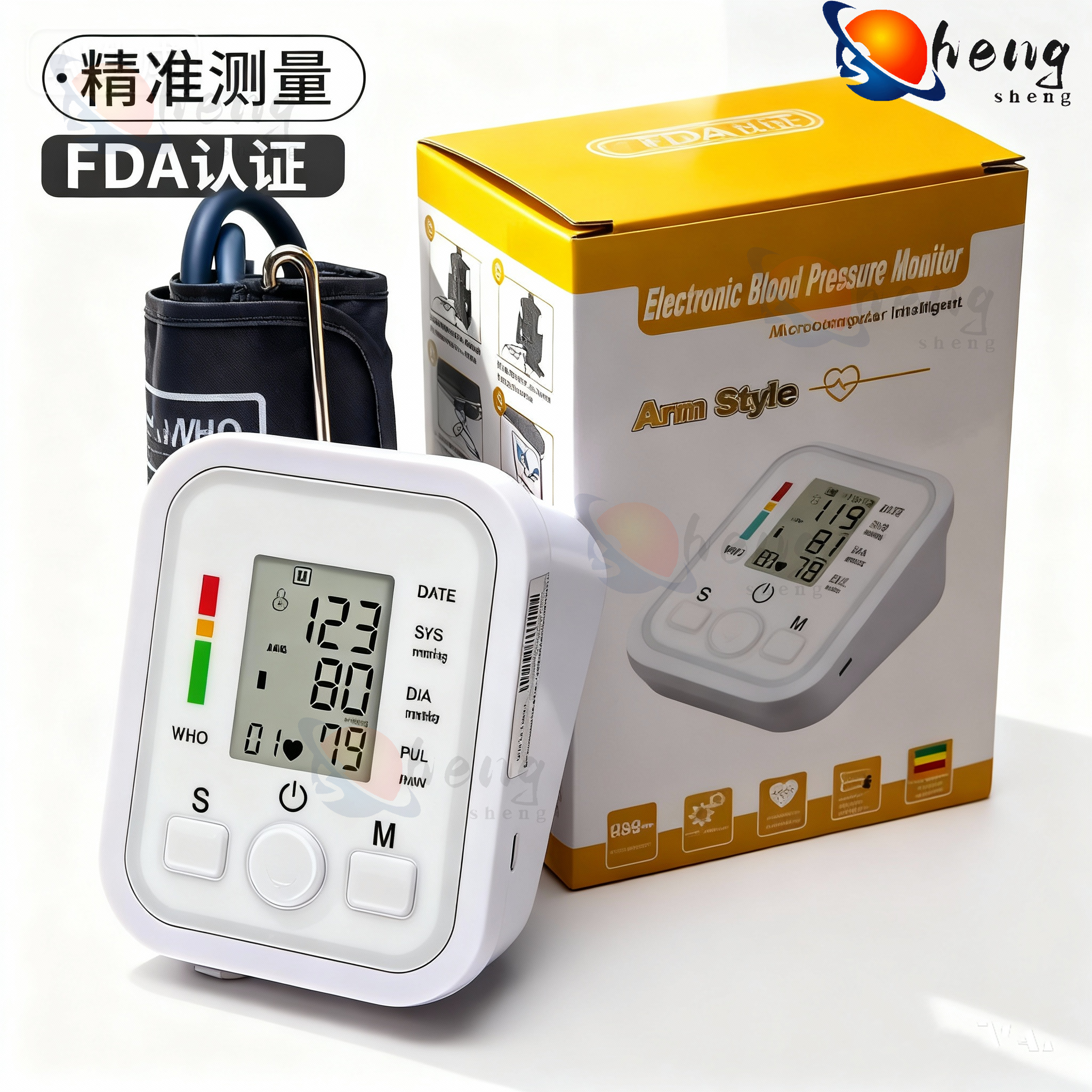
Maintaining optimal cardiovascular health requires consistent monitoring of vital signs, particularly blood pressure levels. Regular blood pressure monitoring has become an essential component of preventive healthcare, allowing individuals to detect early warning signs of hypertension and other cardiovascular conditions. A blood pressure monitor serves as a crucial tool that empowers people to take control of their health by providing accurate readings in the comfort of their own homes.
The significance of regular blood pressure monitoring extends far beyond simple health tracking. Healthcare professionals worldwide recommend consistent monitoring as a cornerstone of cardiovascular disease prevention. When individuals use a blood pressure monitor regularly, they create valuable health data that helps identify patterns and trends that might otherwise go unnoticed during occasional medical visits. This proactive approach to health management has proven instrumental in reducing the incidence of heart attacks, strokes, and other serious cardiovascular complications.
Understanding Blood Pressure and Its Impact on Health
The Science Behind Blood Pressure Readings
Blood pressure represents the force exerted by circulating blood against arterial walls as the heart pumps blood throughout the body. This vital measurement consists of two distinct values: systolic pressure, which occurs during heartbeats, and diastolic pressure, measured between heartbeats. A blood pressure monitor captures these measurements, displaying them as a ratio that healthcare providers use to assess cardiovascular health status. Understanding these numbers enables individuals to recognize when their readings fall within normal, elevated, or hypertensive ranges.
The interpretation of blood pressure readings requires knowledge of established medical guidelines. Normal blood pressure typically measures below 120/80 mmHg, while elevated readings range from 120-129 systolic with diastolic below 80. Stage 1 hypertension occurs when systolic pressure reaches 130-139 or diastolic measures 80-89 mmHg. Stage 2 hypertension presents more serious concerns, with systolic readings of 140 or higher, or diastolic measurements exceeding 90 mmHg. Regular monitoring with a reliable blood pressure monitor helps individuals track their progress and identify concerning trends before they develop into serious health issues.
Health Consequences of Uncontrolled Blood Pressure
Unmanaged hypertension poses significant risks to multiple organ systems throughout the body. The cardiovascular system bears the brunt of sustained high blood pressure, with arteries becoming damaged over time due to excessive force. This arterial damage increases the risk of heart disease, heart attacks, and heart failure. Additionally, the brain becomes vulnerable to stroke when blood vessels cannot withstand prolonged elevated pressure. Regular monitoring with a blood pressure monitor allows for early detection and intervention before these serious complications develop.
The kidneys also suffer considerable damage from uncontrolled hypertension, as these organs rely on healthy blood vessels to filter waste products effectively. Chronic kidney disease often develops silently in individuals with poorly managed blood pressure. Vision problems may also arise when high blood pressure affects the delicate blood vessels in the retina. These wide-ranging health consequences underscore the importance of consistent monitoring and demonstrate why every household should invest in a quality blood pressure monitor for regular health assessments.
Benefits of Home Blood Pressure Monitoring
Convenience and Accessibility
Home blood pressure monitoring offers unprecedented convenience compared to relying solely on clinical measurements. Individuals can check their blood pressure at any time of day, eliminating the need to schedule appointments or wait in medical offices. This accessibility proves particularly valuable for people with busy schedules, mobility limitations, or those living in remote areas with limited healthcare access. A personal blood pressure monitor transforms health monitoring from an occasional event into a routine practice that fits seamlessly into daily life.
The ability to monitor blood pressure in familiar surroundings often produces more accurate readings than clinical settings. Many people experience white coat hypertension, a phenomenon where blood pressure temporarily elevates due to anxiety or stress associated with medical environments. Home monitoring with a blood pressure monitor eliminates this variable, providing readings that better reflect true resting blood pressure levels. This accuracy enhancement leads to more appropriate treatment decisions and better overall health management.
Cost-Effectiveness and Long-term Value
Investing in a home blood pressure monitor delivers exceptional long-term value when compared to frequent medical visits for routine monitoring. The initial purchase price of a quality monitor typically equals just a few clinical blood pressure checks, yet the device provides years of reliable service. This cost-effectiveness becomes even more pronounced for individuals requiring frequent monitoring due to existing hypertension or cardiovascular risk factors. Insurance companies increasingly recognize this value proposition, with many plans now covering home monitoring devices.
The economic benefits extend beyond direct cost savings to include reduced healthcare expenses through early detection and prevention. When individuals use a blood pressure monitor consistently, they can identify concerning trends before they require emergency intervention or hospitalization. This preventive approach helps avoid costly medical procedures and treatments that might otherwise become necessary with unmanaged hypertension. The long-term financial benefits make home blood pressure monitoring an intelligent investment in both health and economic well-being.
Selecting the Right Blood Pressure Monitor
Types of Blood Pressure Monitors Available
The market offers several types of blood pressure monitors, each designed to meet different user needs and preferences. Automatic digital monitors represent the most popular choice for home use, featuring easy operation with single-button activation and clear digital displays. These devices inflate automatically and provide readings without requiring manual manipulation. Semi-automatic monitors require users to inflate the cuff manually but measure pressure digitally, offering a compromise between control and convenience.
Manual sphygmomanometers provide the highest level of accuracy but require training and skill to operate effectively. These traditional devices use a gauge and stethoscope to measure blood pressure, making them popular among healthcare professionals. Wrist-mounted monitors offer portability and ease of use but may produce less accurate readings due to positioning sensitivity. When selecting a Blood Pressure Monitor, consider personal comfort level with technology, accuracy requirements, and intended frequency of use.
Essential Features and Specifications
Quality blood pressure monitors incorporate several essential features that enhance accuracy and user experience. Cuff size compatibility represents a critical consideration, as improper cuff sizing can significantly affect reading accuracy. Most monitors include standard adult cuffs, but individuals with larger or smaller arms should verify compatibility or purchase appropriate cuff sizes separately. Memory storage capabilities allow users to track readings over time, with many modern monitors storing dozens or hundreds of previous measurements.
Advanced blood pressure monitors may include connectivity features that sync readings with smartphone apps or health tracking platforms. These digital integration capabilities enable users to share data with healthcare providers easily and maintain comprehensive health records. Validation by medical organizations such as the American Heart Association or British Hypertension Society provides assurance of accuracy and reliability. Battery life, display clarity, and ease of operation should also factor into the selection process to ensure consistent long-term use.
Establishing an Effective Monitoring Routine
Optimal Timing and Frequency
Developing an effective blood pressure monitoring routine requires careful consideration of timing and frequency. Healthcare professionals typically recommend checking blood pressure at the same times each day to establish consistent baseline readings. Morning measurements, taken shortly after awakening and before consuming food or beverages, often provide the most reliable data. Evening readings, measured before dinner and relaxation, offer additional insights into daily blood pressure patterns.
The frequency of monitoring depends on individual health status and risk factors. Individuals with diagnosed hypertension may need to check their blood pressure daily or multiple times per day initially, while those with normal readings might monitor weekly or monthly. A blood pressure monitor should be used consistently rather than sporadically to identify meaningful trends. Healthcare providers can offer personalized recommendations based on medical history, current medications, and cardiovascular risk assessment.
Proper Measurement Techniques
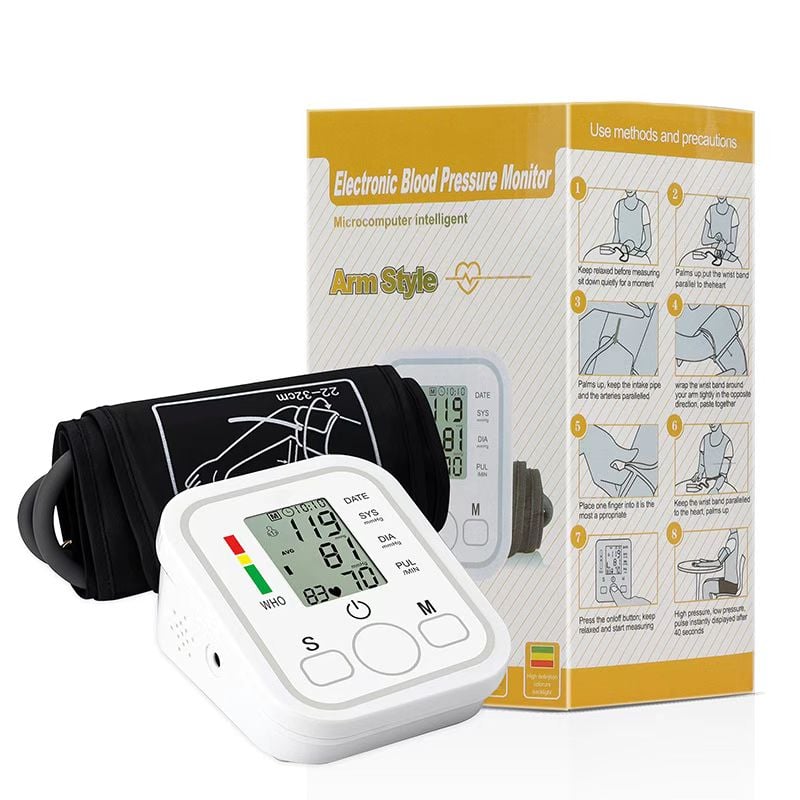
Accurate blood pressure measurement requires adherence to specific techniques that minimize variables affecting readings. Users should sit quietly for at least five minutes before taking measurements, allowing the body to reach a resting state. The arm should be positioned at heart level, supported by a table or armrest, with feet flat on the floor. Loose-fitting clothing prevents constriction around the upper arm, ensuring proper blood flow during measurement.
Cuff placement plays a crucial role in obtaining accurate readings with any blood pressure monitor. The cuff should be positioned approximately one inch above the elbow bend, wrapped snugly but not tightly around the upper arm. During measurement, users should remain still and quiet, avoiding talking or movement that might influence results. Taking multiple readings separated by one or two minutes provides more reliable data than single measurements, particularly when readings vary significantly.
Interpreting and Acting on Blood Pressure Data
Understanding Reading Variations
Blood pressure naturally fluctuates throughout the day in response to various factors including physical activity, stress levels, food consumption, and medication timing. A blood pressure monitor captures these variations, providing valuable insights into daily patterns and trends. Morning readings tend to be higher due to natural circadian rhythms and cortisol release, while evening measurements may reflect the cumulative effects of daily activities and stress.
External factors can significantly influence blood pressure readings, making it important to consider context when interpreting results. Caffeine consumption, recent exercise, emotional stress, and even temperature changes can affect measurements. Pain, illness, and medication changes also impact readings temporarily. Understanding these variables helps users distinguish between concerning trends and normal physiological responses, preventing unnecessary anxiety about temporary fluctuations captured by their blood pressure monitor.
When to Seek Medical Attention
Certain blood pressure readings warrant immediate medical attention, regardless of previous health status. Severely elevated readings exceeding 180 systolic or 120 diastolic require emergency medical care, particularly when accompanied by symptoms such as chest pain, shortness of breath, or severe headaches. Consistently elevated readings over several days, even without symptoms, should prompt consultation with healthcare providers for proper evaluation and treatment planning.
Regular communication with healthcare providers about blood pressure monitor readings enhances the value of home monitoring. Many physicians appreciate receiving organized data from patient monitoring, as this information provides insights into blood pressure patterns between office visits. Some medical practices offer remote monitoring programs where patients can share readings electronically, enabling more responsive care management. This collaborative approach maximizes the benefits of home monitoring while ensuring appropriate medical oversight.
Technology Integration and Modern Features
Digital Connectivity and Data Management
Modern blood pressure monitors increasingly incorporate digital connectivity features that enhance their utility for comprehensive health management. Bluetooth-enabled devices can automatically sync readings with smartphone applications, eliminating the need for manual data entry and reducing the risk of recording errors. These applications often provide graphical representations of blood pressure trends, making it easier to identify patterns and share information with healthcare providers.
Cloud-based data storage ensures that blood pressure readings remain accessible even if devices are lost or damaged. Many health platforms integrate blood pressure data with other vital signs and health metrics, creating comprehensive health profiles that support informed medical decision-making. Some advanced blood pressure monitors can even detect irregular heartbeats and other cardiac abnormalities, providing additional health insights beyond basic pressure measurements.
Smart Features for Enhanced User Experience
Contemporary blood pressure monitors incorporate intelligent features designed to improve accuracy and user experience. Automatic inflation systems adjust pressure levels based on individual characteristics, reducing discomfort while ensuring adequate pressure for accurate measurement. Smart averaging functions calculate mean readings from multiple measurements, providing more reliable data than single readings alone.
Voice guidance and large display screens accommodate users with visual or hearing limitations, making blood pressure monitoring accessible to a broader population. Some devices include medication reminders and appointment notifications, supporting comprehensive healthcare management beyond blood pressure monitoring. These technological enhancements transform a blood pressure monitor from a simple measurement device into a comprehensive health management tool that supports long-term cardiovascular wellness.
FAQ
How often should I use my blood pressure monitor?
The frequency of blood pressure monitoring depends on your health status and risk factors. Individuals with normal blood pressure can monitor weekly or monthly, while those with hypertension may need daily measurements. Your healthcare provider can recommend the optimal monitoring schedule based on your specific medical situation. Consistency in timing and technique is more important than frequency, so establish a routine that you can maintain long-term.
Can home blood pressure monitors be as accurate as clinical devices?
High-quality home blood pressure monitors can achieve accuracy comparable to clinical devices when used properly. Look for devices validated by medical organizations and ensure proper cuff sizing and measurement technique. Home monitors may actually provide more accurate readings by eliminating white coat hypertension that occurs in medical settings. Regular calibration and comparison with clinical readings help maintain accuracy over time.
What should I do if my blood pressure monitor shows concerning readings?
If your blood pressure monitor consistently shows elevated readings over several days, contact your healthcare provider for evaluation. Extremely high readings above 180/120 require immediate medical attention, especially with symptoms like chest pain or difficulty breathing. Take multiple readings to confirm concerning values, and maintain a record to share with your doctor. Never adjust medications based solely on home readings without medical consultation.
How do I maintain and care for my blood pressure monitor?
Proper maintenance ensures your blood pressure monitor provides accurate readings for years. Store the device in a clean, dry location away from extreme temperatures. Clean the cuff regularly according to manufacturer instructions, typically with mild soap and water. Replace batteries as needed and handle the device gently to prevent damage to sensitive internal components. Consider professional calibration annually to maintain accuracy standards.
