
 EN
EN


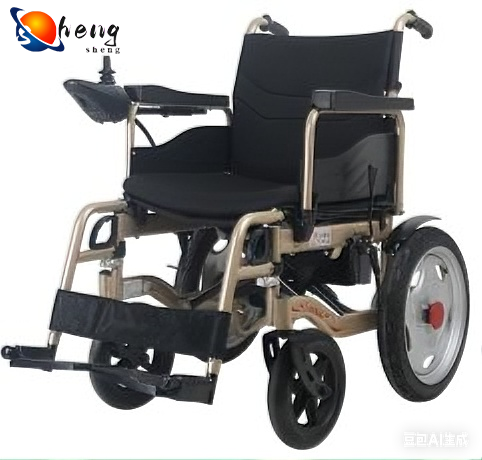
A wheelchair represents far more than a medical device—it is a gateway to personal autonomy and active participation in daily life. For individuals with limited mobility, wheelchair independence transforms how they navigate their environment, manage daily responsibilities, and engage with their community. Understanding how a wheelchair enhances independence helps families, caregivers, and individuals make informed decisions about mobility solutions that truly matter.
The relationship between wheelchair independence and quality of life extends across physical, emotional, and social dimensions. When people regain control over their movement and daily activities, they experience renewed confidence, reduced dependency on caregivers, and expanded opportunities for work, education, and social connection. Wheelchair independence is not merely about transportation—it is about reclaiming agency over one's own life.
Physical Freedom and Daily Activity Management
Restored Mobility Within the Home and Beyond
Wheelchair independence enables individuals to move freely throughout their homes, access different rooms, and manage household tasks with greater autonomy. Rather than waiting for assistance or feeling confined to a single space, users can independently navigate kitchens, bathrooms, bedrooms, and living areas. This physical freedom directly supports wheelchair independence by allowing people to perform self-care activities, prepare meals, and maintain personal hygiene on their own schedule. Beyond the home, wheelchair independence permits travel to shops, healthcare facilities, parks, and community venues without constant reliance on others for transportation or access support.
Reduced Physical Strain on Caregivers and Users
When individuals can self-propel or use motorized mobility solutions, the physical demands on caregivers decrease significantly. Wheelchair independence reduces injury risk for family members who might otherwise assist with manual transfers or support walking. This mutual benefit strengthens the relationship between users and caregivers, transforming interactions from task-focused assistance into genuine social engagement. Users also experience less frustration and fatigue, as wheelchair independence allows them to control their own pace and rest when needed rather than depending on someone else's availability or strength.
Psychological Empowerment and Emotional Well-Being
Regaining Sense of Control and Self-Determination
Wheelchair independence directly addresses the psychological impact of mobility loss. When individuals can make independent decisions about where to go, what to do, and how to spend their time, they retain agency over their own lives. This sense of control is fundamental to mental health and self-esteem. Wheelchair independence eliminates the need to request permission or assistance for routine activities, reducing feelings of helplessness or burden. Users report significantly higher life satisfaction when wheelchair independence allows them to pursue hobbies, interests, and personal goals without constantly depending on others' schedules or willingness to help.
Improved Mental Health and Reduced Social Isolation
Depression and anxiety are common among individuals with limited mobility, often stemming from social isolation and reduced participation in meaningful activities. Wheelchair independence combats these challenges by enabling users to attend social gatherings, maintain friendships, participate in community events, and engage in recreational activities. The ability to leave home independently, visit family and friends, or attend work or educational settings strengthens social connections and provides purpose. Wheelchair independence therefore serves as a powerful tool for mental health, reducing loneliness and fostering emotional resilience through active social engagement and community participation.
Social Integration and Expanded Life Opportunities
Employment and Educational Advancement
Wheelchair independence opens pathways to employment and educational opportunities that might otherwise remain inaccessible. Individuals can commute to workplaces, navigate office environments, and participate in professional settings when wheelchair independence enables reliable personal mobility. Students gain the ability to attend classes, access campus facilities, and engage in campus life independently. This expanded access to employment and education directly impacts economic security, career development, and personal achievement. Wheelchair independence thus becomes an investment in long-term quality of life and financial stability for both the individual and their family.
Community Participation and Active Living
Wheelchair independence facilitates participation in civic engagement, volunteer work, religious or spiritual activities, and recreational pursuits. Users can attend community events, support causes they care about, and contribute meaningfully to society. This active participation reinforces identity beyond disability, allowing individuals to define themselves by their interests, values, and accomplishments rather than mobility limitations. Wheelchair independence enables access to outdoor activities, cultural venues, and social spaces that enrich life experience and foster a sense of belonging within the broader community. By removing transportation barriers, wheelchair independence promotes genuine social integration rather than passive isolation.
Practical Considerations for Maximizing Wheelchair Independence
Choosing the Right Wheelchair Type for Personal Needs
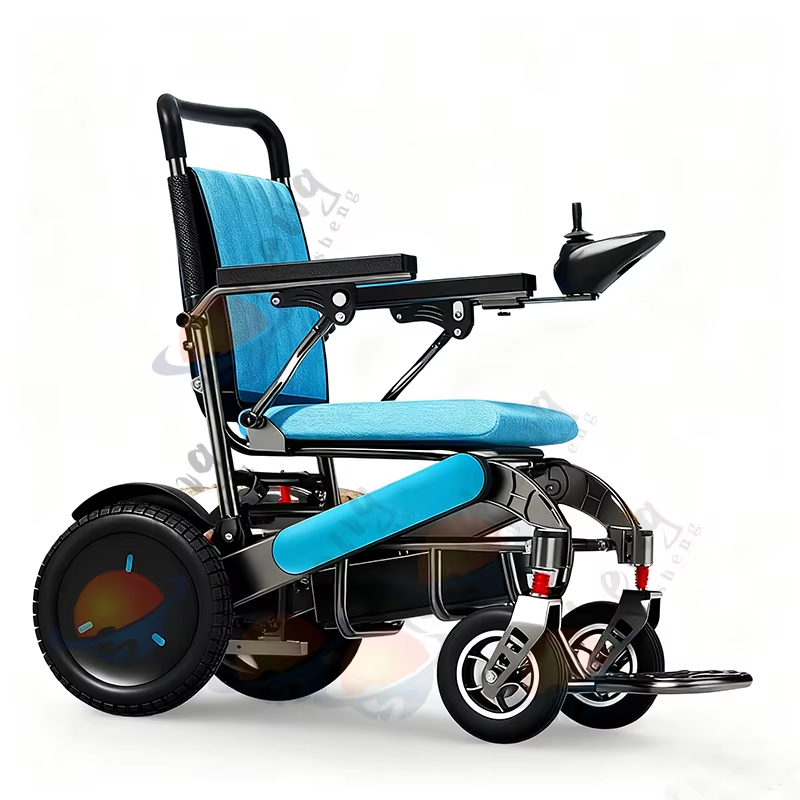
Wheelchair independence is maximized when the device matches the user's specific physical capabilities, environment, and lifestyle goals. Manual wheelchairs offer simplicity and portability but require upper body strength and functional arms. Wheelchair independence through motorized options provides benefit for users with limited arm strength, fatigue, or extensive mobility needs. Consideration of home layout, terrain, transportation requirements, and user's physical condition ensures that selected mobility solutions genuinely support wheelchair independence rather than introducing new barriers or complications.
Environmental Modifications and Accessibility Support
Wheelchair independence is significantly enhanced when physical environments include appropriate accessibility features such as ramps, widened doorways, accessible restrooms, and parking accommodations. Home modifications including threshold removal, accessible kitchen and bathroom design, and appropriate lighting facilitate wheelchair independence within residential spaces. Workplace accessibility and community venue design directly influence whether wheelchair independence remains theoretical or becomes practically achievable. Investment in environmental modifications alongside wheelchair provision ensures that users can truly exercise independent mobility across all settings where they spend their time.
FAQ
How does wheelchair independence improve quality of life?
Wheelchair independence dramatically improves quality of life by restoring personal agency, reducing dependence on others, and enabling participation in work, education, social activities, and community engagement. Users experience greater emotional well-being, stronger social connections, and expanded opportunities for personal growth and achievement. When individuals maintain control over their daily activities and movement, they retain dignity, self-esteem, and sense of purpose—fundamental elements of life satisfaction.
What types of wheelchairs best support wheelchair independence?
The wheelchair type that best supports wheelchair independence depends on individual physical capabilities and lifestyle needs. Manual wheelchairs suit users with strong upper body function who value portability and simplicity. Motorized wheelchairs maximize wheelchair independence for individuals with limited arm strength, fatigue conditions, or extensive mobility requirements. Lightweight designs, long battery range, and ergonomic features all contribute to wheelchair independence by reducing user fatigue and expanding accessible distance and duration of independent travel.
What barriers might prevent wheelchair independence?
Common barriers to wheelchair independence include inaccessible physical environments with stairs, narrow doorways, or unsuitable terrain; lack of proper wheelchair selection and maintenance; insufficient training on equipment operation; and inadequate environmental modifications. Social barriers such as discrimination or low community accessibility also restrict wheelchair independence. Additionally, financial constraints, lack of medical support, and absence of accessible transportation may limit the practical benefits of wheelchair independence despite device availability.
