
 EN
EN


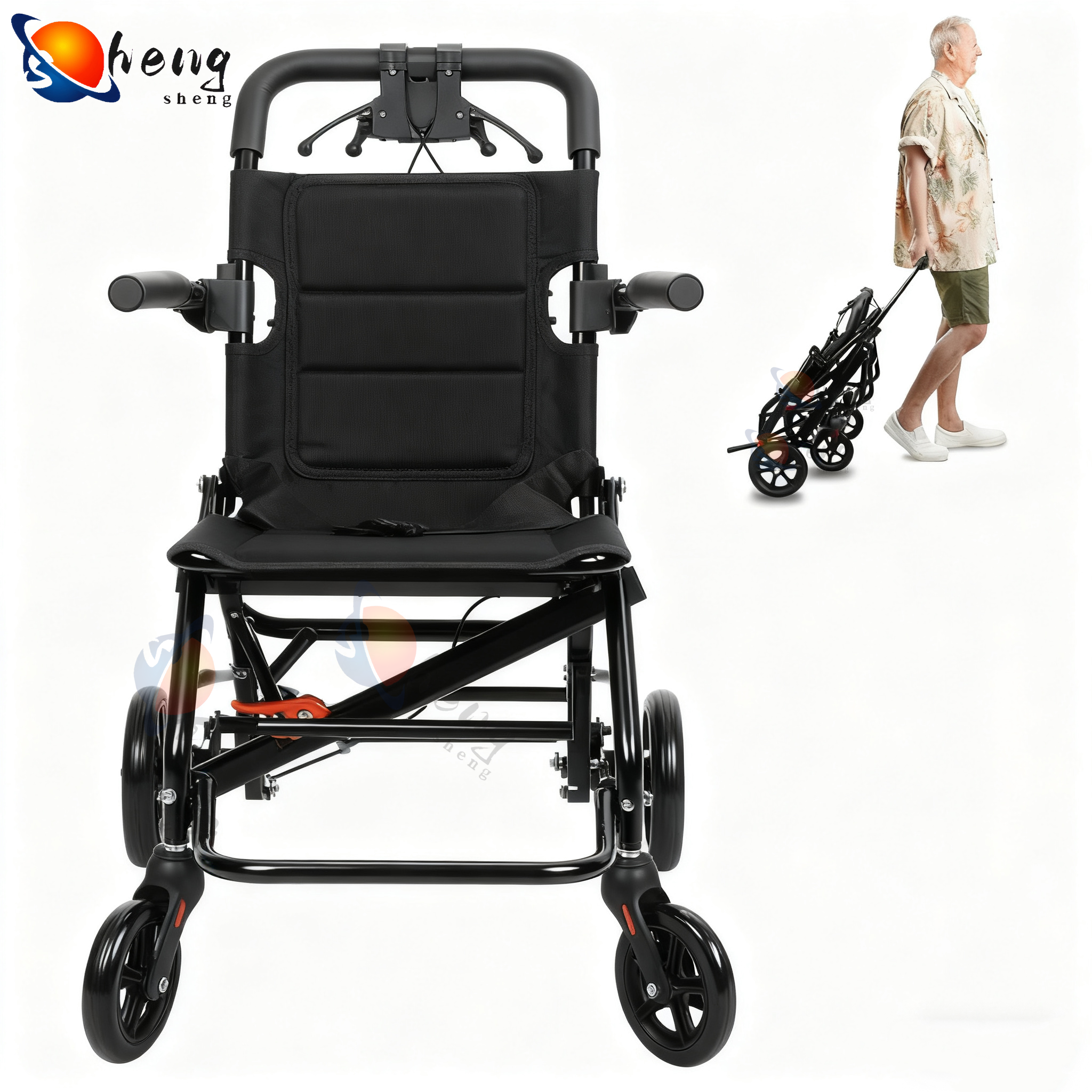
Mobility challenges significantly impact the daily lives of disabled individuals, limiting their ability to work, socialize, and participate in community activities. A well-designed wheelchair can fundamentally transform how disabled people interact with the world around them. Wheelchairs improve quality of life by restoring independence, enhancing physical health, and enabling meaningful social participation that might otherwise remain out of reach.
Beyond basic transportation, wheelchairs improve quality of life through restored autonomy and psychological empowerment. When disabled individuals gain the freedom to move independently, they experience measurable improvements in mental health, social connections, and overall life satisfaction. This article explores the specific ways that wheelchairs improve quality of life and why mobility solutions matter so profoundly for disabled communities.
Restoring Independence and Personal Autonomy
Breaking Free from Dependency Cycles
For disabled individuals with limited mobility, dependence on others for basic movement creates significant emotional and practical strain. Wheelchairs improve quality of life by enabling users to navigate their homes, workplaces, and communities without constant assistance. This independence extends to personal hygiene, meal preparation, shopping, and accessing healthcare services. When disabled people can move freely without waiting for caregivers, they gain control over their daily schedules and decision-making processes.
Employment and Economic Participation
Mobility solutions directly impact economic opportunities for disabled individuals. Wheelchairs improve quality of life by enabling workplace participation and professional advancement. Disabled workers who use wheelchairs can attend office meetings, travel between departments, and access remote work locations more effectively. This expanded employment capability increases financial stability, career satisfaction, and long-term economic security. Many disabled individuals find that investing in quality wheelchairs opens doors to employment that would otherwise remain unavailable.
Enhancing Physical Health and Medical Outcomes
Preventing Secondary Complications
Immobility creates serious health risks for disabled individuals, including muscle atrophy, circulation problems, and pressure ulcers. Wheelchairs improve quality of life by promoting regular movement and physical activity that prevents these complications. Active wheelchair users maintain better cardiovascular health, stronger muscles, and improved circulation compared to individuals confined to beds or stationary positions. The physical engagement required to propel or operate wheelchairs contributes to overall fitness and metabolic health, reducing the likelihood of secondary medical conditions.
Pain Management and Comfort
Modern wheelchair designs prioritize ergonomic support and comfort features that significantly reduce pain for disabled users. Wheelchairs improve quality of life by distributing body weight evenly, reducing pressure on vulnerable areas, and providing customizable positioning options. Users experience less back pain, fewer pressure injuries, and improved comfort during extended sitting periods. Therapeutic cushioning, adjustable backrests, and specialized support systems allow disabled individuals to spend more time engaged in activities without physical discomfort interrupting their day.
Strengthening Social Connection and Community Participation
Enabling Social Engagement
Social isolation represents one of the most damaging consequences of severe mobility limitations for disabled people. Wheelchairs improve quality of life by enabling attendance at family gatherings, community events, religious services, and recreational activities. Disabled individuals using wheelchairs can maintain meaningful friendships, participate in group activities, and contribute to their communities. This social participation directly correlates with improved mental health, reduced depression, and greater overall life satisfaction.
Access to Education and Cultural Experiences
Educational opportunities and cultural participation often depend on physical mobility and accessibility. Wheelchairs improve quality of life by allowing disabled individuals to access schools, libraries, theaters, museums, and sporting events. Students using wheelchairs can attend classes alongside peers, participate in campus life, and pursue educational goals. Disabled adults can explore cultural activities, travel to new places, and engage in hobbies that enrich their lives. This expanded access to experiences contributes substantially to personal growth, intellectual development, and overall wellbeing for disabled communities.
Psychological and Emotional Benefits
Reclaiming Personal Identity
Mobility limitations often force disabled individuals into identity shifts that prioritize their disability over other aspects of self-perception. Wheelchairs improve quality of life by restoring the ability to define themselves beyond their physical limitations. When disabled people can move independently and participate in chosen activities, they reclaim agency over their personal narratives. This psychological empowerment extends beyond functional independence to deeper emotional healing and self-determination.
Building Confidence and Self-Efficacy
The confidence that comes from navigating the world independently transforms how disabled individuals perceive their capabilities and future possibilities. Wheelchairs improve quality of life by providing disabled users with concrete evidence that they can accomplish goals, overcome obstacles, and maintain active engagement with society. This enhanced self-efficacy reduces anxiety about daily activities and encourages disabled individuals to pursue aspirations that might seem impossible when mobility is severely restricted.
Practical Accessibility Solutions
Removing Environmental Barriers
As accessibility standards improve across public spaces, buildings, and transportation systems, wheelchairs become increasingly effective tools for disabled navigation. Wheelchairs improve quality of life by providing disabled individuals with equipment that matches emerging accessibility infrastructure. Curb cuts, ramps, accessible bathrooms, and wider doorways combine with wheelchair technology to create genuine freedom of movement. This convergence of accessible design and mobility equipment fundamentally changes what disabled people can achieve in their communities.
Customization for Individual Needs
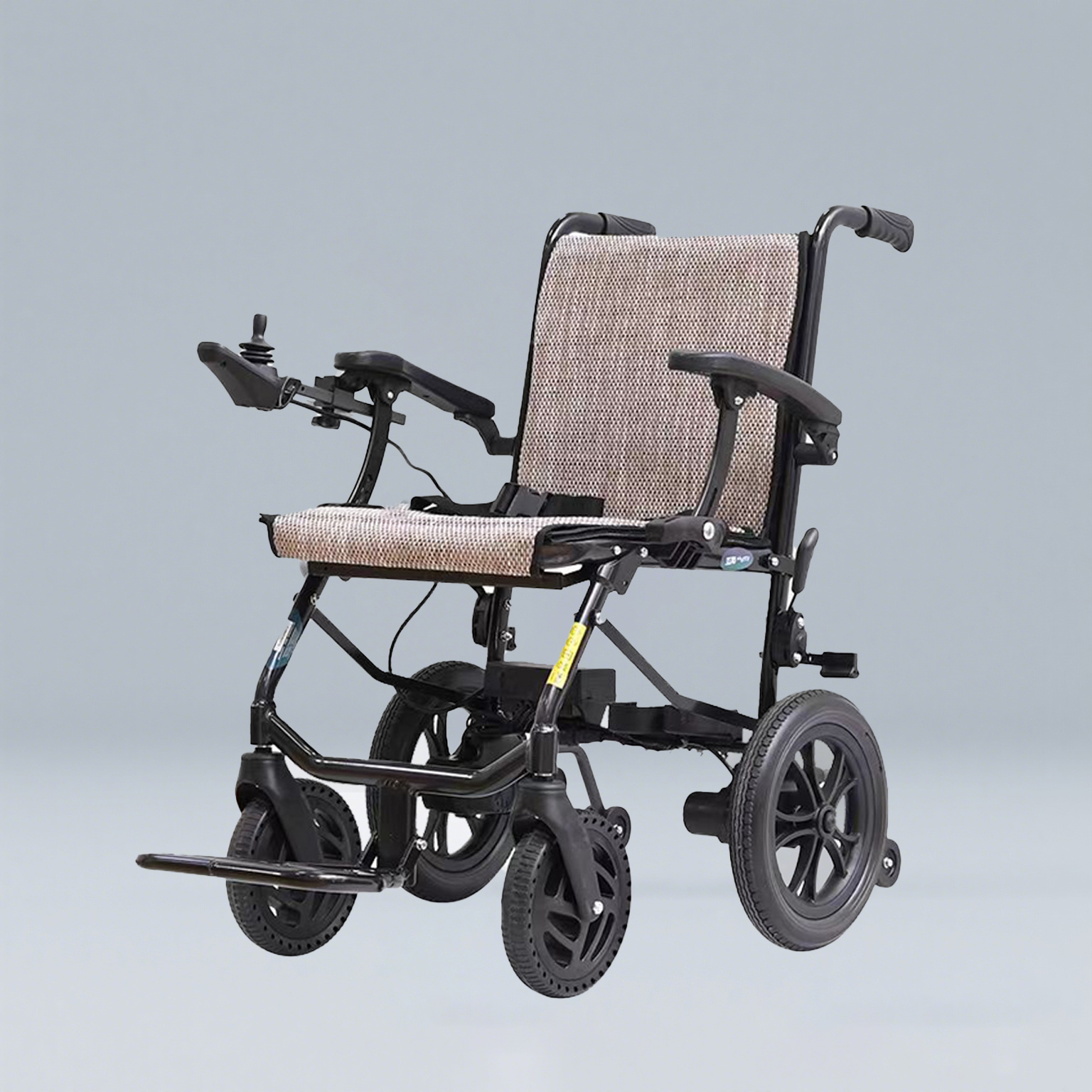
Modern wheelchair options accommodate diverse disabilities and personal preferences, from lightweight models to powered systems with advanced features. Wheelchairs improve quality of life through customization that addresses specific functional needs, body types, and activity levels. Disabled individuals can select wheelchairs optimized for sports, professional environments, outdoor terrain, or travel. This personalization ensures that mobility solutions genuinely serve individual circumstances rather than imposing one-size-fits-all limitations.
FAQ
How Do Wheelchairs Specifically Impact Mental Health for Disabled Users?
Wheelchairs improve quality of life mentally by reducing anxiety, depression, and social isolation that accompany severe mobility restrictions. Disabled individuals using wheelchairs report improved mood, greater optimism about the future, and stronger sense of purpose. The ability to engage socially, pursue activities, and maintain independence creates protective psychological factors that promote mental wellness and resilience in disabled communities.
What Role Do Modern Wheelchair Features Play in Improving Daily Experiences?
Advanced wheelchair features including lightweight materials, improved propulsion systems, and smart technology make wheelchairs improve quality of life more effectively by reducing physical strain and expanding possibilities. Electric options extend range for disabled users with limited upper body strength. Terrain-specific designs enable off-road activities. Real-time adjustment capabilities allow disabled individuals to optimize comfort throughout their day. These innovations continuously enhance what disabled people can accomplish with their mobility equipment.
Can Wheelchairs Enable Disabled Individuals to Work and Maintain Careers?
Yes, wheelchairs improve quality of life economically by enabling workplace participation and professional achievement for disabled workers. Properly equipped wheelchairs allow disabled employees to navigate office environments, attend meetings, and perform job duties effectively. Many employers now recognize that wheelchair accessibility supports workplace productivity and employee retention. Disabled professionals using wheelchairs contribute valuable skills and perspectives while maintaining financial independence and career satisfaction.
