EN
EN



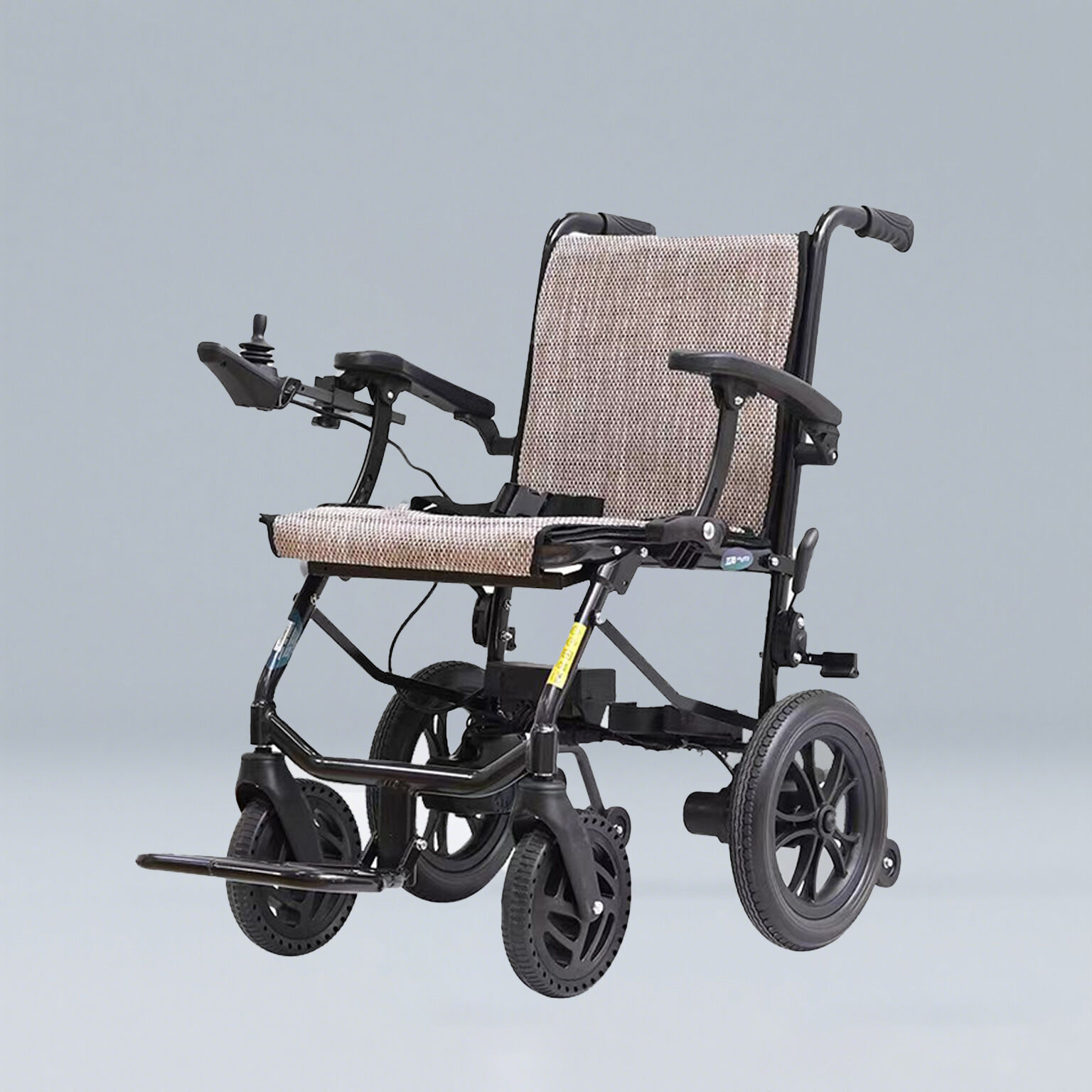
A power chair represents one of the most significant mobility solutions available today, offering independence and freedom to individuals with various mobility challenges. These electrically powered wheelchairs have revolutionized personal transportation for millions of users worldwide, combining advanced technology with ergonomic design to create sophisticated mobility devices. Understanding the essential features that make an ideal power chair is crucial for making an informed decision that will enhance quality of life and daily functionality. Modern power chair technology has evolved dramatically, incorporating lightweight materials, extended battery life, and intelligent control systems that adapt to user needs and environmental conditions.
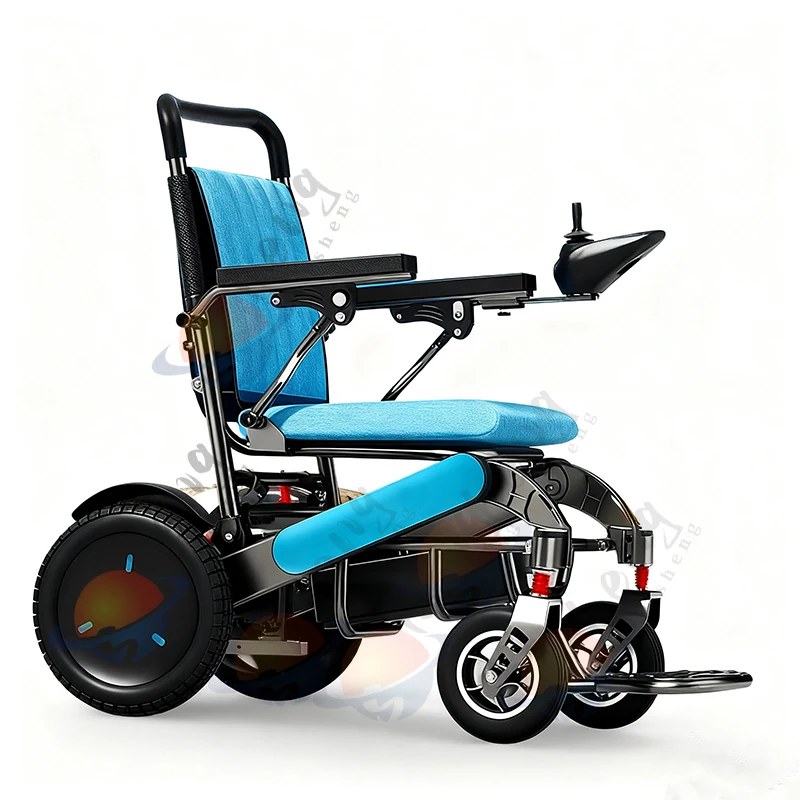
Essential Mobility and Performance Features
Battery Technology and Range Capabilities
The heart of any effective power chair lies in its battery system and the range it provides to users. Modern lithium-ion batteries have transformed the mobility landscape by offering extended operational periods while maintaining lighter weight profiles compared to traditional lead-acid alternatives. An ideal power chair should deliver at least 15 to 25 miles of range on a single charge, depending on terrain and user weight. Advanced battery management systems monitor power consumption and provide accurate range estimates, preventing unexpected power depletion during daily activities. Fast-charging capabilities reduce downtime, allowing users to quickly replenish battery power during short breaks or meal times.
Battery placement and protection are equally important considerations in power chair design. Sealed battery compartments protect against moisture and debris while ensuring easy access for maintenance and replacement. Smart charging systems automatically adjust charging rates to optimize battery lifespan and prevent overcharging damage. Some premium models incorporate dual battery systems that provide redundancy and extended range for users who require longer operational periods without charging opportunities.
Motor Power and Drive System Configuration
The drive system determines how effectively a power chair navigates various terrains and obstacles encountered in daily use. Front-wheel drive configurations excel in tight spaces and indoor environments, providing excellent maneuverability around furniture and through doorways. Mid-wheel drive systems offer superior turning radius capabilities, making them ideal for users who frequently navigate crowded spaces or need precise positioning control. Rear-wheel drive models provide stability at higher speeds and perform better on outdoor terrain, including slopes and uneven surfaces.
Motor power ratings typically range from 200 watts to over 500 watts per wheel, with higher power levels enabling better performance on inclines and rough terrain. Brushless motors offer improved efficiency and reduced maintenance requirements compared to brushed alternatives. Advanced traction control systems prevent wheel slippage on wet or loose surfaces, maintaining consistent forward motion regardless of ground conditions. Variable speed settings allow users to adjust maximum speed based on environment and personal comfort levels.
Comfort and Ergonomic Design Elements
Seating Systems and Positioning Options
Proper seating represents a critical component of any quality power chair, directly impacting user comfort and long-term health outcomes. Adjustable seat width, depth, and height accommodate different body types and allow for optimal positioning that reduces pressure points and promotes proper circulation. Memory foam cushioning provides superior comfort while maintaining shape over extended periods of use. Breathable fabric covers enhance air circulation and reduce heat buildup during prolonged sitting sessions.
Advanced seating systems incorporate tilt, recline, and elevating leg rest functions that enable position changes throughout the day. These adjustments help prevent pressure sores, improve circulation, and provide relief from prolonged sitting. Power positioning features allow users to independently adjust their seating position without assistance, promoting dignity and self-reliance. Lateral supports and headrests provide additional stability for users with limited trunk control or those who require enhanced postural support during transportation.
Control Interface and Accessibility Features
The control interface serves as the primary connection between user and power chair, making intuitive design and reliability essential characteristics. Joystick controllers remain the most common input method, but alternative control options accommodate users with limited hand function or other physical limitations. Sip-and-puff controls, chin controls, and head array systems expand accessibility for users with varying abilities and preferences.
Programmable control systems allow customization of speed profiles, acceleration rates, and turning sensitivity to match individual preferences and capabilities. Display screens provide battery level indicators, speed settings, and diagnostic information to keep users informed about system status. Wireless connectivity enables remote monitoring and troubleshooting by healthcare providers or technical support teams. Emergency stop functions and automatic braking systems enhance safety during operation and parking situations.
Safety and Reliability Considerations
Stability and Anti-Tip Protection
Safety features form the foundation of reliable power chair operation, protecting users from accidents and equipment failures during daily use. Anti-tip wheels prevent backward tipping when navigating inclines or sudden stops, while stability algorithms monitor wheel position and automatically adjust motor output to maintain balance. Weight distribution calculations ensure optimal center of gravity for different user weights and seating positions.
Advanced stability systems incorporate gyroscopic sensors that detect sudden movements or unstable conditions, automatically engaging corrective measures to prevent tipping or loss of control. Obstacle detection systems use sensors to identify barriers and automatically reduce speed or stop movement to prevent collisions. Emergency brake systems engage immediately when joystick input is released, preventing runaway situations or uncontrolled movement down inclines.
Weather Protection and Durability Standards
Outdoor mobility requires robust weather resistance and protection from environmental elements that could damage sensitive electronic components. IPX4 or higher water resistance ratings ensure that light rain and splashing water do not compromise power chair functionality. Sealed electrical connections and corrosion-resistant materials extend operational lifespan in humid or coastal environments where salt air poses additional challenges.
Frame construction using aircraft-grade aluminum or steel provides structural integrity while minimizing weight penalties. Powder coating or anodized finishes resist scratching and corrosion, maintaining appearance over years of regular use. Solid or puncture-proof tires eliminate flat tire concerns while providing reliable traction across various surface types. Comprehensive warranty coverage and available service support ensure long-term reliability and user confidence in their mobility investment.
Weight Capacity and Portability Features
Load Bearing Specifications and Structural Design
An ideal Power Chair must accommodate varying user weights while maintaining structural integrity and performance capabilities. Standard models typically support between 250 to 400 pounds, with heavy-duty versions capable of supporting 500 pounds or more. Weight capacity directly affects battery life, motor performance, and overall durability, making proper sizing essential for optimal operation and longevity.
Reinforced frame construction and upgraded components ensure safe operation at maximum weight ratings without compromising performance or safety margins. Load distribution systems spread user weight across multiple support points, reducing stress concentrations that could lead to premature failure. Testing protocols verify structural integrity under dynamic loading conditions that simulate real-world usage patterns and environmental stresses.
Transportation and Storage Solutions
Portability considerations become increasingly important for users who travel frequently or have limited storage space at home or work. Foldable power chair designs enable compact storage and easier transportation in standard vehicles without requiring specialized equipment or modifications. Quick-release mechanisms allow rapid disassembly for storage or transport, typically breaking down into manageable components weighing less than 50 pounds each.
Airline-approved models meet strict transportation regulations for commercial flights, including battery specifications and size restrictions that comply with FAA guidelines. Carrying cases and protective covers shield components during transport and storage, preventing damage from impacts or environmental exposure. Modular designs enable users to remove batteries and other components separately, reducing lifting requirements and improving handling safety during transportation procedures.
Technology Integration and Smart Features
Connectivity and Monitoring Capabilities
Modern power chair technology incorporates sophisticated connectivity features that enhance user experience and enable remote monitoring capabilities. Bluetooth connectivity allows integration with smartphones and tablets for control customization, diagnostic monitoring, and software updates. GPS tracking systems provide location services for emergency situations and help caregivers monitor user activity patterns and travel routes.
Remote diagnostic capabilities enable healthcare providers and technical support teams to monitor power chair performance and identify potential issues before they become serious problems. Data logging systems track usage patterns, battery performance, and maintenance requirements, providing valuable information for optimizing performance and scheduling preventive maintenance. Cloud-based platforms store user preferences and settings, enabling easy restoration after service or when switching between multiple power chair units.
Adaptive Control Systems and Customization
Intelligent control systems learn user preferences and adapt operation parameters to individual needs and capabilities. Machine learning algorithms analyze usage patterns and automatically adjust sensitivity settings, speed profiles, and braking characteristics to optimize user experience. Adaptive cruise control maintains consistent speeds on inclines and varied terrain, reducing user fatigue during longer journeys.
Voice control integration enables hands-free operation for users with limited manual dexterity, allowing verbal commands for basic functions like forward movement, turning, and stopping. Environmental sensors detect lighting conditions and automatically adjust display brightness and indicator visibility. Integration with smart home systems enables power chair users to control lighting, doors, and other household devices directly from their mobility device, promoting independence and convenience in daily activities.
Maintenance and Service Considerations
Preventive Maintenance Requirements
Regular maintenance schedules ensure optimal power chair performance and extend operational lifespan while minimizing unexpected repair costs. Battery maintenance includes regular charging cycles, terminal cleaning, and capacity testing to identify degradation before complete failure occurs. Tire inspection and rotation prevent uneven wear patterns that could affect stability and tracking performance during operation.
Lubrication schedules for moving components like wheel bearings, seat mechanisms, and drive systems prevent premature wear and ensure smooth operation. Electrical connection inspections identify loose or corroded contacts that could cause intermittent failures or safety hazards. Software updates maintain compatibility with accessories and introduce new features or performance improvements developed after initial manufacture.
Service Network and Support Infrastructure
Comprehensive service networks provide local support for maintenance, repairs, and warranty coverage, ensuring users maintain mobility even during service periods. Authorized service centers stock common replacement parts and have trained technicians familiar with specific power chair models and their unique requirements. Mobile service options bring technical support directly to user locations, minimizing disruption and transportation challenges during repair procedures.
Warranty programs typically cover major components for multiple years, with extended coverage options available for additional protection. Loaner programs provide temporary replacement units during extended repair periods, ensuring continuity of mobility for users who depend on their power chair for daily activities. Technical support hotlines offer troubleshooting assistance and can often resolve minor issues through remote guidance, avoiding unnecessary service calls and delays.
FAQ
What is the typical lifespan of a power chair battery system
Most modern power chair batteries last between 12 to 18 months with regular daily use, though this varies significantly based on usage patterns, terrain, and maintenance practices. Lithium-ion batteries typically provide longer service life compared to lead-acid alternatives, often lasting 2 to 3 years under similar conditions. Proper charging habits, including avoiding complete discharge cycles and using appropriate chargers, can extend battery life considerably. Users should monitor battery performance and replace units when range decreases to less than 70 percent of original capacity.
How do I determine the right weight capacity for my needs
Select a power chair with weight capacity at least 75 pounds above your current weight to account for clothing, personal items, and potential weight changes over time. This safety margin ensures optimal performance and prevents premature component wear that occurs when operating near maximum capacity limits. Consider future needs and any medical equipment or supplies that might be transported regularly. Consult with healthcare providers or mobility specialists to ensure proper sizing based on individual circumstances and long-term mobility requirements.
Can power chairs be used safely in various weather conditions
Most quality power chairs feature weather-resistant construction suitable for light rain and outdoor use, but should not be operated in heavy precipitation or standing water. Check manufacturer specifications for IP ratings that indicate water and dust protection levels. Cover electrical components during storage outdoors and dry thoroughly after exposure to moisture. Winter operation may require additional precautions such as battery warming and traction aids for improved grip on slippery surfaces.
What accessories can enhance power chair functionality and comfort
Common accessories include cup holders, storage bags, weather covers, and upgraded cushioning systems that improve daily usability and comfort. Specialized seating systems, positioning aids, and pressure-relief cushions address specific medical needs and promote proper posture. Technology accessories like phone mounts, USB charging ports, and lighting systems enhance convenience and safety during operation. Consult with occupational therapists or mobility specialists to identify accessories that address individual needs and preferences while maintaining safety and functionality.