Remote Monitoring Healthcare: Advanced Digital Solutions for Comprehensive Patient Care

Get a Free Quote

Our representative will contact you soon.
Email
Name
Company Name
Message
0/1000

remote monitoring healthcare

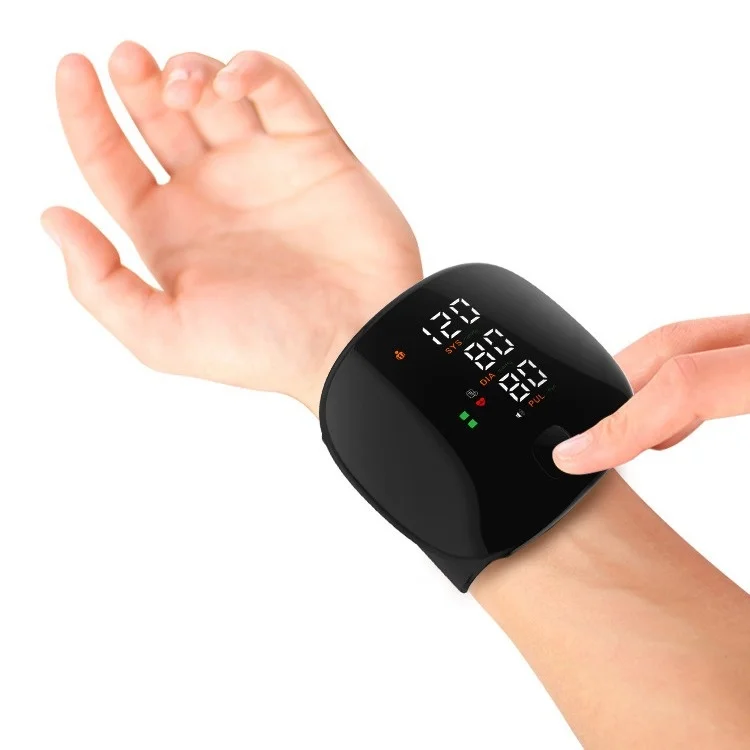
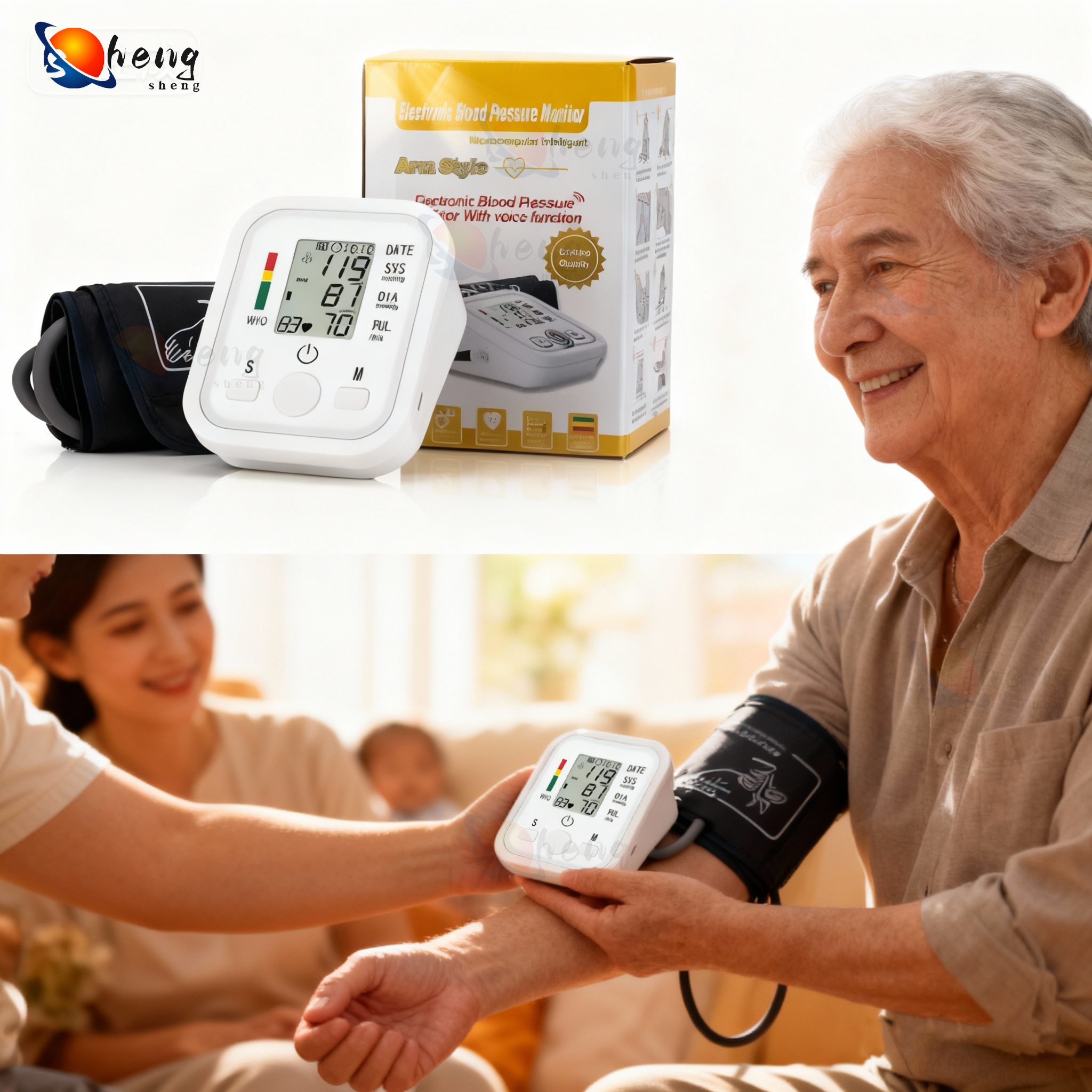
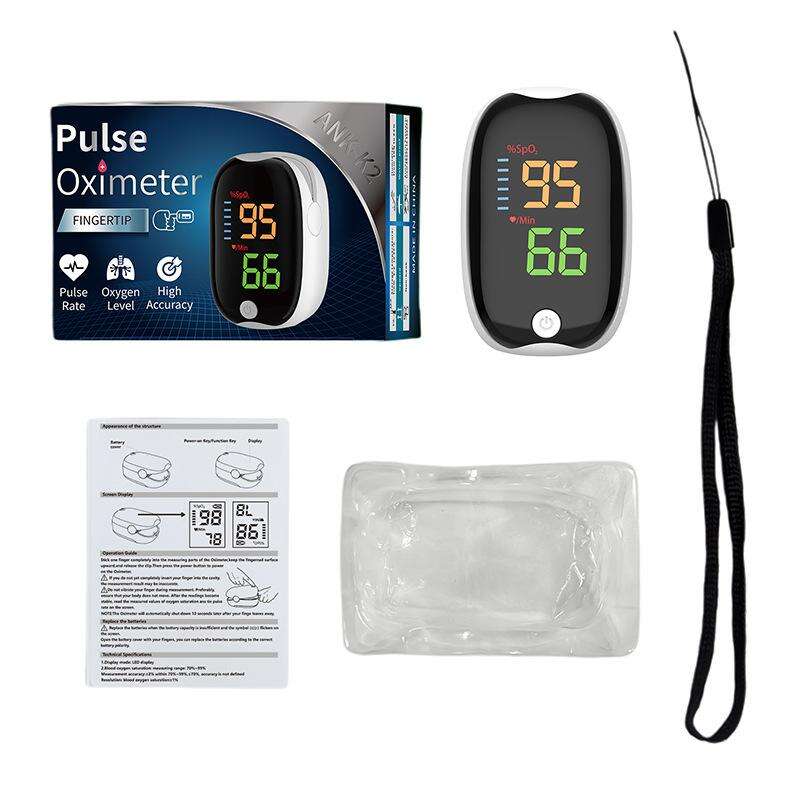
Remote monitoring healthcare represents a transformative approach to medical care that leverages advanced technology to track patient health data outside traditional clinical settings. This innovative system enables healthcare providers to continuously monitor patients' vital signs, symptoms, and overall health status through connected devices and digital platforms, creating a seamless bridge between patients and medical professionals regardless of geographical distance. The core functionality of remote monitoring healthcare encompasses real-time data collection through various medical devices including blood pressure monitors, glucose meters, pulse oximeters, ECG machines, and wearable fitness trackers. These devices automatically transmit patient information to healthcare databases, allowing medical teams to analyze trends, detect anomalies, and respond promptly to health concerns. The technological infrastructure supporting remote monitoring healthcare relies on Internet of Things (IoT) connectivity, cloud computing, artificial intelligence algorithms, and secure data transmission protocols. Advanced analytics platforms process incoming health data to identify patterns, predict potential health issues, and generate automated alerts when readings fall outside normal parameters. Mobile applications and web portals provide user-friendly interfaces for both patients and healthcare providers, facilitating easy access to health information and communication channels. Applications of remote monitoring healthcare span numerous medical specialties including cardiology, diabetes management, chronic disease monitoring, post-surgical care, and elderly patient supervision. Hospitals utilize these systems to extend care beyond discharge, reducing readmission rates and improving patient outcomes. Home healthcare agencies employ remote monitoring solutions to provide comprehensive care while allowing patients to maintain independence in familiar environments. The system proves particularly valuable for managing chronic conditions that require consistent observation and medication adherence tracking, ultimately enhancing quality of life while reducing healthcare costs through early intervention and preventive care strategies.


Popular Products

Remote monitoring healthcare delivers substantial benefits that revolutionize how patients receive medical care and how healthcare providers deliver services. The primary advantage lies in improved access to healthcare services, particularly for patients living in rural areas or those with mobility limitations. This technology eliminates geographical barriers, ensuring that quality medical supervision reaches underserved populations who previously faced challenges accessing regular healthcare. Patients no longer need to travel long distances for routine check-ups, saving time, money, and physical strain while maintaining consistent medical oversight. Cost reduction represents another significant advantage of remote monitoring healthcare systems. Healthcare organizations experience decreased operational expenses through reduced hospital readmissions, shorter length of stays, and optimized resource allocation. Patients benefit from lower healthcare costs by avoiding unnecessary emergency room visits and reducing transportation expenses associated with frequent medical appointments. Insurance companies increasingly recognize these cost savings, leading to expanded coverage for remote monitoring services and making this technology more accessible to broader patient populations. Enhanced patient engagement marks a crucial benefit of remote monitoring healthcare platforms. Patients become active participants in their healthcare journey through continuous access to their health data, educational resources, and direct communication channels with healthcare providers. This increased involvement leads to better medication adherence, lifestyle modifications, and overall health outcomes. The immediate feedback provided by monitoring devices motivates patients to make healthier choices and maintain prescribed treatment regimens. Healthcare providers gain unprecedented visibility into patient health patterns through continuous data collection, enabling more accurate diagnoses and personalized treatment plans. Early detection of health deterioration becomes possible through automated alerts and trend analysis, allowing for timely interventions that prevent serious complications. This proactive approach transforms healthcare from reactive treatment to preventive care, significantly improving patient outcomes while reducing the burden on emergency services. The convenience factor cannot be overstated, as patients maintain their daily routines while receiving comprehensive medical supervision. Family members gain peace of mind knowing their loved ones receive continuous monitoring and immediate assistance when needed, particularly valuable for elderly patients or those with chronic conditions requiring constant attention.

Latest News

Why Is Cold Laser Therapy Popular for Pain Relief Today?

31

Oct

Why Is Cold Laser Therapy Popular for Pain Relief Today?

The Rise of Non-Invasive Pain Management Solutions In recent years, cold laser therapy has emerged as a groundbreaking approach to pain management, offering hope to millions seeking relief without medication or surgery. This innovative treatment moda...
View More
Can Cold Laser Therapy Support Faster Muscle Recovery?

31

Oct

Can Cold Laser Therapy Support Faster Muscle Recovery?

Understanding the Science Behind Cold Laser Treatment for Muscles Athletes, fitness enthusiasts, and individuals recovering from injuries are constantly seeking innovative methods to accelerate muscle recovery. Cold laser therapy has emerged as a gro...
View More
Why Is Laser Therapy Effective for Modern Medical Care?

31

Oct

Why Is Laser Therapy Effective for Modern Medical Care?

The Evolution of Medical Treatment Through Advanced Light Technology Modern medicine continues to embrace innovative solutions that enhance patient care and treatment outcomes. Among these groundbreaking developments, laser therapy has emerged as a r...
View More
Why Is Laser Light Important in Modern Technologies?

27

Nov

Why Is Laser Light Important in Modern Technologies?

The revolutionary impact of laser light on modern technology cannot be overstated. From precision manufacturing to advanced medical treatments, laser light has transformed countless industries and continues to drive innovation across multiple sectors...
View More

Get a Free Quote

Our representative will contact you soon.
Email
Name
Company Name
Message
0/1000

remote monitoring healthcare

Real-Time Health Data Collection and Analysis

Real-Time Health Data Collection and Analysis

The cornerstone of remote monitoring healthcare lies in its sophisticated real-time health data collection and analysis capabilities that transform traditional healthcare delivery models. This advanced feature utilizes cutting-edge sensors and medical devices to continuously gather vital health information from patients in their natural environments, creating a comprehensive picture of their health status throughout the day and night. Unlike traditional healthcare approaches that rely on periodic snapshots during clinical visits, remote monitoring healthcare provides continuous streams of data that reveal health patterns, trends, and subtle changes that might otherwise go unnoticed. The system employs multiple types of monitoring devices including wireless blood pressure cuffs, continuous glucose monitors, smart scales, pulse oximeters, and ECG patches that seamlessly integrate into patients' daily lives. These devices automatically collect measurements at predetermined intervals or on-demand, transmitting data instantly to secure cloud-based platforms where advanced algorithms analyze the information for anomalies, trends, and concerning patterns. The artificial intelligence components of remote monitoring healthcare systems can detect subtle variations in health parameters that human observation might miss, providing early warning signals for potential health complications. Healthcare providers receive real-time alerts when patient readings exceed predetermined thresholds, enabling immediate intervention and preventing minor issues from escalating into serious medical emergencies. The value of this continuous monitoring extends beyond simple data collection to include predictive analytics that can forecast potential health crises before they occur. For patients with chronic conditions such as diabetes, hypertension, or heart disease, this constant vigilance provides invaluable peace of mind while ensuring optimal disease management. The system maintains detailed historical records that healthcare providers can analyze to adjust treatment plans, medication dosages, and lifestyle recommendations based on actual patient response patterns rather than theoretical protocols. This personalized approach to healthcare delivery significantly improves treatment efficacy while reducing the trial-and-error approach often associated with chronic disease management.
Seamless Integration with Healthcare Systems

Seamless Integration with Healthcare Systems

Remote monitoring healthcare platforms excel in their ability to seamlessly integrate with existing healthcare information systems, creating a unified ecosystem that enhances care coordination and clinical decision-making processes. This integration capability represents a fundamental advantage that sets modern remote monitoring solutions apart from standalone devices, as it ensures that patient data flows effortlessly between different healthcare providers, specialists, and care settings. The sophisticated interoperability features of remote monitoring healthcare systems connect with electronic health records (EHR), hospital information systems, pharmacy networks, and laboratory databases, creating a comprehensive view of patient health status across all touchpoints of their healthcare journey. Healthcare providers can access remote monitoring data directly within their familiar clinical workflows, eliminating the need to navigate multiple platforms or manually transfer information between systems. This streamlined approach reduces administrative burden while ensuring that critical patient information remains readily accessible when making treatment decisions. The integration extends to communication systems, enabling automatic alerts to be sent to appropriate healthcare team members when patient readings indicate potential concerns. Primary care physicians, specialists, nurses, and care coordinators can collaborate more effectively when they all have access to the same real-time patient data through their existing clinical platforms. The system supports standardized healthcare data formats and communication protocols, ensuring compatibility with various healthcare technology infrastructures regardless of the specific systems different organizations use. For patients, this integration means their healthcare providers have a complete picture of their health status, medication adherence, and response to treatments, leading to more informed clinical decisions and personalized care plans. The seamless flow of information also improves medication management by connecting with pharmacy systems to track prescription refills and identify potential adherence issues. Quality reporting and population health management become more effective when remote monitoring data integrates with healthcare analytics platforms, enabling organizations to identify trends, measure outcomes, and implement evidence-based improvements to care delivery processes.
Enhanced Patient Autonomy and Quality of Life

Enhanced Patient Autonomy and Quality of Life

Remote monitoring healthcare significantly enhances patient autonomy and quality of life by enabling individuals to maintain independence while receiving comprehensive medical supervision and support. This transformative aspect of modern healthcare delivery empowers patients to take control of their health management while remaining in the comfort and familiarity of their own homes, surrounded by family and engaged in their regular daily activities. The psychological benefits of maintaining independence cannot be overstated, particularly for elderly patients or those with chronic conditions who may otherwise require institutional care or frequent hospital visits that disrupt their established routines and social connections. Remote monitoring healthcare systems provide patients with immediate access to their health information through user-friendly mobile applications and web portals, fostering a sense of ownership and engagement in their healthcare journey. Patients can track their progress, understand how lifestyle choices affect their health metrics, and receive educational content that helps them make informed decisions about their daily activities, diet, and medication adherence. This increased health literacy leads to better self-management capabilities and improved long-term health outcomes. The technology reduces anxiety and stress associated with chronic disease management by providing continuous reassurance that healthcare providers are monitoring their condition and will respond quickly if concerns arise. Family members also experience reduced stress knowing their loved ones receive professional medical oversight without sacrificing independence or quality of life. The flexibility of remote monitoring healthcare allows patients to travel, visit family, or engage in social activities while maintaining their monitoring routine, eliminating the geographic constraints that traditional healthcare models often impose. For working-age patients, this technology minimizes disruptions to professional responsibilities by reducing the need for time-consuming medical appointments during business hours. The system adapts to individual patient needs and preferences, allowing for customized monitoring schedules and personalized health goals that align with their lifestyle and values. This patient-centered approach recognizes that effective healthcare delivery must accommodate the diverse needs and circumstances of different individuals rather than applying one-size-fits-all solutions that may not address specific patient requirements or preferences.

Get a Free Quote

Our representative will contact you soon.
Email
Name
Company Name
Message
0/1000