ekg machine
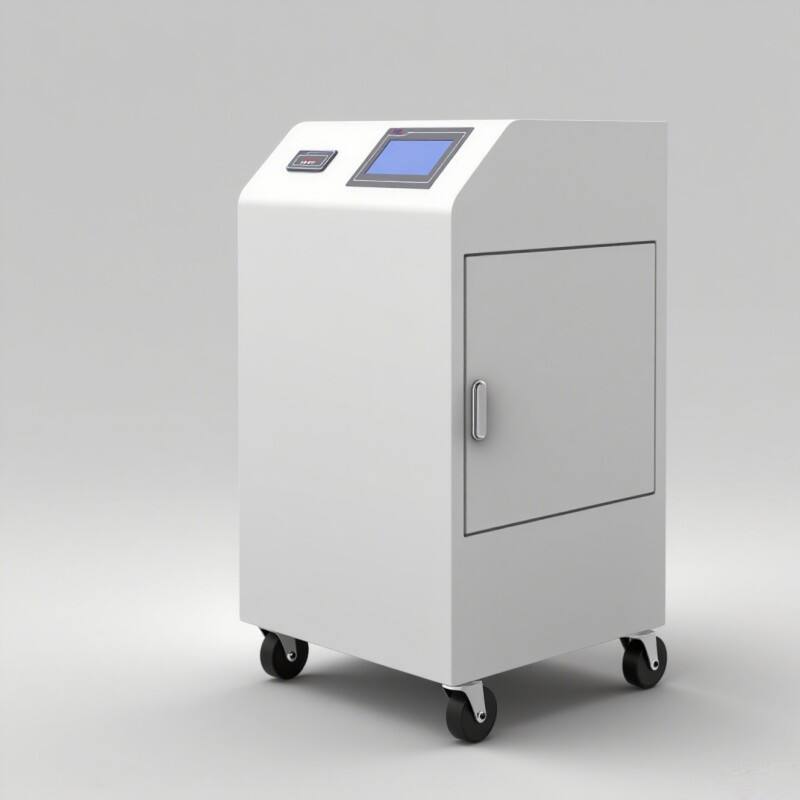
An EKG machine, also known as an electrocardiograph, represents one of the most essential diagnostic tools in modern healthcare. This sophisticated medical device captures and records the electrical activity of the heart, providing healthcare professionals with critical insights into cardiac function and rhythm patterns. The EKG machine operates by detecting electrical impulses generated by the heart's natural pacemaker system, converting these signals into visual waveforms that can be interpreted by medical professionals. The primary function of an EKG machine involves monitoring heart rhythm irregularities, detecting potential cardiac conditions, and assessing overall cardiovascular health. These devices utilize advanced sensor technology to pick up electrical signals through electrodes placed strategically on the patient's chest, arms, and legs. The collected data is then processed through sophisticated algorithms that filter noise and enhance signal quality, ensuring accurate readings. Modern EKG machines incorporate digital processing capabilities, allowing for real-time analysis and immediate results. The technological features of contemporary EKG machines include high-resolution displays, wireless connectivity options, and integrated data storage systems. Many units offer cloud-based data management, enabling seamless integration with electronic health records and remote monitoring capabilities. The applications of EKG machines span across various healthcare settings, from emergency departments and cardiac care units to primary care clinics and home healthcare environments. These devices prove invaluable for routine health screenings, pre-surgical evaluations, and ongoing monitoring of patients with known cardiac conditions. The portability of modern EKG machines has revolutionized point-of-care testing, allowing healthcare providers to perform cardiac assessments in diverse clinical settings. Additionally, the user-friendly interfaces of current EKG machines enable quick setup and operation, reducing the time required for patient evaluation while maintaining diagnostic accuracy.

 EN
EN