EN
EN



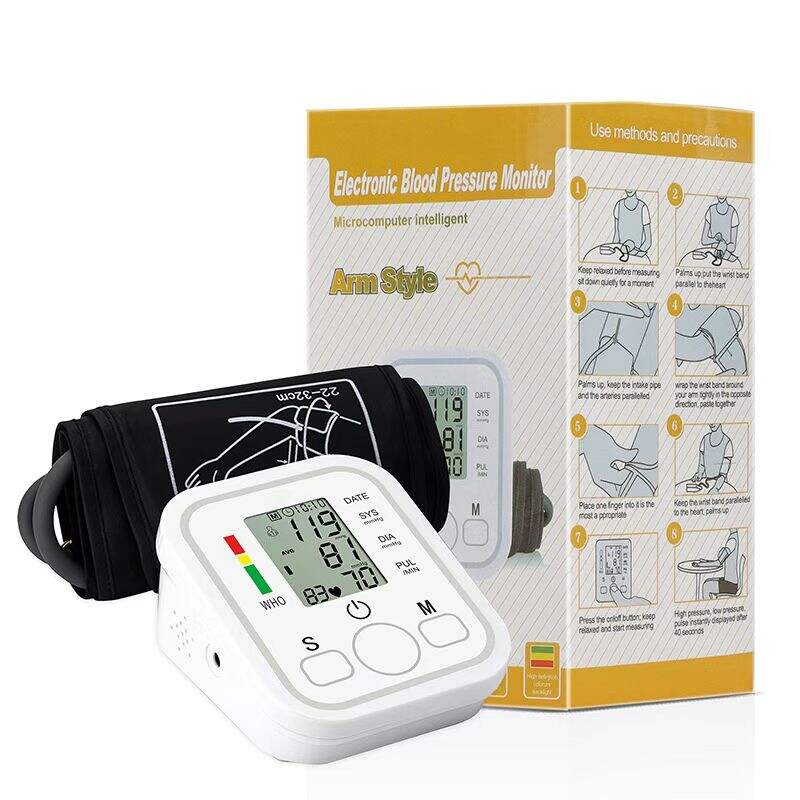
Cardiovascular health monitoring has become increasingly crucial in our fast-paced modern world, where hypertension affects millions of individuals worldwide. A reliable blood pressure machine serves as an essential tool for proactive health management, enabling users to track their cardiovascular wellness from the comfort of their homes. Healthcare professionals consistently recommend regular blood pressure monitoring as a cornerstone of preventive medicine, particularly for individuals with risk factors such as family history, obesity, or sedentary lifestyles. The convenience and accuracy of modern blood pressure machines have revolutionized how we approach cardiovascular health, making professional-grade monitoring accessible to everyone.
Understanding the Critical Role of Home Blood Pressure Monitoring
The Growing Need for Personal Health Monitoring
The healthcare landscape has shifted dramatically toward preventive care and patient empowerment, making personal health monitoring devices more relevant than ever before. A blood pressure machine provides individuals with the autonomy to monitor their cardiovascular health without frequent clinic visits, reducing healthcare costs while maintaining consistent oversight of their condition. Studies indicate that patients who regularly monitor their blood pressure at home demonstrate better adherence to treatment protocols and achieve superior blood pressure control compared to those relying solely on periodic clinical measurements. This shift toward home-based monitoring has proven particularly beneficial during periods when access to healthcare facilities may be limited or when patients prefer the privacy and convenience of home testing.
Clinical Accuracy and Professional Standards
Modern blood pressure machines incorporate advanced technology that rivals clinical-grade equipment, ensuring accurate and reliable measurements that healthcare providers can trust. These devices undergo rigorous testing and validation processes to meet international standards for medical accuracy, providing readings that are comparable to those obtained in professional medical settings. The sophisticated sensors and algorithms integrated into contemporary blood pressure machines account for various factors that can affect measurement accuracy, including irregular heartbeats, movement artifacts, and proper cuff sizing. Healthcare professionals increasingly recognize the value of home blood pressure monitoring data, often incorporating these readings into patient treatment plans and medication adjustments.
Key Features That Define a Superior Blood Pressure Machine
Advanced Measurement Technology
The technological sophistication of a quality blood pressure machine extends far beyond basic inflation and deflation cycles, incorporating intelligent measurement algorithms that enhance accuracy and user experience. Premium devices feature multiple measurement techniques, including oscillometric detection and advanced filtering systems that minimize interference from external factors. These machines often include irregular heartbeat detection capabilities, alerting users to potential cardiac rhythm abnormalities that may require medical attention. The integration of smart technology allows for automatic calibration and self-diagnostic functions, ensuring consistent performance over extended periods of use.
User-Friendly Design and Ergonomics
Ergonomic design plays a crucial role in the effectiveness of a blood pressure machine, as user comfort and ease of operation directly impact measurement accuracy and frequency of use. Well-designed devices feature intuitive control interfaces, clear digital displays with large fonts, and ergonomically shaped cuffs that accommodate various arm sizes comfortably. The positioning of control buttons, display orientation, and cuff attachment mechanisms should facilitate single-handed operation, particularly important for elderly users or those with limited mobility. Memory storage capabilities and data management features enhance the user experience by automatically tracking measurement history and enabling easy sharing of data with healthcare providers.
Health Benefits and Long-Term Advantages
Early Detection and Prevention
Regular monitoring with a blood pressure machine enables early detection of hypertension and cardiovascular irregularities, often before symptoms become apparent or complications develop. This proactive approach to health monitoring allows individuals to implement lifestyle modifications or seek medical intervention at the earliest stages of blood pressure elevation, potentially preventing more serious cardiovascular events. The ability to track blood pressure trends over time provides valuable insights into the effectiveness of treatment protocols, dietary changes, or exercise regimens, enabling more informed health decisions. Early intervention strategies supported by consistent home monitoring have been shown to reduce the risk of heart attack, stroke, and other cardiovascular complications significantly.
Cost-Effective Healthcare Management
Investing in a reliable Blood Pressure Machine provides substantial long-term cost savings compared to frequent medical office visits for routine blood pressure monitoring. The one-time investment in a quality device eliminates recurring costs associated with clinical visits while providing unlimited monitoring capabilities over several years. Insurance companies increasingly recognize the value of preventive care and may offer coverage or reimbursement for home monitoring equipment, further reducing the financial burden on patients. The early detection capabilities of home monitoring can prevent costly emergency interventions and hospitalizations by enabling timely medical intervention when blood pressure trends indicate potential problems.
Selection Criteria for Optimal Performance
Accuracy and Validation Standards
When selecting a blood pressure machine, validation by recognized medical organizations such as the British Hypertension Society or the Association for the Advancement of Medical Instrumentation should be a primary consideration. These validation protocols ensure that the device meets stringent accuracy requirements and performs consistently across diverse patient populations and measurement conditions. Clinical validation studies provide evidence of a device's reliability in real-world usage scenarios, demonstrating its ability to provide accurate readings comparable to mercury sphygmomanometers or other reference standards. The availability of peer-reviewed research supporting a blood pressure machine's accuracy claims indicates the manufacturer's commitment to scientific rigor and quality assurance.
Connectivity and Data Management
Modern blood pressure machines increasingly offer connectivity features that enhance their utility in comprehensive health management systems. Bluetooth connectivity, smartphone applications, and cloud-based data storage enable seamless integration with electronic health records and telemedicine platforms. These digital capabilities facilitate remote monitoring by healthcare providers, automated medication reminders, and trend analysis that would be difficult to achieve with manual record-keeping. The ability to export measurement data in standardized formats ensures compatibility with various healthcare information systems and enables more effective communication between patients and their medical teams.
Installation and Maintenance Considerations
Proper Setup and Calibration
Ensuring optimal performance from a blood pressure machine requires proper initial setup and periodic calibration to maintain measurement accuracy throughout its operational lifespan. Most quality devices include comprehensive setup guides and may offer automated calibration features that simplify the installation process for users. The importance of proper cuff sizing cannot be overstated, as incorrect cuff dimensions can lead to significant measurement errors that compromise the reliability of blood pressure readings. Regular calibration checks, either through built-in diagnostic functions or professional calibration services, help maintain the device's accuracy and extend its useful life.
Routine Maintenance and Longevity
A well-maintained blood pressure machine can provide years of reliable service with minimal maintenance requirements, making it an excellent long-term health investment. Regular cleaning of the cuff and device housing, proper storage conditions, and battery maintenance contribute significantly to device longevity and measurement reliability. Most manufacturers provide specific maintenance guidelines that include recommended cleaning procedures, storage temperatures, and replacement intervals for consumable components such as batteries or cuff materials. Following these maintenance protocols ensures consistent performance and helps identify potential issues before they affect measurement accuracy.
Integration with Healthcare Systems
Telemedicine and Remote Monitoring
The integration of blood pressure machines with telemedicine platforms has transformed chronic disease management, enabling healthcare providers to monitor patients remotely and adjust treatment protocols based on real-time data. This connectivity facilitates more frequent patient-provider communication without requiring in-person visits, improving treatment adherence and health outcomes. Remote monitoring capabilities allow healthcare teams to identify concerning blood pressure trends immediately and intervene before serious complications develop. The data generated by connected blood pressure machines supports evidence-based treatment decisions and enables more personalized care approaches tailored to individual patient needs and response patterns.
Electronic Health Record Integration
Seamless integration between blood pressure machines and electronic health record systems streamlines data collection and reduces the risk of transcription errors that can occur with manual data entry. This integration enables healthcare providers to access comprehensive blood pressure histories during patient consultations, supporting more informed clinical decisions. The automated data transfer capabilities of modern devices eliminate the need for patients to manually record measurements, improving data accuracy and completeness. Integration with health information systems also supports population health initiatives and quality improvement programs by providing aggregated data for analysis and intervention development.
FAQ
How often should I use my blood pressure machine for optimal monitoring?
For individuals with normal blood pressure, weekly or bi-weekly monitoring may be sufficient to maintain awareness of cardiovascular health status. However, those with diagnosed hypertension or other cardiovascular conditions should follow their healthcare provider's specific recommendations, which may include daily or twice-daily measurements. The frequency of blood pressure machine use should be adjusted based on individual health status, medication changes, and treatment response patterns. Consistency in measurement timing and conditions is more important than frequency, as this provides more reliable trend data for healthcare decision-making.
What factors can affect the accuracy of blood pressure machine readings?
Several factors can influence the accuracy of blood pressure machine measurements, including improper cuff sizing, incorrect arm positioning, recent physical activity, caffeine consumption, or emotional stress. Environmental factors such as temperature, noise levels, and the patient's posture during measurement can also impact reading accuracy. To ensure reliable results, users should follow manufacturer guidelines for proper measurement technique, including maintaining a quiet environment, proper arm positioning, and avoiding stimulants before testing. Regular calibration and proper device maintenance are essential for maintaining measurement accuracy over time.
Can a blood pressure machine detect irregular heart rhythms?
Many modern blood pressure machines include irregular heartbeat detection features that can identify cardiac rhythm abnormalities during measurement cycles. While these devices can detect the presence of irregular rhythms, they cannot diagnose specific arrhythmias or replace professional cardiac evaluation. The irregular heartbeat detection feature serves as an early warning system that may prompt users to seek medical evaluation for further cardiac assessment. Users who consistently receive irregular rhythm alerts from their blood pressure machine should consult with healthcare providers for comprehensive cardiac evaluation and appropriate follow-up care.
How do I know if my blood pressure machine needs calibration or replacement?
Signs that a blood pressure machine may need calibration or replacement include consistently inconsistent readings, significant variations from clinical measurements, error messages during operation, or visible damage to the cuff or device housing. Most quality devices include self-diagnostic features that alert users to calibration needs or technical malfunctions. Comparing home measurements with clinical readings during medical visits can help identify accuracy issues that may require professional calibration or device replacement. Generally, blood pressure machines should be professionally calibrated annually or according to manufacturer recommendations to ensure continued accuracy.