EN
EN



Managing hypertension effectively requires consistent monitoring and accurate measurements to track your cardiovascular health. A blood pressure machine serves as an essential tool for individuals seeking to maintain optimal blood pressure levels and prevent serious health complications. These devices provide reliable readings that enable patients and healthcare providers to make informed decisions about treatment plans and lifestyle modifications.
Understanding how a blood pressure machine functions and its role in hypertension management can significantly improve your ability to control this silent killer. Regular monitoring with a quality device empowers patients to detect changes early, adjust medications appropriately, and maintain better overall cardiovascular health through data-driven healthcare decisions.
Understanding Blood Pressure Monitoring Technology
Digital Blood Pressure Machine Components
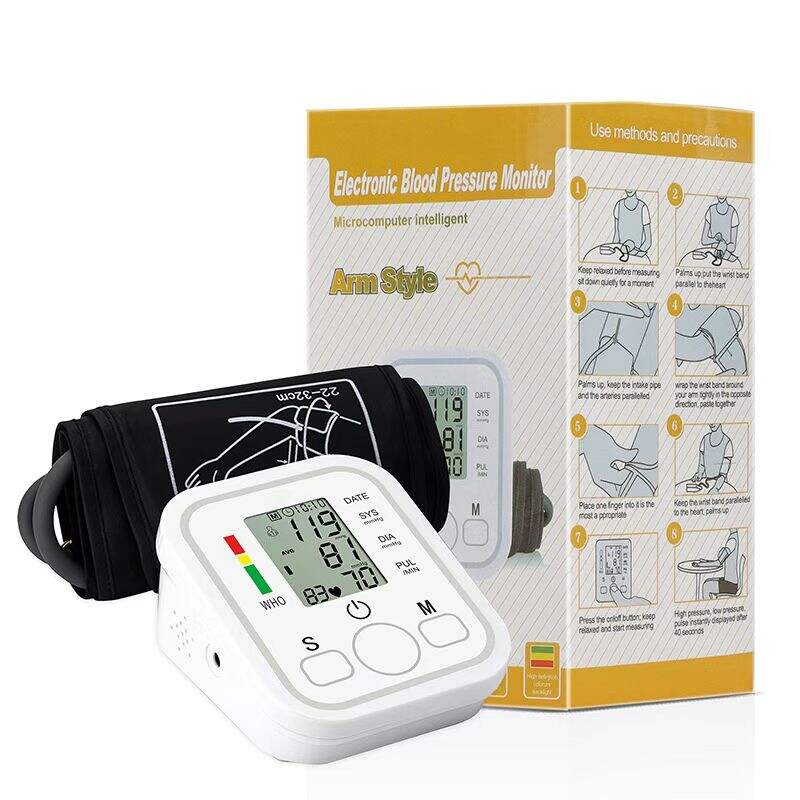
Modern digital blood pressure machine units incorporate sophisticated sensors and microprocessors that deliver precise measurements comparable to clinical equipment. The primary components include an inflatable cuff, pressure sensor, digital display, and automated pump system that work together to provide accurate systolic and diastolic readings. These advanced devices eliminate human error associated with manual mercury sphygmomanometers while maintaining clinical accuracy standards.
The cuff size selection plays a crucial role in measurement accuracy, as improper sizing can lead to falsely elevated or reduced readings. Most quality blood pressure machine models include multiple cuff sizes or adjustable designs that accommodate various arm circumferences. The pressure sensor technology has evolved to detect subtle arterial wall movements, ensuring consistent results across different patient demographics and physiological conditions.
Oscillometric Measurement Principles
The oscillometric method employed by most automated blood pressure machine devices measures pressure oscillations in the arterial wall during cuff deflation. This technology detects the onset of blood flow turbulence and the point where flow becomes smooth again, corresponding to systolic and diastolic pressure values. The sophisticated algorithms process these oscillations to calculate mean arterial pressure and derive accurate blood pressure readings.
Clinical validation studies demonstrate that oscillometric blood pressure machine technology provides measurements within acceptable margins of error when compared to invasive arterial monitoring. The automated nature of these devices reduces operator dependency while maintaining measurement reliability across different environmental conditions and patient populations. This consistency makes home monitoring both practical and clinically valuable for hypertension management.
Clinical Benefits of Regular Blood Pressure Monitoring
Early Detection of Hypertensive Episodes
A reliable blood pressure machine enables early identification of hypertensive episodes before they progress to dangerous levels requiring emergency intervention. Regular monitoring helps establish baseline readings and identify patterns that might indicate medication ineffectiveness or lifestyle factors contributing to elevated pressure. This proactive approach allows for timely medical consultations and treatment adjustments that prevent cardiovascular complications.
Studies indicate that patients who monitor blood pressure regularly with a home blood pressure machine demonstrate better long-term cardiovascular outcomes compared to those relying solely on periodic clinical measurements. The ability to detect white coat hypertension or masked hypertension through consistent home monitoring provides healthcare providers with more comprehensive data for treatment optimization. These insights lead to more personalized treatment approaches and improved patient outcomes.
Medication Adherence and Effectiveness Tracking
Using a blood pressure machine regularly helps patients track medication effectiveness and maintain adherence to prescribed treatment regimens. The immediate feedback provided by home monitoring creates a direct connection between medication compliance and measurable health outcomes. This real-time data collection enables patients to observe how lifestyle changes, stress management, and medication timing affect their blood pressure readings.
Healthcare providers utilize blood pressure machine data from home monitoring to make evidence-based decisions about medication dosages and timing adjustments. The comprehensive dataset collected over time reveals patterns that single clinic visits cannot capture, leading to more precise treatment protocols. This collaborative approach between patients and providers results in optimized therapeutic outcomes and reduced cardiovascular risk factors.
Proper Usage Techniques for Accurate Measurements
Pre-Measurement Preparation Guidelines
Achieving accurate results with a blood pressure machine requires following specific preparation protocols that minimize factors affecting measurement validity. Patients should avoid caffeine, exercise, and smoking for at least thirty minutes before taking readings, as these activities can temporarily elevate blood pressure levels. Proper positioning involves sitting quietly for five minutes with feet flat on the floor and arm supported at heart level.
The measurement environment should be quiet and comfortable, allowing the patient to relax completely before and during the blood pressure machine operation. Clothing restrictions around the upper arm can affect cuff inflation and deflation, potentially leading to inaccurate readings. Consistent measurement timing, preferably at the same times daily, helps establish reliable baseline data for healthcare provider review.
Optimal Measurement Frequency and Timing
Establishing an appropriate measurement schedule with your blood pressure machine ensures comprehensive monitoring while avoiding excessive measurements that may increase anxiety. Most healthcare providers recommend twice-daily measurements for patients with diagnosed hypertension, typically in the morning and evening. This schedule captures natural circadian variations in blood pressure and provides data representing different daily activity levels.
Recording multiple readings during each session and averaging the results improves measurement reliability and reduces the impact of individual reading variations. The blood pressure machine should be calibrated regularly according to manufacturer specifications to maintain accuracy over time. Keeping detailed logs of measurements, including dates, times, and any relevant circumstances, creates valuable data for healthcare provider consultations and treatment adjustments.
Integration with Modern Healthcare Management
Digital Health Platform Connectivity
Contemporary blood pressure machine models feature wireless connectivity that automatically syncs measurement data with smartphone applications and electronic health records. This integration eliminates manual data entry errors while creating comprehensive health tracking systems that healthcare providers can access remotely. The seamless data transfer enables continuous monitoring and real-time alerts for concerning blood pressure trends.
Cloud-based data storage ensures that blood pressure machine measurements remain accessible across different healthcare settings and provider networks. Patients can share their monitoring data instantly during telemedicine consultations, enabling remote adjustments to treatment plans without requiring in-person visits. This technological integration has become increasingly valuable for managing chronic conditions like hypertension in modern healthcare delivery models.
Telemedicine and Remote Patient Monitoring
The evolution of telemedicine has elevated the importance of accurate home blood pressure machine measurements in remote patient care protocols. Healthcare providers can monitor patient progress continuously through transmitted data, identifying trends that require intervention before complications develop. This approach has proven particularly effective for managing hypertension in elderly patients or those with mobility limitations.
Remote monitoring programs utilizing blood pressure machine technology have demonstrated significant reductions in cardiovascular events and healthcare costs through early intervention strategies. The continuous data stream allows providers to adjust medications proactively rather than reactively, leading to better blood pressure control and improved patient satisfaction. These programs represent the future of chronic disease management in increasingly digital healthcare environments.
Selecting the Right Blood Pressure Machine
Clinical Accuracy and Validation Standards
Choosing a blood pressure machine requires careful consideration of clinical validation standards and accuracy certifications from recognized medical organizations. Devices validated by the British Hypertension Society, American Heart Association, or European Society of Hypertension meet stringent accuracy requirements for clinical use. These certifications ensure that the device provides reliable measurements across diverse patient populations and physiological conditions.
Professional-grade blood pressure machine models undergo extensive testing to verify measurement accuracy against gold-standard invasive monitoring techniques. The validation process includes testing across different age groups, arm sizes, and blood pressure ranges to ensure universal applicability. Investing in a clinically validated device provides confidence in measurement accuracy and supports effective hypertension management strategies.
User-Friendly Features and Maintenance
Modern blood pressure machine designs prioritize user experience through intuitive interfaces, large displays, and simplified operation procedures. Features such as automatic cuff inflation, memory storage for multiple users, and irregular heartbeat detection enhance the monitoring experience for patients with varying technical comfort levels. These user-friendly elements encourage consistent monitoring compliance and reduce measurement errors.
Maintenance requirements for a quality blood pressure machine typically involve periodic calibration checks and proper storage to preserve accuracy over time. Manufacturers provide specific guidelines for device care, including cleaning procedures and replacement schedules for cuff components. Following these maintenance protocols ensures continued accuracy and extends the operational lifespan of the monitoring equipment.
FAQ
How often should I use my blood pressure machine for hypertension monitoring?
For diagnosed hypertension, healthcare providers typically recommend using your blood pressure machine twice daily, once in the morning and once in the evening, at consistent times. This schedule provides comprehensive data about your blood pressure patterns throughout the day. During medication adjustments or treatment changes, your doctor might suggest more frequent monitoring to track treatment effectiveness.
Can a home blood pressure machine replace regular doctor visits for hypertension management?
While a blood pressure machine provides valuable monitoring data, it cannot replace regular medical consultations for hypertension management. Home monitoring complements professional medical care by providing continuous data between visits, enabling healthcare providers to make more informed treatment decisions. Regular doctor visits remain essential for comprehensive cardiovascular assessment, medication adjustments, and screening for complications.
What factors can affect the accuracy of blood pressure machine readings?
Several factors can influence blood pressure machine accuracy, including improper cuff sizing, incorrect arm positioning, recent physical activity, caffeine consumption, and talking during measurement. Environmental factors such as temperature extremes or electrical interference can also affect digital devices. Following proper measurement protocols and maintaining your blood pressure machine according to manufacturer guidelines ensures optimal accuracy.
How do I know if my blood pressure machine needs calibration or replacement?
Signs that your blood pressure machine may need calibration include consistently different readings compared to clinical measurements, error messages during operation, or readings that seem unrealistic for your health status. Most manufacturers recommend annual calibration checks or comparison with clinical measurements during routine medical visits. If readings consistently vary significantly from professional measurements, consult the manufacturer or your healthcare provider about calibration or replacement options.
Table of Contents
- Understanding Blood Pressure Monitoring Technology
- Clinical Benefits of Regular Blood Pressure Monitoring
- Proper Usage Techniques for Accurate Measurements
- Integration with Modern Healthcare Management
- Selecting the Right Blood Pressure Machine
-
FAQ
- How often should I use my blood pressure machine for hypertension monitoring?
- Can a home blood pressure machine replace regular doctor visits for hypertension management?
- What factors can affect the accuracy of blood pressure machine readings?
- How do I know if my blood pressure machine needs calibration or replacement?