EN
EN



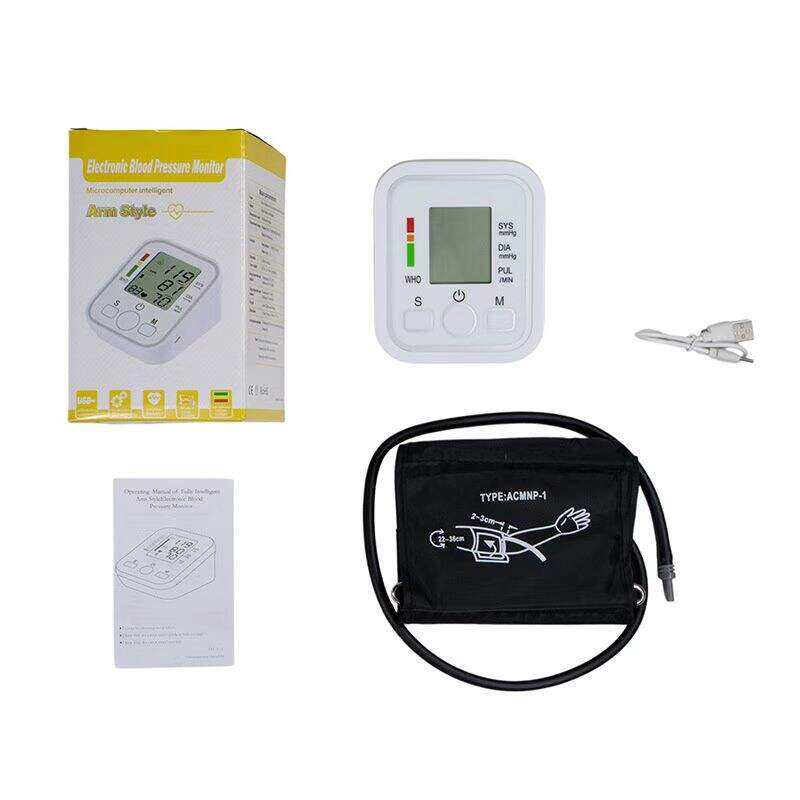
Athletic performance optimization relies heavily on understanding physiological responses during training and competition. Modern athletes and fitness enthusiasts increasingly turn to sophisticated monitoring devices to track their cardiovascular health and exercise intensity. A heart rate monitor serves as a critical piece of equipment that provides real-time feedback about the body's response to physical stress, enabling users to make informed decisions about their training regimens and overall health management strategies.
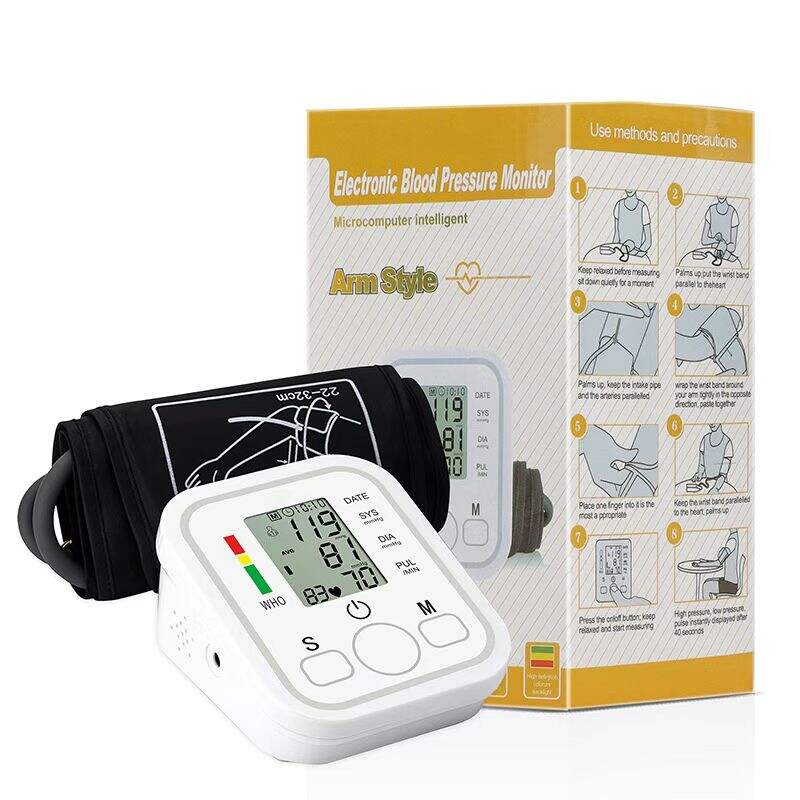
Understanding the Science Behind Heart Rate Monitoring
Physiological Mechanisms of Heart Rate Response
The cardiovascular system responds dynamically to physical exertion through complex physiological mechanisms that a heart rate monitor can accurately capture. When muscles require increased oxygen and nutrients during exercise, the heart must pump faster to meet these metabolic demands. This process involves the sympathetic nervous system triggering the release of hormones like epinephrine and norepinephrine, which directly influence cardiac output and vascular resistance.
Exercise physiologists recognize that heart rate serves as an excellent proxy for exercise intensity because it correlates strongly with oxygen consumption and metabolic rate. A quality heart rate monitor translates these complex physiological processes into easily interpretable data, allowing athletes to understand their body's real-time responses. The relationship between heart rate and exercise intensity follows predictable patterns that enable precise training zone targeting and performance optimization strategies.
Training Zone Classification and Applications
Professional athletes and coaches utilize heart rate monitor data to establish specific training zones based on percentage of maximum heart rate or heart rate reserve. These zones typically include active recovery, aerobic base building, tempo training, lactate threshold, and neuromuscular power development ranges. Each zone serves distinct physiological adaptations and contributes to different aspects of athletic performance enhancement.
The precision offered by modern heart rate monitor technology enables athletes to maintain optimal intensity levels throughout their training sessions. This targeted approach prevents overtraining while ensuring adequate stimulus for desired physiological adaptations. Athletes can maximize training efficiency by spending appropriate time in each zone according to their specific sport requirements and competitive goals.
Technology Integration and Performance Enhancement
Advanced Sensor Technology and Accuracy
Contemporary heart rate monitor devices incorporate sophisticated sensor technologies that deliver exceptional accuracy and reliability in various environmental conditions. Optical sensors, chest strap electrodes, and advanced algorithms work together to provide consistent measurements during high-intensity activities, swimming, and extreme weather conditions. These technological advancements ensure that athletes receive dependable data regardless of their training environment or sport-specific requirements.
The evolution of heart rate monitor technology has addressed many historical limitations such as signal interference, motion artifacts, and connectivity issues. Modern devices feature improved signal processing capabilities, enhanced waterproofing, and extended battery life that support prolonged training sessions and multi-day competitions. Athletes can now rely on their monitoring equipment to deliver consistent performance throughout demanding training cycles and competitive events.
Data Analytics and Performance Insights
Advanced heart rate monitor systems provide comprehensive analytics that extend beyond simple beat-per-minute measurements. These devices calculate heart rate variability, recovery metrics, training load, and adaptation indicators that offer valuable insights into an athlete's physiological status. Such detailed information enables coaches and athletes to make data-driven decisions about training progression, recovery protocols, and competitive readiness assessments.
Integration with smartphone applications and cloud-based platforms allows athletes to track long-term trends, compare performance across different training phases, and identify patterns that correlate with optimal performance states. Heart Rate Monitor technology continues advancing to include features like GPS integration, environmental sensors, and artificial intelligence algorithms that enhance the depth and relevance of performance analytics.
Sport-Specific Applications and Benefits
Endurance Sports Optimization
Endurance athletes particularly benefit from heart rate monitor guidance because their sports demand precise energy system management and pacing strategies. Marathon runners, cyclists, and triathletes use heart rate data to maintain sustainable intensities during long-duration events while avoiding premature fatigue or inadequate effort levels. The ability to monitor cardiovascular stress in real-time enables these athletes to execute sophisticated race strategies and training protocols.
Training periodization for endurance sports relies heavily on heart rate monitor feedback to ensure proper adaptation stimulus while preventing overreaching and burnout. Athletes can systematically build aerobic capacity, improve lactate clearance, and enhance fat oxidation efficiency through carefully monitored training sessions. The objective nature of heart rate data removes guesswork from training intensity selection and provides clear indicators of fitness improvements over time.
Team Sports and Intermittent Activities
Team sport athletes face unique challenges related to intermittent high-intensity efforts, tactical positioning, and variable game situations that a heart rate monitor can help address. Soccer players, basketball athletes, and hockey players experience rapid transitions between aerobic and anaerobic energy systems that require careful monitoring and training adaptation. Understanding these physiological demands through heart rate analysis enables more effective conditioning programs.
Coaches utilize heart rate monitor data from team sport athletes to assess individual player workloads, identify fatigue patterns, and optimize substitution strategies during competitions. This information proves particularly valuable for managing player rotation, preventing overuse injuries, and maintaining team performance throughout long competitive seasons. The objective measurement capabilities of heart rate monitoring technology support evidence-based coaching decisions in dynamic team environments.
Health Monitoring and Injury Prevention
Early Warning Systems for Overtraining
Consistent heart rate monitor usage provides athletes and coaches with early warning indicators of developing overtraining syndrome, illness, or excessive fatigue accumulation. Resting heart rate trends, heart rate variability patterns, and recovery metrics can reveal physiological stress before performance declines become apparent. This proactive approach enables timely intervention and prevents more serious health complications or extended recovery periods.
The relationship between heart rate patterns and immune system function has been extensively studied, revealing that cardiovascular stress indicators often precede illness symptoms by several days. Athletes who regularly monitor their heart rate data can adjust training intensity, implement additional recovery protocols, or seek medical attention before minor issues develop into significant health problems that could derail training progress.
Cardiovascular Health Assessment
Beyond performance optimization, a heart rate monitor serves as a valuable tool for ongoing cardiovascular health assessment and risk stratification. Regular monitoring can identify irregular heart rhythms, inappropriate heart rate responses, or concerning trends that warrant medical evaluation. This capability proves particularly important for athletes participating in high-intensity sports or those with family histories of cardiovascular disease.
Long-term heart rate monitor data provides healthcare professionals with objective information about an athlete's cardiovascular function during various activities and stress levels. This comprehensive picture supports more accurate diagnoses, treatment recommendations, and return-to-play decisions following cardiac events or medical interventions. The continuous monitoring capabilities of modern devices offer unprecedented insights into cardiovascular health status.
Practical Implementation and Best Practices
Device Selection and Setup Considerations
Choosing the appropriate heart rate monitor requires careful consideration of sport-specific requirements, accuracy needs, and integration capabilities with existing technology ecosystems. Athletes must evaluate factors such as sensor type, battery life, water resistance, comfort during extended use, and compatibility with training software platforms. The investment in quality monitoring equipment pays dividends through improved training effectiveness and health insights.
Proper device calibration and setup procedures ensure optimal accuracy and functionality from heart rate monitor systems. Athletes should establish baseline measurements, configure appropriate alert zones, and familiarize themselves with data interpretation techniques before relying on the technology for important training decisions. Regular maintenance, software updates, and periodic accuracy verification help maintain device performance over time.
Training Integration Strategies
Successful integration of heart rate monitor technology into training programs requires systematic approaches that balance data-driven decision making with intuitive coaching methods. Athletes and coaches should develop protocols for using heart rate information during different training phases, competitive periods, and recovery cycles. The goal involves enhancing rather than replacing traditional coaching wisdom with objective physiological feedback.
Education about heart rate monitor interpretation and application proves crucial for maximizing the benefits of this technology. Athletes need to understand the limitations of heart rate data, factors that can influence readings, and appropriate responses to various measurement scenarios. This knowledge foundation enables confident use of monitoring technology while maintaining focus on overall athletic development and performance goals.
FAQ
How accurate are modern heart rate monitors compared to medical-grade equipment
Modern heart rate monitor devices, particularly those using chest strap electrodes, achieve accuracy levels within 1-2 beats per minute of medical-grade electrocardiogram equipment during most activities. Optical sensors on wrist-worn devices typically maintain accuracy within 3-5 beats per minute during steady-state activities, though accuracy may decrease during high-intensity intervals or activities involving significant arm movement. For athletic training purposes, this level of accuracy provides sufficient precision for effective training zone management and performance monitoring.
What factors can affect heart rate monitor readings during exercise
Several factors can influence heart rate monitor accuracy including device fit and positioning, skin moisture levels, electromagnetic interference from other devices, extreme temperatures, and individual physiological variations. Medications, caffeine consumption, dehydration, altitude changes, and emotional stress can also affect actual heart rate responses independent of exercise intensity. Athletes should be aware of these variables when interpreting heart rate data and making training decisions based on monitoring feedback.
How should athletes use heart rate data for recovery monitoring
Recovery monitoring through heart rate analysis involves tracking resting heart rate trends, heart rate variability patterns, and heart rate recovery kinetics following standardized efforts. Elevated resting heart rate, decreased heart rate variability, or prolonged recovery times may indicate incomplete recovery from previous training sessions. Athletes should establish baseline values during well-recovered states and monitor deviations that suggest the need for additional rest, modified training intensity, or medical evaluation.
Can heart rate monitors detect irregular heart rhythms or cardiac abnormalities
While heart rate monitors can detect some irregular rhythms and unusual patterns, they are not designed as diagnostic medical devices and should not replace proper cardiac screening by qualified healthcare professionals. However, many athletes have discovered previously undiagnosed conditions through observations of unusual heart rate patterns during training. Any concerning rhythms, inappropriate heart rate responses, or symptoms such as chest pain, dizziness, or unusual fatigue should prompt immediate medical evaluation regardless of heart rate monitor readings.