EN
EN




Monitoring cardiovascular health has become increasingly important in today's fast-paced world, where hypertension affects millions of people globally. A blood pressure machine serves as a critical diagnostic tool that enables individuals and healthcare professionals to track cardiovascular wellness with precision and convenience. These sophisticated devices have evolved significantly from traditional mercury-based sphygmomanometers to modern digital units that provide accurate readings within seconds. Understanding the importance of regular blood pressure monitoring can help prevent serious cardiovascular complications and promote long-term health maintenance. The accessibility and user-friendly nature of modern blood pressure machines have made them indispensable tools for both clinical settings and home healthcare management.
Understanding Blood Pressure Monitoring Technology
Digital vs Traditional Blood Pressure Measurement
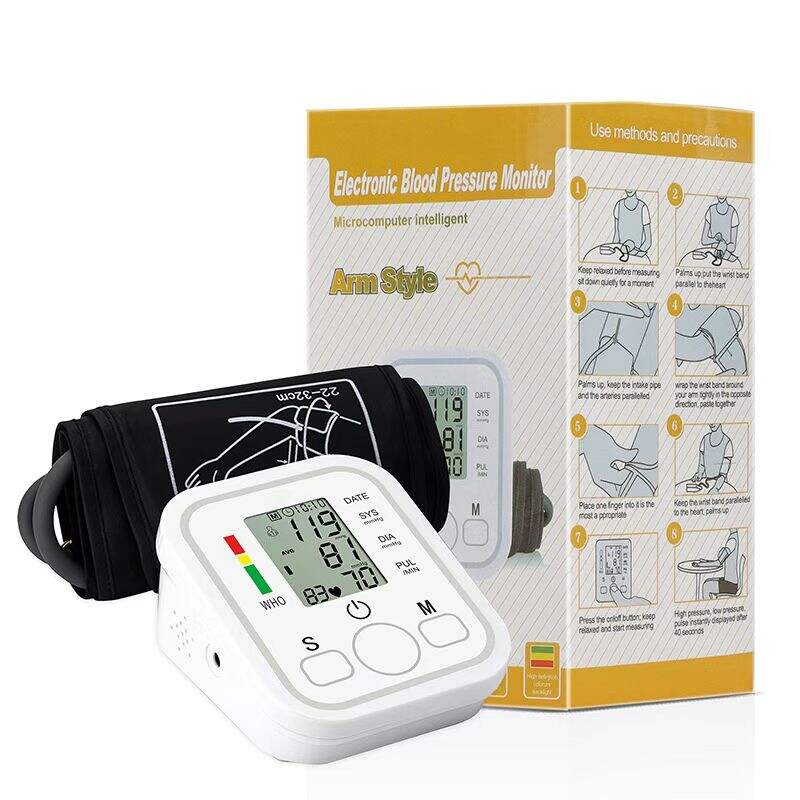
Modern blood pressure machine technology has revolutionized cardiovascular monitoring by incorporating advanced digital sensors and automated inflation systems. These devices utilize oscillometric measurement principles that detect arterial pulse oscillations during cuff deflation, providing highly accurate systolic and diastolic pressure readings. Unlike traditional manual methods that require trained medical professionals, digital blood pressure machines enable users to obtain reliable measurements independently. The integration of microprocessor technology ensures consistent calibration and reduces human error factors that commonly affect manual readings. Advanced models feature multiple measurement protocols and can store historical data for comprehensive health tracking over extended periods.
The transition from mercury-based sphygmomanometers to digital alternatives has significantly improved measurement accuracy and safety standards. Digital blood pressure machines eliminate exposure to toxic mercury while providing enhanced precision through sophisticated algorithmic calculations. Many contemporary models incorporate irregular heartbeat detection capabilities that alert users to potential arrhythmias during measurement processes. The automated nature of these devices ensures standardized measurement conditions, reducing variability caused by operator technique or environmental factors. Healthcare professionals increasingly recommend digital blood pressure machines for their reliability, ease of use, and comprehensive monitoring capabilities.
Key Features and Technological Innovations
Contemporary blood pressure machine designs incorporate numerous technological innovations that enhance measurement accuracy and user experience. Advanced cuff technology utilizes adaptive sizing mechanisms that accommodate various arm circumferences while maintaining optimal pressure distribution during measurement cycles. Many models feature dual-user memory storage capabilities, allowing multiple family members to track their cardiovascular health independently. Bluetooth connectivity enables seamless data synchronization with smartphone applications and electronic health record systems for comprehensive health monitoring. Large LCD displays with backlight functionality ensure clear visibility of measurement results under various lighting conditions.
Smart blood pressure machines now incorporate artificial intelligence algorithms that can detect measurement irregularities and provide personalized health insights. Voice-guided instruction systems assist users through proper measurement procedures, ensuring consistent technique and accurate results. Some advanced models include morning hypertension detection features that specifically monitor blood pressure variations during early morning hours when cardiovascular events are most likely to occur. Rechargeable battery systems with extended operational life eliminate the need for frequent battery replacements while ensuring device reliability during critical monitoring periods.
Clinical Applications and Medical Significance
Professional Healthcare Settings
Healthcare facilities worldwide rely on blood pressure machine technology for routine patient assessments and continuous cardiovascular monitoring. Emergency departments utilize rapid-reading digital units to quickly assess patient stability and guide immediate treatment decisions. Intensive care units employ continuous monitoring blood pressure machines that provide real-time cardiovascular data for critically ill patients. Ambulatory care settings benefit from portable blood pressure machines that enable comprehensive patient evaluations during routine checkups and preventive care visits. The consistency and reliability of modern digital devices have made them essential tools for accurate clinical documentation and treatment planning.
Hospital environments require blood pressure machines that can withstand frequent use while maintaining calibration accuracy over extended periods. Many clinical-grade models feature antimicrobial surface treatments that reduce infection transmission risks in healthcare settings. Integration capabilities with electronic medical record systems streamline data collection and improve clinical workflow efficiency. Healthcare providers appreciate the standardized measurement protocols that digital blood pressure machines provide, ensuring consistent results across different operators and time periods. The durability and precision of professional-grade units make them valuable long-term investments for medical facilities.
Home Healthcare Monitoring
Home blood pressure monitoring has become increasingly important for managing hypertension and preventing cardiovascular complications. Personal blood pressure machine ownership enables patients to track their cardiovascular health regularly without requiring frequent medical appointments. This continuous monitoring approach helps healthcare providers adjust medications and treatment plans based on comprehensive data collected over extended periods. Patients with hypertension can identify patterns and triggers that affect their blood pressure levels through consistent home monitoring practices. The convenience and privacy of home monitoring encourage better patient compliance with cardiovascular health management protocols.
Family healthcare management benefits significantly from having a reliable blood pressure machine available for regular monitoring of multiple household members. Early detection of hypertension through routine home monitoring can prevent serious cardiovascular events and reduce healthcare costs associated with emergency treatments. Many insurance providers now offer coverage incentives for patients who demonstrate consistent home blood pressure monitoring and management. The educational value of understanding personal cardiovascular health through regular measurements empowers individuals to make informed lifestyle choices that support long-term wellness.
Selection Criteria and Features Comparison
Accuracy and Validation Standards
Selecting an appropriate blood pressure machine requires careful consideration of accuracy validation and clinical testing certifications. Devices validated by recognized organizations such as the British Hypertension Society or Association for the Advancement of Medical Instrumentation provide assurance of measurement reliability. Clinical validation involves testing blood pressure machines against established standards using diverse patient populations to ensure consistent accuracy across various physiological conditions. Many premium models undergo additional validation testing for specific populations, including pregnant women, elderly patients, and individuals with irregular heartbeats. Understanding validation protocols helps consumers choose devices that meet professional healthcare standards for accuracy and reliability.
Measurement range capabilities vary significantly among different blood pressure machine models, with some designed specifically for pediatric use while others accommodate adult populations with varying arm sizes. Accuracy tolerances typically range from plus or minus three to five mmHg for validated devices, with premium models achieving tighter tolerances through advanced sensor technology. Regular calibration maintenance ensures continued accuracy throughout the device lifespan, with many manufacturers providing calibration verification services. Professional-grade blood pressure machines often include self-diagnostic features that alert users to calibration issues or measurement irregularities that may affect reading accuracy.
User-Friendly Design Elements
Modern blood pressure machine designs prioritize user experience through intuitive interfaces and simplified operation procedures. Large, easy-to-read displays accommodate users with visual impairments while clear button layouts reduce operational confusion during measurement procedures. Automatic cuff inflation and deflation eliminate manual pump requirements, making blood pressure monitoring accessible to individuals with limited dexterity or mobility restrictions. Memory storage features allow users to track measurement trends over time without requiring manual record-keeping systems. Many contemporary models include averaging functions that calculate mean values from multiple readings, providing more reliable cardiovascular health assessments.
Ergonomic cuff designs ensure comfortable measurements while maintaining proper arterial compression for accurate readings. Adjustable cuff systems accommodate various arm circumferences without compromising measurement quality or user comfort. Voice announcement features benefit visually impaired users by providing audible measurement results and operational guidance. Portable designs with carrying cases enable blood pressure monitoring while traveling or away from home environments. Battery life indicators and low-power warnings ensure device reliability during critical monitoring periods.
Health Benefits and Preventive Care
Early Detection and Prevention
Regular blood pressure machine monitoring enables early detection of hypertension before symptoms become apparent or complications develop. Silent hypertension affects millions of individuals who remain unaware of their elevated blood pressure levels until serious cardiovascular events occur. Consistent monitoring through reliable blood pressure machine use can identify gradual pressure increases that indicate developing hypertension or cardiovascular disease. Early intervention based on accurate blood pressure readings significantly reduces the risk of heart attack, stroke, and kidney disease development. Healthcare providers emphasize the importance of establishing baseline blood pressure values through regular monitoring to track changes over time.
Preventive care strategies rely heavily on accurate blood pressure data to guide lifestyle modifications and medical interventions. Patients who monitor their blood pressure regularly develop better awareness of factors that influence their cardiovascular health, including diet, exercise, stress levels, and medication compliance. The ability to identify blood pressure patterns through consistent blood pressure machine use enables targeted interventions during periods of elevated risk. Family history screening becomes more effective when multiple family members use the same blood pressure machine to track genetic predisposition patterns. Preventive care programs increasingly incorporate home blood pressure monitoring as a cornerstone of cardiovascular disease prevention strategies.
Treatment Monitoring and Medication Management
Blood pressure machine monitoring plays a crucial role in evaluating the effectiveness of antihypertensive medications and treatment protocols. Healthcare providers rely on comprehensive blood pressure data to adjust medication dosages and timing for optimal cardiovascular control. Patients can identify medication side effects or interactions through careful blood pressure machine monitoring combined with symptom tracking. The ability to monitor blood pressure at different times throughout the day helps optimize medication timing for maximum therapeutic benefit. Treatment adherence improves significantly when patients can observe the positive effects of their medications through regular blood pressure monitoring.
Chronic disease management benefits substantially from consistent blood pressure machine use, particularly for patients with diabetes, kidney disease, or cardiovascular conditions. Multiple daily measurements provide comprehensive data that enables healthcare providers to fine-tune treatment approaches based on individual patient responses. The cost-effectiveness of home blood pressure monitoring often outweighs the expense of frequent medical appointments for routine blood pressure checks. Insurance coverage for blood pressure machines reflects the recognized value of home monitoring in reducing overall healthcare costs and improving patient outcomes.
FAQ
How often should I calibrate my blood pressure machine?
Most blood pressure machines should be calibrated annually or according to manufacturer specifications to ensure continued accuracy. Professional calibration services can verify measurement precision against laboratory standards and identify any deviations that may affect reading reliability. Some advanced models include self-calibration features that automatically adjust for sensor drift over time. Healthcare providers recommend checking calibration more frequently if the device is used extensively or shows inconsistent readings compared to clinical measurements.
What factors can affect blood pressure machine accuracy?
Several factors can influence blood pressure machine accuracy, including improper cuff sizing, incorrect positioning, recent physical activity, caffeine consumption, and talking during measurements. Environmental factors such as temperature extremes and electromagnetic interference can also affect digital device performance. Proper measurement technique, including sitting quietly for five minutes before measurement and avoiding movement during the reading process, helps ensure accurate results. Regular maintenance and proper storage protect the blood pressure machine from damage that could compromise measurement accuracy.
Can I use the same blood pressure machine for multiple family members?
Most blood pressure machines can accommodate multiple users through separate memory storage functions that track individual measurement histories. Different family members may require appropriate cuff sizes to ensure accurate measurements, with pediatric, standard, and large adult cuffs available for various arm circumferences. Some models feature user identification systems that automatically assign measurements to specific individuals based on typical reading ranges. Sharing a blood pressure machine among family members can be cost-effective while providing comprehensive household cardiovascular health monitoring.
When should I seek medical attention based on blood pressure machine readings?
Blood pressure readings above 180/110 mmHg require immediate medical attention, particularly if accompanied by symptoms such as chest pain, shortness of breath, or severe headache. Consistently elevated readings above 140/90 mmHg warrant consultation with healthcare providers for proper evaluation and potential treatment. Sudden changes in typical blood pressure patterns or readings that seem inconsistent with previous measurements should prompt medical review. Healthcare providers can help establish individual blood pressure targets and provide guidance on when home monitoring results indicate need for professional evaluation.