EN
EN



Managing diabetes effectively requires consistent monitoring of blood sugar levels, making the selection of an appropriate blood glucose monitor a critical decision for millions of individuals worldwide. The modern market offers numerous options, each designed to meet specific needs and preferences of users ranging from newly diagnosed patients to experienced diabetes management veterans. Understanding the key features, accuracy requirements, and practical considerations can help ensure you select a device that seamlessly integrates into your daily routine while providing reliable results for optimal health management.
Understanding Blood Glucose Monitor Technology
Essential Components and Functionality
A blood glucose monitor consists of several interconnected components that work together to provide accurate readings of your blood sugar levels. The primary device contains sophisticated electronic circuitry designed to interpret chemical reactions between your blood sample and specialized test strips. Modern monitors utilize enzymatic reactions, typically involving glucose oxidase or glucose dehydrogenase, to convert glucose in your blood into measurable electrical signals. This process occurs within seconds, displaying your current glucose level on a digital screen for immediate interpretation and action.
The testing strips represent perhaps the most critical component of any blood glucose monitor system, as they contain the chemical reagents necessary for accurate glucose measurement. These single-use strips must be stored properly to maintain their effectiveness and should be compatible specifically with your chosen monitor model. Quality strips feature consistent manufacturing standards and appropriate calibration codes that ensure your device interprets results correctly. Understanding how your monitor interacts with its corresponding strips helps ensure consistent, reliable measurements throughout your diabetes management journey.
Accuracy Standards and Calibration Requirements
Regulatory bodies such as the Food and Drug Administration establish strict accuracy requirements for blood glucose monitor systems sold in the United States and other markets worldwide. Current standards require that 95% of meter readings fall within specified ranges compared to laboratory reference methods, typically within 15% for glucose concentrations above 100 mg/dL and within 15 mg/dL for concentrations below this threshold. These accuracy standards ensure that your chosen blood glucose monitor provides clinically meaningful results that healthcare providers can confidently use for treatment decisions and adjustments.
Regular calibration and quality control measures help maintain optimal performance from your monitoring system over extended periods of use. Many modern devices feature automatic calibration functions that minimize user error and ensure consistent accuracy across multiple test strip lots. However, understanding basic troubleshooting techniques and recognizing when results seem inconsistent with your symptoms or expectations remains important for effective diabetes self-management. Keeping detailed records of your readings allows you to identify patterns and discuss any concerns with your healthcare team during regular appointments.
Key Features to Consider When Selecting Your Device
Display and User Interface Design
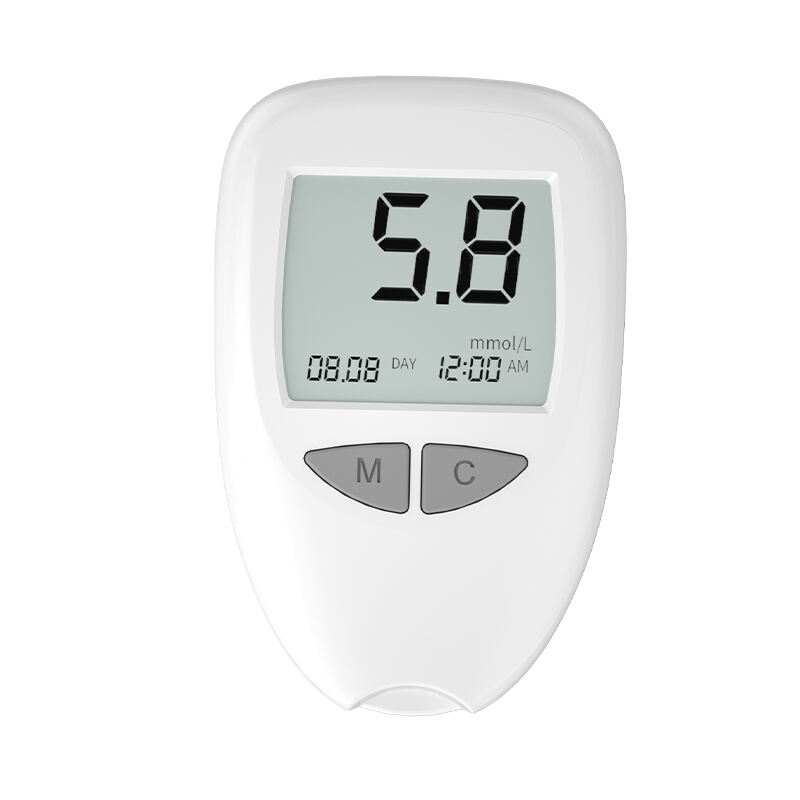
The visual display of your blood glucose monitor significantly impacts daily usability, particularly for individuals with vision challenges or those who frequently test in low-light conditions. Large, high-contrast screens with backlit displays provide enhanced readability and reduce the likelihood of misreading important glucose values. Many contemporary devices offer customizable display options, including adjustable text size, brightness settings, and color-coded result indicators that help users quickly interpret whether their readings fall within target ranges established by their healthcare providers.
Intuitive button layouts and menu navigation systems contribute to positive user experiences, especially for individuals who may have dexterity limitations or prefer simplified operation procedures. The best blood glucose monitor designs minimize the number of steps required to obtain readings while providing clear audio and visual feedback throughout the testing process. Consider devices that offer multi-language support if English is not your primary language, as clear understanding of all device prompts and error messages supports safe and effective glucose monitoring practices.
Memory Storage and Data Management Capabilities
Comprehensive memory storage allows your blood glucose monitor to retain hundreds or even thousands of previous readings, creating valuable historical data for pattern recognition and trend analysis. Advanced devices calculate averages over multiple time periods, such as 7-day, 14-day, and 30-day intervals, providing insights into your overall glucose control effectiveness. This stored information proves invaluable during healthcare appointments, allowing providers to make informed adjustments to your treatment plan based on comprehensive data rather than isolated readings or incomplete logbook entries.
Modern connectivity features enable seamless data transfer between your monitoring device and smartphone applications, computer software, or cloud-based platforms designed for diabetes management. These technological integrations facilitate sharing information with healthcare teams, family members, or caregivers while maintaining appropriate privacy protections. Some systems offer automated data synchronization, eliminating the need for manual entry and reducing the risk of transcription errors that could impact treatment decisions or insurance documentation requirements.
Sample Size and Testing Speed Considerations
Blood Sample Volume Requirements
The amount of blood required for accurate glucose testing varies significantly among different blood glucose monitor models, with implications for user comfort and testing frequency adherence. Devices requiring smaller sample volumes, typically ranging from 0.3 to 1.0 microliters, often prove more comfortable for individuals who test multiple times daily or have concerns about fingertip soreness. Smaller sample requirements also benefit users with circulation issues or those taking medications that affect blood flow, as obtaining adequate samples becomes easier and less invasive over time.
Alternative site testing capabilities expand options for blood sample collection beyond traditional fingertip locations, allowing users to rotate testing sites and potentially reduce discomfort associated with frequent monitoring. However, understanding the limitations and appropriate timing for alternative site testing remains crucial, as glucose levels in arm, forearm, or palm samples may lag behind fingertip readings during periods of rapid glucose change. Your healthcare provider can guide you regarding when alternative site testing provides accurate representations of your current glucose status versus situations requiring fingertip samples for optimal safety.
Result Display Speed and Processing Time
Testing speed directly impacts the practicality of incorporating glucose monitoring into busy daily routines, with most contemporary devices providing results within 5 to 15 seconds after sample application. Faster processing times prove particularly beneficial for individuals who test frequently or in time-sensitive situations where quick decision-making regarding food intake, medication timing, or activity modifications becomes necessary. However, prioritizing speed should not come at the expense of accuracy, as reliable results remain the primary objective of any glucose monitoring program.
Understanding your device's complete testing cycle, from initial power-on through final result display, helps establish realistic expectations and efficient testing routines. Some blood glucose monitor models feature rapid startup capabilities that minimize waiting time before testing can commence, while others may require brief warm-up periods or calibration checks. Familiarizing yourself with these operational characteristics ensures smooth integration of glucose monitoring into your existing diabetes management schedule without unnecessary delays or frustrations.
Cost Analysis and Insurance Coverage Factors
Initial Device Investment and Ongoing Expenses
While the upfront cost of a blood glucose monitor may seem modest compared to other medical devices, the ongoing expense of test strips, lancets, and control solutions can accumulate significantly over time, particularly for individuals requiring frequent monitoring. Calculating total monthly or annual costs provides a more accurate picture of the financial commitment associated with different monitoring systems. Some manufacturers offer bundled packages that include meters, initial strip supplies, and accessories at reduced overall costs compared to purchasing components separately.
Generic or store-brand test strips may offer cost savings compared to name-brand options, but ensuring compatibility and maintaining accuracy standards requires careful evaluation. Your healthcare provider can advise whether alternative strip options maintain appropriate quality standards for your specific monitoring needs. Additionally, manufacturer rebate programs, patient assistance initiatives, and pharmacy discount programs may help reduce ongoing expenses associated with glucose monitoring supplies, making consistent testing more financially sustainable for individuals and families managing diabetes-related expenses.
Insurance Coverage and Reimbursement Policies
Most health insurance plans, including Medicare and Medicaid programs, provide coverage for blood glucose monitor devices and supplies when prescribed by healthcare providers for diagnosed diabetes management. Understanding your specific plan's coverage criteria, preferred manufacturer lists, and quantity limitations helps optimize benefits while minimizing out-of-pocket expenses. Some insurers require prior authorization or step therapy protocols that may influence which devices and supplies receive full coverage versus partial reimbursement or patient responsibility.
Documentation requirements for insurance claims and reimbursement vary among providers, but typically include prescription orders, medical necessity justification, and periodic usage verification. Maintaining organized records of your testing frequency, glucose logs, and related medical appointments supports insurance coverage continuation and helps prevent interruptions in supply access. Working closely with your healthcare team and preferred pharmacy ensures that your blood glucose monitor selection aligns with both clinical needs and insurance coverage parameters for optimal long-term sustainability.
Special Features for Enhanced User Experience
Connectivity and Smart Integration Options
Contemporary blood glucose monitor technology increasingly incorporates wireless connectivity features that enable automatic data synchronization with smartphones, tablets, and computer-based diabetes management applications. These integrations facilitate comprehensive tracking of glucose trends alongside other health metrics such as food intake, physical activity, medication adherence, and symptom patterns. Smart connectivity also enables sharing of glucose data with healthcare providers between appointments, potentially allowing for more timely treatment adjustments and improved clinical outcomes.
Voice announcement capabilities benefit users with visual impairments or those who prefer audio confirmation of test results, particularly when testing in challenging lighting conditions. Some devices offer multilingual voice options and customizable announcement preferences that accommodate diverse user needs and preferences. Advanced models may include talking strip insertion guides and error message announcements that enhance safety and independence for users who rely on audio feedback for device operation and result interpretation.
Portability and Durability Features
Compact device design and robust construction enable confident glucose monitoring in various environments and situations, from travel and work settings to outdoor activities and emergency situations. Weather-resistant cases and shock-absorbing materials protect sensitive electronic components from daily wear and environmental exposure. Battery life considerations also impact portability, with some blood glucose monitor models offering extended operation periods between battery replacements or rechargeable options that reduce ongoing maintenance requirements.
Carrying case design and organizational features contribute to successful glucose monitoring adherence by keeping all necessary supplies accessible and properly organized. Integrated storage compartments for test strips, lancets, and additional supplies help prevent lost or damaged components while maintaining sterility and effectiveness. Some manufacturers provide multiple case sizes and styles to accommodate different lifestyle preferences and activity levels, ensuring that glucose monitoring remains convenient regardless of your daily routine or travel requirements.
FAQ
How often should I replace my blood glucose monitor
Most blood glucose monitor devices are designed to provide reliable service for several years with proper care and maintenance. However, you should consider replacement if your device consistently produces results that seem inconsistent with your symptoms, if it shows signs of physical damage, or if newer models offer significantly improved features that would benefit your diabetes management. Many healthcare providers recommend evaluating your monitoring system annually during routine appointments to ensure it continues meeting your current needs and maintains appropriate accuracy standards.
Can I use any test strips with my blood glucose monitor
Test strips must be specifically designed and calibrated for your particular blood glucose monitor model to ensure accurate results. Using incompatible strips can lead to incorrect readings that may result in inappropriate treatment decisions. Always verify that replacement strips match your device's brand and model specifications, and check expiration dates before use. If you're considering switching to more affordable strip options, consult with your healthcare provider to ensure the alternative maintains appropriate quality and accuracy standards for your monitoring needs.
What should I do if my blood glucose monitor gives inconsistent results
Inconsistent readings may result from several factors including expired or damaged test strips, improper sample application, contaminated hands, or device malfunction. First, ensure you're following proper testing procedures with clean hands and adequate blood sample size. Try using a fresh strip from a newly opened container and compare results with a control solution test if available. If problems persist, contact the manufacturer's customer service or consult your healthcare provider, as your blood glucose monitor may require professional calibration or replacement.
Is it necessary to have multiple blood glucose monitors
While not essential for everyone, having a backup blood glucose monitor can provide peace of mind and ensure uninterrupted monitoring capability if your primary device malfunctions or is unavailable. Some individuals keep additional devices at work, in travel bags, or with emergency supplies. If you choose to maintain multiple monitors, ensure all devices use the same type of test strips to avoid confusion and reduce supply costs. Your healthcare provider can advise whether multiple monitors would benefit your specific diabetes management situation and lifestyle requirements.